
Open-play session
A turn-up-and-play session of informal, often social games — less structured than practice, focused on playing rather than drilling.
Overview
An open-play session is the drop-in, come-and-play end of the spectrum: informal games, often social, with little of the structured drilling of a coached practice. Think a pick-up game, a club social night or an open court where you simply play. The emphasis is on playing the sport itself rather than working on isolated skills.
Playing freely has real value — it puts skills into a live context, brings in decisions and reading of the game, and is often where enjoyment and motivation come from. It is less tailored than a coached session, and this page describes the format rather than a plan; a coach is still the best route if you want to work on something specific.
Purpose & structure
- Informal, often social play — you turn up and play rather than follow a drill plan.
- Skills are used in a real, game-like context rather than in isolation.
- Brings in live decisions, reading the game and playing with others.
- A common way to enjoy a sport, stay active and meet other players.
- How organised it is varies from a casual pick-up game to a run club session.
Who it’s for
- Players who want to enjoy the game and get game-time, at any level.
- Beginners, as a low-pressure way to play and learn by doing — a friendly group helps.
- It is great for playing and motivation but does not replace coaching or focused practice for improving specific skills.
A format, not a plan
Sports it suits
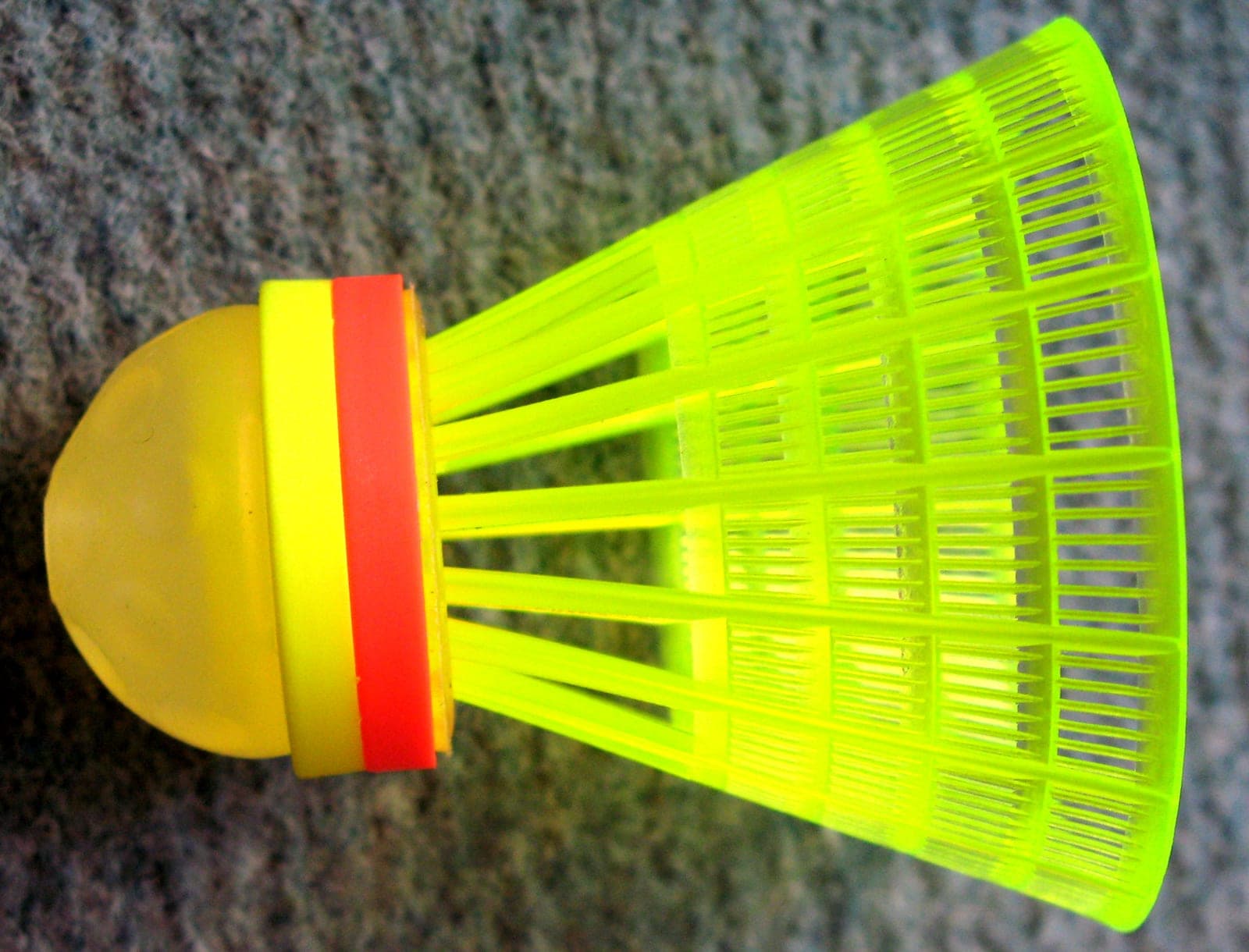
Badminton
A fast indoor racquet sport played with a shuttlecock that rewards agility and touch.
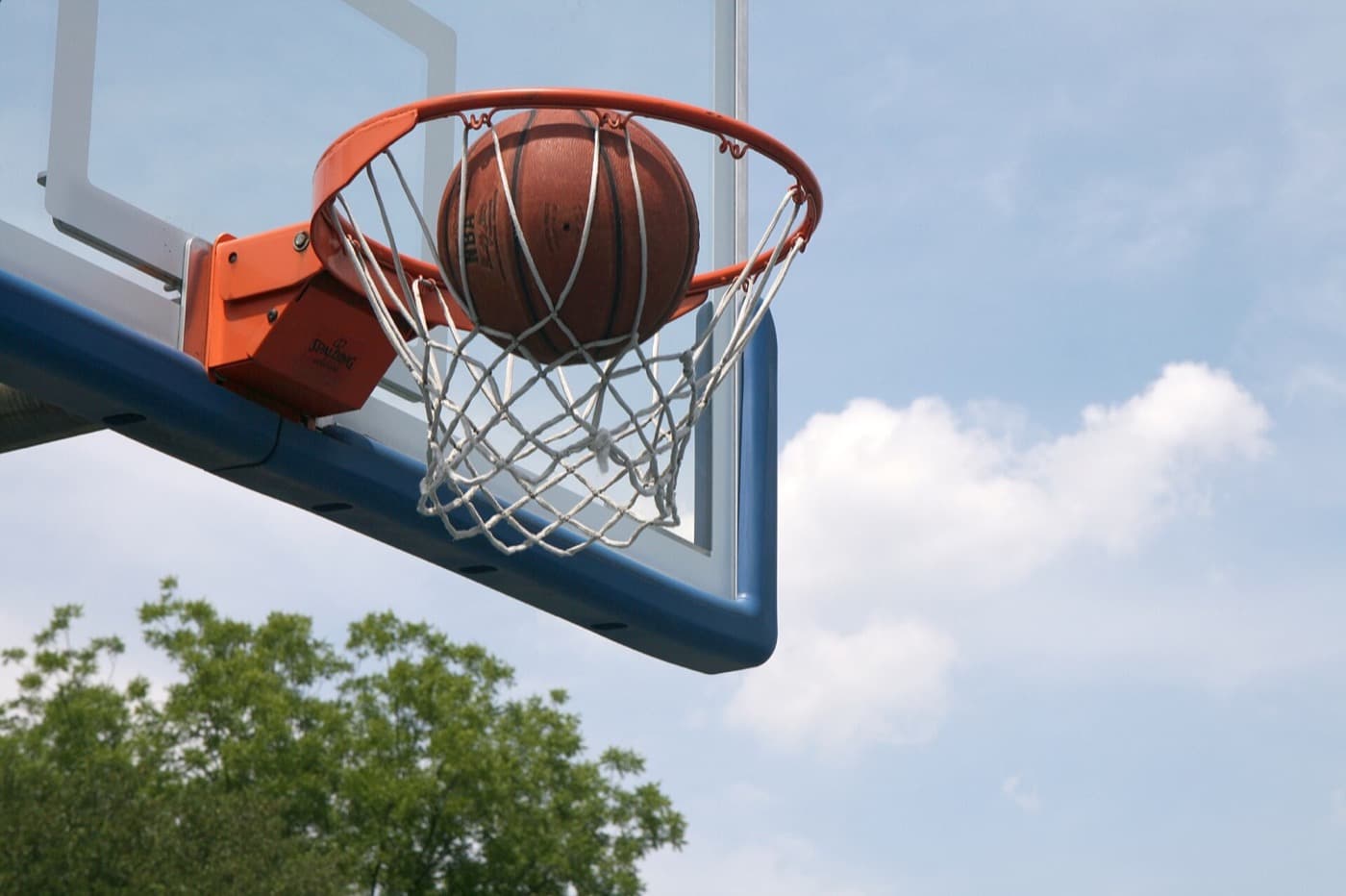
Basketball
A fast, dynamic team sport of running, jumping and quick decisions on court.
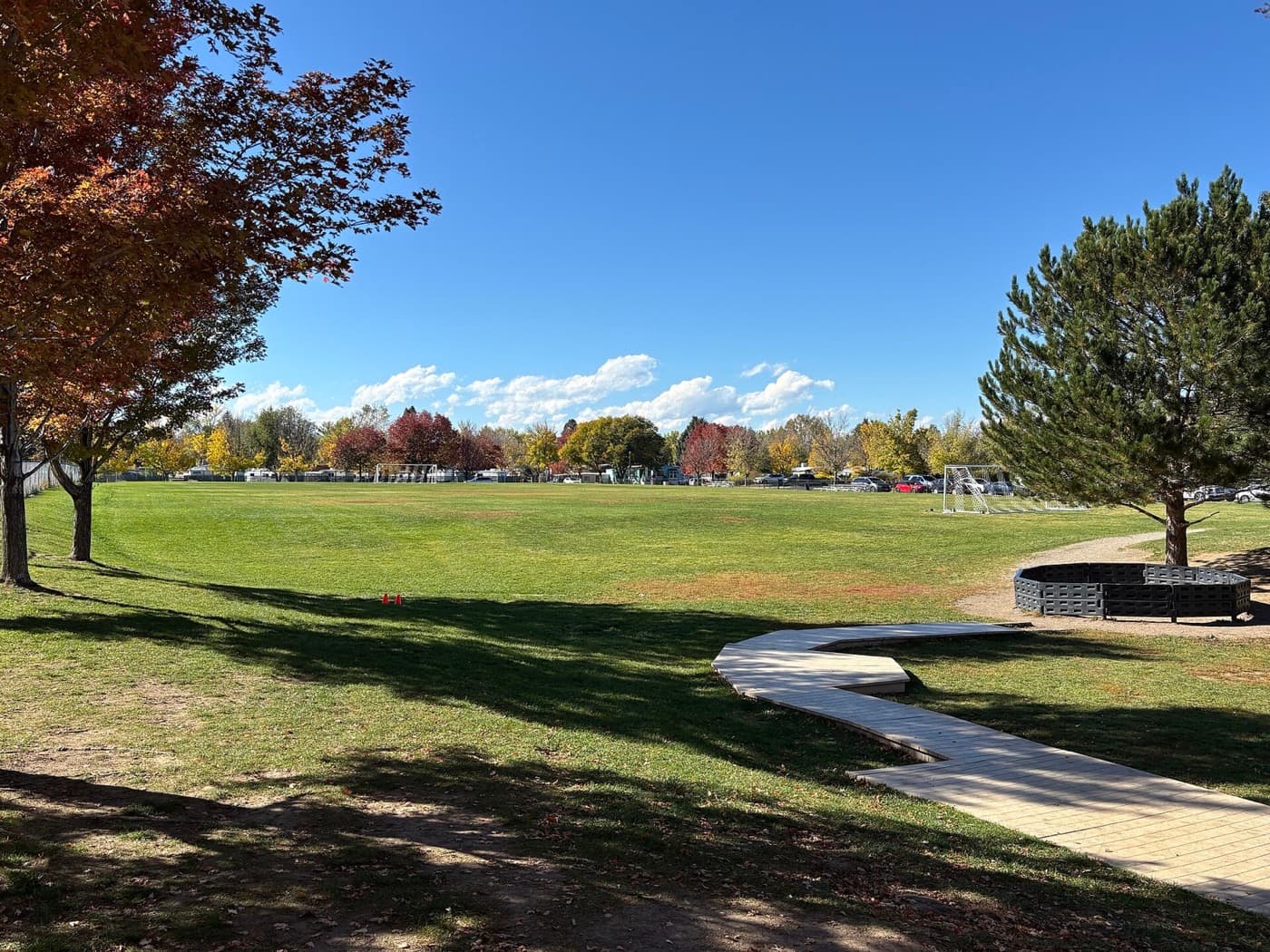
Football
The world’s most popular team sport — endless running, teamwork and community in one game.
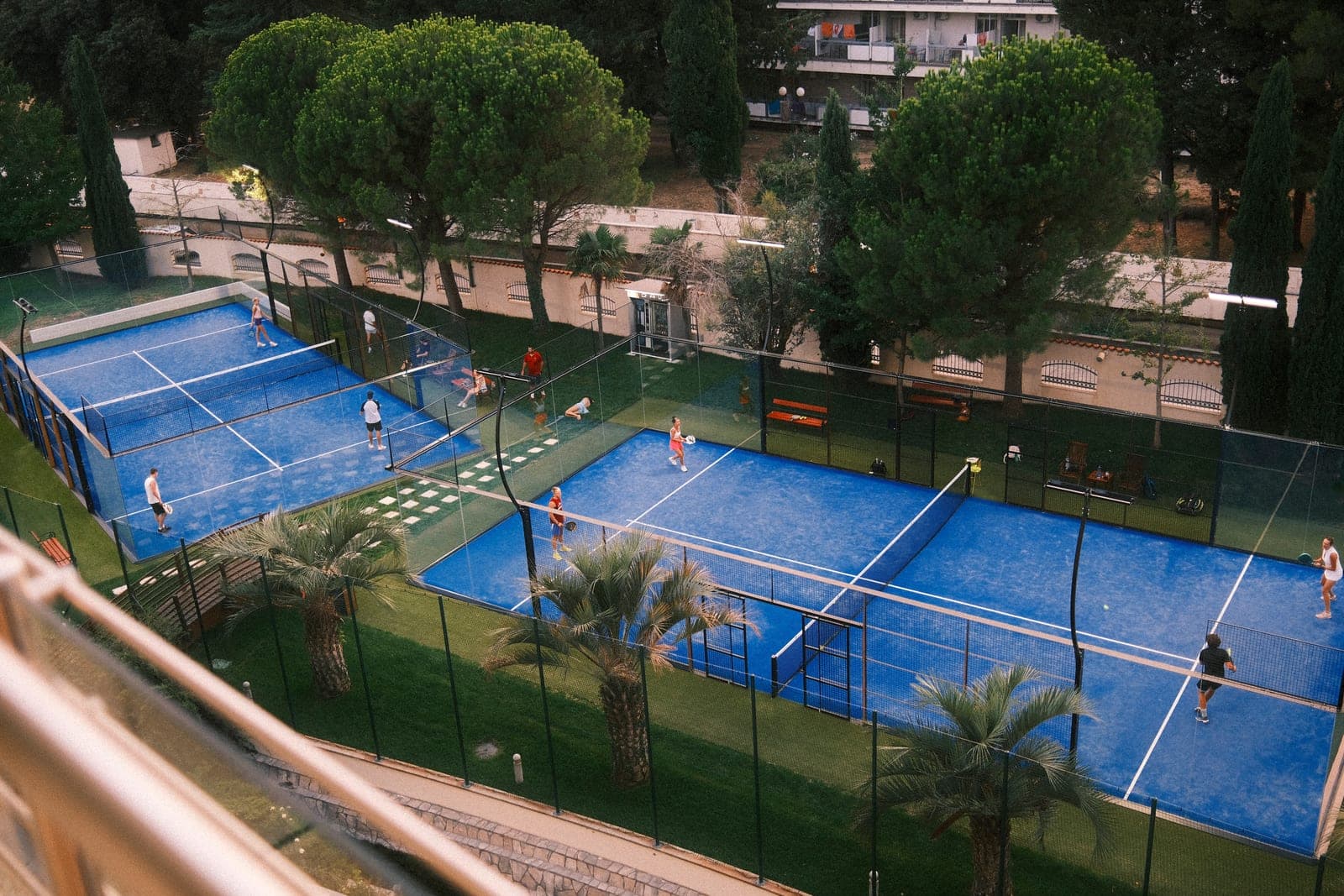
Padel
A sociable, doubles-first racquet sport played in an enclosed court where the walls stay in play.
Frequently asked questions
What is an open-play session?
It is an informal, usually social session where people simply turn up and play the sport — a pick-up game or an open court — rather than follow a structured practice. It is great for enjoyment and game experience, though a coached or focused session is a better fit if you want to work on a specific skill. This page describes the format, not a plan.
Explore across the knowledge base
Follow the threads that connect Open-play session to the rest of SocialSportHub.
Coaching concepts
- Small-Sided GamesPractising in scaled-down versions of a sport — fewer players, smaller area — so skills and decisions happen more often in a game-like setting.
- Decision-Making PracticeTraining athletes to read cues and choose the right action under pressure — coupling perception to action, not just rehearsing physical technique in isolation.
- Transfer of TrainingWhether practice carries over to real performance — and why game-like, varied practice tends to transfer better than isolated, repetitive drills.
- Repetition QualityThe attention and intent behind each repetition matter more than raw volume — focused, well-executed reps build skill faster than mindless numbers.
- Deliberate PracticeFocused, effortful practice that targets a specific weakness with full attention and immediate feedback — not just repeating what you already do well.
Decision making
- Situational awarenessHolding an overall picture of what is happening around you — teammates, opponents, ball, space and the state of the game — and keeping it updated as play unfolds.
- Reading spaceSeeing where space is — and is not — on the field or court, and using it to decide where to move, pass or play.
Beginner guides
- Your First Volleyball Session: What to ExpectA warm, honest guide to what actually happens at your first volleyball session, so you can turn up relaxed, join in, and enjoy the rallies rather than worry about getting everything right.
- Your First Informal Game or KickaboutA relaxed kickabout, hit or pick-up game is a genuine way into a sport — you learn by playing, the courtesies are simple, and nobody expects you to be good yet.
- What to Bring to Your First SessionMost first sessions need far less than people expect — water, clothes you can move in, footwear that suits the surface and a few personal bits usually cover it, with any sport-specific kit noted on each sport's first-session page.
- Your First Fitness Session: What to Expect and How to Enjoy ItA friendly, no-pressure guide to walking into your first fitness session at a gym or studio, so you know what happens and can focus on moving well rather than lifting heavy.
- Your first running sessionA warm, honest picture of what a first running session actually feels like — so you can turn up relaxed, run at a comfortable effort, and enjoy it without any pressure to be fast.
How this page is maintained
- Content type
- Session type
- Provenance
- Tier A — evergreen educational
- Verified external sources
- 0
- Content updated
- 2026-07-12
Evergreen, first-party explanation — it makes no claim that needs an external source. How we handle sources and reviews.