
Your First Informal Game or Kickabout
A relaxed kickabout, hit or pick-up game is a genuine way into a sport — you learn by playing, the courtesies are simple, and nobody expects you to be good yet.
Not every first go at a sport has to be a coached session with drills and a plan. Plenty of people start with something far looser: a kickabout in the park, a casual hit on a spare court, a pick-up game with friends, or a knockabout at the end of someone else's session. The stakes are low, the score barely matters, and the main job is simply to move, have a go, and enjoy being part of it.
Informal play is a completely valid on-ramp — not a lesser version of 'real' training. It lets you feel out whether you like a sport before committing to anything, get comfortable with the ball or racket in your hands, and meet people who play. This guide is about turning up to that first casual game feeling relaxed and welcome, rather than a step-by-step of skills to master.
What 'informal' actually means
An informal game is loosely organised and low-pressure. There may be no coach, no set drills, no fixed teams, and the 'rules' often bend to fit who has turned up and what everyone fancies. You learn by playing rather than by being taught — picking things up through trial, error and copying others, which is a perfectly good way to start.
Because it is casual, the focus is participation over performance. Nobody is scoring you, and a scrappy, laughing, imperfect game is exactly what it is supposed to look like. That freedom is the point: you can experiment, make a mess of things, and still have a great time.
- Expect improvised rules — sides may be uneven and 'next goal wins' is common
- There's no obligation to be good; showing up and trying is the whole ask
- Treat it as a taster, not a test — you can decide later if you want more structure
Turning up and fitting in
A few simple courtesies go a long way. Say hello, ask if you can join in, and be honest that you're new — most casual groups are happy to make room and will ease off if they know it's your first time. Watch for a minute or two before you jump in so you can see how they're playing and where you might slot in.
Basic awareness keeps it enjoyable for everyone: give people space, don't play dangerously, and call your own fouls or fresh air shots with good humour rather than arguing them. Share the ball, take turns, and thank people at the end — the same manners you'd use anywhere.
- Ask 'mind if I join?' rather than just walking on
- Say you're new so people can pitch it at the right level
- Ease off in challenges and contests until you know how physical the group plays
- Bring the ball or kit back, and help pack up if there's any to pack
Keeping it fun — for you and everyone else
The quickest way to enjoy a first game is to let go of the scoreline and your own mistakes. Miscontrols, air shots and misjudged passes are part of it for everyone, not just beginners. Laugh them off, keep moving, and celebrate the moments that come off. Effort and a good attitude matter far more here than polish.
In a mixed-ability game, everyone shares the job of keeping it fun. If you're the newest, don't be hard on yourself; if others are newer than you, pass to them and keep it light. A game where everyone gets a touch and a laugh is a game people want to come back to.
- Judge yourself on effort and enjoyment, not results
- Pass to include people, not just to win the point
- Keep the mood friendly — banter, yes; sulking or over-competitiveness, no
- If it stops being fun, it's fine to take a breather or call it a day
Playing it safe and knowing it counts
Warm up gently, wear footwear that suits the surface, and don't feel you have to match the fittest or most competitive person there — play within your own comfort. If you have a health condition, an injury, or any doubt about whether a particular activity suits you, check with a qualified doctor or health professional before pushing hard; a casual game is no reason to ignore that.
Finally, remember that informal play is a valid destination, not just a stepping stone. Some people use a first kickabout to build confidence before joining a structured session or club; others are perfectly happy playing casually for the love of it. Both are real, legitimate ways to enjoy a sport — there's no obligation to 'progress' anywhere you don't want to.
- Ease in with a gentle warm-up before going full pace
- Stay hydrated and stop if something hurts
- Check with a qualified professional about anything health-related — not the group
Common questions
- Do I need to be any good before joining a casual game?
- No. Informal games are designed for exactly this — turning up and having a go. Being honest that you're new usually makes people more welcoming, and you improve simply by playing. Polish is not the price of entry.
- Is a kickabout a proper way to start, or should I book a coached session?
- Both are valid. A casual game is a genuine, low-pressure way in that lets you test whether you enjoy a sport before committing to anything. If you later want to learn skills in a more structured way, a coached session or club is there when you're ready — but there's no rule that says you have to move on.
A note for beginners
Sports to explore
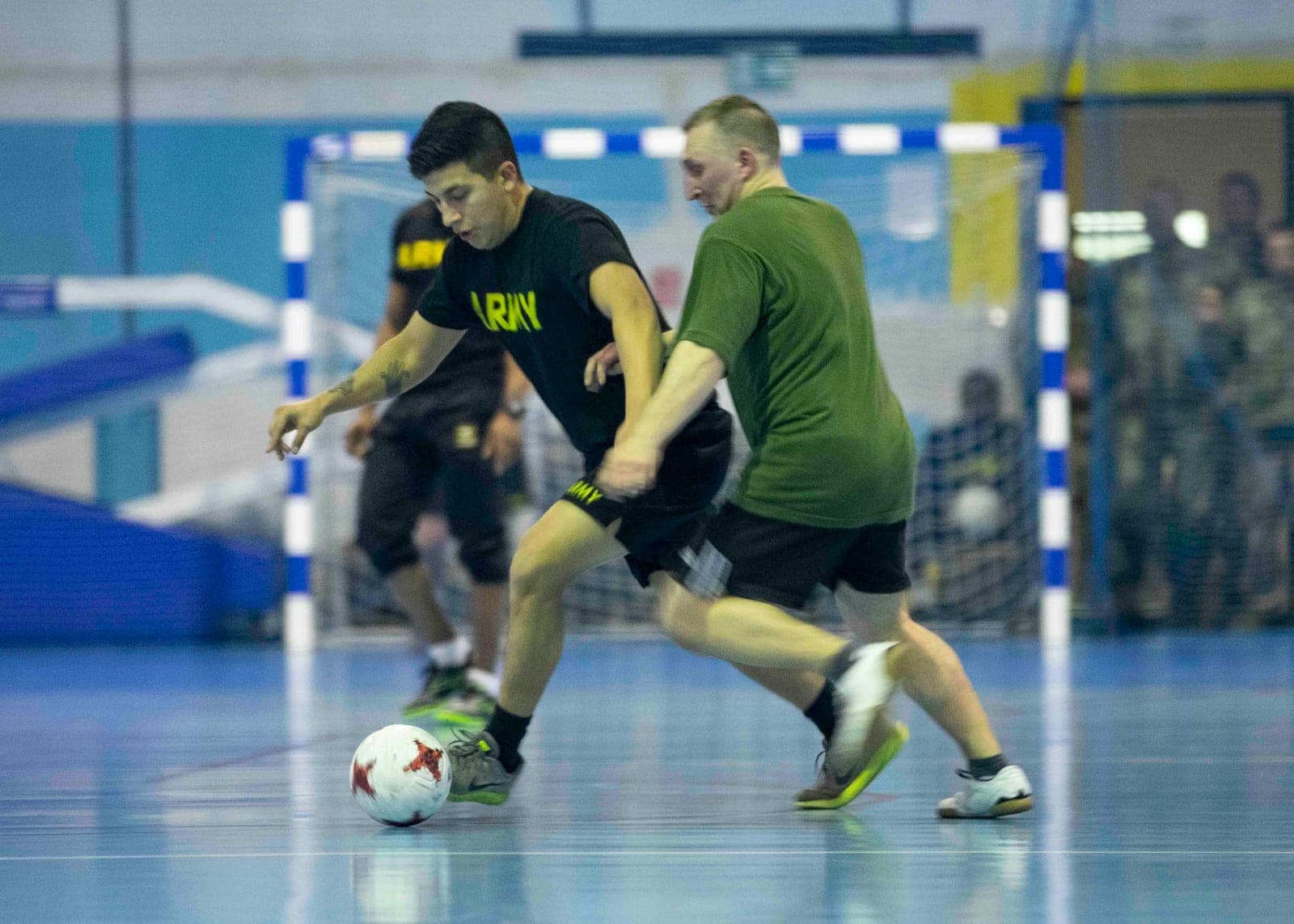
Futsal
A fast, small-sided indoor form of football played on a hard court with a low-bounce ball.
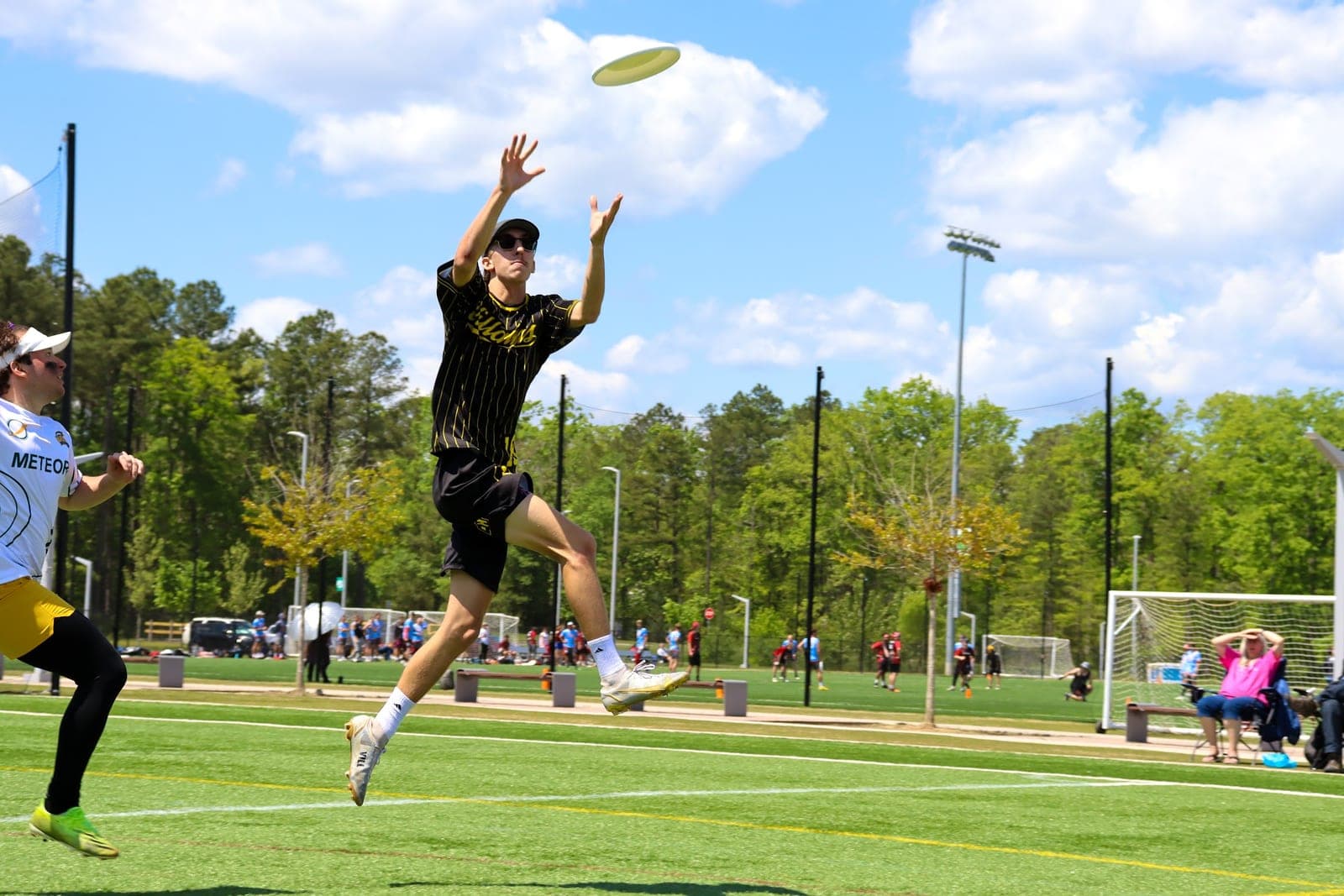
Ultimate Frisbee
A fast, non-contact team sport played with a flying disc, known for constant running and self-refereeing.
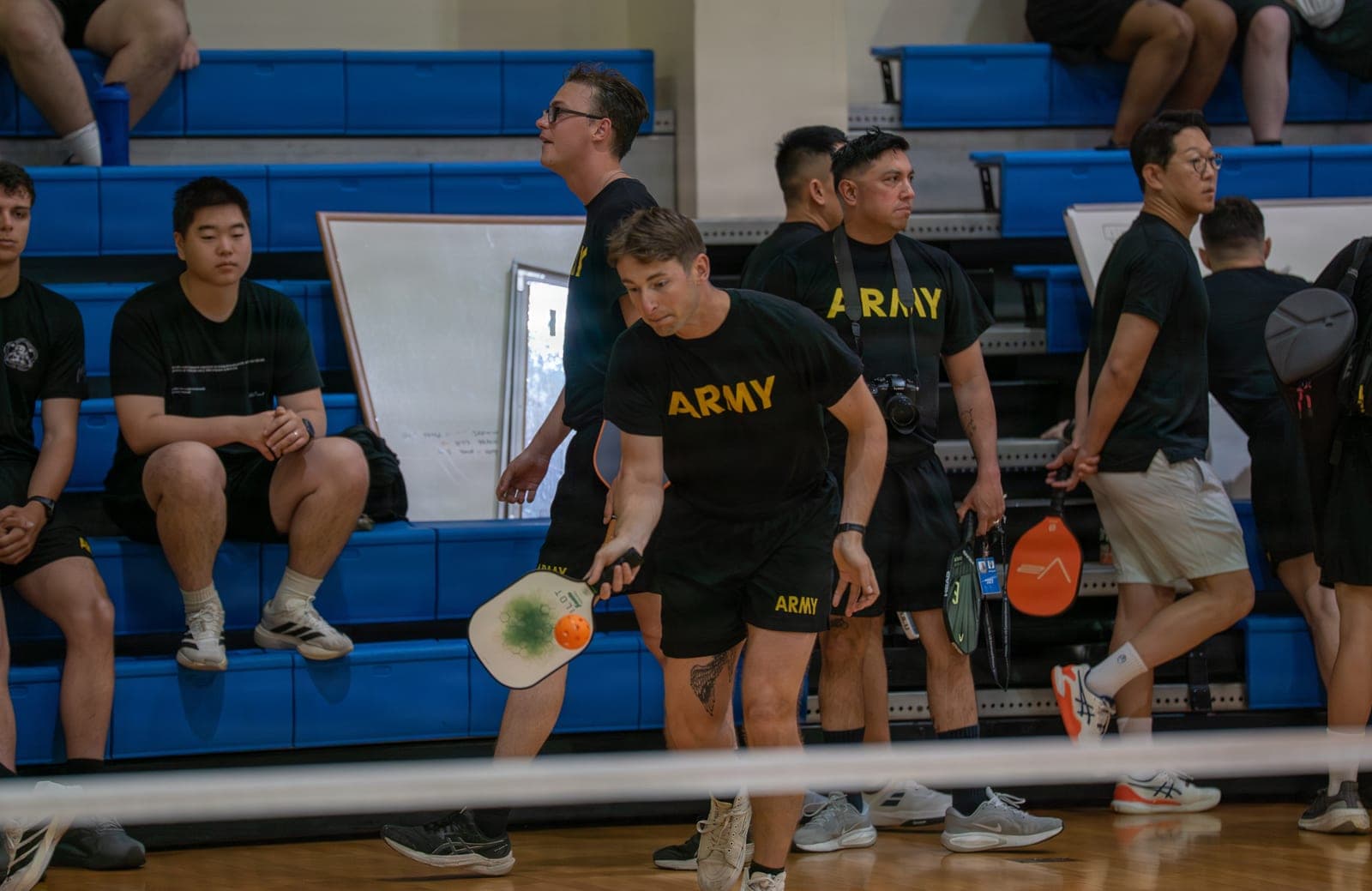
Pickleball
A friendly, easy-to-learn paddle sport played on a small court with a solid paddle and a light, perforated ball.
Beach Tennis
A sociable sand-court paddle sport played with solid paddles and a soft ball that is volleyed without a bounce.
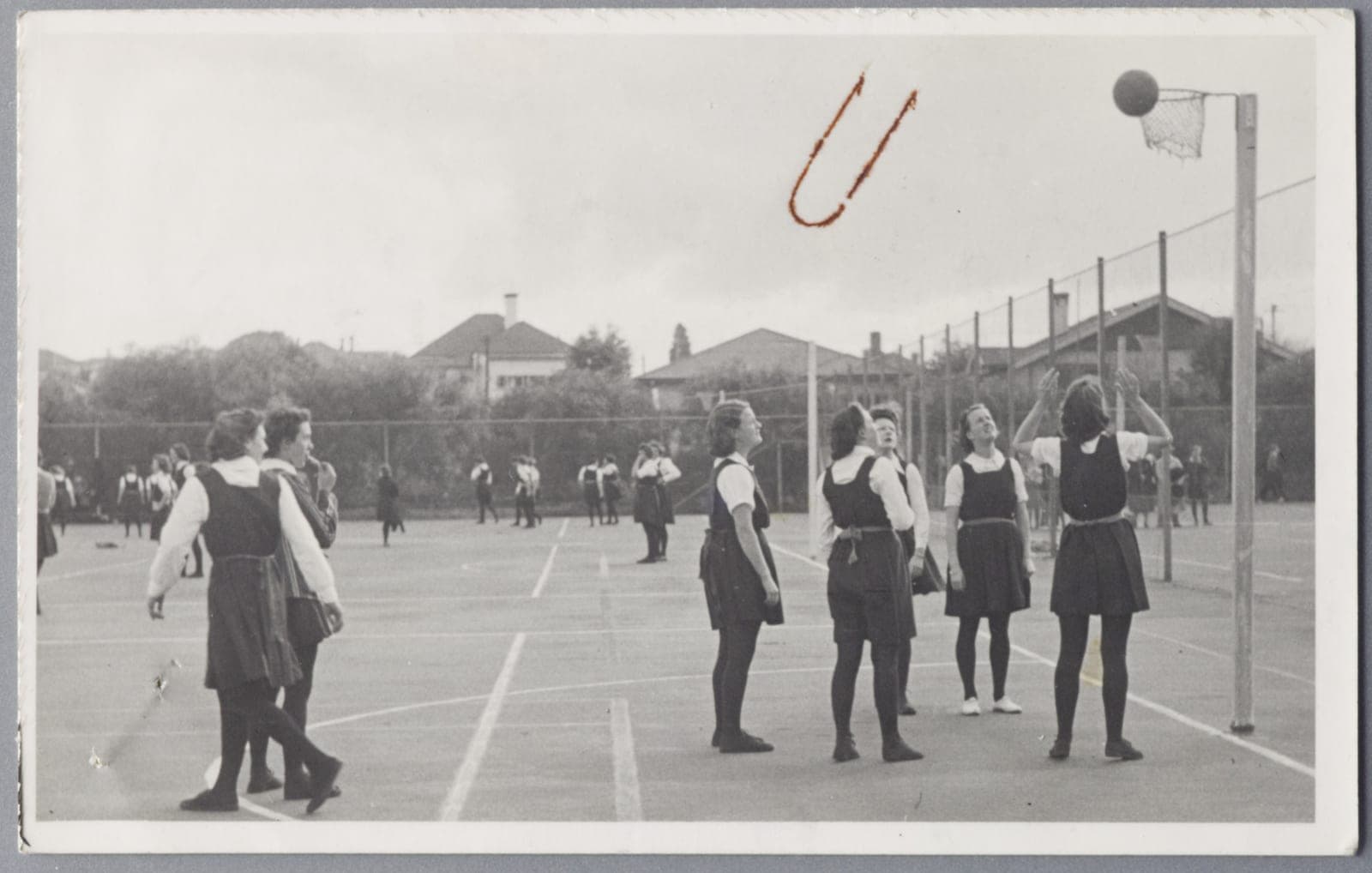
Netball
A non-contact, position-based team sport of quick passing and accurate shooting.
Words you might hear
Friendly
A match played outside any official competition, arranged for practice, fitness or exhibition rather than points or trophies.
Grassroots
The foundational, community level of a sport where most people first take part, typically local, youth and recreational play.
Amateur
An athlete or competition category defined by taking part without payment, as distinct from professional sport.
Coin Toss
A pre-match procedure in which a coin is tossed, or a racket spun, to decide a choice such as which side starts, serves, or picks ends.
More beginner guides
How to Choose a Sport as a Beginner
A calm, practical way to pick a first sport that fits your interests, your body, your budget and your life — with full permission to try a few and change your mind.
How to Prepare for Your First Session
A calm, practical walkthrough of getting ready for your very first session of any sport — arriving prepared, easing the nerves, and setting one small, realistic aim.
What to Bring to Your First Session
Most first sessions need far less than people expect — water, clothes you can move in, footwear that suits the surface and a few personal bits usually cover it, with any sport-specific kit noted on each sport's first-session page.
Beginner Clothing and Equipment Basics
A calm, practical guide to what to wear and bring for a first session — comfort and freedom of movement first, borrow or hire before you buy, and footwear that matches the surface.
Explore across the knowledge base
Follow the threads that connect Your First Informal Game or Kickabout to the rest of SocialSportHub.
Sports
- FutsalA fast, small-sided indoor form of football played on a hard court with a low-bounce ball.
- Ultimate FrisbeeA fast, non-contact team sport played with a flying disc, known for constant running and self-refereeing.
- PickleballA friendly, easy-to-learn paddle sport played on a small court with a solid paddle and a light, perforated ball.
- Beach TennisA sociable sand-court paddle sport played with solid paddles and a soft ball that is volleyed without a bounce.
- NetballA non-contact, position-based team sport of quick passing and accurate shooting.
Glossary
- FriendlyA match played outside any official competition, arranged for practice, fitness or exhibition rather than points or trophies.
- GrassrootsThe foundational, community level of a sport where most people first take part, typically local, youth and recreational play.
- AmateurAn athlete or competition category defined by taking part without payment, as distinct from professional sport.
- Coin TossA pre-match procedure in which a coin is tossed, or a racket spun, to decide a choice such as which side starts, serves, or picks ends.
Practice & sessions
Skills
How this page is maintained
- Content type
- Beginner guide
- Provenance
- Tier A — evergreen educational
- Verified external sources
- 0
- Content updated
- 2026-07-13
Evergreen, first-party explanation — it makes no claim that needs an external source. How we handle sources and reviews.