
Grassroots
The foundational, community level of a sport where most people first take part, typically local, youth and recreational play.
Definition
Grassroots sport refers to the broad base of participation at community and entry level — school teams, local clubs, youth academies, recreational leagues and casual play. It is often pictured as the bottom of a pyramid whose narrow top is elite and professional competition, with the grassroots providing the wide foundation from which players, coaches, officials and volunteers emerge.
Governing bodies and national federations invest in grassroots programmes to grow overall participation, improve access and identify talent early. Because it prioritises inclusion, enjoyment and skill development over results, grassroots activity is where lifelong involvement in a sport usually begins, whether or not a participant ever competes at a higher level.
Where you’ll hear “grassroots”
Sports that use this term:

Football
The world’s most popular team sport — endless running, teamwork and community in one game.

Basketball
A fast, dynamic team sport of running, jumping and quick decisions on court.
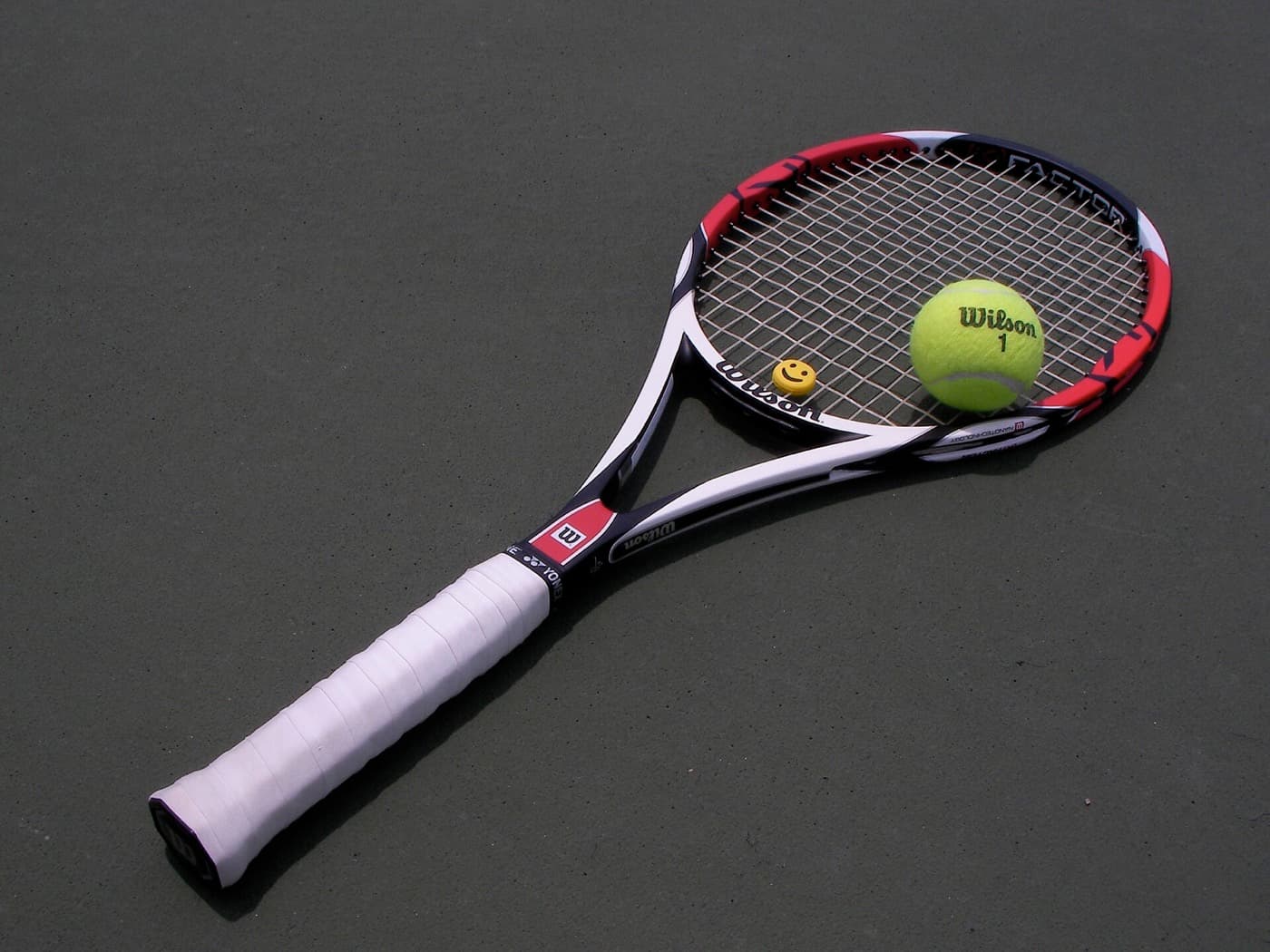
Tennis
A singles or doubles racquet sport that blends agility, strategy and stamina on court.

Swimming
A full-body, low-impact endurance sport suitable for almost every age and ability.
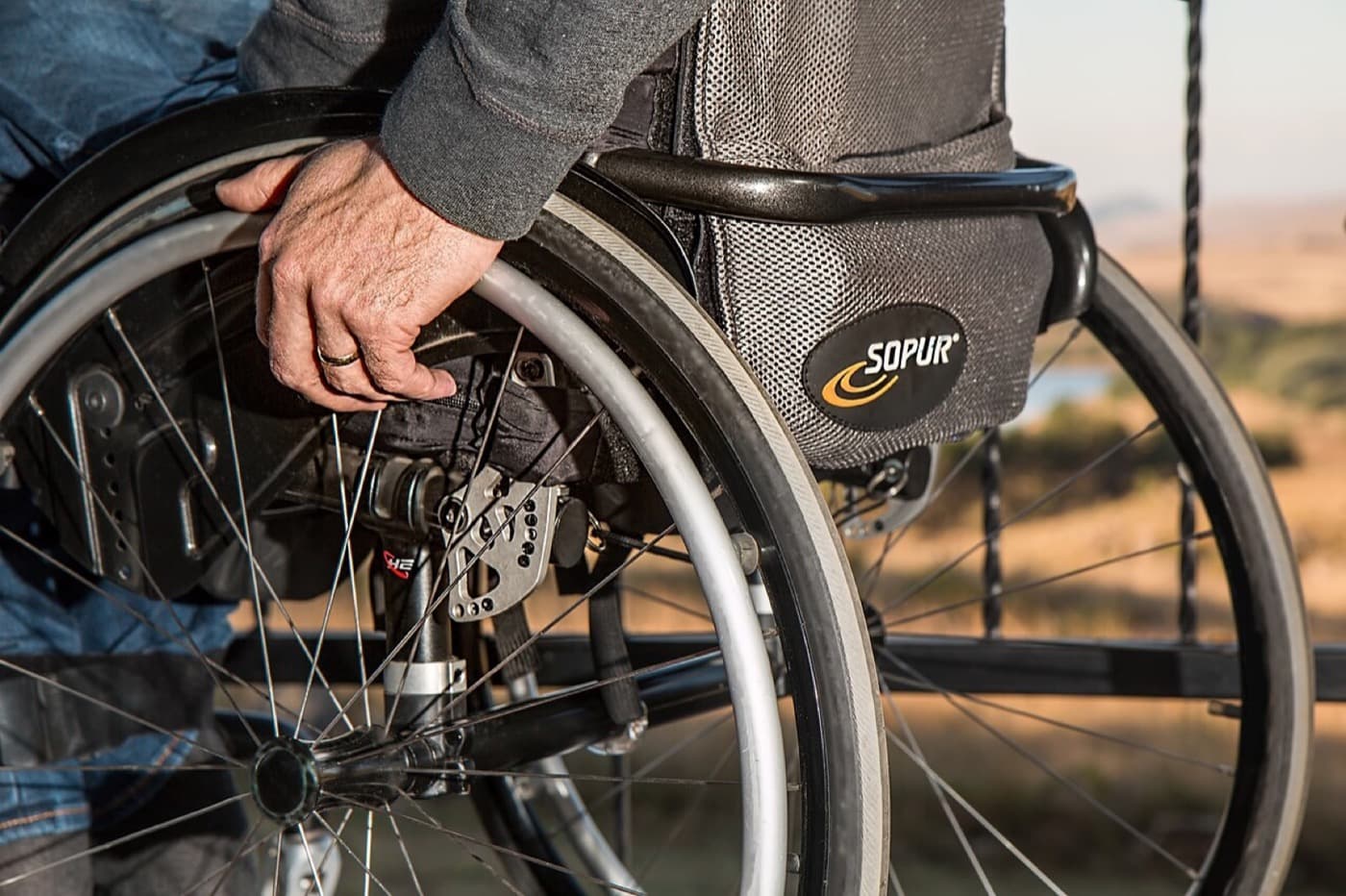
Cycling
A low-impact endurance sport that doubles as transport, exercise and adventure.
Explore across the knowledge base
Follow the threads that connect Grassroots to the rest of SocialSportHub.
Beginner guides
- How to Choose a Sport as a BeginnerA calm, practical way to pick a first sport that fits your interests, your body, your budget and your life — with full permission to try a few and change your mind.
- Venue and Club Etiquette for BeginnersA warm, practical guide to feeling at ease at a new sports venue or club — how to arrive, sign in, share the space, wait your turn, tidy up, and ask for help without any awkwardness.
- How to Join a Beginner Group or ClassA warm, practical walk-through of joining a beginner sports group or class — what they are like, how to find one, and what a first session tends to feel like.
- Playing Alone or With Others: Which to Start WithA friendly, honest look at the trade-offs of starting a sport on your own versus alongside other people — and why, for most sports, you don't really have to pick just one.
- Spending Wisely as a BeginnerYou rarely need to buy much to start a new sport, because borrowing, hiring, taster sessions and a little patience let you learn what genuinely matters before you spend.
Adaptive sports
- Disability and sportAn overview of how disabled people take part in sport — for health, enjoyment, community and competition — and the ideas that support inclusion.
- Adaptive competitionsOrganised events where athletes with disabilities compete, from local grassroots fixtures up to major international championships.
- Adaptive sportsSport adjusted in its equipment, rules or format so that people with disabilities can take part, compete and enjoy it.
- Seated SportsSports played from a seated position — on the floor, on a bench or in a chair — so that people who benefit from a stable seated base can take part.
- Sports for Blind and Visually Impaired AthletesSports adapted with sound, touch and guiding support so that athletes who are blind or have low vision can take part and compete.
Knowledge
- The best sports for beginnersThe most beginner-friendly sports to try first — why they are easy to start, what you need and how to take the first step.
- How to find people to play sport withPractical ways to find partners, groups and clubs so you never have to train alone — from local sessions to beginner leagues.
Exercises
Recommendations
- Recommended for “Sports for children”Sports, qualities, a learning path and first steps for “Sports for children” — every suggestion a real graph link, shown with its reason.
- Recommended for “Sports for teenagers”Sports, qualities, a learning path and first steps for “Sports for teenagers” — every suggestion a real graph link, shown with its reason.
Go deeper with Grassroots
Everywhere else on the platform that covers Grassroots — assembled from what actually references it, so nothing here is a dead end.
Take it away
Open data and the whole-platform view of this subject.
How this page is maintained
- Content type
- Term
- Provenance
- Tier A — evergreen educational
- Verified external sources
- 0
- Content updated
- 2026-09-01
Evergreen, first-party explanation — it makes no claim that needs an external source. How we handle sources and reviews.