
Playing Alone or With Others: Which to Start With
A friendly, honest look at the trade-offs of starting a sport on your own versus alongside other people — and why, for most sports, you don't really have to pick just one.
One of the first questions new players wrestle with is whether to begin solo or with other people. There's no universally right answer here — the best starting point depends on what keeps you turning up, what's practical for your week, and how you like to learn.
The reassuring part is that this is rarely a permanent decision. Many sports can be enjoyed both ways, and plenty of people move between the two as their confidence and circumstances shift. This guide lays out the honest pros and cons so you can choose a comfortable first step, not a lifelong label.
What starting solo tends to offer
Going it alone gives you flexibility. You set the when, the where and the how long, you move entirely at your own pace, and there's no one else's schedule to work around. For many people it also feels lower-pressure at the very start — no sense of being watched while you find your feet.
The trade-off is that the accountability sits with you. Motivation can dip on quiet days, feedback is limited when no one's there to notice a small mistake, and some sports simply can't be practised properly, or safely, without a partner or group.
- You control the timing, place and length of each session
- Often easier to fit around an unpredictable week
- Fewer first-day nerves about being seen while you learn
- You'll need your own habits for staying motivated and safe
What starting with others tends to offer
Other people bring built-in accountability and encouragement. Familiar faces and a regular slot can make it easier to keep showing up, and someone nearby can gently flag a habit before it sets in. The social side is, for a lot of players, the very thing that keeps them coming back.
It also comes with trade-offs: you'll usually work around a shared time and a shared pace, and there's the small step of showing up somewhere new. For some activities, though, company isn't just nicer — a partner, group or supervisor can make starting out genuinely safer.
- Regular sessions and familiar faces help many people keep going
- Others can spot small mistakes early, before they stick
- A partner or group makes some activities safer to begin
- You'll generally share a schedule and move at a group pace
Weighing it up for you
A few things vary a lot from person to person, and they're worth an honest think rather than a rule. Consider how you've stuck with habits before, whether the sport you're drawn to is usually played with others anyway, and how flexible your week really is.
Cost can differ too, though not always in one direction — a solo setup might mean buying your own gear, while classes or coaching may carry fees. It's worth weighing what suits your situation rather than assuming either route is automatically cheaper. Where health or safety is part of the picture, a qualified coach or professional is the right person to help you judge.
- Do you keep habits more easily alone or with company?
- Does the sport you fancy usually need a partner or group?
- How flexible is your week — can you commit to set times?
- Would starting alongside someone make the first sessions feel easier?
Most sports let you do both
It's easy to treat this as a fork in the road, but for a lot of sports it isn't. You might drill the basics alone and then play or train with others, or start in a welcoming class and later add quiet solo sessions once you feel at home.
So pick whichever feels like the more comfortable first step, and hold it lightly. Trying a mix is a perfectly good plan, and changing your mind later isn't starting over — it's just finding what fits.
Common questions
- Is it better to learn a sport alone or with other people?
- Neither is better across the board. Learning with others often brings accountability and quicker feedback, while going solo gives you flexibility and room to move at your own pace. The best choice is the one that fits how you stay motivated and how the sport is usually played — and you can always switch.
- Can I start on my own and join others later?
- For most sports, yes. Plenty of people build a little confidence solo and then join a class, club or casual group, or start in a group and add solo practice on the side. Treat your first choice as a comfortable starting point rather than a permanent commitment. Where health or safety is a factor, a qualified coach or professional can help you decide.
A note for beginners
Sports to explore
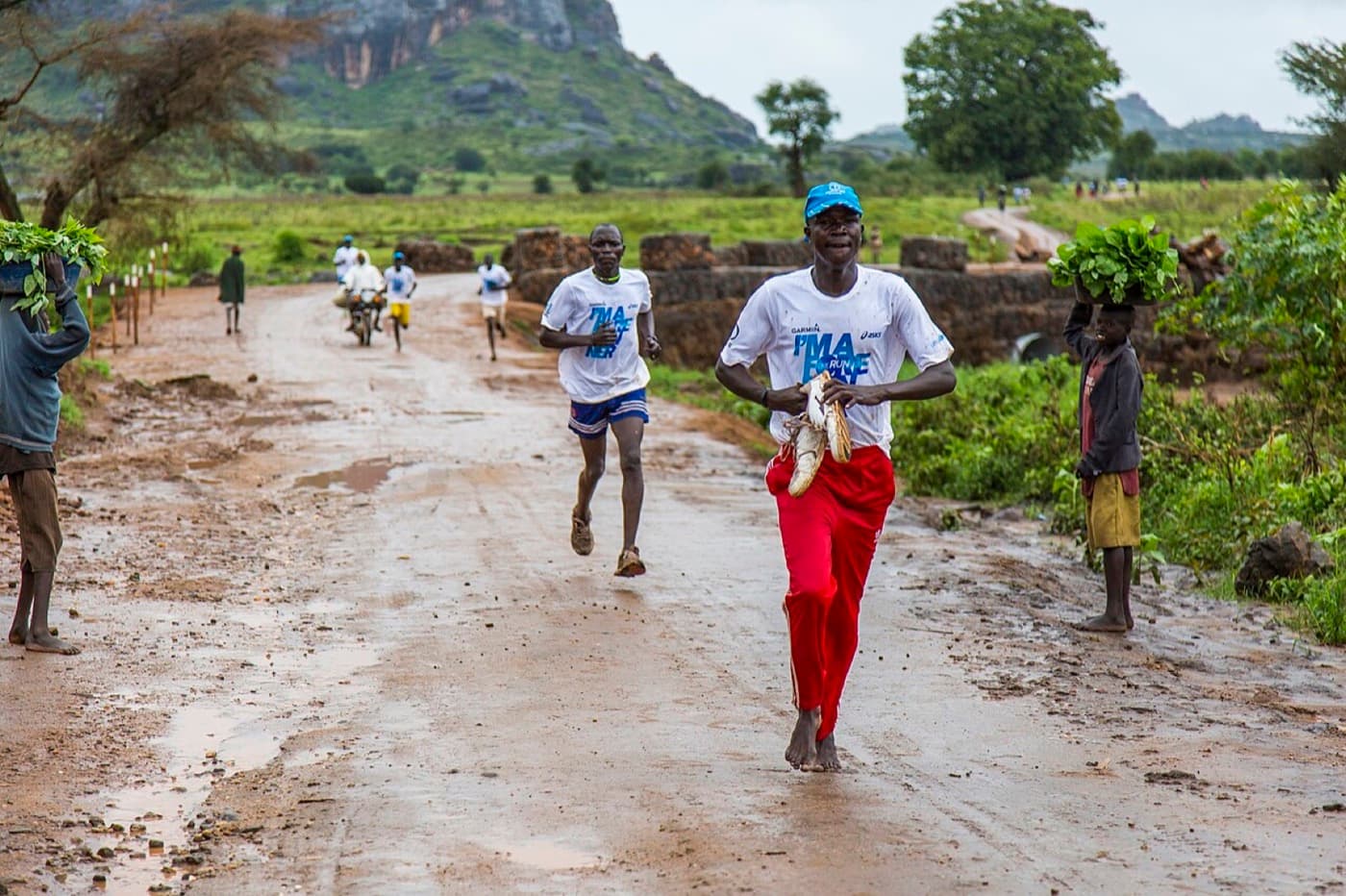
Trail Running
Running off-road on trails, hills and natural terrain, away from pavements and traffic.
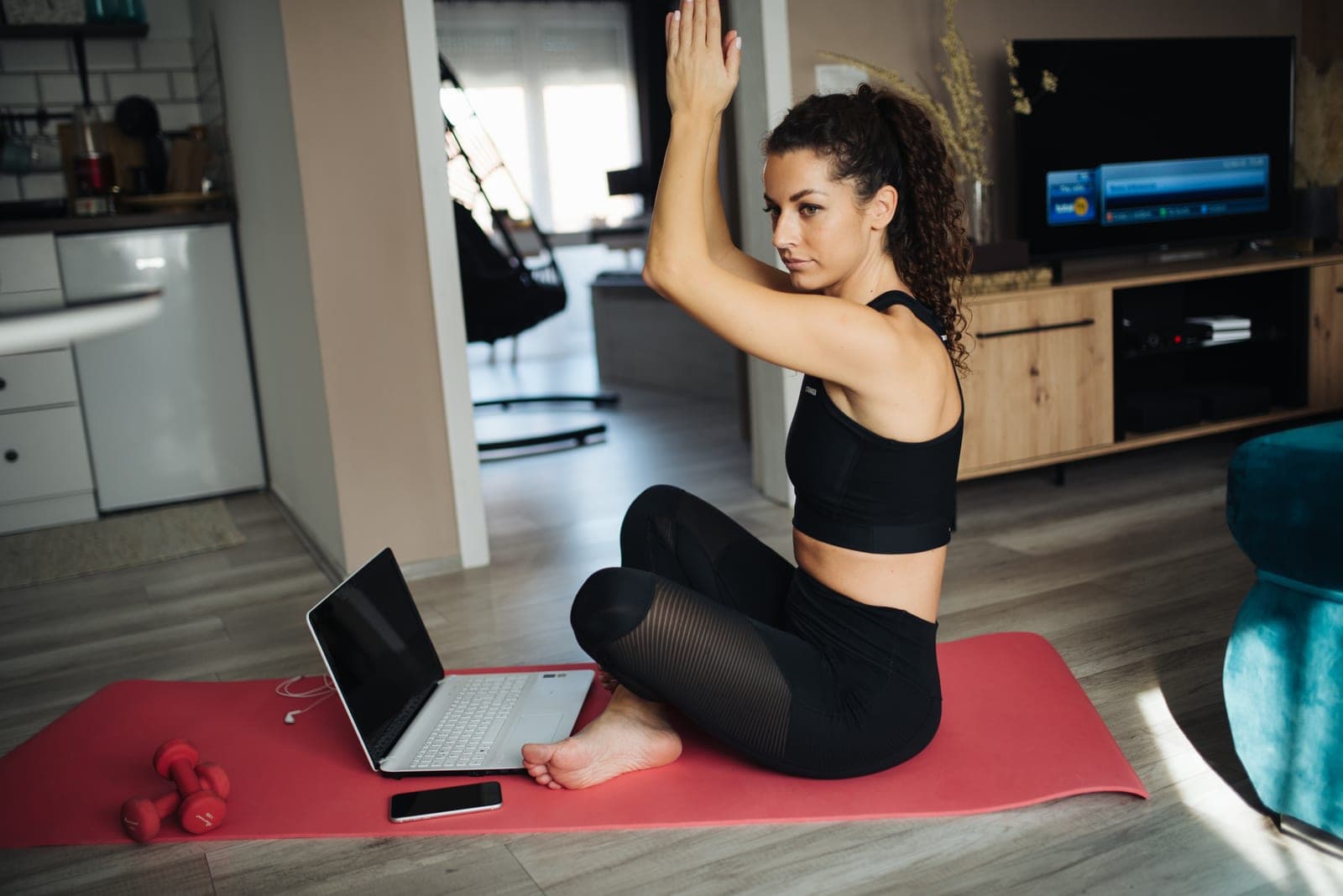
Yoga
A mind-body practice that links postures, breathing and focus to build flexibility, strength and calm.
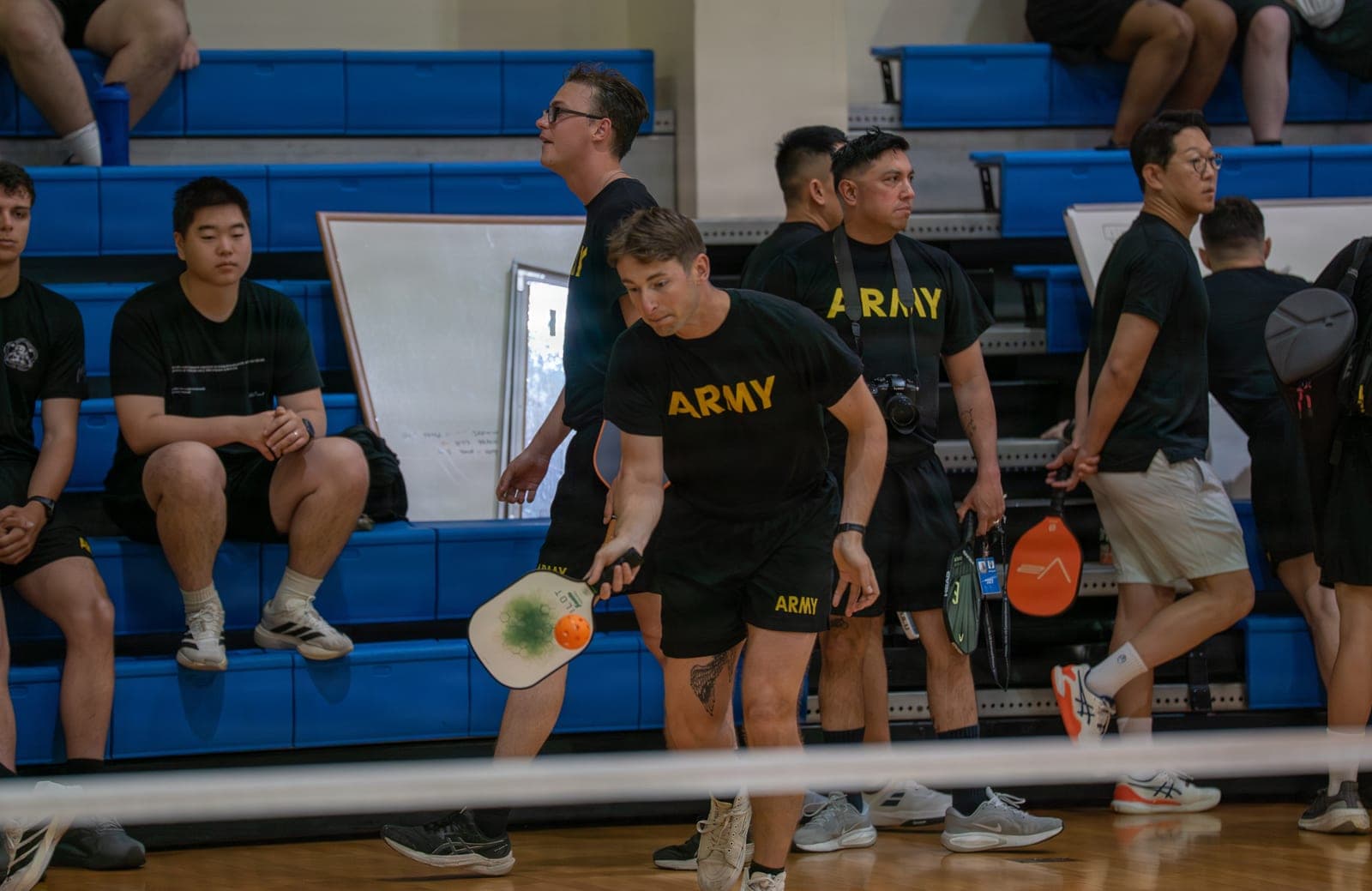
Pickleball
A friendly, easy-to-learn paddle sport played on a small court with a solid paddle and a light, perforated ball.
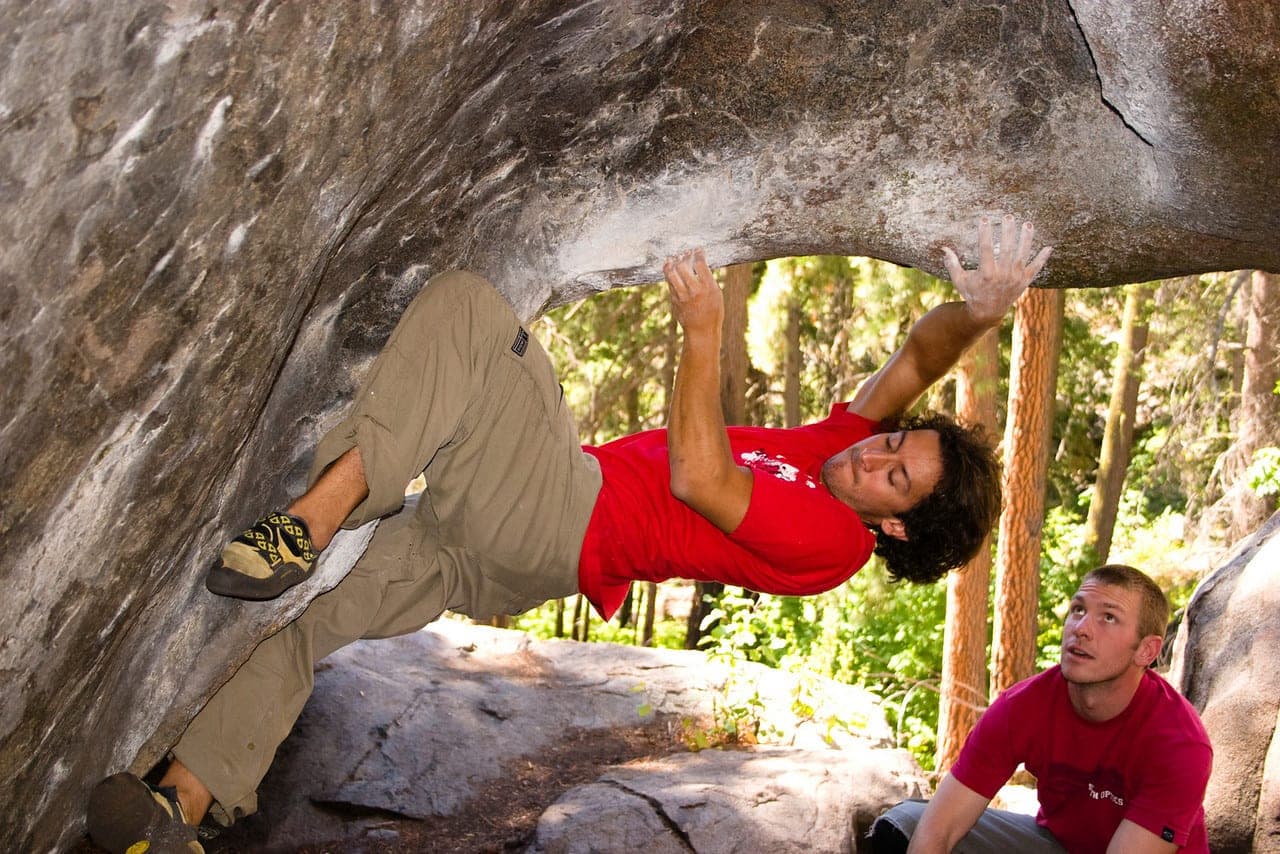
Bouldering
A rope-free form of climbing on short walls and boulders, focused on strength, technique and puzzle-solving.
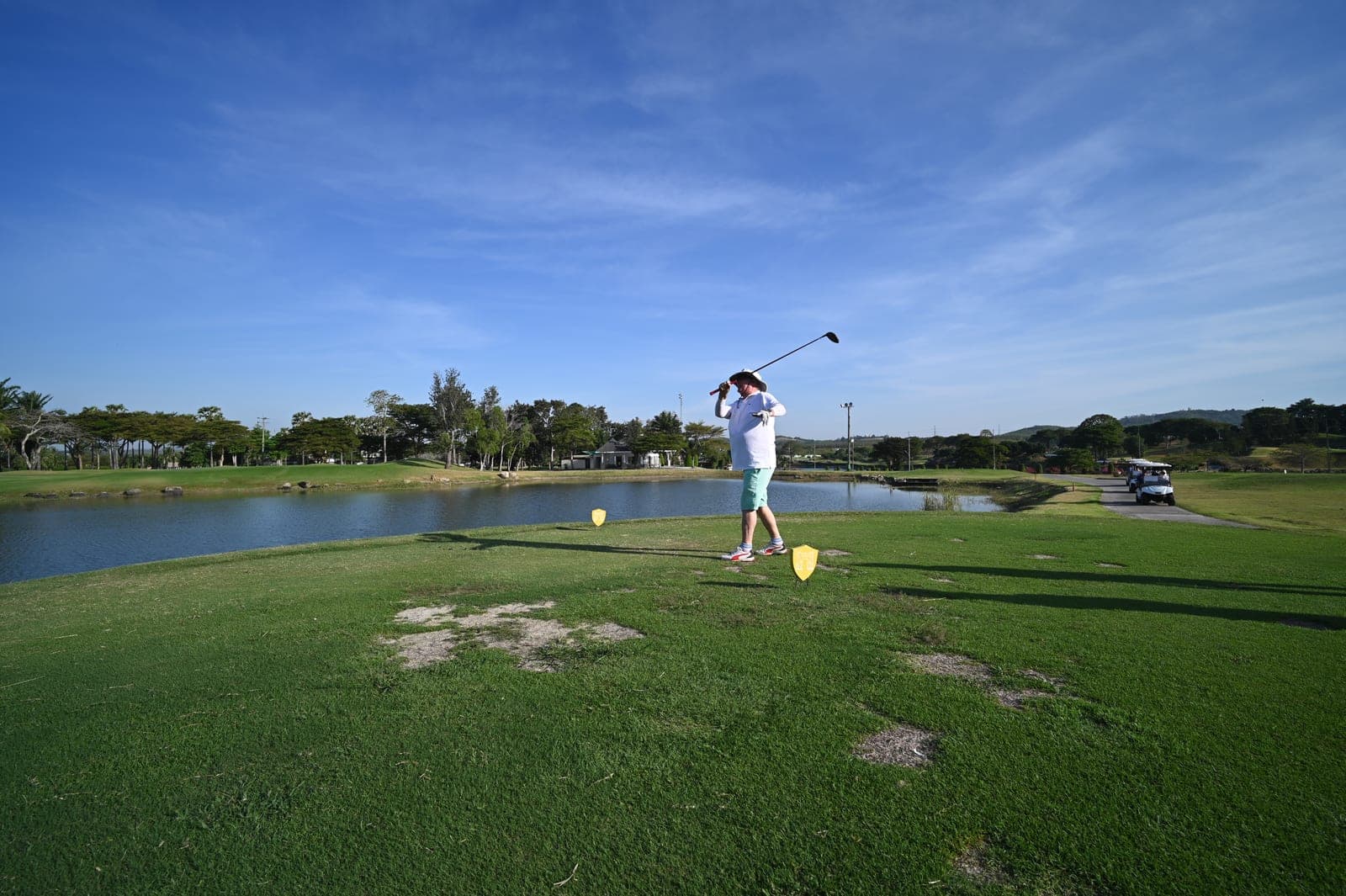
Golf
A precision target sport played across an outdoor course, blending skill, strategy and a long walk in the open air.
Words you might hear
Grassroots
The foundational, community level of a sport where most people first take part, typically local, youth and recreational play.
Friendly
A match played outside any official competition, arranged for practice, fitness or exhibition rather than points or trophies.
Feedback
Feedback is the information an athlete receives about a performance, used to guide learning and improvement.
More beginner guides
How to Choose a Sport as a Beginner
A calm, practical way to pick a first sport that fits your interests, your body, your budget and your life — with full permission to try a few and change your mind.
How to Prepare for Your First Session
A calm, practical walkthrough of getting ready for your very first session of any sport — arriving prepared, easing the nerves, and setting one small, realistic aim.
What to Bring to Your First Session
Most first sessions need far less than people expect — water, clothes you can move in, footwear that suits the surface and a few personal bits usually cover it, with any sport-specific kit noted on each sport's first-session page.
Beginner Clothing and Equipment Basics
A calm, practical guide to what to wear and bring for a first session — comfort and freedom of movement first, borrow or hire before you buy, and footwear that matches the surface.
Explore across the knowledge base
Follow the threads that connect Playing Alone or With Others: Which to Start With to the rest of SocialSportHub.
Sports
- Trail RunningRunning off-road on trails, hills and natural terrain, away from pavements and traffic.
- YogaA mind-body practice that links postures, breathing and focus to build flexibility, strength and calm.
- PickleballA friendly, easy-to-learn paddle sport played on a small court with a solid paddle and a light, perforated ball.
- BoulderingA rope-free form of climbing on short walls and boulders, focused on strength, technique and puzzle-solving.
- GolfA precision target sport played across an outdoor course, blending skill, strategy and a long walk in the open air.
Glossary
- GrassrootsThe foundational, community level of a sport where most people first take part, typically local, youth and recreational play.
- FriendlyA match played outside any official competition, arranged for practice, fitness or exhibition rather than points or trophies.
- FeedbackFeedback is the information an athlete receives about a performance, used to guide learning and improvement.
- Risk-rewardThe trade-off a player or team weighs between the potential gain of an action and the cost if it fails.
- Home and AwayA format in which teams meet both at one side's venue and the other's, sharing the advantage of playing at home.
Knowledge Atlas
Practice & sessions
- Individual practicePractising on your own — you set the focus, run the drills and work at your own pace, with no partner or coach present.
- Open-play sessionA turn-up-and-play session of informal, often social games — less structured than practice, focused on playing rather than drilling.
- Self-guided sessionA session you plan and run yourself, without a coach directing it — you decide the focus, set it up and rely on your own judgement.
Knowledge
- The best sports for beginnersThe most beginner-friendly sports to try first — why they are easy to start, what you need and how to take the first step.
- How to find people to play sport withPractical ways to find partners, groups and clubs so you never have to train alone — from local sessions to beginner leagues.
- How to start playing sport as a beginnerA friendly, step-by-step guide to choosing a sport, getting the basics right and building the confidence to keep going.
How this page is maintained
- Content type
- Beginner guide
- Provenance
- Tier A — evergreen educational
- Verified external sources
- 0
- Content updated
- 2026-07-13
Evergreen, first-party explanation — it makes no claim that needs an external source. How we handle sources and reviews.