
Feedback
Feedback is the information an athlete receives about a performance, used to guide learning and improvement.
Definition
In coaching and motor learning, feedback is information about a movement or performance that helps an athlete adjust and improve. It is commonly split into intrinsic feedback, which the athlete senses directly, such as how a shot felt or where it landed, and augmented (extrinsic) feedback provided by a coach, video, or device. Augmented feedback is further divided into knowledge of results, the outcome, and knowledge of performance, how the movement was executed.
How feedback is delivered matters as much as its content: timing, frequency, and specificity all influence learning. Giving feedback on every attempt can create dependence, so coaches often reduce it to encourage self-correction. Feedback works hand in hand with cues, which direct attention before or during a movement rather than after it.
Where you’ll hear “feedback”
Sports that use this term:
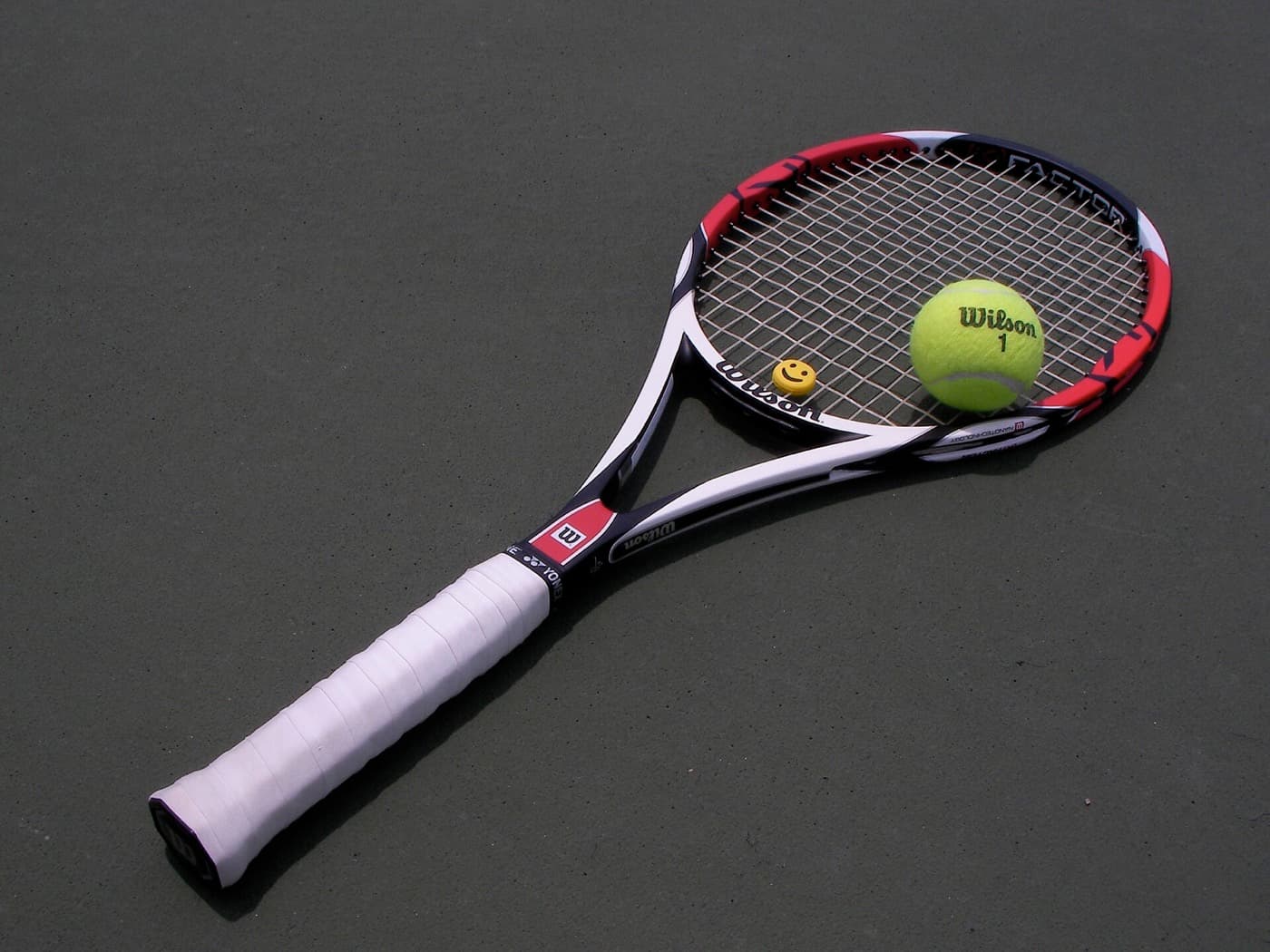
Tennis
A singles or doubles racquet sport that blends agility, strategy and stamina on court.

Football
The world’s most popular team sport — endless running, teamwork and community in one game.

Basketball
A fast, dynamic team sport of running, jumping and quick decisions on court.

Swimming
A full-body, low-impact endurance sport suitable for almost every age and ability.
Explore across the knowledge base
Follow the threads that connect Feedback to the rest of SocialSportHub.
Beginner guides
- How to Prepare for Your First SessionA calm, practical walkthrough of getting ready for your very first session of any sport — arriving prepared, easing the nerves, and setting one small, realistic aim.
- How to Talk to a Coach or Instructor as a BeginnerA friendly guide to introducing yourself as new, saying what you want from a session, and asking the questions that help a good coach adapt to you.
- Playing Alone or With Others: Which to Start WithA friendly, honest look at the trade-offs of starting a sport on your own versus alongside other people — and why, for most sports, you don't really have to pick just one.
- How to Use a Learning CurriculumA learning curriculum is a plain, ordered map of what to learn in a sport and in roughly what order — here is how to use one to steer your own practice and sessions without turning it into a deadline.
- Beginner Sports Terminology: Making Sense of the WordsEvery sport comes with its own vocabulary, and this guide shows you how to stay relaxed about the words you don't know yet, lean on the glossary, and pick up the language naturally as you go.
Sports communication
- Coach-to-player feedbackHow a coach shares usable information with a player about what they did and what to try next — usually specific, well timed and focused on one thing at a time.
- Player-to-coach communicationHow a player shares information back to a coach — questions, how something felt, or a heads-up about availability — so coaching becomes a two-way exchange.
Experience levels
Practice & sessions
Go deeper with Feedback
Everywhere else on the platform that covers Feedback — assembled from what actually references it, so nothing here is a dead end.
Take it away
Open data and the whole-platform view of this subject.
How this page is maintained
- Content type
- Term
- Provenance
- Tier A — evergreen educational
- Verified external sources
- 0
- Content updated
- 2026-09-01
Evergreen, first-party explanation — it makes no claim that needs an external source. How we handle sources and reviews.