
Elite
The highest level of performance — a full, individualised, professionally supported pursuit far beyond what a general guide can direct.
Overview
Elite performance sits at the very top of a sport, where training is a central commitment supported by a team of professionals — coaches, and often physiotherapists, physiologists and others. At this level, preparation is highly individualised and finely managed, and the difference between good and great lives in details that only expert, personalised guidance can address.
For that reason, this page describes what the elite stage is rather than how to train for it: the specifics are far beyond what any general resource can responsibly direct. Anyone operating at or aiming for this level should work with qualified coaches and professionals who know them and their sport. What is broadly true is that the fundamentals never stop mattering — even at the top, consistency, recovery and smart planning remain the foundation.
What this stage looks like
- Elite sport is a central commitment backed by a team of professionals.
- Preparation is highly individualised and finely managed.
- The decisive details need expert, personalised guidance.
- Even at the top, fundamentals — consistency, recovery, planning — still rule.
Getting started
- 1Work with qualified coaches and professionals who know you and your sport.
- 2Treat preparation as individualised — general plans do not apply here.
- 3Keep the fundamentals of consistency and recovery central.
- 4Rely on expert guidance for the specifics rather than general resources.
Sports that suit this stage
Great places to start — each with a clear, beginner-friendly guide.
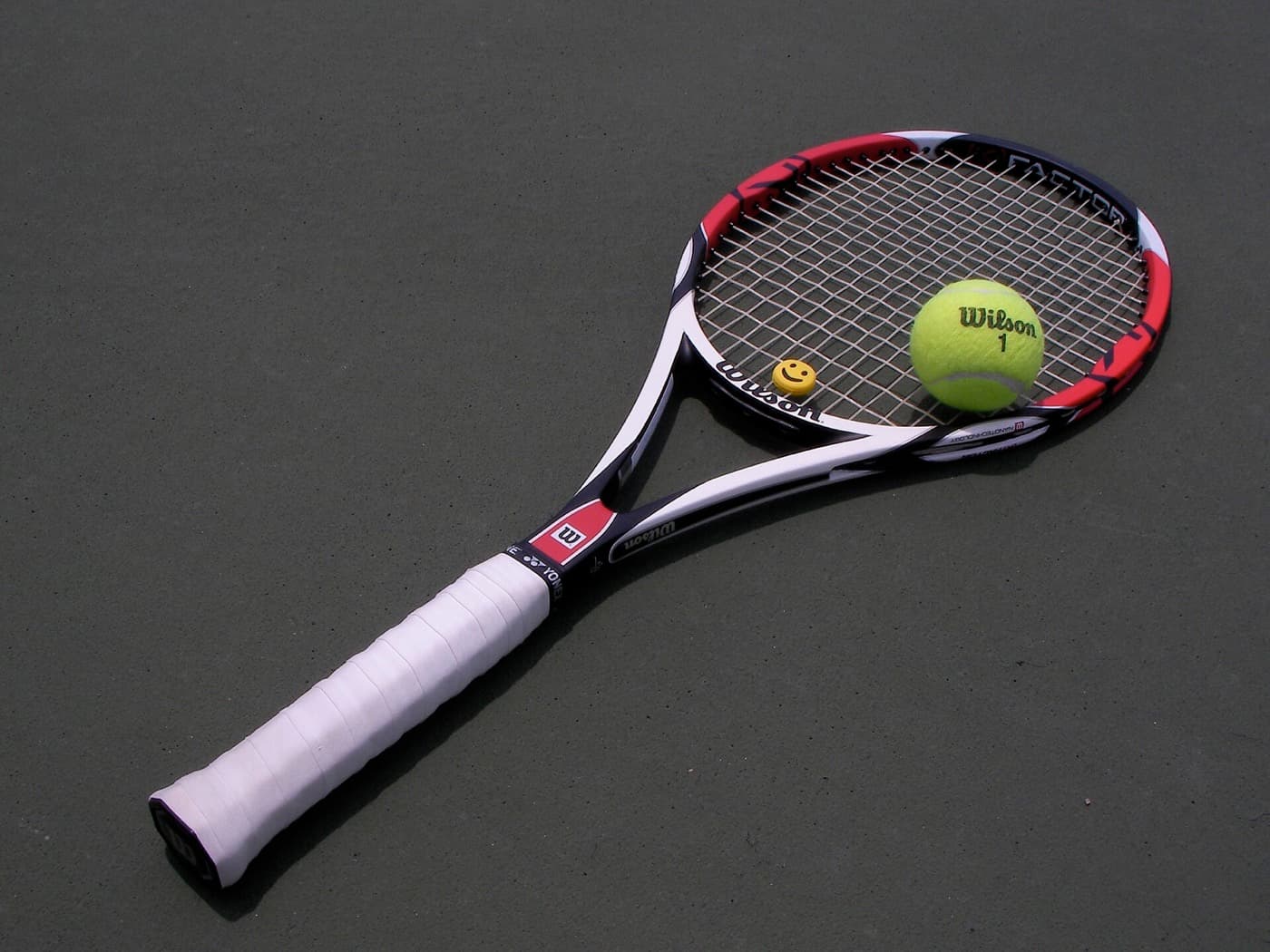
Tennis
A singles or doubles racquet sport that blends agility, strategy and stamina on court.
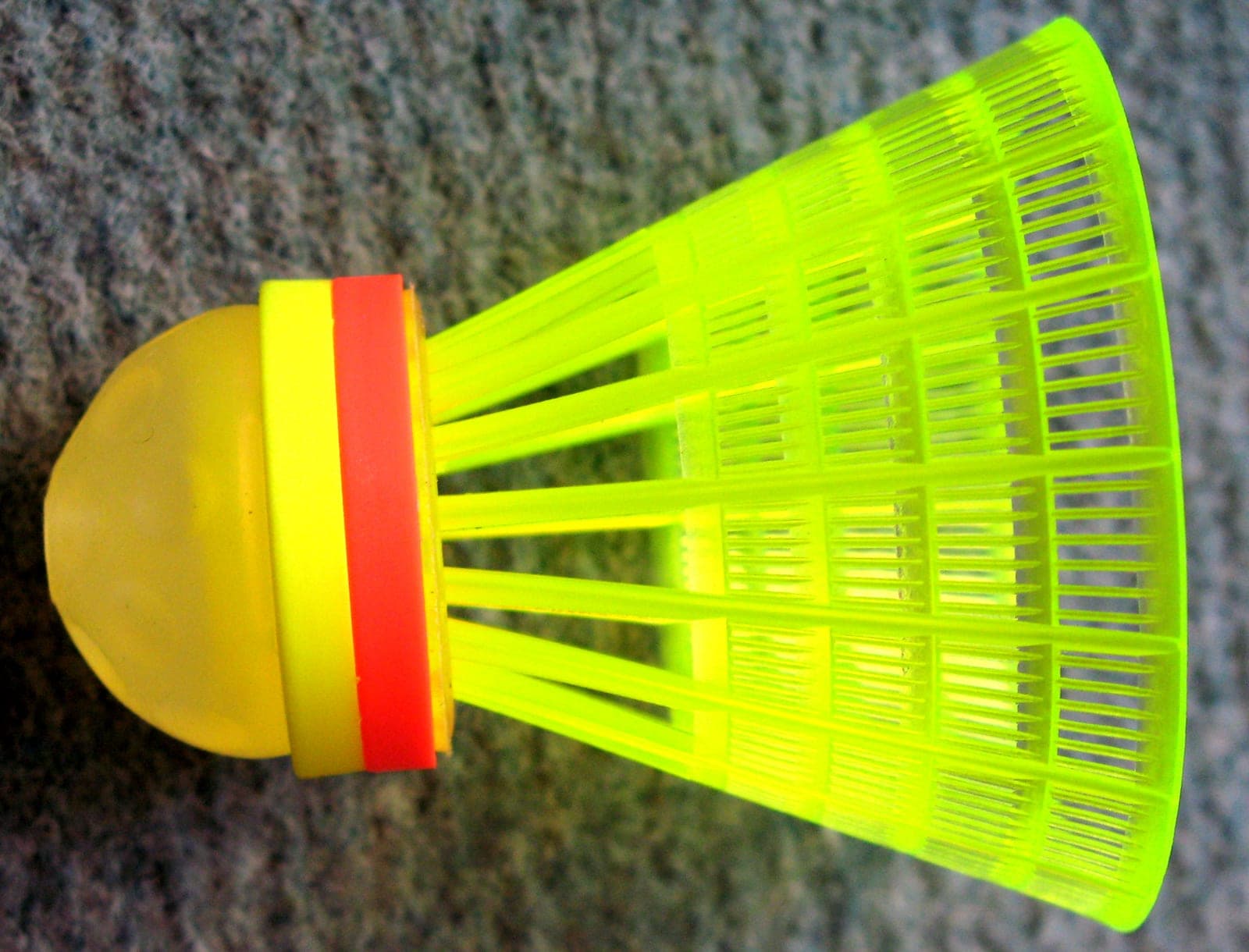
Badminton
A fast indoor racquet sport played with a shuttlecock that rewards agility and touch.
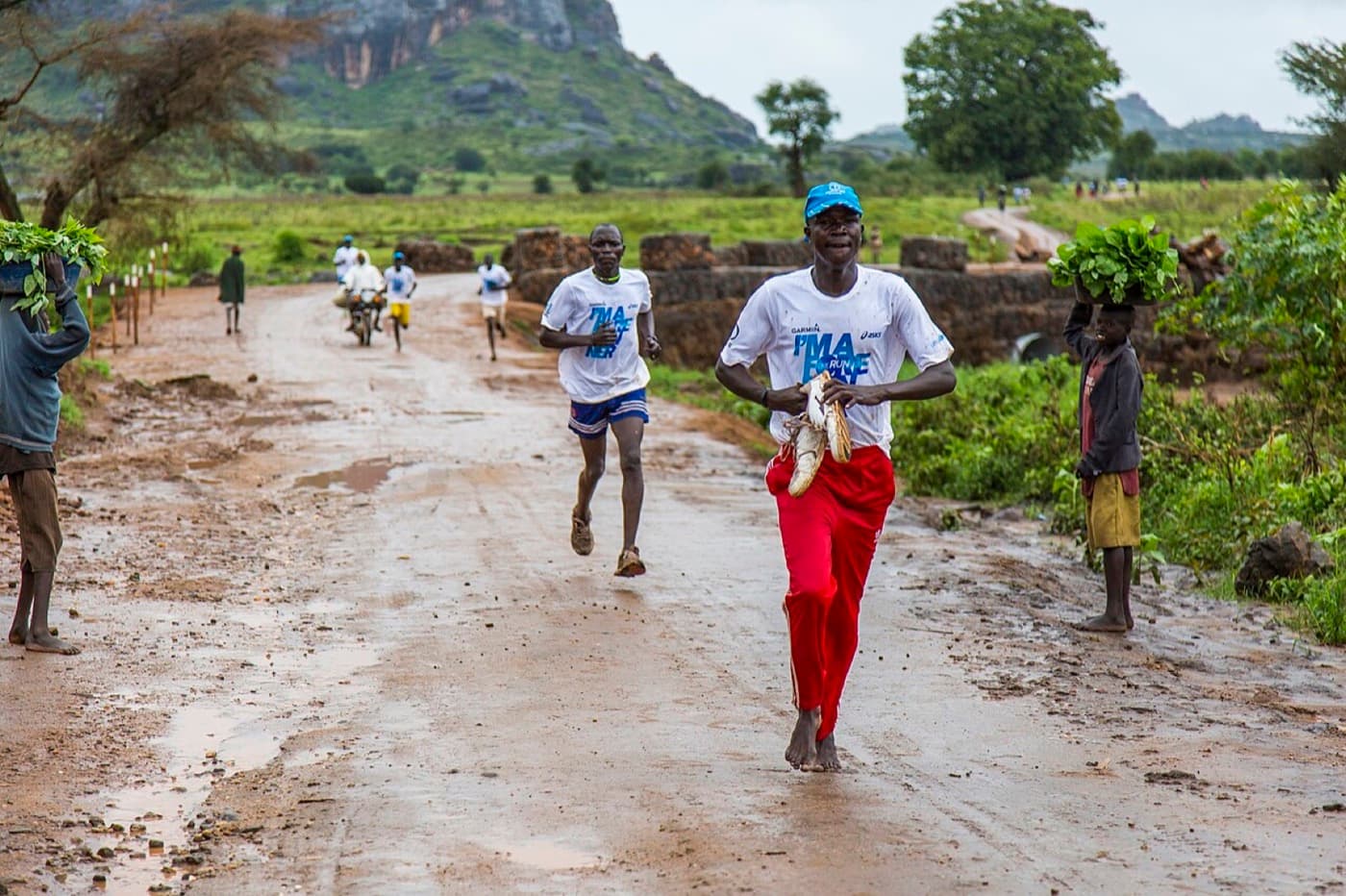
Running
The most accessible endurance sport — no venue, just shoes and the open road or trail.
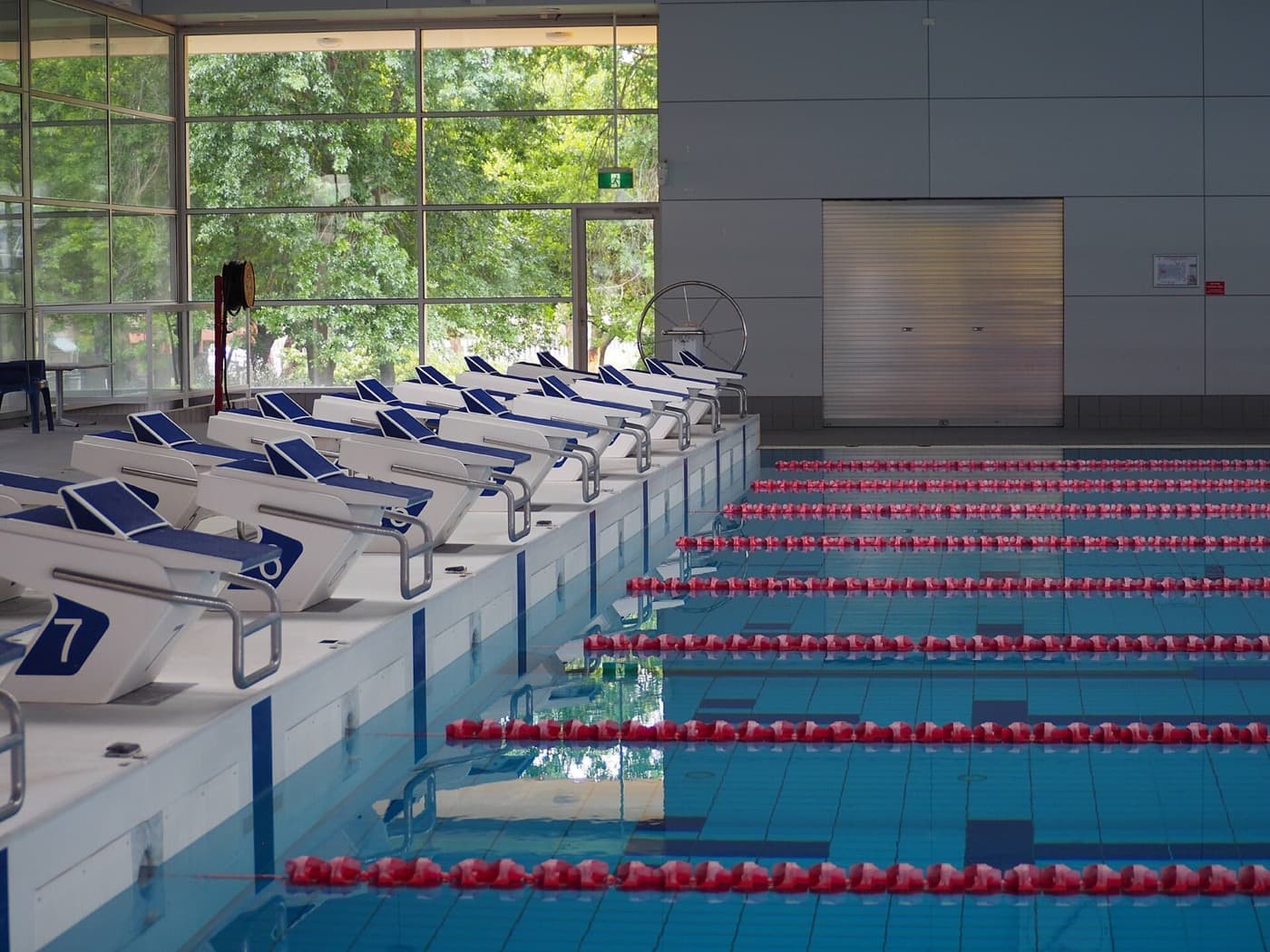
Swimming
A full-body, low-impact endurance sport suitable for almost every age and ability.
Cycling
A low-impact endurance sport that doubles as transport, exercise and adventure.
Goals that fit
Improve reaction speed
Respond faster to what you see, hear and feel by training with fast, unpredictable activities and drills.
Improve fitness
Build well-rounded fitness — stamina, strength and more — through regular, varied activity you can keep up.
Discipline
Build consistency, focus and self-discipline through the routines that sport and training encourage.
Ways to train
Exercises and methods that fit — educational, not a prescription.
Jump squat
An explosive squat variation where you spring off the floor at the top of the movement.
Deadlift
A hinge movement where you lift a weight from the floor by driving your hips forward to stand tall.
Hip thrust
A loaded hip-extension exercise with your upper back on a bench and a weight across the hips.
Kettlebell swing
A dynamic hinge where you swing a kettlebell to shoulder height using a snap of the hips.
Bench press
A pressing exercise lying on a bench, lowering a weight to the chest and pushing it back up.
Overhead press
A standing press that drives a weight from the shoulders to overhead until the arms lock out.
Frequently asked questions
How do elite athletes train?
Elite preparation is highly individualised and supported by a team of professionals, so the specifics are well beyond what a general guide can responsibly direct. What holds true at every level is that fundamentals — consistency, recovery and smart planning — remain the foundation, guided by qualified experts who know the athlete and the sport.
Explore across the knowledge base
Follow the threads that connect Elite to the rest of SocialSportHub.
People
Training methods
- PeriodisationPeriodisation is the practice of organising training into phases across weeks and months, varying the focus so you build steadily and peak at the right time.
- Flexibility TrainingFlexibility training uses stretching to gradually improve how far your muscles and joints can comfortably lengthen and move.
Training plans
- Three-Day Split ExampleA general example of a simple three-day training split that divides the week into a few focused sessions with rest built in between.
- Beginner Full-Body WeekA general example of a simple full-body week that spreads a push, a pull, a lower-body movement and some core evenly across three unhurried sessions.
How this page is maintained
- Content type
- Your stage
- Provenance
- Tier A — evergreen educational
- Verified external sources
- 0
- Content updated
- 2026-07-09
Evergreen, first-party explanation — it makes no claim that needs an external source. How we handle sources and reviews.