
Children
How sport can fit into a child’s life through play, variety and supported, age-appropriate movement.
Overview
For children, sport is mostly about play, learning to move and having fun with others. Early years are a good time to build broad, general movement skills — running, jumping, throwing, catching, balancing — rather than to specialise in one sport. Variety keeps things interesting and helps children discover what they enjoy.
The goal at this stage is a positive, pressure-free relationship with being active. Choose activities that match the child’s age and interests, keep sessions playful, and let a coach, teacher or parent provide supervision. If there are any health concerns, check with a qualified professional first.
What works
- Play and fun matter more than performance or winning.
- A wide variety of activities builds broad movement skills.
- Age-appropriate, supervised sessions keep sport safe and enjoyable.
- Encouragement and choice help a lasting habit form.
A note on this guidance
Getting started
- 1Pick a couple of playful activities the child is curious about, with adult or coach supervision.
- 2Look for local clubs, school programmes or family sessions run by qualified people.
- 3Keep early sessions short, fun and low-pressure rather than competitive.
- 4Check with a professional first if there are any health concerns.
Sports that fit
Great places to start — each with a clear, beginner-friendly guide.
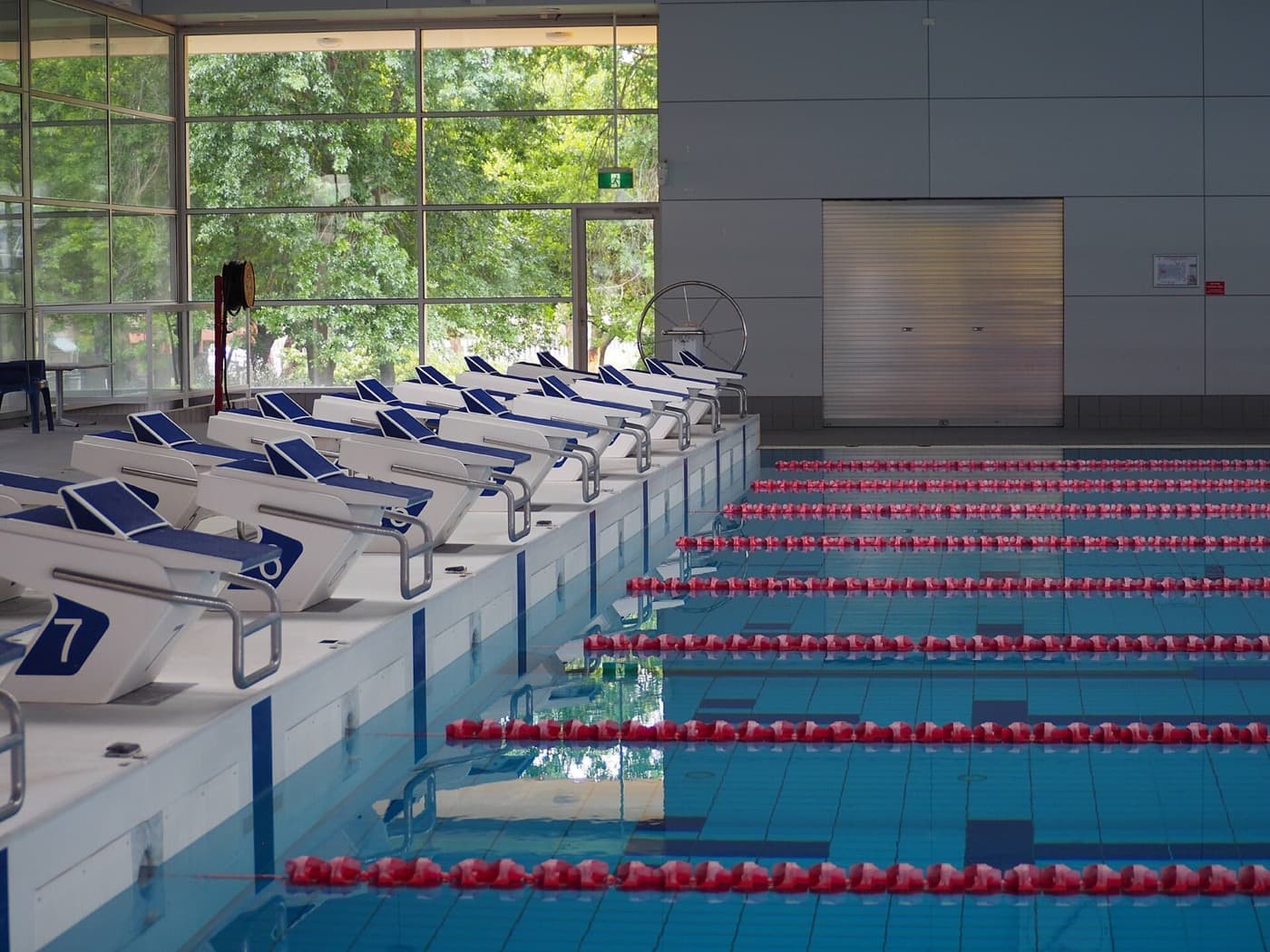
Swimming
A full-body, low-impact endurance sport suitable for almost every age and ability.
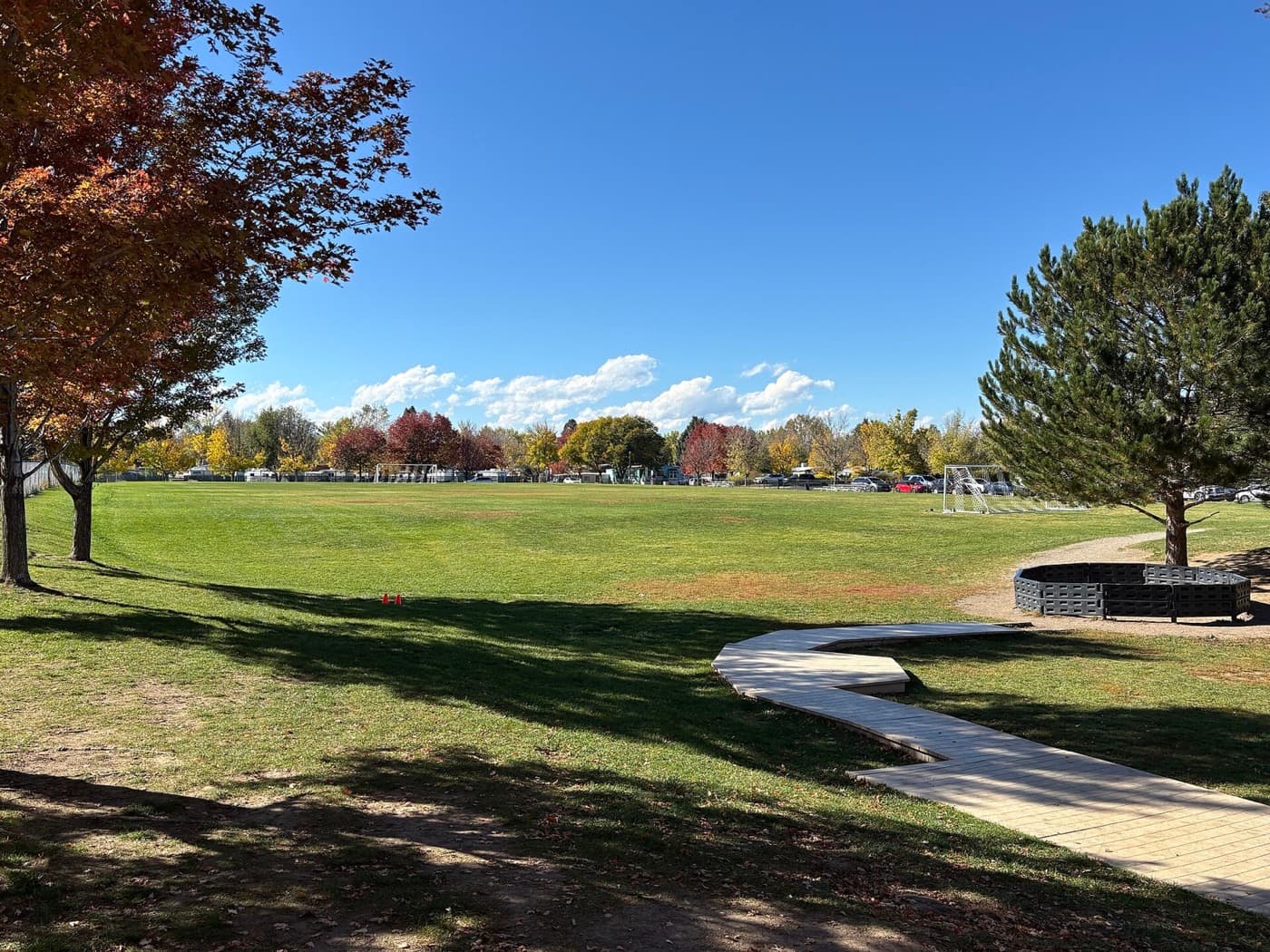
Football
The world’s most popular team sport — endless running, teamwork and community in one game.
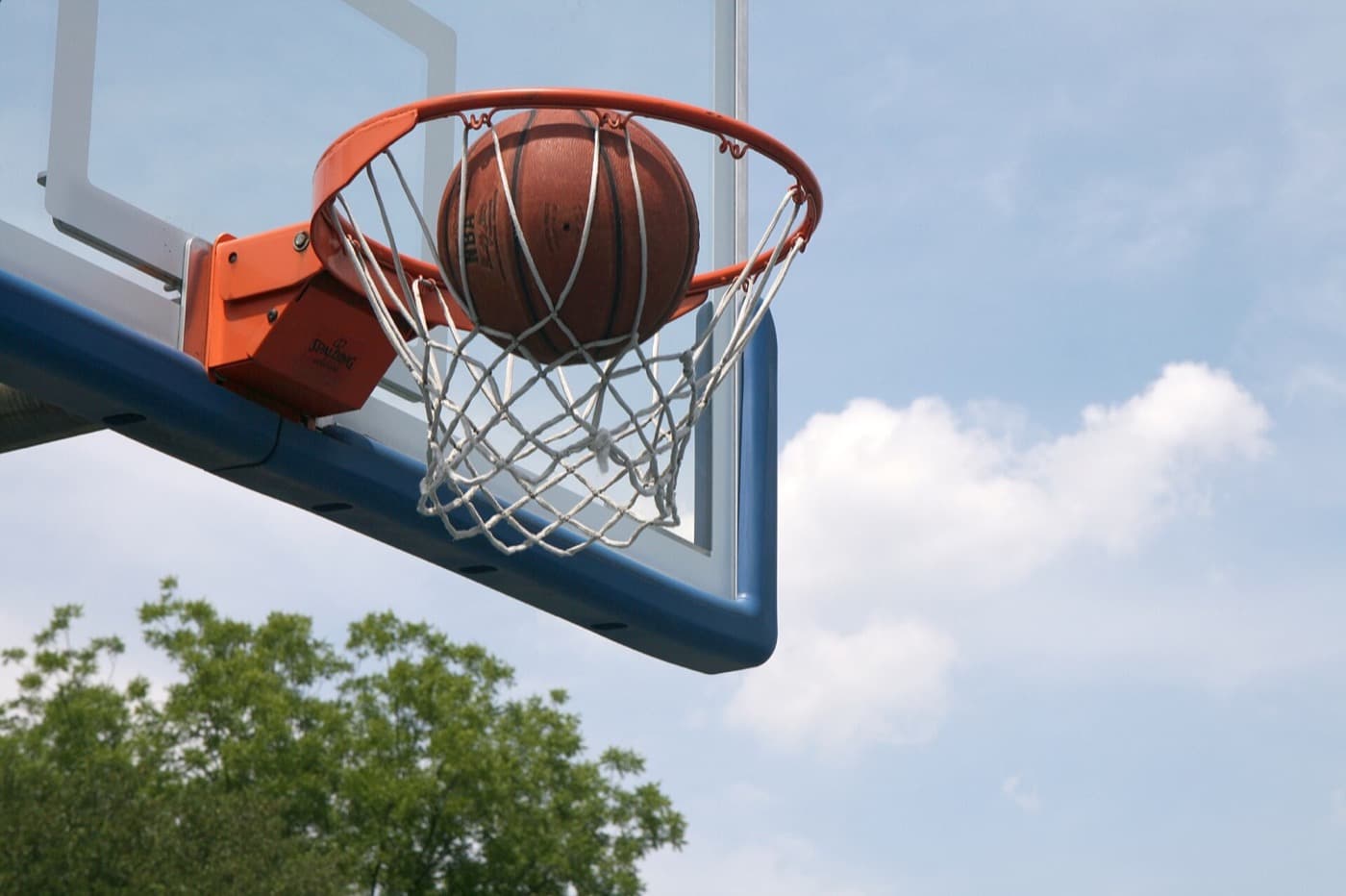
Basketball
A fast, dynamic team sport of running, jumping and quick decisions on court.
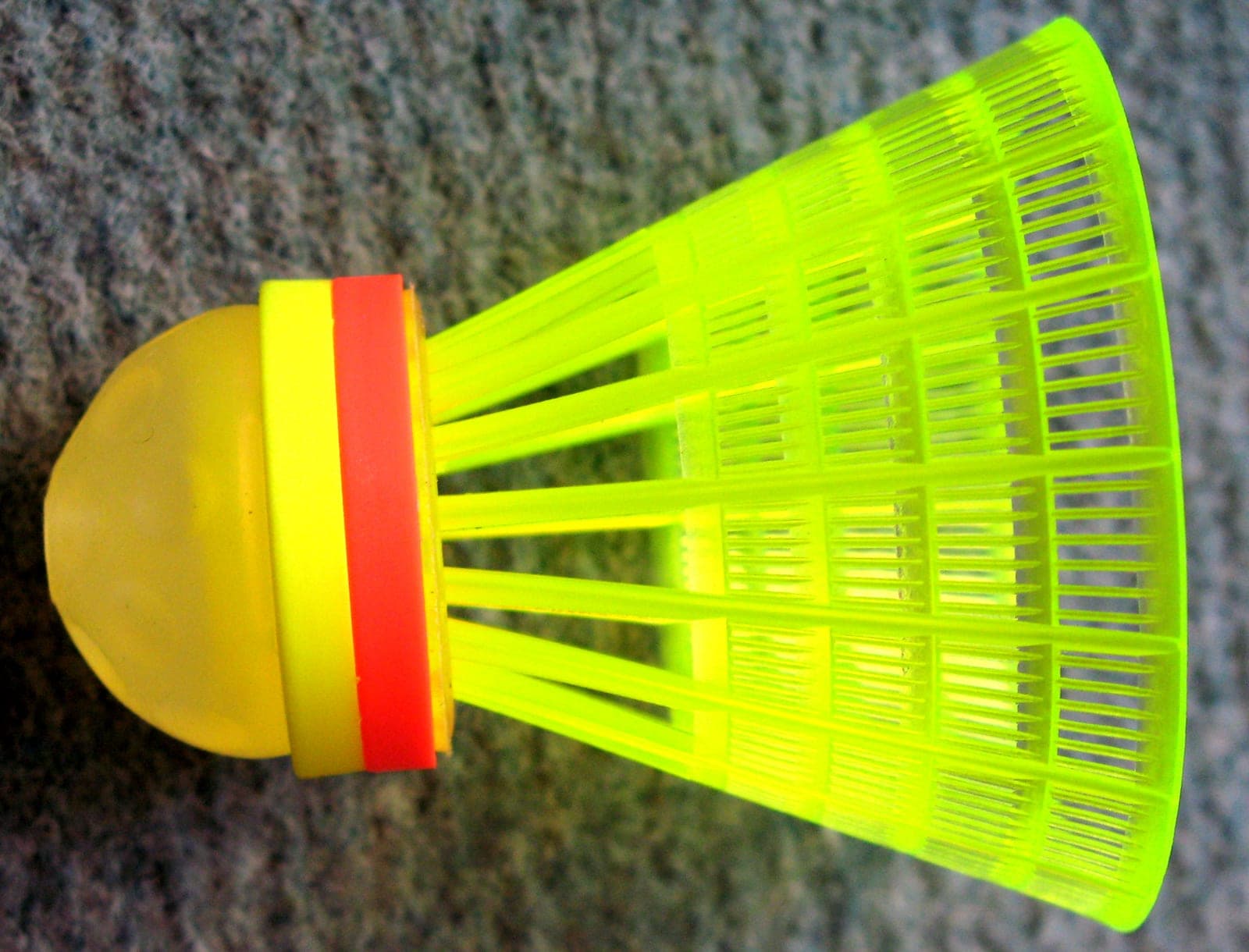
Badminton
A fast indoor racquet sport played with a shuttlecock that rewards agility and touch.
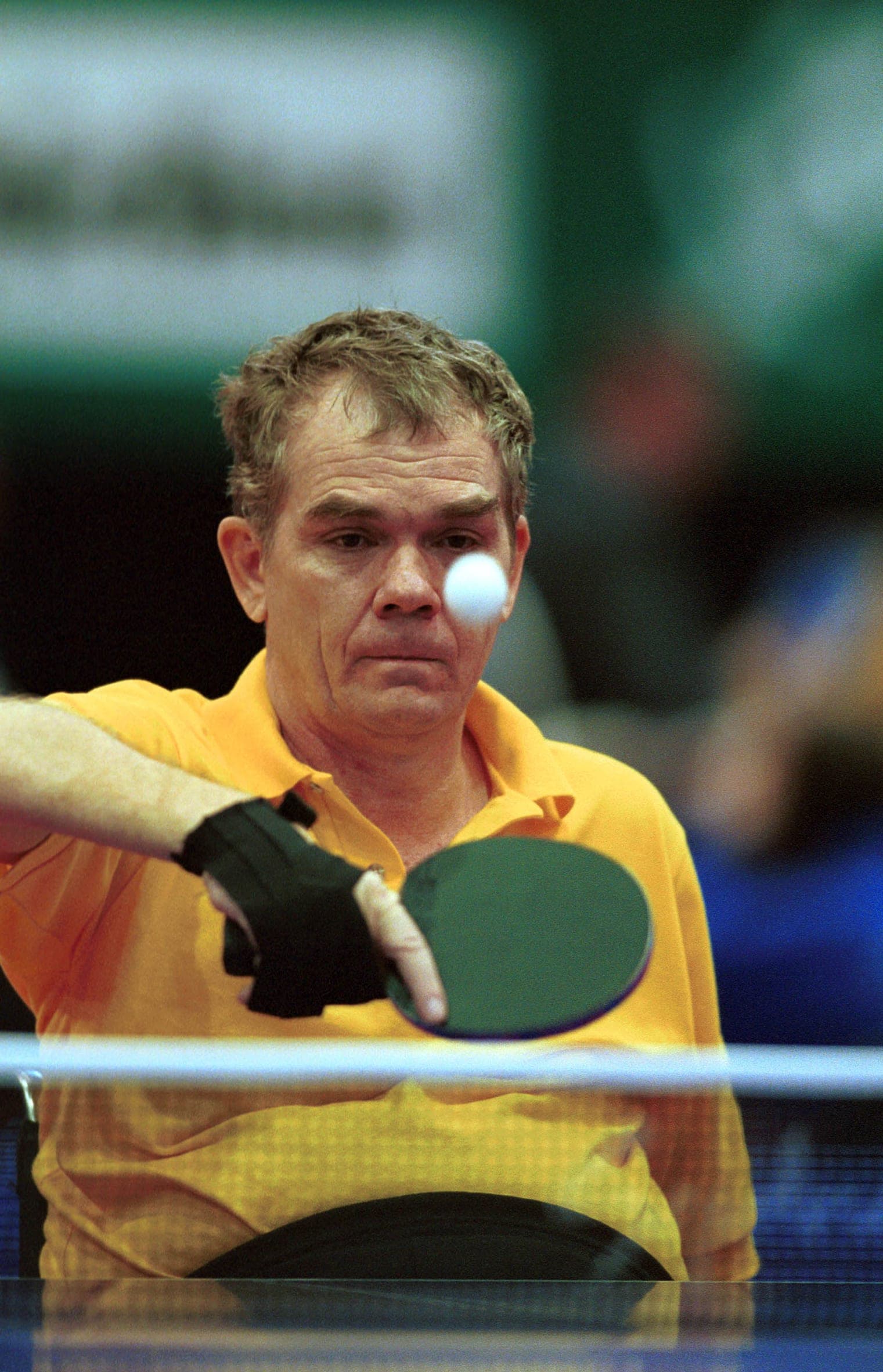
Table Tennis
A fast, low-impact indoor racquet sport that sharpens reflexes and is easy to start.

Ice Skating
A graceful winter activity of gliding across ice on skates, from casual laps to disciplined skating.
Goals that fit
Sports for children
Age-appropriate, fun ways for children to be active, with guidance and supervision where sensible.
Improve coordination
Sharpen how smoothly your body works together — like tracking and hitting a ball — through skill practice.
Build confidence
Use sport and steady progress to feel more capable, comfortable and self-assured over time.
Family activities
Find sports and games that people of different ages can enjoy together, with something for everyone.
Build an active lifestyle
Make movement a natural, lasting part of daily life through activities and habits you genuinely enjoy.
Teamwork
Develop cooperation, communication and trust by playing sports that rely on working together.
Ways to train
Exercises and methods that fit — educational, not a prescription.
Jump squat
An explosive squat variation where you spring off the floor at the top of the movement.
Lunge
A single-leg movement where you step forward and bend both knees to lower your body.
Bulgarian split squat
A single-leg squat where the back foot is raised on a bench behind you.
Hip hinge
The foundational bending-at-the-hips pattern that underpins deadlifts, swings and picking things up.
Kettlebell swing
A dynamic hinge where you swing a kettlebell to shoulder height using a snap of the hips.
Band pull-apart
A simple pulling exercise where you stretch a resistance band across your chest to work the upper back.
Frequently asked questions
What sports are good for young children?
Playful, skill-based activities such as swimming, ball games and games that involve running, jumping and balancing tend to suit young children. Variety is more useful than early specialisation, and sessions should be supervised and age-appropriate.
Should children specialise in one sport early?
Most guidance encourages broad, varied movement in the early years rather than focusing on a single sport. Trying different activities helps children build general skills and find what they enjoy. Speak with a coach or professional for advice on a specific child.
How do I keep sport fun for a child?
Emphasise play, choice and encouragement over results, keep sessions short and positive, and let the child help pick the activity. Avoid pressure to win, and check with a professional if there are any health concerns.
Explore across the knowledge base
Follow the threads that connect Children to the rest of SocialSportHub.
Motivations
- To spend time as a familyWhen the aim is shared time, activities the whole family can do together turn being active into a way to connect across ages.
- To stay healthyWhen health is the driver, regular, sustainable activity across fitness, strength and mobility supports an active life for the long term.
Healthy living
Recommendations
- Recommended for “Sports for children”Sports, qualities, a learning path and first steps for “Sports for children” — every suggestion a real graph link, shown with its reason.
- Recommended for “Healthy aging”Sports, qualities, a learning path and first steps for “Healthy aging” — every suggestion a real graph link, shown with its reason.
- Recommended for “Sports for teenagers”Sports, qualities, a learning path and first steps for “Sports for teenagers” — every suggestion a real graph link, shown with its reason.
How this page is maintained
- Content type
- For people like you
- Provenance
- Tier A — evergreen educational
- Verified external sources
- 0
- Content updated
- 2026-07-09
Evergreen, first-party explanation — it makes no claim that needs an external source. How we handle sources and reviews.