
Motor learning
The process by which practice and experience produce lasting improvements in how well a movement skill can be performed.
Overview
Motor learning is the study of how movement skills are acquired and refined through practice and experience. It describes the relatively lasting changes that let someone perform a skill more smoothly, accurately and automatically over time — the difference between a first, effortful attempt at a serve and one that eventually feels almost second nature.
A widely taught idea is that learning passes through broad stages: early on a movement is deliberate and thought-through, then it becomes more consistent with practice, and eventually it can be performed with little conscious attention. How quickly this happens varies from person to person, and the details of anyone's own practice are best guided by a qualified coach or professional.
The science
- Motor learning is the lasting improvement in a skill that comes from practice, not just a temporary good day.
- A common model describes learning as moving from effortful and deliberate to smooth and largely automatic.
- Feedback — from a coach, or from the result itself — helps refine a movement over repeated attempts.
- The quality and variety of practice tend to matter more than sheer repetition alone.
- How fast someone learns varies with the person, the skill and how it is practised.
Stages of learning a skill
Fitts & Posner’s three-stage model
- 1
Cognitive
Understanding the task; movements are effortful, inconsistent and full of thinking.
- 2
Associative
Refining through practice; errors reduce and movements grow more consistent.
- 3
Autonomous
The skill runs largely automatically, freeing attention for tactics and context.
How practice is structured
From blocked repetition to game-like variability
- 1
Blocked
The same thing many times in a row. Builds the basic pattern, and feels productive because performance climbs quickly.
- 2
Variable
The same skill with the conditions changed — distance, angle, speed, target.
- 3
Random
Skills interleaved rather than grouped, so each repetition has to be set up afresh.
- 4
Game-like
The skill inside a situation that supplies the cues and the pressure it will meet in play.
Why it matters
- It explains why skills are broken down, practised and gradually rebuilt in coaching.
- It underpins why varied, purposeful practice tends to stick better than mindless repetition.
- It connects the coordination, agility and balance that skilled movement relies on.
Educational only
Where it shows up
Sports where this concept is especially visible — each with a clear guide.
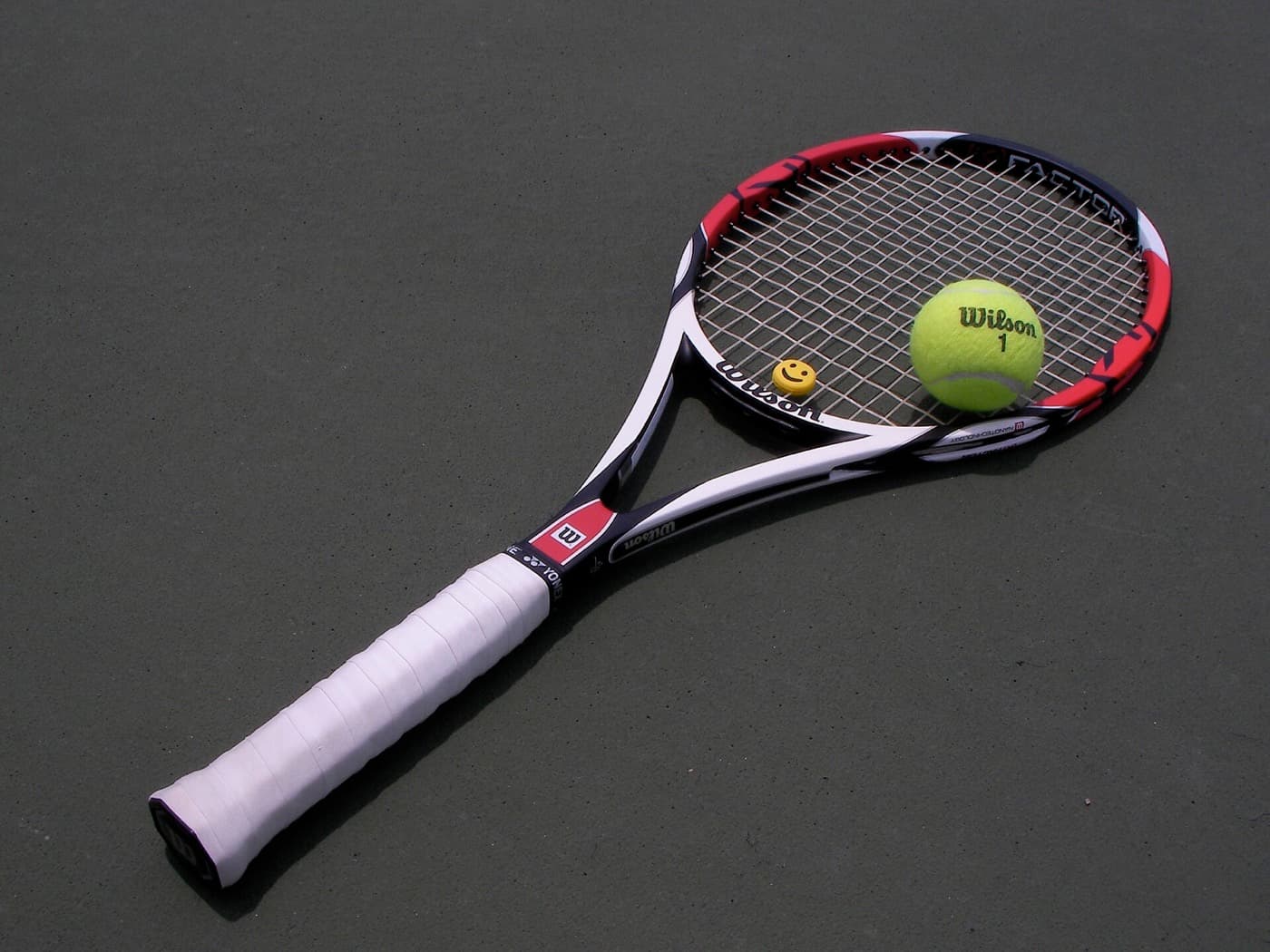
Tennis
A singles or doubles racquet sport that blends agility, strategy and stamina on court.
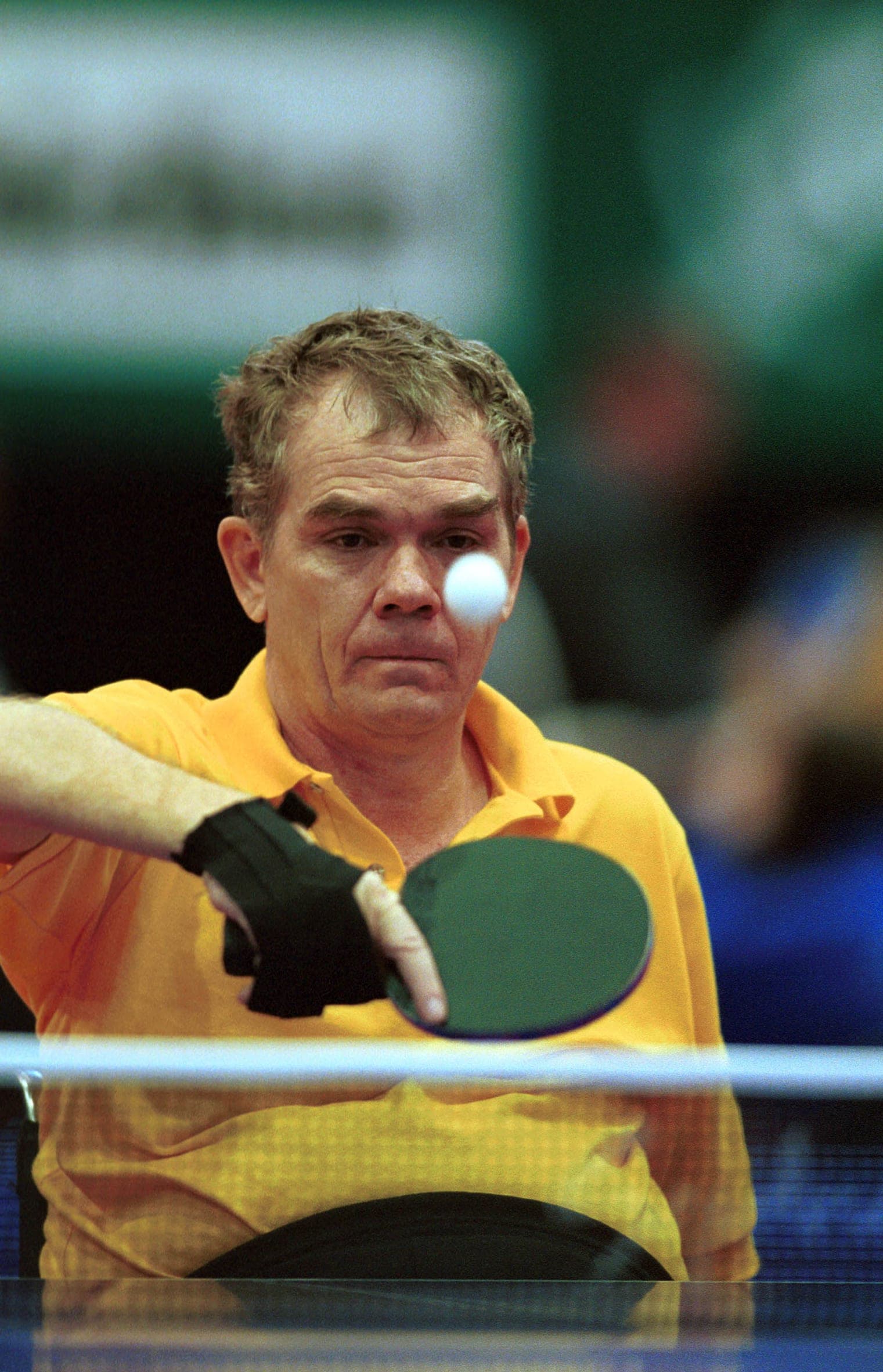
Table Tennis
A fast, low-impact indoor racquet sport that sharpens reflexes and is easy to start.
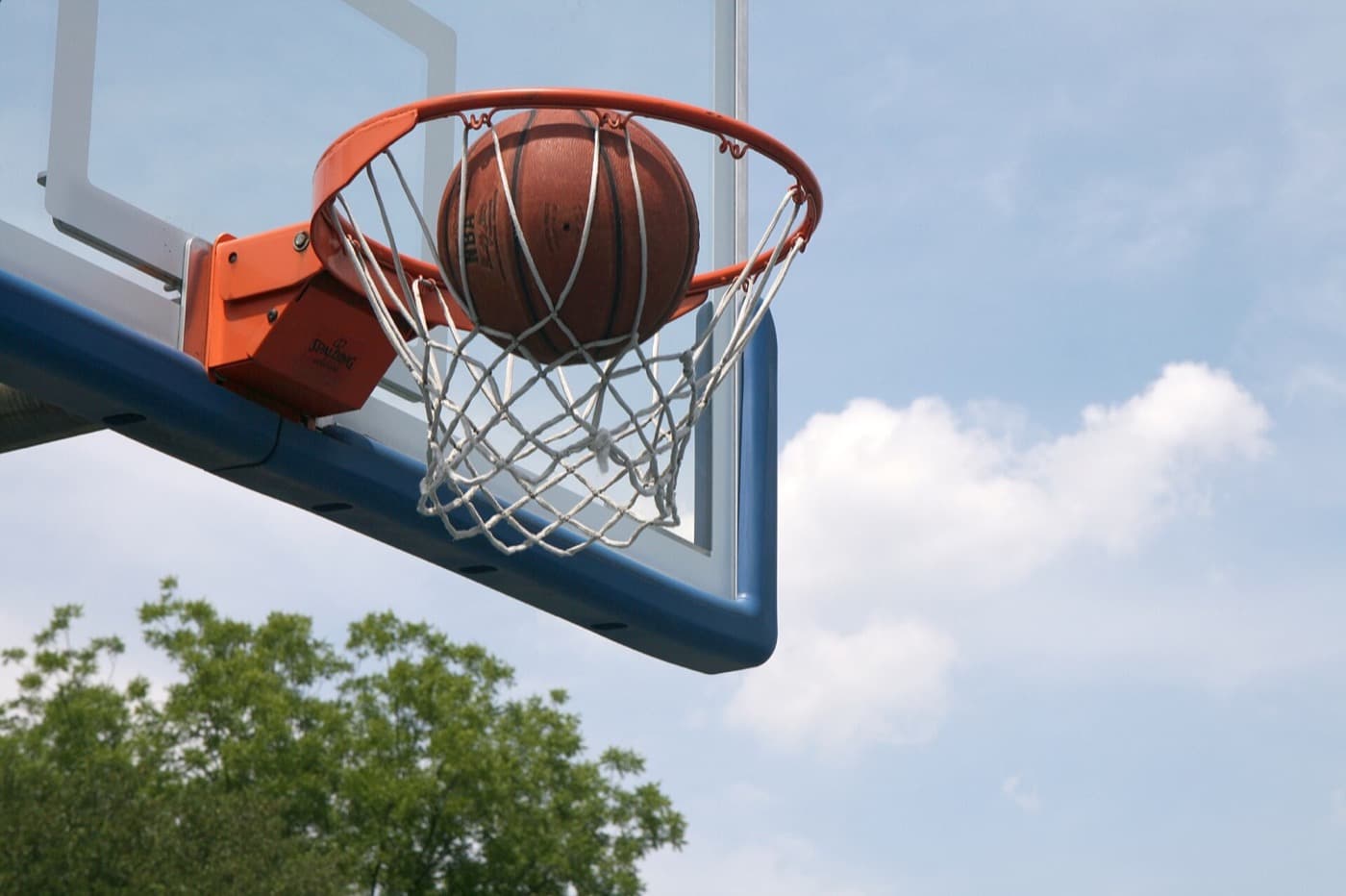
Basketball
A fast, dynamic team sport of running, jumping and quick decisions on court.
Frequently asked questions
What is motor learning?
Motor learning is the process by which practice and experience produce lasting improvements in how well a movement skill can be performed. It is commonly described as moving from effortful, thought-through movement toward smoother, more automatic action. How quickly it happens varies, and personal practice is best guided by a qualified coach.
How it connects
The meaning-bearing relationships that place Motor learning in the wider knowledge graph — each one with the reason it exists.
Explains
Covers the underlying "why" for these.
Explore across the knowledge base
Follow the threads that connect Motor learning to the rest of SocialSportHub.
Coaching concepts
- Skill acquisitionHow a movement or sports skill is learned — progressing from conscious, effortful control to smooth, largely automatic execution through practice and feedback.
- Deliberate PracticeFocused, effortful practice that targets a specific weakness with full attention and immediate feedback — not just repeating what you already do well.
- Feedback and CueingFeedback from your senses, a coach, or video plus short instructional cues guide skill learning — including internal vs external focus of attention.
- Practice VariabilityVarying practice conditions — spacing, interleaving skills and changing situations — to build adaptable, durable skill, even when it feels harder day to day.
- Repetition QualityThe attention and intent behind each repetition matter more than raw volume — focused, well-executed reps build skill faster than mindless numbers.
Adaptive sports
- Adaptive techniquesThe adjusted skills and movement patterns — a different grip, stroke or stance — that let people play a sport in the way that works for them.
- Adaptive coachingCoaching that adjusts how it teaches — communication, planning and pace — so that people with a disability can learn, improve and enjoy a sport.
Decision making
Knowledge Atlas
Go deeper with Motor learning
Everywhere else on the platform that covers Motor learning — assembled from what actually references it, so nothing here is a dead end.
Question it
Research topics that name this entity among their connections.
Take it away
Open data and the whole-platform view of this subject.
How this page is maintained
- Content type
- Sports science concept
- Provenance
- Tier A — evergreen educational
- Verified external sources
- 0
- Content updated
- 2026-07-09
Evergreen, first-party explanation — it makes no claim that needs an external source. How we handle sources and reviews.