
Decision speed
How quickly a choice is made — the tempo of deciding, and how it trades off against getting the choice right.
Overview
Decision speed is the tempo at which a player arrives at a choice, separate from how well the resulting action is then executed. Two players can face the same situation and reach a decision at very different speeds, and neither pace is automatically better — the useful speed depends on what the moment allows and rewards.
A widely observed idea is that speed and accuracy tend to pull against each other: choosing too quickly can mean acting on incomplete information, while deliberating too long can mean the chance has gone. That balance tends to shift with experience, as familiar situations become quicker to recognise, but there is no universal setting — the right speed is contextual and varies by sport, level and moment.
How it works
- Decision speed is how quickly a choice is made — the tempo of deciding, not the quality of execution.
- Faster is not automatically better: rushing can miss information, and over-deliberating can miss the moment.
- Speed and accuracy tend to trade off, and that balance often shifts with experience of familiar situations.
- It is distinct from time pressure — the clock may be generous while a player still chooses quickly or slowly.
- The right speed is contextual and varies by sport, situation and level rather than following one rule.
In play
- In table tennis, exchanges can demand near-instant choices, so much of the deciding is compressed and pattern-driven.
- In a slow build-up or set-piece in football, there is often room to take an extra beat before committing to a choice.
- As players gain experience, recognising familiar patterns tends to let them choose sooner without necessarily rushing the choice.
Educational — and it varies
Where it shows up
Sports where this decision is especially visible — each with a clear guide.
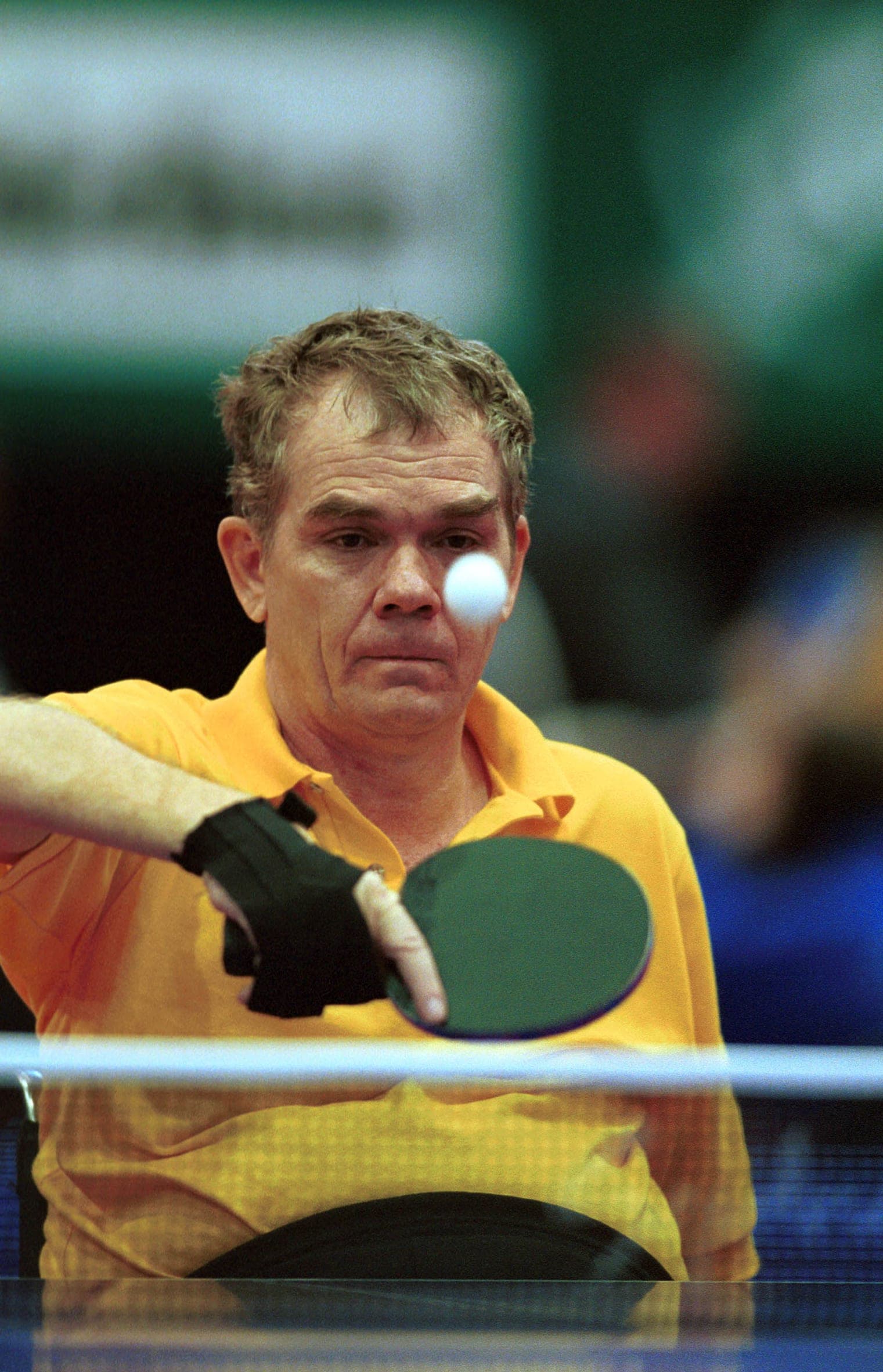
Table Tennis
A fast, low-impact indoor racquet sport that sharpens reflexes and is easy to start.
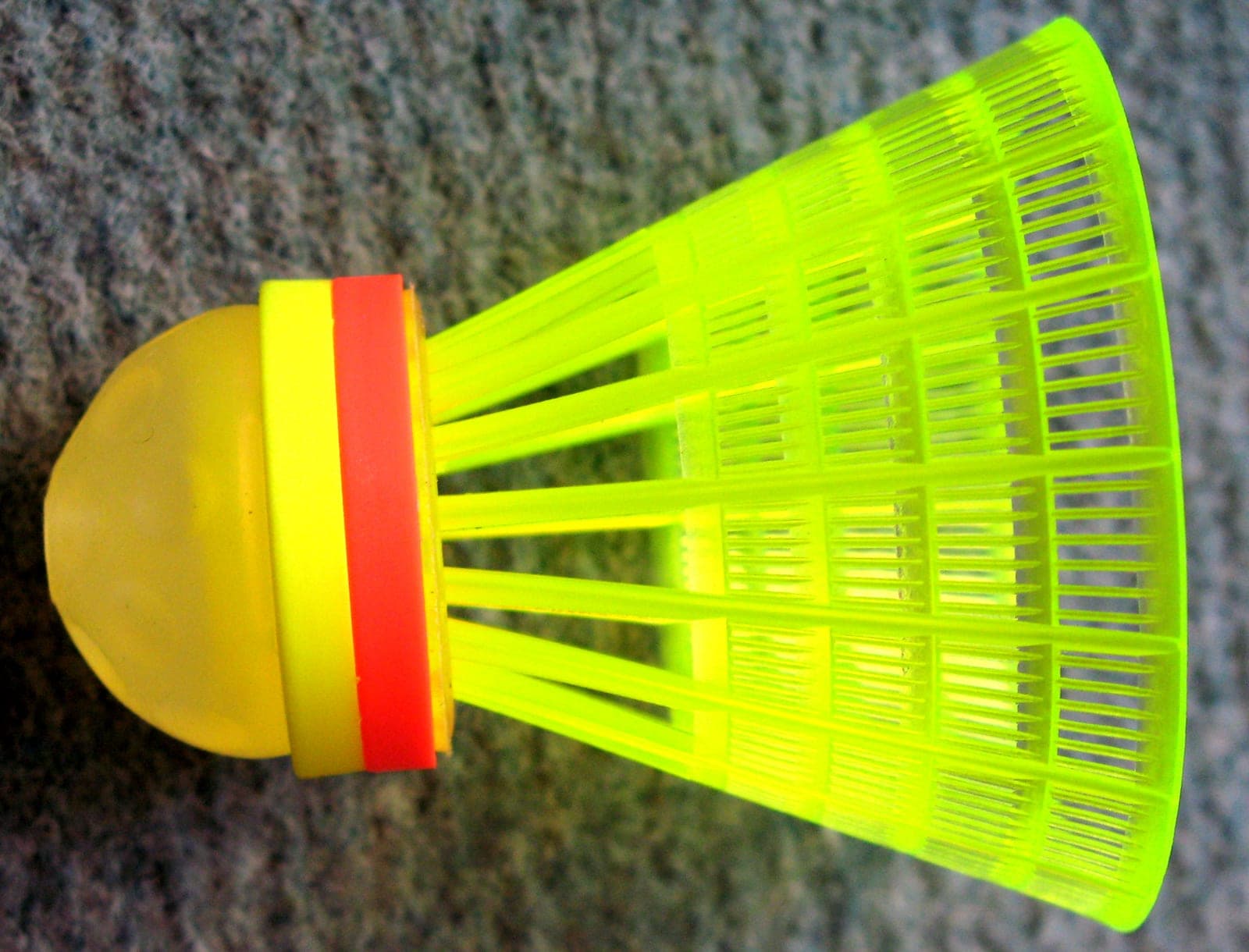
Badminton
A fast indoor racquet sport played with a shuttlecock that rewards agility and touch.

Basketball
A fast, dynamic team sport of running, jumping and quick decisions on court.
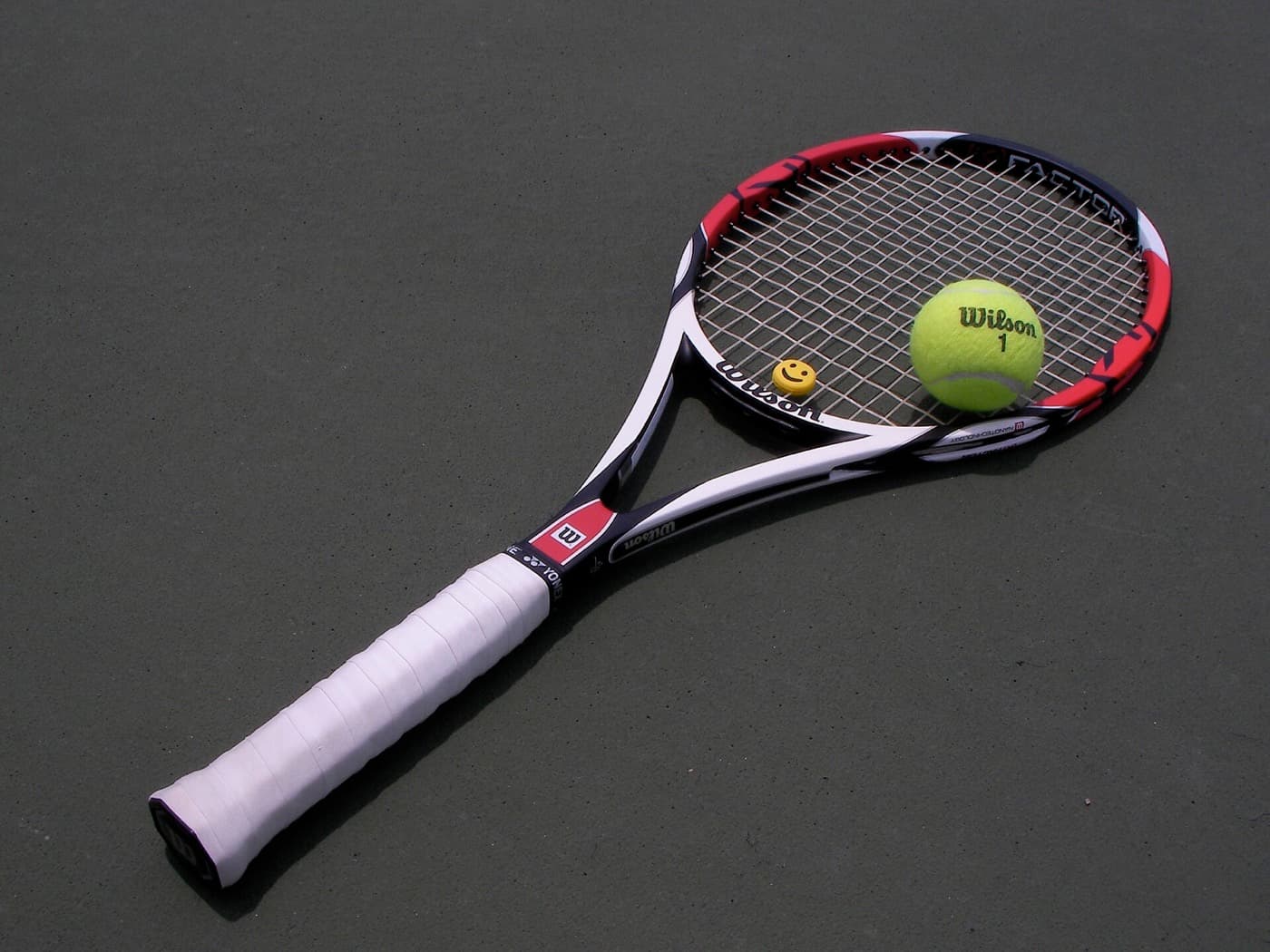
Tennis
A singles or doubles racquet sport that blends agility, strategy and stamina on court.
Frequently asked questions
Does deciding faster make you a better player?
Not on its own. Speed helps in moments that reward a quick call, but choosing well usually matters more, and speed and accuracy tend to trade off against each other. In many sports that balance shifts with experience as familiar patterns become quicker to read, so the useful decision speed is contextual rather than fixed.
Explore across the knowledge base
Follow the threads that connect Decision speed to the rest of SocialSportHub.
Sports science
Knowledge Atlas
Techniques
- Forward and back defenceThe two strokes a batter survives with — the forward defensive and the back defensive — when each is the right choice, and why a defensive stroke is a decision about length rather than intent.
- Ice hockey shootingThe four shots hockey is scored with — wrist shot, snap shot, slap shot and backhand — how each trades power against release time, and why the stick is bent on purpose.
Strategies
- Possession vs Direct PlayThe strategic choice between retaining the ball to build attacks patiently and moving it forward quickly and directly toward the goal.
- Transition PlayTransition play is the strategy of switching quickly between attack and defence the moment possession changes, exploiting the opponent's brief disorganisation.
How this page is maintained
- Content type
- Decision-making concept
- Provenance
- Tier A — evergreen educational
- Verified external sources
- 0
- Content updated
- 2026-07-12
Evergreen, first-party explanation — it makes no claim that needs an external source. How we handle sources and reviews.