
Possession vs Direct Play
The strategic choice between retaining the ball to build attacks patiently and moving it forward quickly and directly toward the goal.
Overview
Possession versus direct play describes a fundamental strategic choice in goal-scoring team sports: whether to keep the ball and advance in controlled stages, or to move it forward quickly toward the opponent's goal with fewer intervening touches. A possession-oriented approach treats keeping the ball as valuable in itself — it slows the game, draws opponents out of shape, and looks to create openings through patient circulation. A direct approach treats forward progress as the priority — it accepts giving the ball up more often in exchange for reaching scoring areas faster, often by attacking the space behind a defence before it can organise. Neither is inherently correct; each trades one advantage for another, and the value of each depends on the situation.
Because it is a strategy rather than a single action, this choice sets the default intention a team carries into a match, while the specific tactics — pressing, counter-attacking, working the ball wide — are the actions that carry it out. Most teams sit somewhere on a spectrum between the two poles and shift along it as circumstances change: the score, the time remaining, the conditions underfoot or overhead, the players available, and the way the opponent sets up all pull a side toward holding the ball or releasing it quickly. Understanding the trade-off helps a team decide when patience is rewarded and when speed is, rather than committing to one style regardless of what the game asks for.
Key ideas
- Possession play prioritises ball retention: short, safe passing, players positioned to offer easy options, and a willingness to move the ball sideways or backwards to keep it. Its aim is to control the tempo, tire opponents who chase, and wait for gaps to appear. The trade-off is slower progress toward goal and the risk of sterile possession — lots of the ball but few genuine chances if the final pass never comes.
- Direct play prioritises forward progress: fewer touches, earlier passes into attacking areas, and attempts to exploit space behind defenders before they recover their shape. It often follows a turnover, when opponents are briefly out of position. The trade-off is a lower share of the ball and more turnovers, since ambitious forward passes are harder to complete than short sideways ones.
- The same choice appears across many team sports under different names. In football it is build-up play versus the long ball; in basketball, a patient half-court set versus a fast break in transition; in rugby, keeping the ball through phases versus kicking for territory; in ice hockey, cycling to retain possession versus dump-and-chase; in handball and water polo, a settled positional attack versus a quick counter.
- Several factors tilt a team toward one end of the spectrum: the strengths of the available players (close control and passing favour possession, while pace and long passing favour directness), the game state (a team protecting a lead may hold the ball, one chasing the game may go more direct), the conditions, opponent fatigue, and how the other side defends — a deep, compact defence can make patient possession hard to break down, while a high defensive line invites balls played in behind.
- Because it is a spectrum rather than a binary, most teams blend both and adjust in real time — building patiently in some phases and striking quickly when a fast opening appears. The strategy sets the default; the moment-to-moment tactics decide when to depart from it. A common aim is to be able to do both competently, so the team is harder to predict and can respond to what each passage of play offers.
Where it’s used
Sports that use possession vs direct play:
Football
The world’s most popular team sport — endless running, teamwork and community in one game.
Futsal
A fast, small-sided indoor form of football played on a hard court with a low-bounce ball.
Basketball
A fast, dynamic team sport of running, jumping and quick decisions on court.
Rugby
A physical team sport of carrying, passing and kicking an oval ball toward the opposing line.
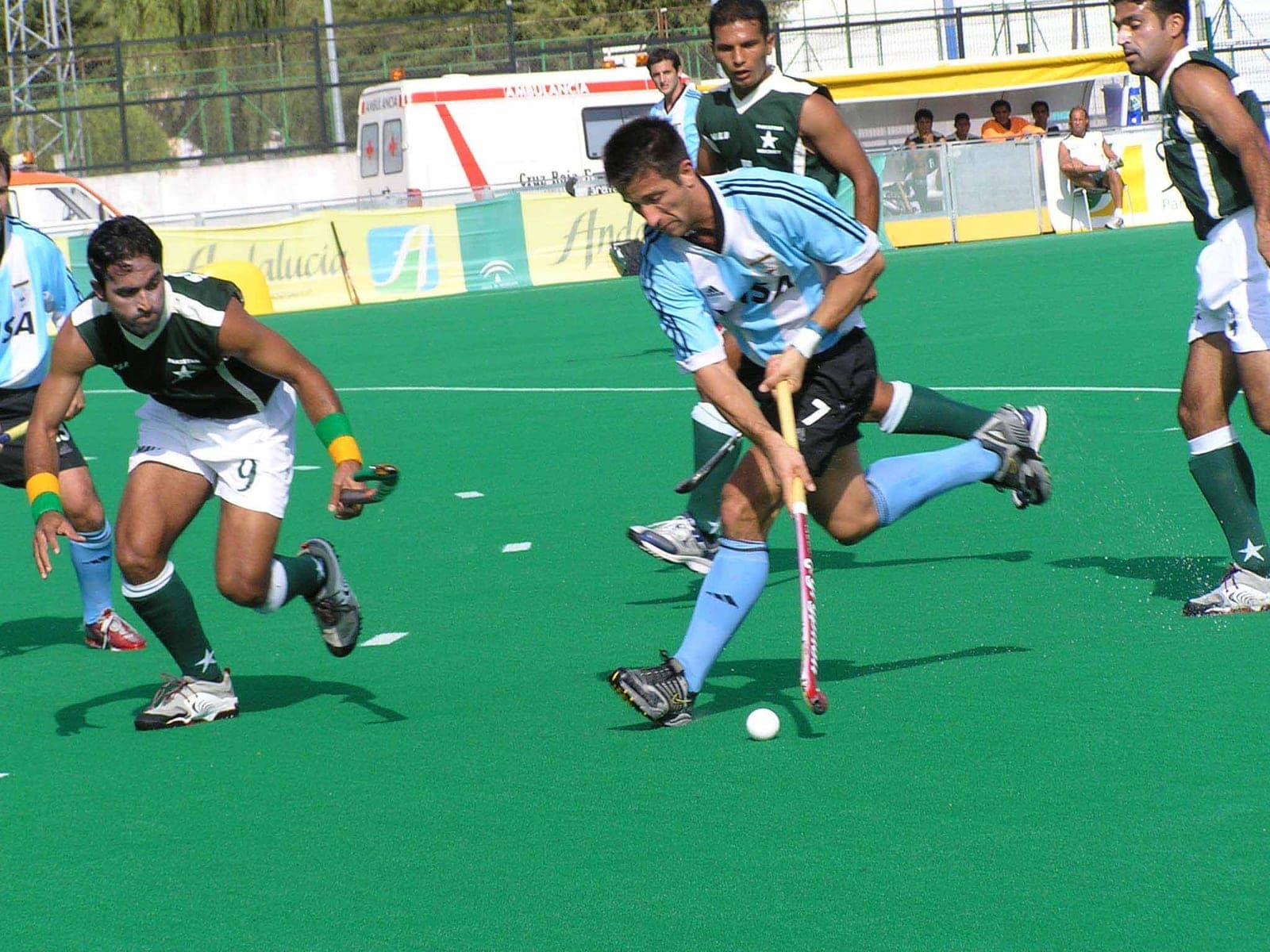
Field Hockey
An outdoor team sport that uses curved sticks to move a ball, built on agility and teamwork.
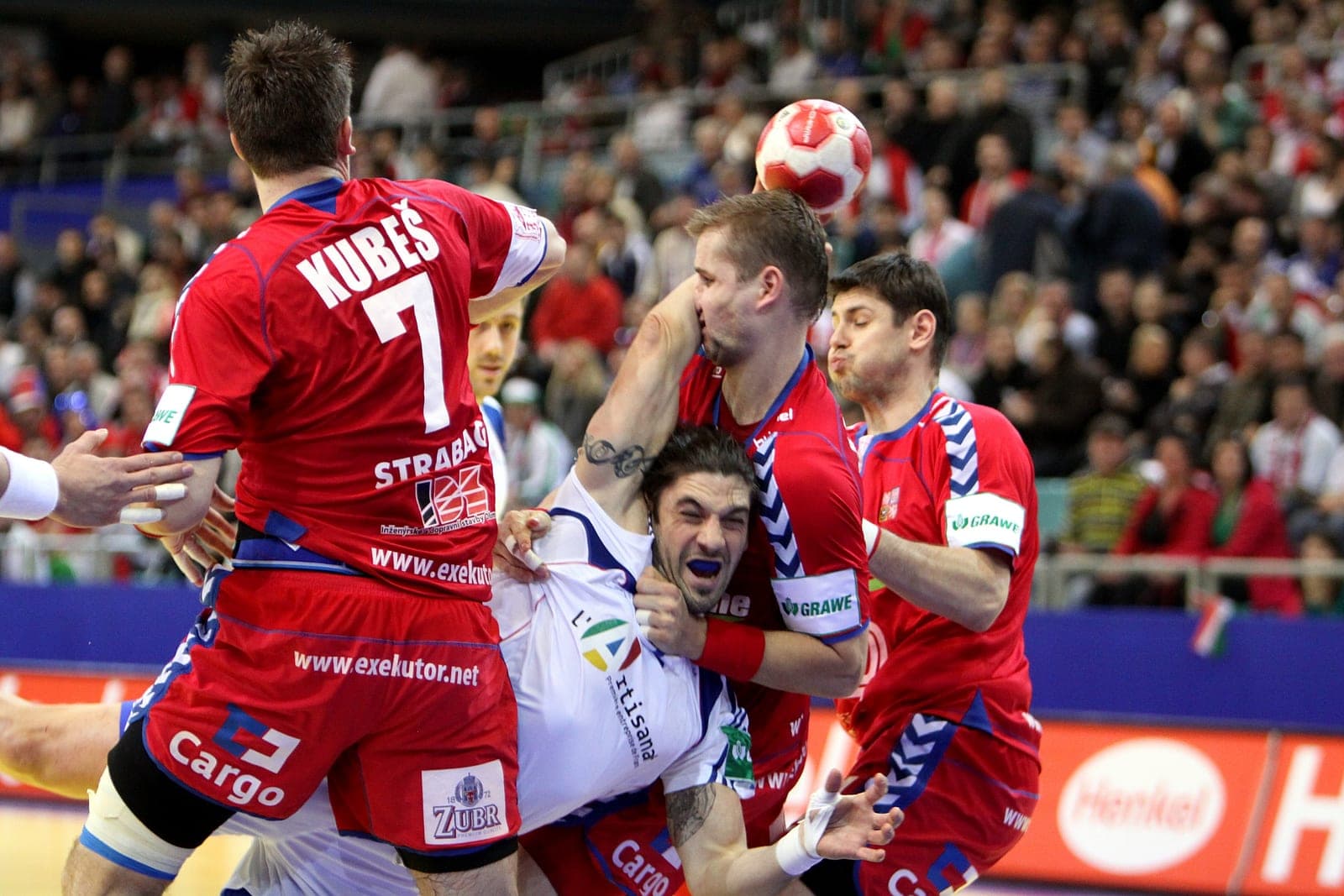
Handball
A fast indoor team sport of passing, jumping and throwing to score with the hands.
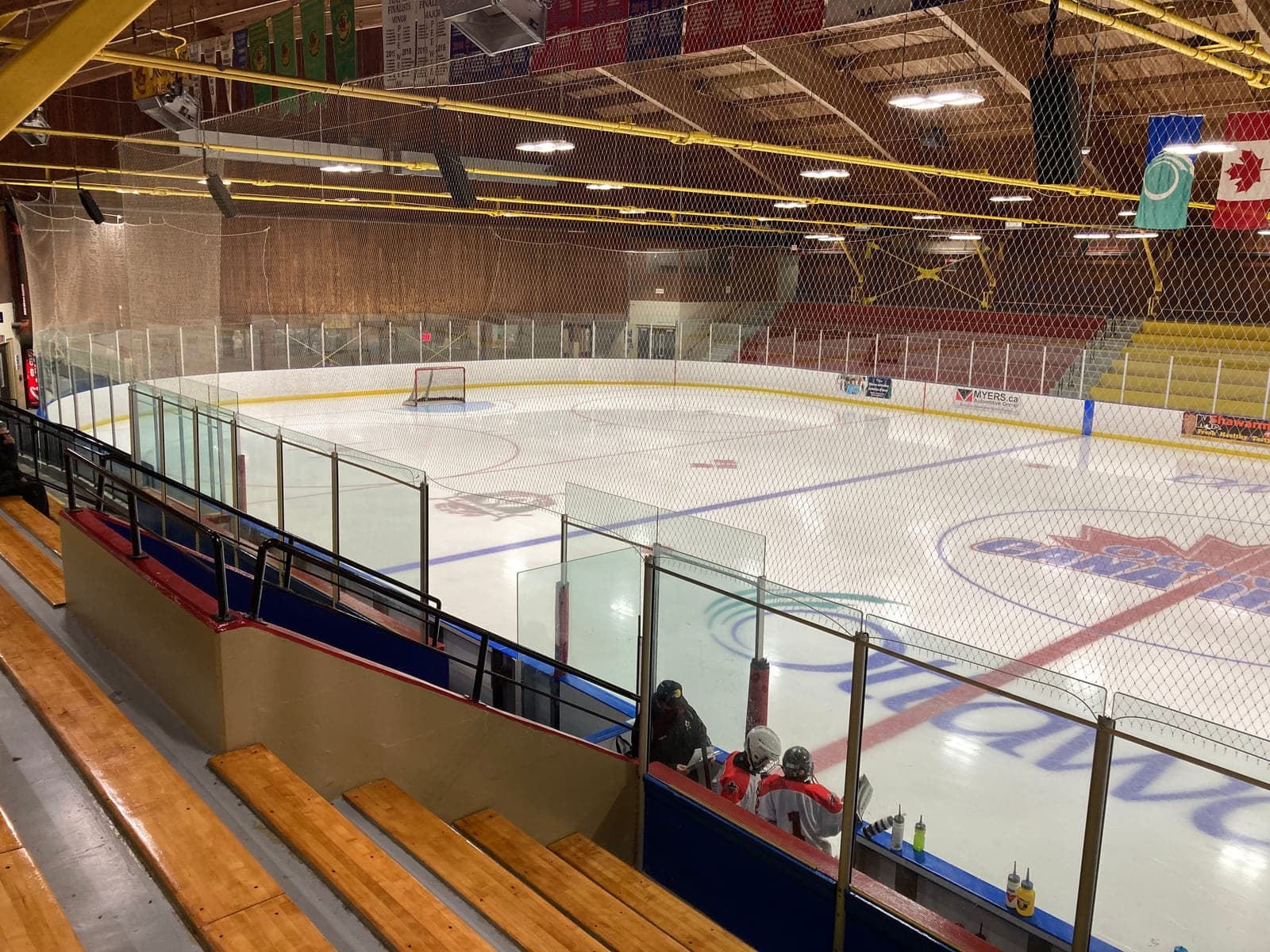
Ice Hockey
A fast team sport on ice that combines skating skill with quick passing and goal-scoring.
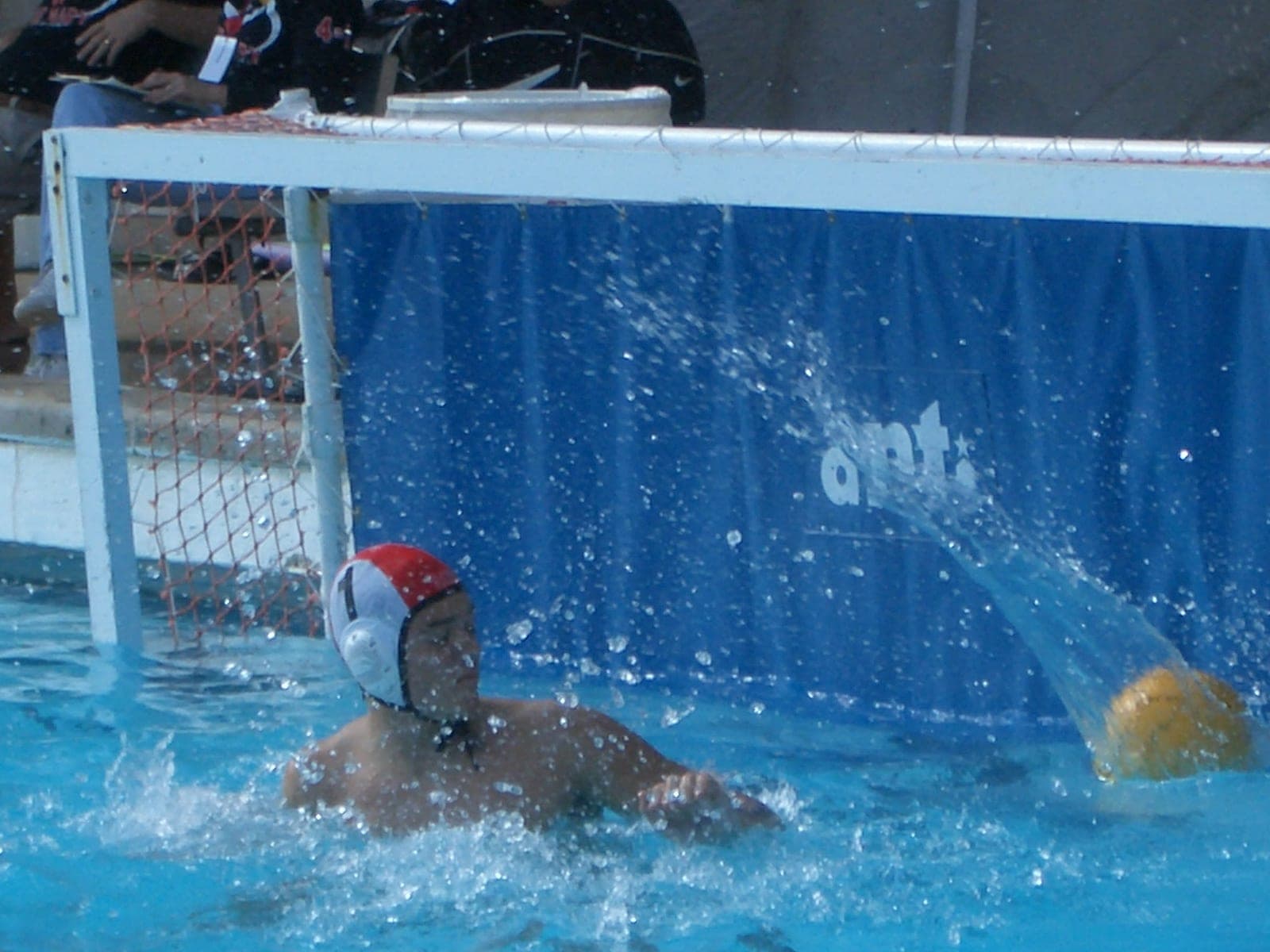
Water Polo
A demanding team sport played in deep water, blending swimming endurance with tactics.
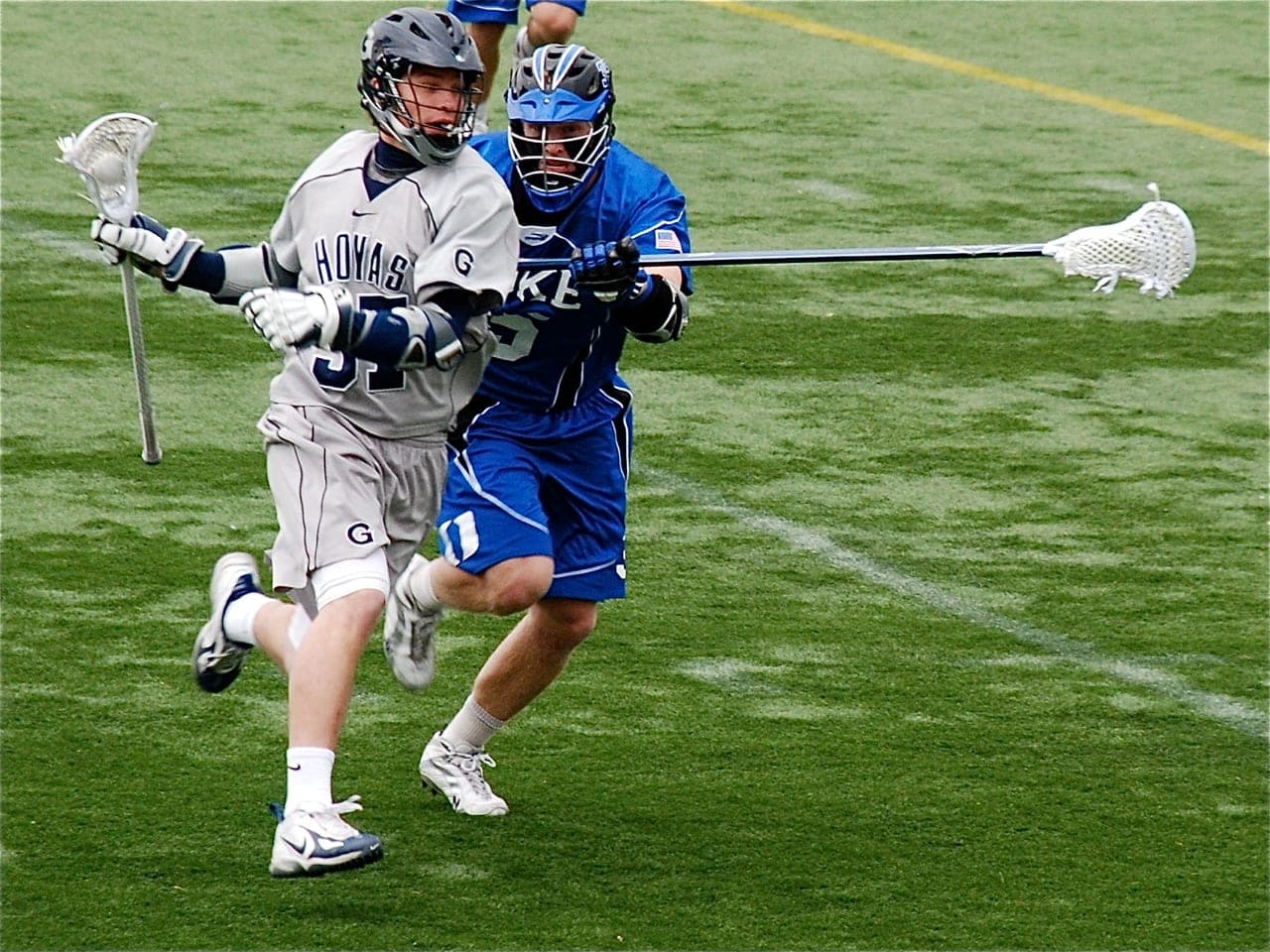
Lacrosse
A fast, stick-and-ball team sport of catching, cradling and shooting a small ball toward a goal.
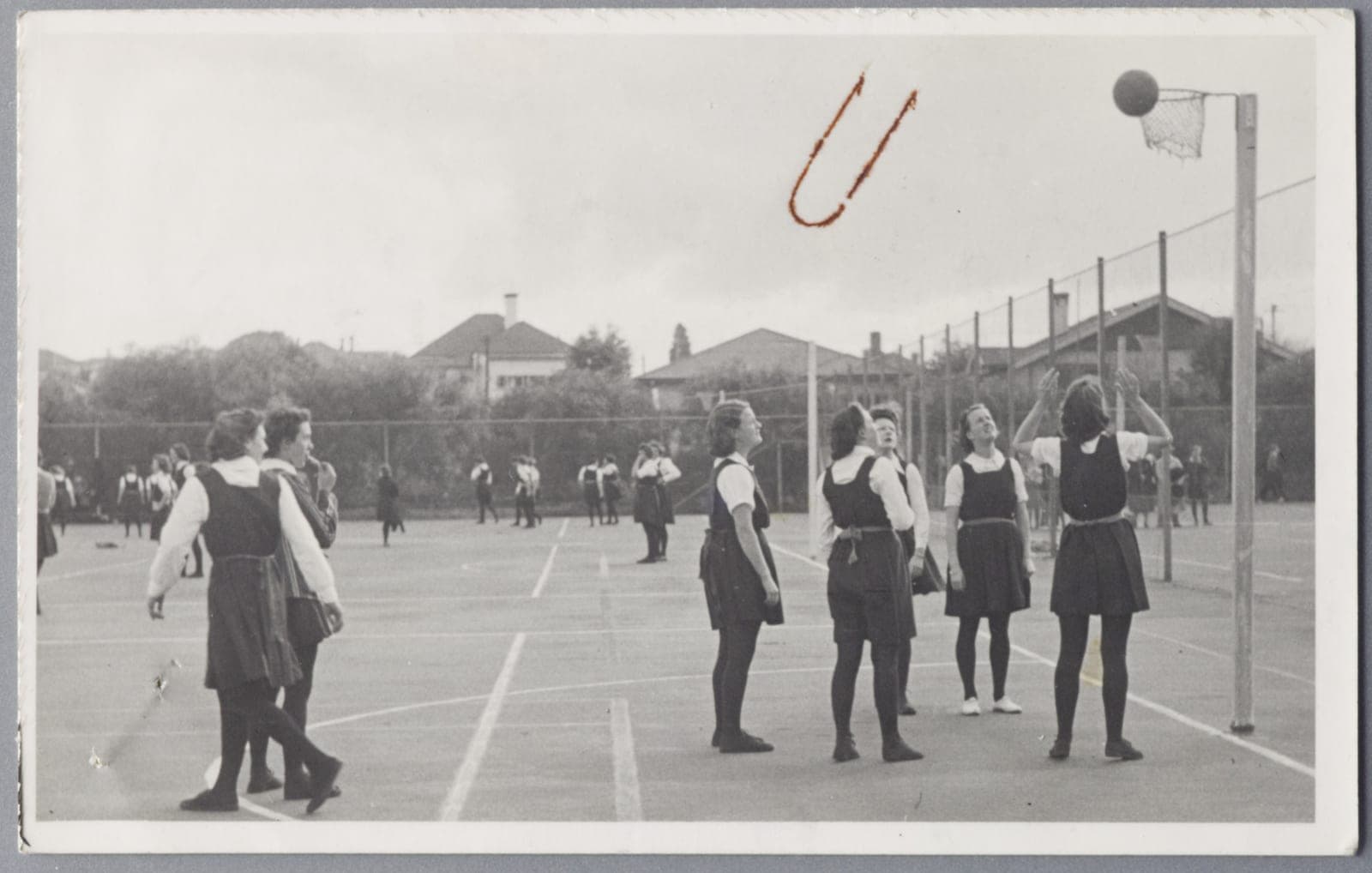
Netball
A non-contact, position-based team sport of quick passing and accurate shooting.
Related strategies
Attacking vs Defensive Balance
The overarching choice a team or athlete makes about how much to commit to creating scoring chances versus avoiding conceding, and when to shift it.
Pacing and Energy Management
Pacing and energy management is the overarching plan for distributing a limited supply of physical effort across an event so you avoid fading early and finish strong.
Controlling Tempo
Controlling tempo is the strategy of dictating the pace and rhythm of play — speeding up or slowing down — to suit your strengths and unsettle opponents.
How it connects
The meaning-bearing relationships that place Possession vs Direct Play in the wider knowledge graph — each one with the reason it exists.
Frequently learned together
Taught side by side in the same stage of a learning path.
- High pressBoth are taught in the “Understand tactics & strategy” stage of the Futsal learning path.
- Possession playBoth are taught in the “Understand tactics & strategy” stage of the Futsal learning path.
- Counter-attackBoth are taught in the “Understand tactics & strategy” stage of the Futsal learning path.
- Wing playBoth are taught in the “Understand tactics & strategy” stage of the Futsal learning path.
- Game managementBoth are taught in the “Understand tactics & strategy” stage of the Futsal learning path.
Explore across the knowledge base
Follow the threads that connect Possession vs Direct Play to the rest of SocialSportHub.
Tactics
- High pressA football tactic where a team hunts the ball high up the pitch to win it back close to the opponent’s goal.
- Possession playA patient football style that keeps the ball through short passing to control the game and tire opponents.
- Counter-attackWinning the ball and moving forward at speed to attack before the opponent can reorganise their defence.
- Wing playAttacking down the flanks and crossing the ball into the box to stretch the defence and create chances.
- Zone defenceA defensive system where each player guards an area of the court rather than a specific opponent.
Skills
- PassingThe skill of moving the ball to a teammate accurately to keep possession and create chances.
- Ball controlThe skill of receiving and settling the ball quickly so it is ready to use.
- DribblingThe skill of moving with the ball under close control to beat opponents or keep possession.
- ShootingThe skill of striking or releasing the ball toward the goal or basket to score.
- BalanceThe skill of keeping the body stable and controlled while still or moving.
Techniques
- Inside-of-the-Foot PassThe most reliable short pass in football, played with the inside surface of the foot for accuracy over a short to medium distance.
- The bandeja and the víboraPadel's two signature overheads — the controlled bandeja that holds the net, and the sliced víbora that attacks from it — and why a full smash is usually the wrong choice.
- LayupA close-range basketball shot taken while moving toward the basket, laying the ball softly off the backboard or over the rim.
- Forward and back defenceThe two strokes a batter survives with — the forward defensive and the back defensive — when each is the right choice, and why a defensive stroke is a decision about length rather than intent.
- Chest PassA two-handed pass thrown directly from chest height in a straight line to a teammate, the most basic pass in basketball and netball.
Positions
- Central midfielderA central midfielder operates in the middle of the pitch, linking defence and attack while contributing to both.
- Scrum-halfThe scrum-half is rugby’s link between forwards and backs, feeding the scrum and delivering quick, accurate passes to launch attacks.
- Wing attackThe wing attack is a netball playmaker who feeds the ball into the shooting circle, moving through the centre and attacking thirds but not entering the goal circle.
- Goal attackThe goal attack is a versatile netball attacker who both feeds the shooter and scores goals, moving through the centre and attacking thirds.
- Centre (netball)The centre is netball’s link between attack and defence, the only player allowed in every third except the two goal circles, and the player who takes the centre pass.
Learning paths
- Learn FootballA structured, educational learning path for football — from the rules to skills, techniques, tactics and training.
- Learn BasketballA structured, educational learning path for basketball — from the rules to skills, techniques, tactics and training.
- Learn RugbyA structured, educational learning path for rugby — from the rules to skills, techniques, tactics and training.
- Learn FutsalA structured, educational learning path for futsal — from the rules to skills, techniques, tactics and training.
- Learn HandballA structured, educational learning path for handball — from the rules to skills, techniques, tactics and training.
Decision making
- When to keep possessionJudging when to hold and recycle the ball rather than force a forward option — choosing patience and control over immediate progress.
- Decision speedHow quickly a choice is made — the tempo of deciding, and how it trades off against getting the choice right.
- Transition decisionsThe choices made at the moment a situation flips — winning or losing the ball, and switching between attack and defence.
Go deeper with Possession vs Direct Play
Everywhere else on the platform that covers Possession vs Direct Play — assembled from what actually references it, so nothing here is a dead end.
Learn it
Structured courses and paths on the platform that cover this directly.
How this page is maintained
- Content type
- Strategy
- Provenance
- Tier A — evergreen educational
- Verified external sources
- 0
- Content updated
- 2026-09-12
Evergreen, first-party explanation — it makes no claim that needs an external source. How we handle sources and reviews.