
Counter-attack
Winning the ball and moving forward at speed to attack before the opponent can reorganise their defence.
Overview
A counter-attack turns defence into attack in an instant: the moment possession is regained, the team pushes the ball forward quickly to exploit the space left by opponents who were committed to attacking.
It trades sustained control for speed and directness, and is devastating against teams that push many players forward. Success depends on a fast, accurate first pass and runners who break beyond the defence at pace.
Key points
- The transition is instant — the ball goes forward before the opponent can recover shape.
- The first pass after winning the ball sets the speed and direction of the attack.
- Fast runners target the space behind an out-of-position defence.
- It is most effective against teams committing many players to attack.
- A well-drilled counter can create a numerical advantage before the defence resets.
Where it’s used
Sports that use counter-attack:
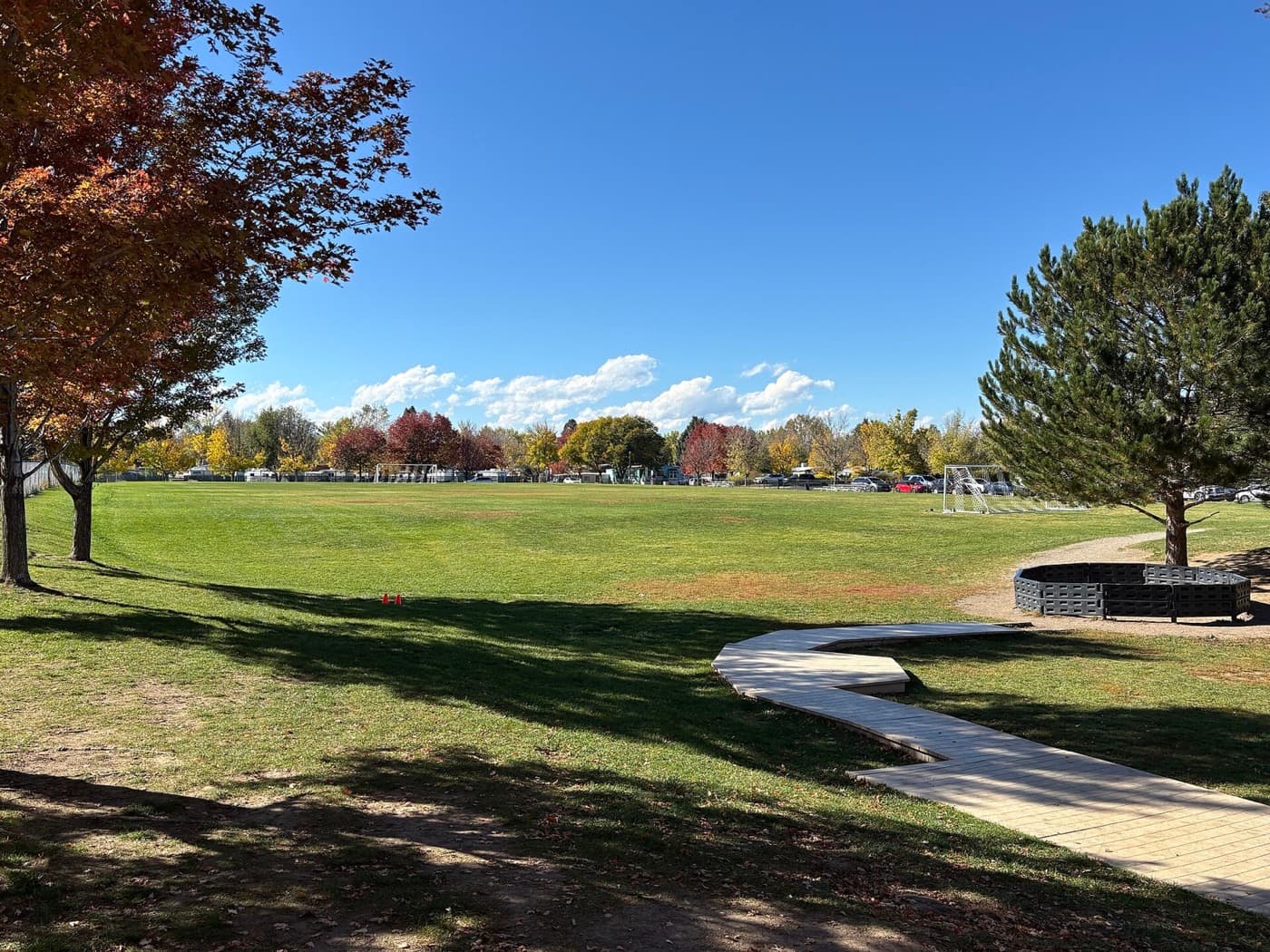
Football
The world’s most popular team sport — endless running, teamwork and community in one game.

Basketball
A fast, dynamic team sport of running, jumping and quick decisions on court.
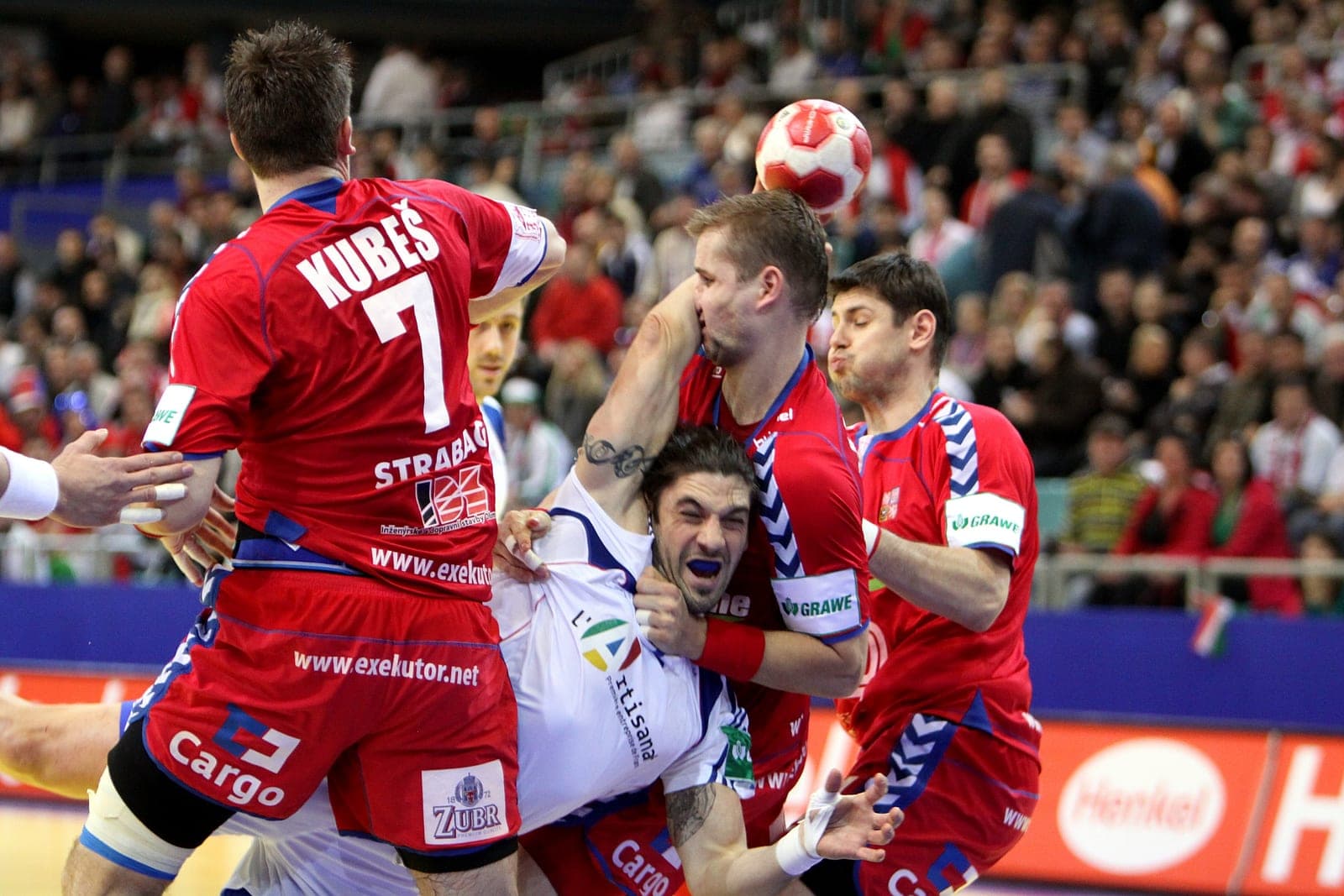
Handball
A fast indoor team sport of passing, jumping and throwing to score with the hands.
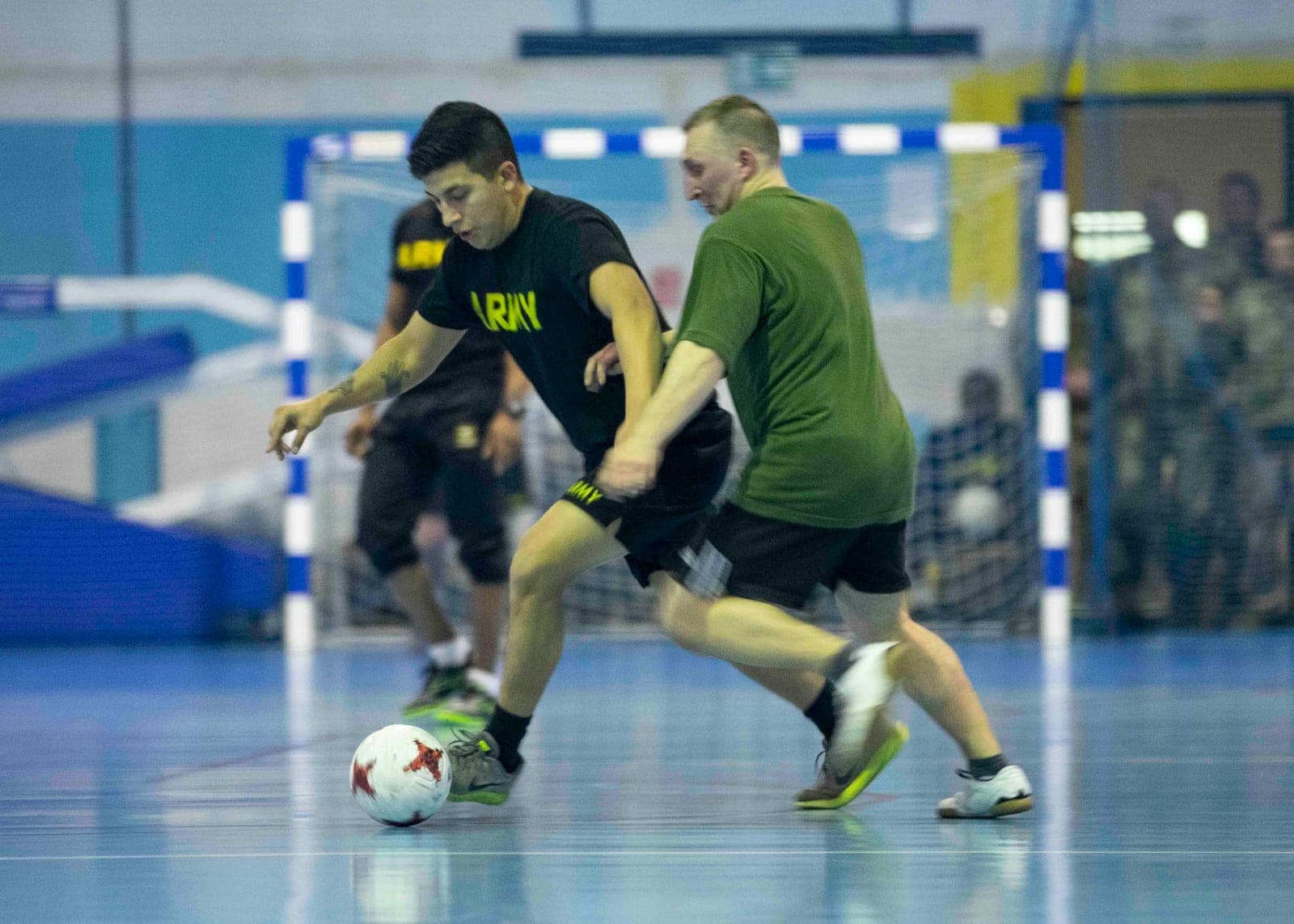
Futsal
A fast, small-sided indoor form of football played on a hard court with a low-bounce ball.
Related tactics
High press
A football tactic where a team hunts the ball high up the pitch to win it back close to the opponent’s goal.
Possession play
A patient football style that keeps the ball through short passing to control the game and tire opponents.
Offside trap
A defensive football tactic where the back line steps up together to leave an attacker offside.
How it connects
The meaning-bearing relationships that place Counter-attack in the wider knowledge graph — each one with the reason it exists.
Frequently learned together
Taught side by side in the same stage of a learning path.
- High pressBoth are taught in the “Understand tactics & strategy” stage of the Football learning path.
- Possession playBoth are taught in the “Understand tactics & strategy” stage of the Football learning path.
- Offside trapBoth are taught in the “Understand tactics & strategy” stage of the Football learning path.
- Set-piece playBoth are taught in the “Understand tactics & strategy” stage of the Football learning path.
- Wing playBoth are taught in the “Understand tactics & strategy” stage of the Football learning path.
Explore across the knowledge base
Follow the threads that connect Counter-attack to the rest of SocialSportHub.
Strategies
- Game managementAdapting how a team or athlete plays to the scoreline and time remaining — protecting a lead, chasing a result or seeing out the closing stages.
- Possession vs Direct PlayThe strategic choice between retaining the ball to build attacks patiently and moving it forward quickly and directly toward the goal.
- Attacking vs Defensive BalanceThe overarching choice a team or athlete makes about how much to commit to creating scoring chances versus avoiding conceding, and when to shift it.
- Controlling TempoControlling tempo is the strategy of dictating the pace and rhythm of play — speeding up or slowing down — to suit your strengths and unsettle opponents.
- Playing the percentagesFavouring the higher-probability, lower-risk option most of the time to cut out unforced errors, while recognising when a calculated risk is worth taking.
Positions
- Full-backA full-back is a defender who plays on the left or right side of the defence, defending the flank while also supporting attacks down the wing.
- WingerA winger is an attacking player who operates in the wide areas of the pitch, using pace and dribbling to beat defenders and create chances.
- Wing (handball)The handball wing plays wide on the left or right of the attack, using speed to finish fast breaks and shoot from tight angles near the sideline.
- GoalkeeperThe goalkeeper is the last line of defence in football and the only player allowed to handle the ball inside their own penalty area.
- Wing attackThe wing attack is a netball playmaker who feeds the ball into the shooting circle, moving through the centre and attacking thirds but not entering the goal circle.
Learning paths
- Learn FootballA structured, educational learning path for football — from the rules to skills, techniques, tactics and training.
- Learn BasketballA structured, educational learning path for basketball — from the rules to skills, techniques, tactics and training.
- Learn FutsalA structured, educational learning path for futsal — from the rules to skills, techniques, tactics and training.
- Learn HandballA structured, educational learning path for handball — from the rules to skills, techniques, tactics and training.
Decision making
- Risk assessmentWeighing what an action could gain against how likely it is to fail and what failure would cost — the judgement behind choosing a safe or an ambitious option.
- When to attackRecognising the moment to commit to an attacking action — spotting an opening and judging whether it is the right time to take it.
- Transition decisionsThe choices made at the moment a situation flips — winning or losing the ball, and switching between attack and defence.
- Positioning choicesDeciding where to place yourself — often before the ball arrives — to cover space, stay ready to act and shape what an opponent can do.
- When to keep possessionJudging when to hold and recycle the ball rather than force a forward option — choosing patience and control over immediate progress.
Go deeper with Counter-attack
Everywhere else on the platform that covers Counter-attack — assembled from what actually references it, so nothing here is a dead end.
Learn it
Structured courses and paths on the platform that cover this directly.
- Football courseTeaches Counter-attack in its “Understand tactics & strategy” stage.
- Basketball courseTeaches Counter-attack in its “Understand tactics & strategy” stage.
- Futsal courseTeaches Counter-attack in its “Understand tactics & strategy” stage.
- Handball courseTeaches Counter-attack in its “Understand tactics & strategy” stage.
How this page is maintained
- Content type
- Tactic
- Provenance
- Tier A — evergreen educational
- Verified external sources
- 0
- Content updated
- 2026-09-12
Evergreen, first-party explanation — it makes no claim that needs an external source. How we handle sources and reviews.