
Attacking vs Defensive Balance
The overarching choice a team or athlete makes about how much to commit to creating scoring chances versus avoiding conceding, and when to shift it.
Overview
Attacking versus defensive balance is the overarching posture a team or athlete adopts toward two competing priorities: creating opportunities to score and preventing the opponent from scoring. Every contest forces a trade-off between the two, because resources such as players, positioning, energy, and attention are limited. Committing more of them forward to build attacks tends to leave fewer behind to cover if possession is lost, while holding more back to stay compact reduces exposure but also limits how many chances a side can generate. This balance sits above any single tactic. It is the guiding stance that shapes which tactics a team reaches for, how it sets up, and how much risk it is willing to accept at any moment. Because it is a principle rather than a fixed instruction, two teams playing the same formation can hold very different balances depending on how aggressively they push, press, or sit.
The chosen balance is rarely constant across a whole contest. It is influenced by the score, the time remaining, the stage of the competition, the conditions, the relative strengths of the two sides, and accumulated fatigue. A side that is ahead late may deliberately shift toward caution, keeping more players back and slowing the tempo to protect what it has, while a side that needs to score often pushes more players forward and accepts greater exposure to the counter. Changes in personnel, momentum, or an opponent's setup can prompt a re-balance mid-contest. The same idea carries into individual sports: a player can lean toward aggression by going for outright winners and forcing the pace, or toward defence by prioritising consistency, error avoidance, and patience. Reading when to hold the balance steady and when to tilt it is a core part of game management, and doing it deliberately rather than by accident is what separates a plan from mere reaction.
Key ideas
- The central trade-off is risk against reward. Pushing more toward attack raises the chance of scoring but usually leaves a side more open to being caught out if it loses the ball; leaning toward defence lowers that exposure but also reduces the flow of chances it creates. The balance is really a judgement about how much risk is acceptable for the reward on offer.
- Context sets the dial. Score, time remaining, the importance of the moment, weather or surface conditions, and the relative quality of the two sides all pull the balance one way or the other. The right posture when chasing a result can be the wrong one when protecting a narrow advantage.
- The balance shows up structurally in how a side is arranged: how many players commit forward, how high or deep the defensive line sits, how intensely a team presses to win the ball back, and how quickly it transitions between attacking and defending. These choices make an abstract stance visible on the field, court, or pitch.
- Teams and athletes re-balance within a contest in response to events such as taking the lead, falling behind, a change of personnel, or growing tiredness. A common pattern is to open more aggressively and become more conservative when protecting a result, or the reverse when a result is urgently needed.
- It is distinct from the tactics that carry it out. The balance is the posture; specific actions such as pressing high, keeping possession, sitting in a compact block, or springing a counter are the tools that enact it. In individual and combat sports the same idea appears as choosing between forcing the pace and playing patiently, or between pressing an attack and holding a solid guard.
Where it’s used
Sports that use attacking vs defensive balance:

Football
The world’s most popular team sport — endless running, teamwork and community in one game.

Basketball
A fast, dynamic team sport of running, jumping and quick decisions on court.
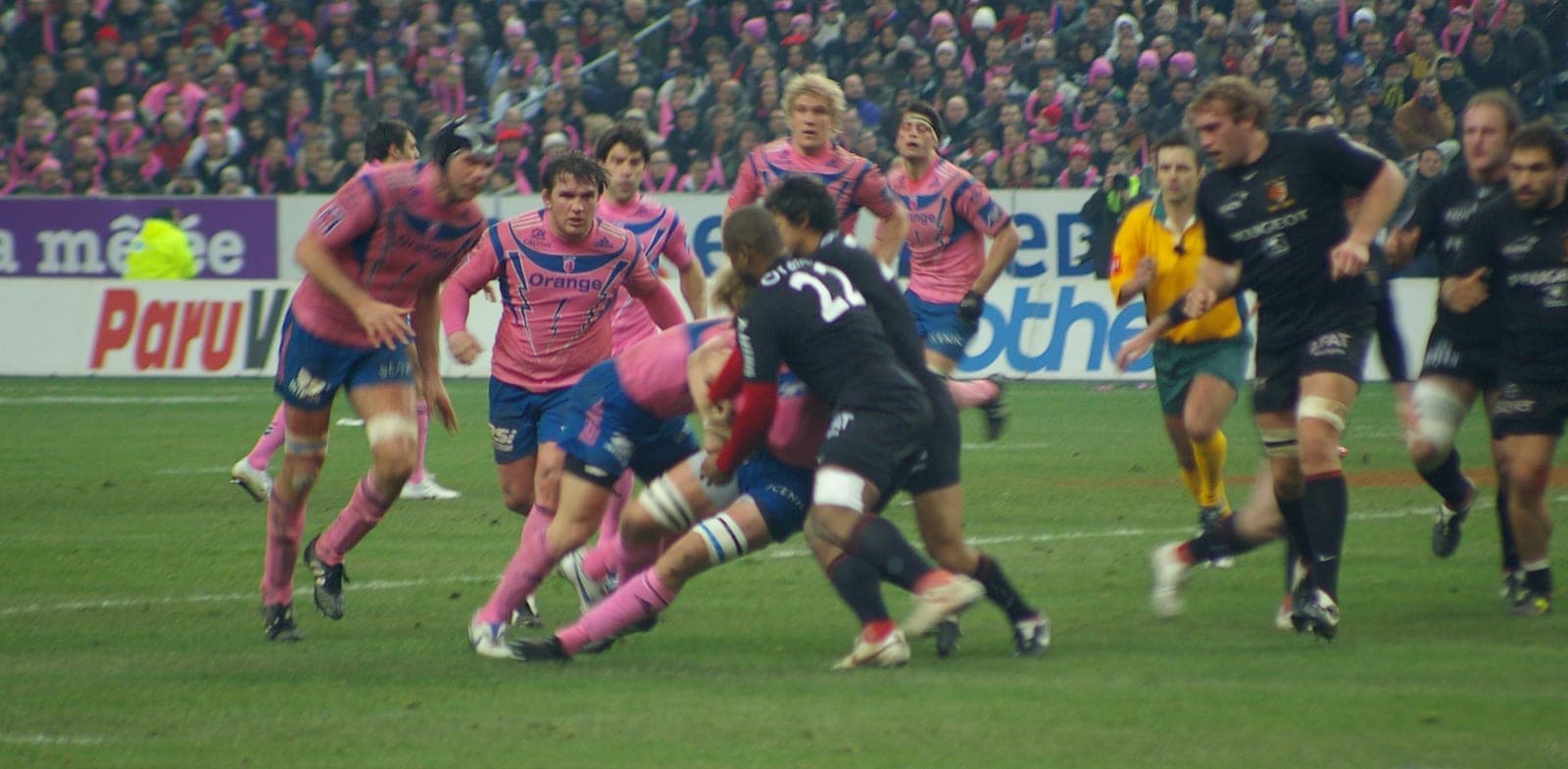
Rugby
A physical team sport of carrying, passing and kicking an oval ball toward the opposing line.
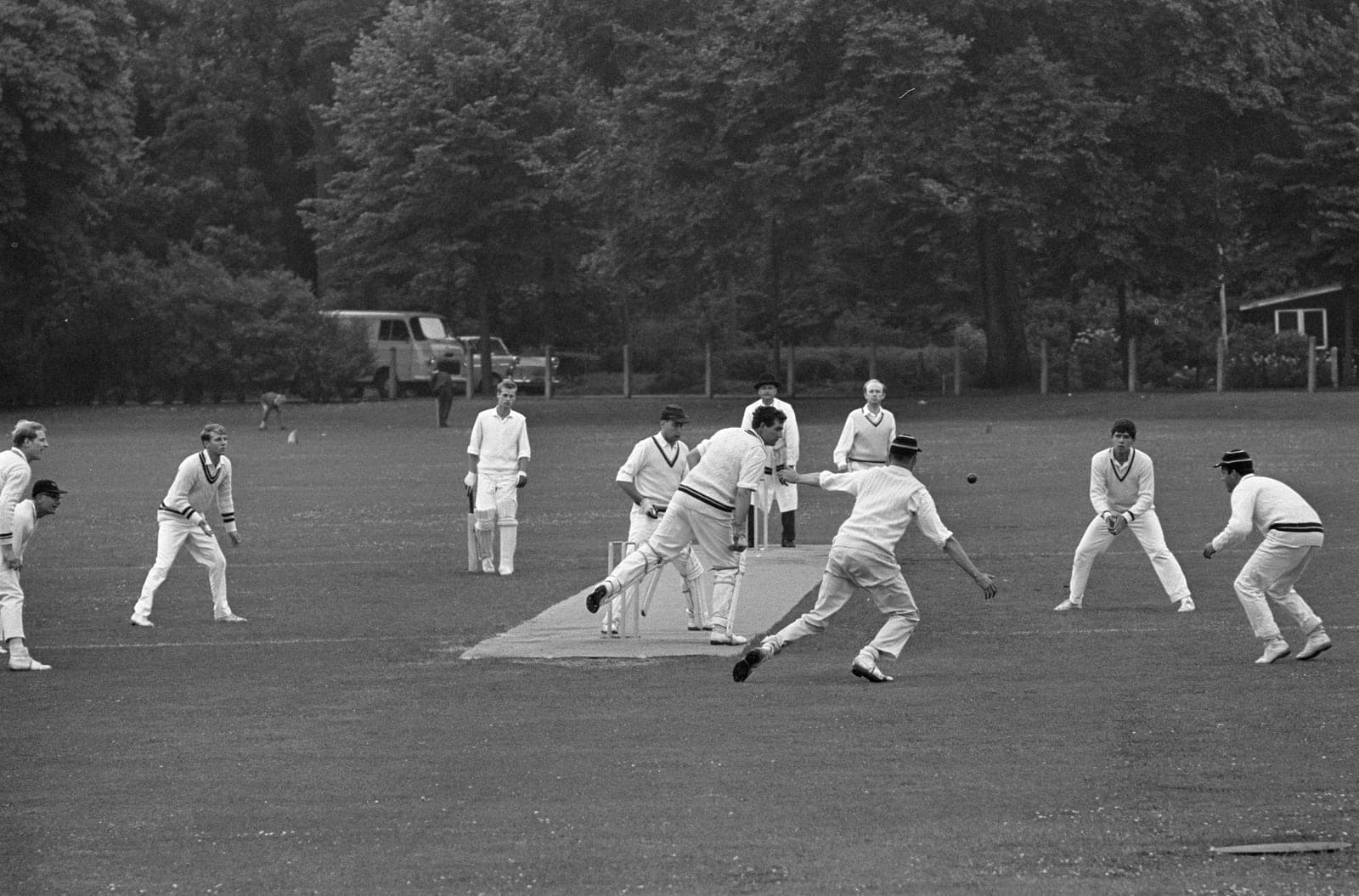
Cricket
A bat-and-ball team sport where sides take turns to bat and to bowl and field, scoring runs.
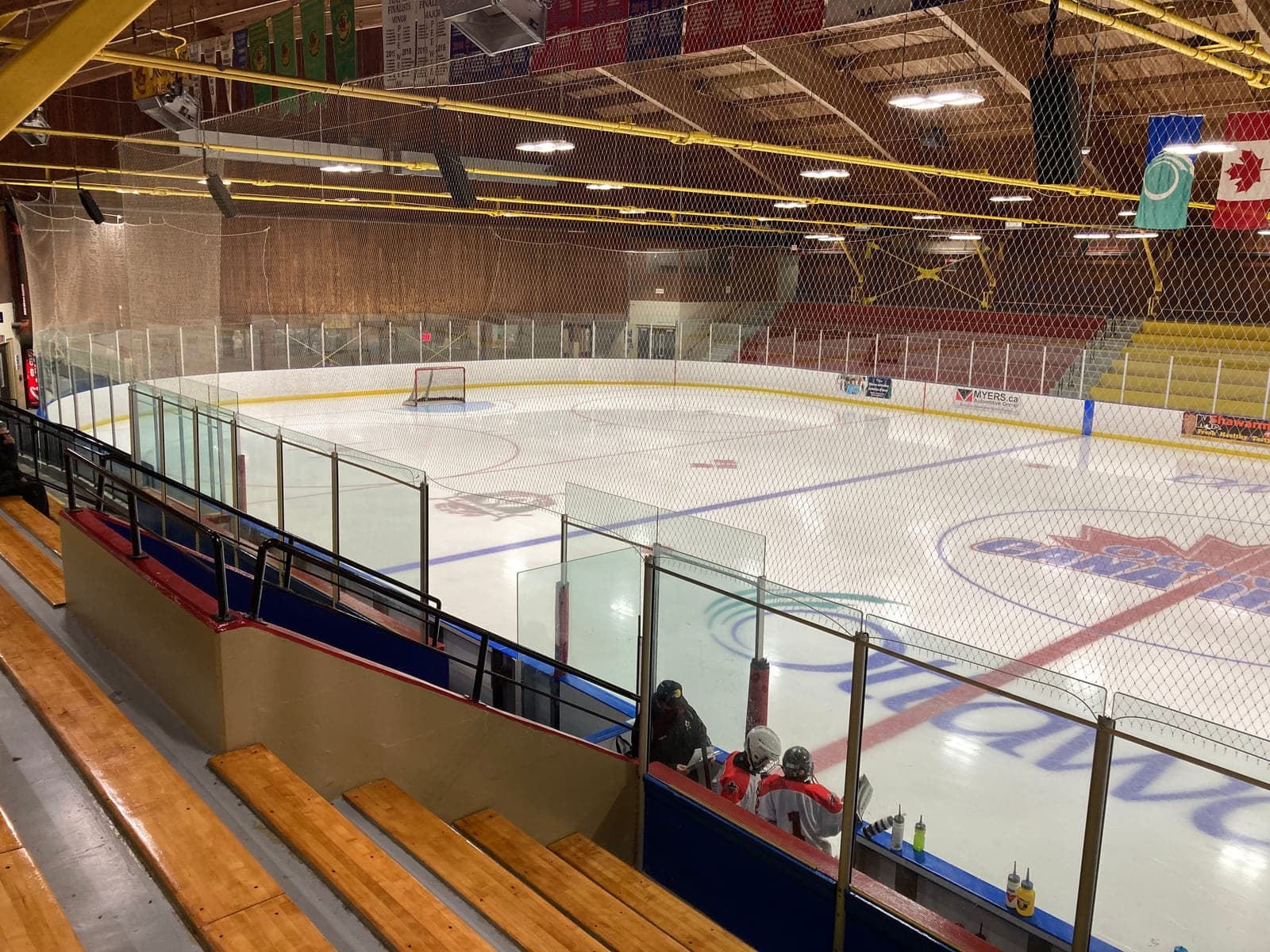
Ice Hockey
A fast team sport on ice that combines skating skill with quick passing and goal-scoring.
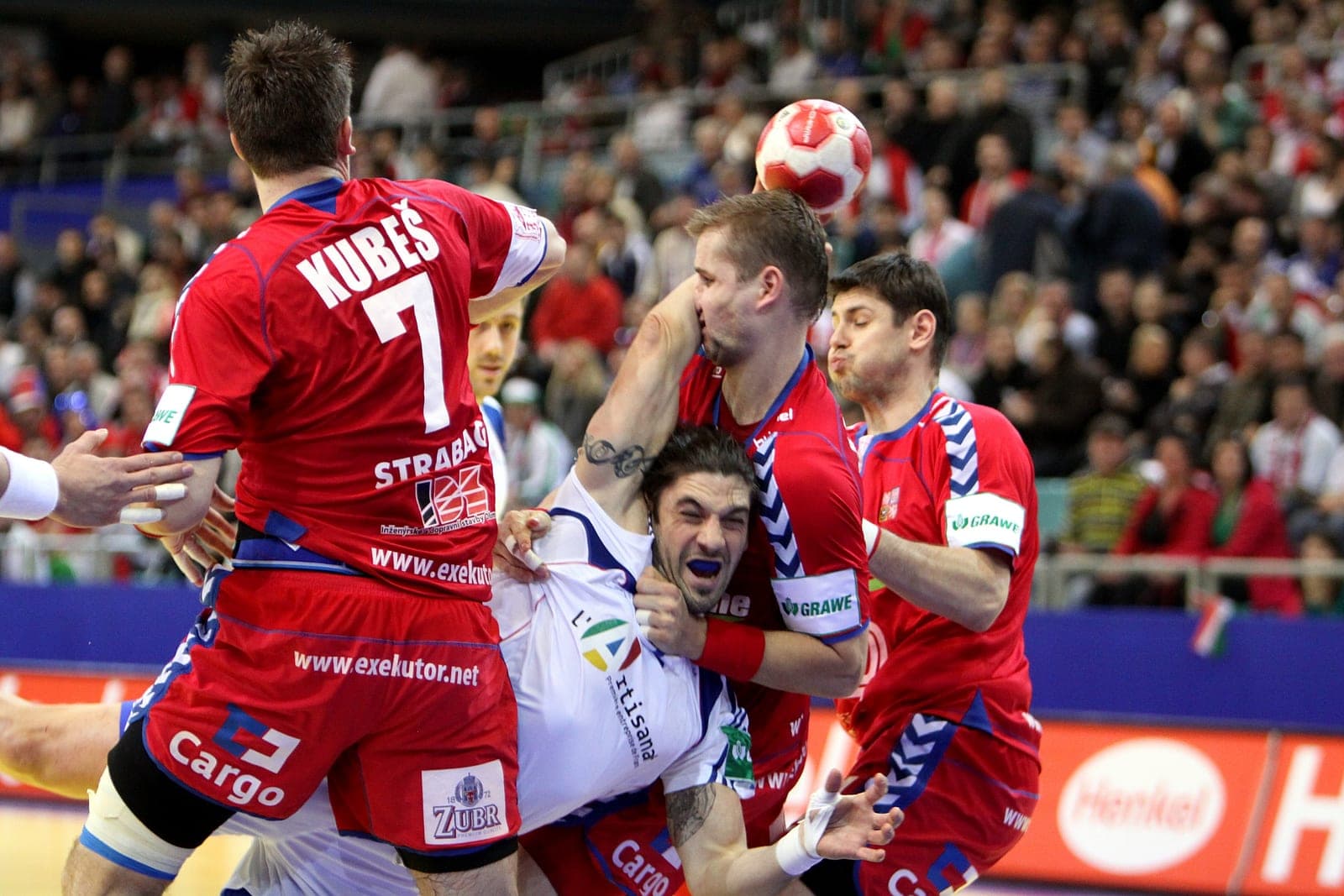
Handball
A fast indoor team sport of passing, jumping and throwing to score with the hands.
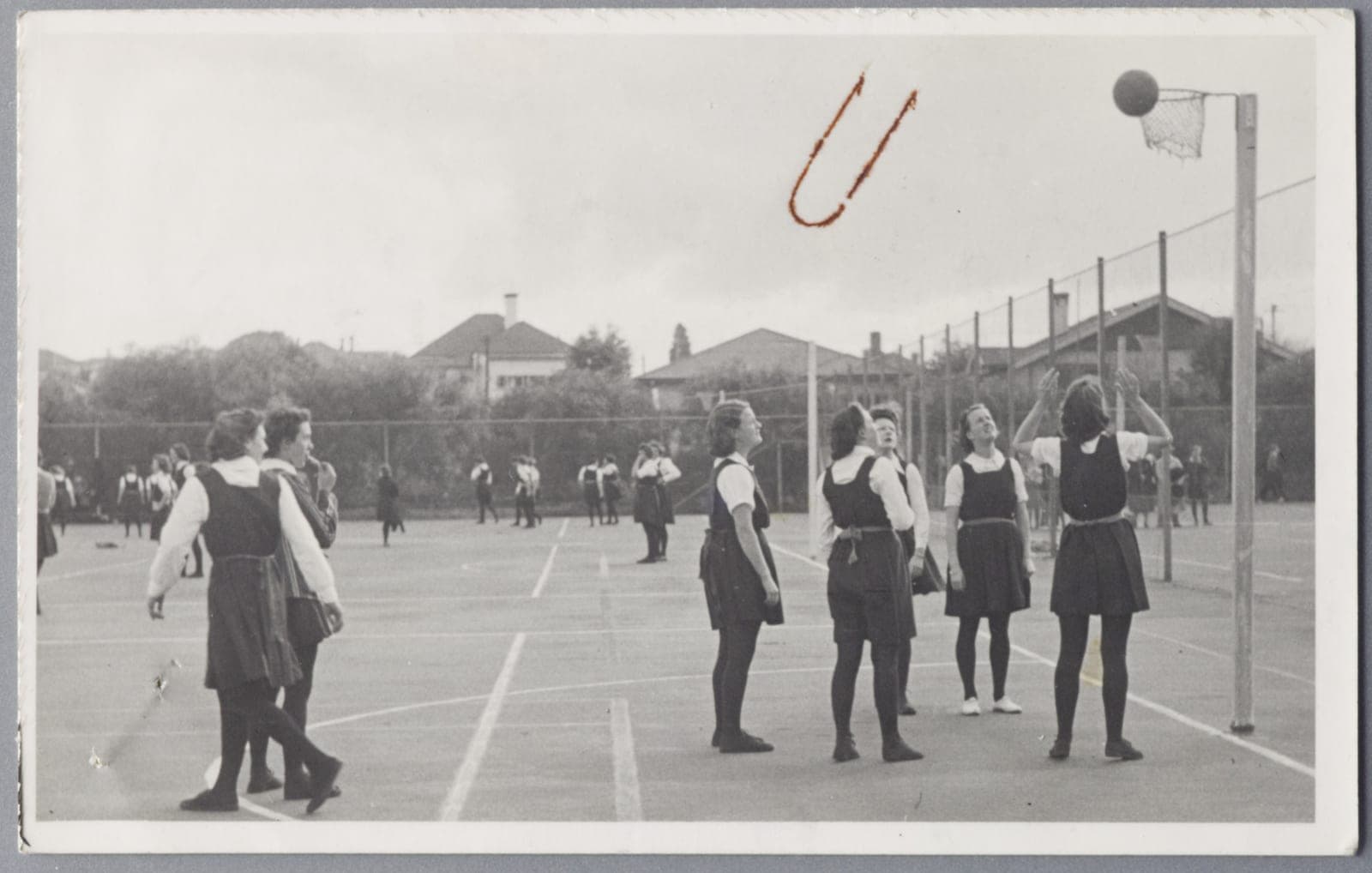
Netball
A non-contact, position-based team sport of quick passing and accurate shooting.
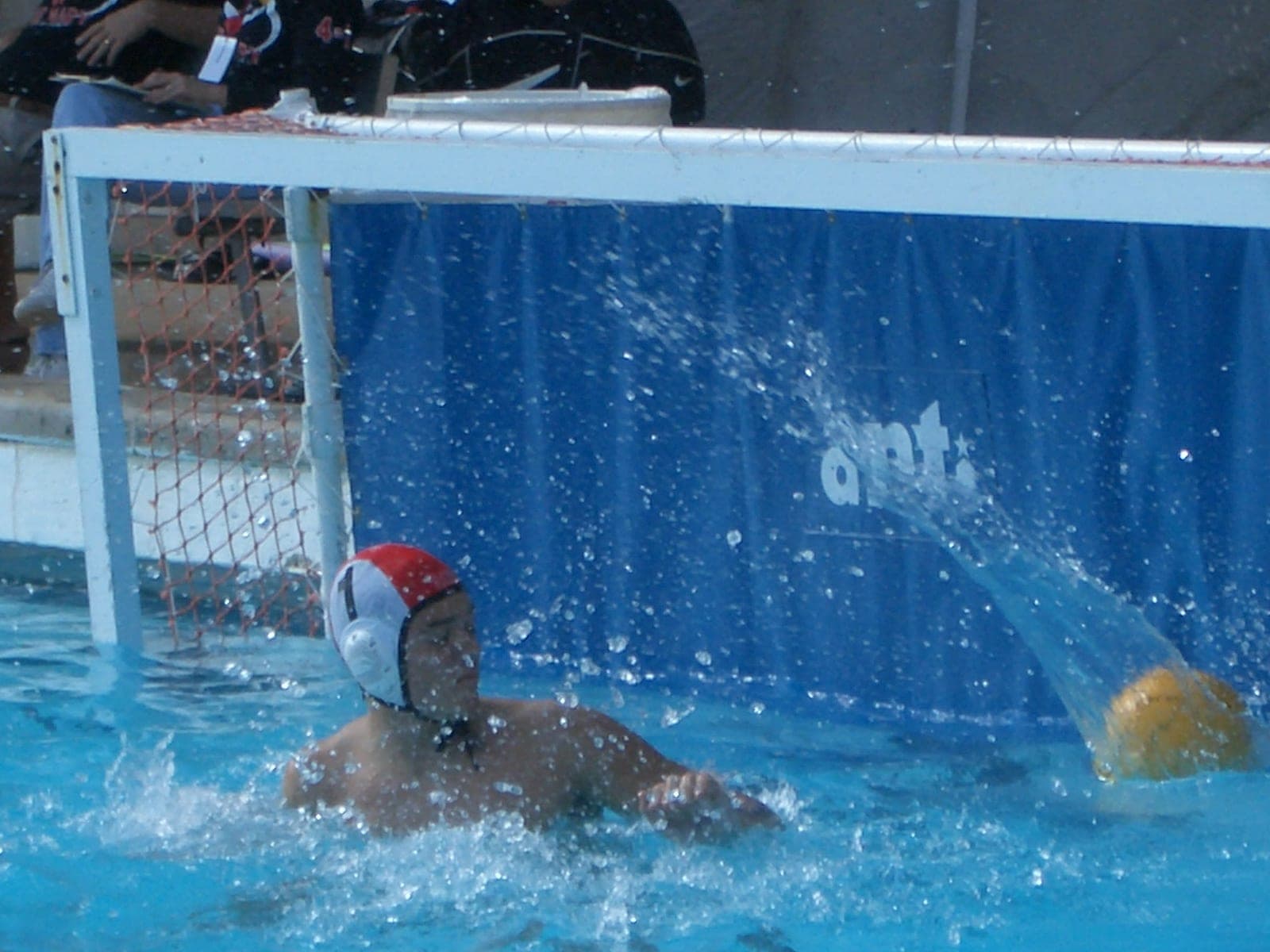
Water Polo
A demanding team sport played in deep water, blending swimming endurance with tactics.
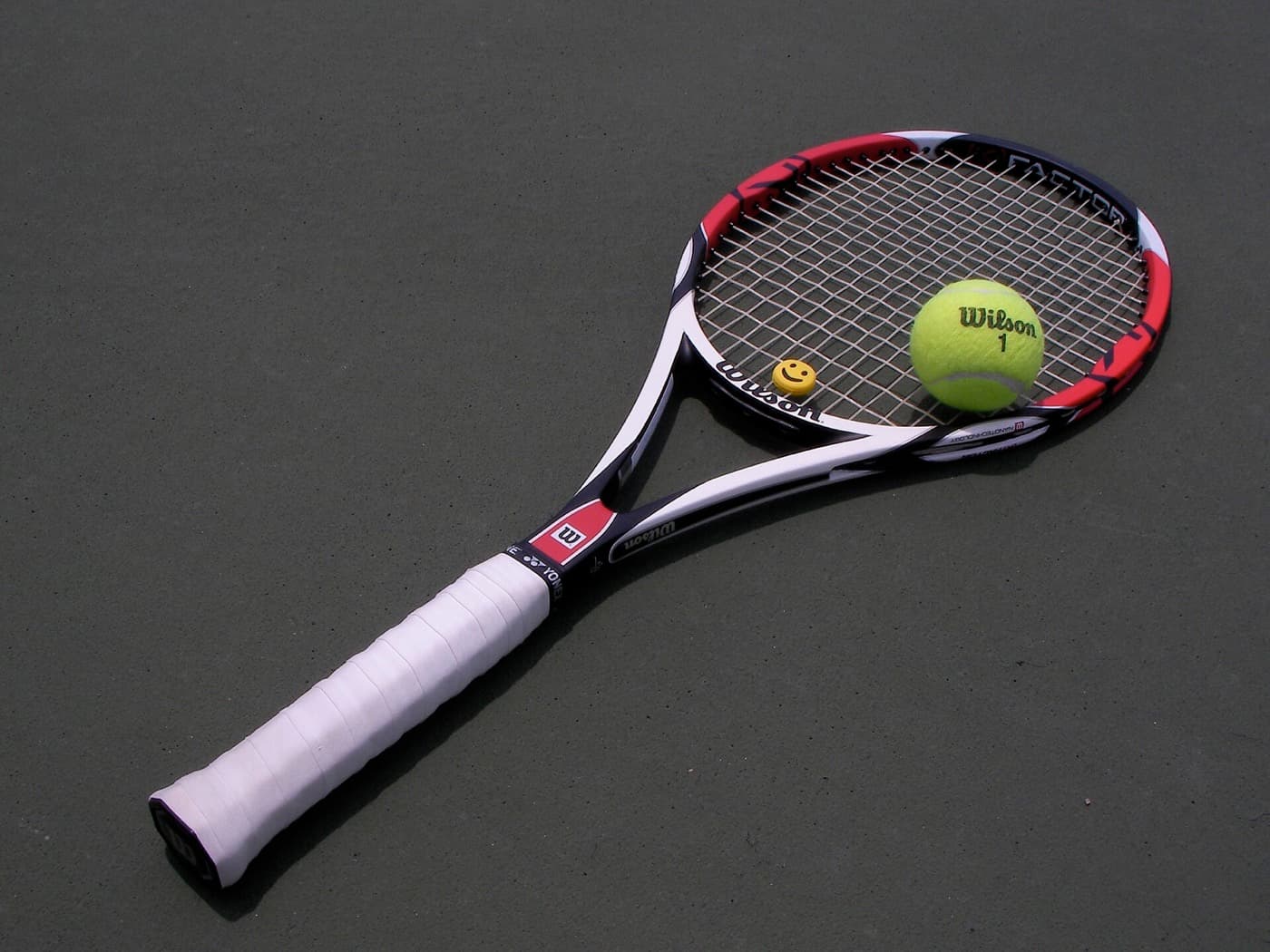
Tennis
A singles or doubles racquet sport that blends agility, strategy and stamina on court.

Boxing
A striking combat sport built on footwork, timing and conditioning, practised from fitness drills to controlled sparring.
Related strategies
Pacing and Energy Management
Pacing and energy management is the overarching plan for distributing a limited supply of physical effort across an event so you avoid fading early and finish strong.
Controlling Tempo
Controlling tempo is the strategy of dictating the pace and rhythm of play — speeding up or slowing down — to suit your strengths and unsettle opponents.
Game management
Adapting how a team or athlete plays to the scoreline and time remaining — protecting a lead, chasing a result or seeing out the closing stages.
How it connects
The meaning-bearing relationships that place Attacking vs Defensive Balance in the wider knowledge graph — each one with the reason it exists.
Frequently learned together
Taught side by side in the same stage of a learning path.
- Setting a cricket fieldBoth are taught in the “Understand tactics & strategy” stage of the Cricket learning path.
- Strike rotationBoth are taught in the “Understand tactics & strategy” stage of the Cricket learning path.
- Playing spin bowlingBoth are taught in the “Understand tactics & strategy” stage of the Cricket learning path.
- Controlling TempoBoth are taught in the “Understand tactics & strategy” stage of the Cricket learning path.
- Game managementBoth are taught in the “Understand tactics & strategy” stage of the Cricket learning path.
Explore across the knowledge base
Follow the threads that connect Attacking vs Defensive Balance to the rest of SocialSportHub.
Tactics
- Setting a cricket fieldHow a captain turns nine fielders into a plan — attacking and defensive settings, the trade between catchers and boundary riders, and the fielding restrictions competitions add.
- Strike rotationWhy singles matter more than they look in cricket — how rotating the strike unsettles a bowler's rhythm, protects a struggling batter, and is decided by the over structure itself.
- Playing spin bowlingWhat a batter actually does against a spinner — using the crease and the feet to change the length, picking the ball from the hand, and the options when the pitch is turning sharply.
- Zone defenceA defensive system where each player guards an area of the court rather than a specific opponent.
- Man-to-man markingA defensive tactic where each defender is assigned a specific opponent to track and contain.
Learning paths
- Learn TennisA structured, educational learning path for tennis — from the rules to skills, techniques, tactics and training.
- Learn FootballA structured, educational learning path for football — from the rules to skills, techniques, tactics and training.
- Learn BasketballA structured, educational learning path for basketball — from the rules to skills, techniques, tactics and training.
- Learn RugbyA structured, educational learning path for rugby — from the rules to skills, techniques, tactics and training.
- Learn CricketA structured, educational learning path for cricket — from the rules to skills, techniques, tactics and training.
Techniques
- Forward and back defenceThe two strokes a batter survives with — the forward defensive and the back defensive — when each is the right choice, and why a defensive stroke is a decision about length rather than intent.
- The slice in tennisThe underspin stroke that changes a rally's height and pace — how slice keeps the ball low, when it is defensive and when it is an attack, and what it does on different surfaces.
Decision making
- When to defendJudging the moment to switch from attacking intent to protecting your goal, court or position — recognising when the situation calls for security over ambition.
- When to attackRecognising the moment to commit to an attacking action — spotting an opening and judging whether it is the right time to take it.
- Risk assessmentWeighing what an action could gain against how likely it is to fail and what failure would cost — the judgement behind choosing a safe or an ambitious option.
- Shot selectionChoosing which shot to play from the options available — weighing the situation, the risk and what you are trying to achieve.
- Pacing decisionsIn-the-moment choices about how to spend energy over time — when to push, hold back, conserve or surge.
Skills
Go deeper with Attacking vs Defensive Balance
Everywhere else on the platform that covers Attacking vs Defensive Balance — assembled from what actually references it, so nothing here is a dead end.
Learn it
Structured courses and paths on the platform that cover this directly.
How this page is maintained
- Content type
- Strategy
- Provenance
- Tier A — evergreen educational
- Verified external sources
- 0
- Content updated
- 2026-09-12
Evergreen, first-party explanation — it makes no claim that needs an external source. How we handle sources and reviews.