
Defensive communication
Talking and signalling on defence — organising who marks whom, calling switches and warning teammates — to stay coordinated without the ball.
Overview
Defensive communication is how a team stays organised when it does not have the ball: calling out who is marking whom, warning a teammate that an opponent is closing in, asking for help, and calling switches when players need to swap responsibilities. Because defenders often cannot see everything at once, a teammate's voice can supply the information their eyes miss.
It tends to lean on short, shared phrases — a quick “man on”, “switch” or “help” — that a team agrees on and repeats until they are second nature. The exact words and signals vary by sport, system and level, and they work alongside good positioning rather than replacing it. Clear talk supports a well-organised defence; it is one ingredient among many and never a guarantee on its own.
How it works
- It is communicating without the ball to stay organised — who marks whom, where the danger is, and when to swap.
- Short shared calls like “man on”, “switch” or “help” pass on information a defender cannot see for themselves.
- It often comes from players with a wide view of the play, who can direct teammates in front of them.
- It works with the defensive shape and system, not instead of good positioning.
- The exact words and signals vary by sport, team and level, and are rehearsed until they are close to automatic.
In practice
- In football or basketball, defenders constantly call switches and warn each other of runners, so responsibilities do not get dropped.
- In volleyball, blockers and back-court defenders talk to agree who takes the tip and who covers the deep ball.
- How much a team talks on defence varies with its system — a zone tends to need different calls from tight man-to-man marking.
Educational — and it varies
Where it shows up
Sports where this communication is especially visible — each with a clear guide.
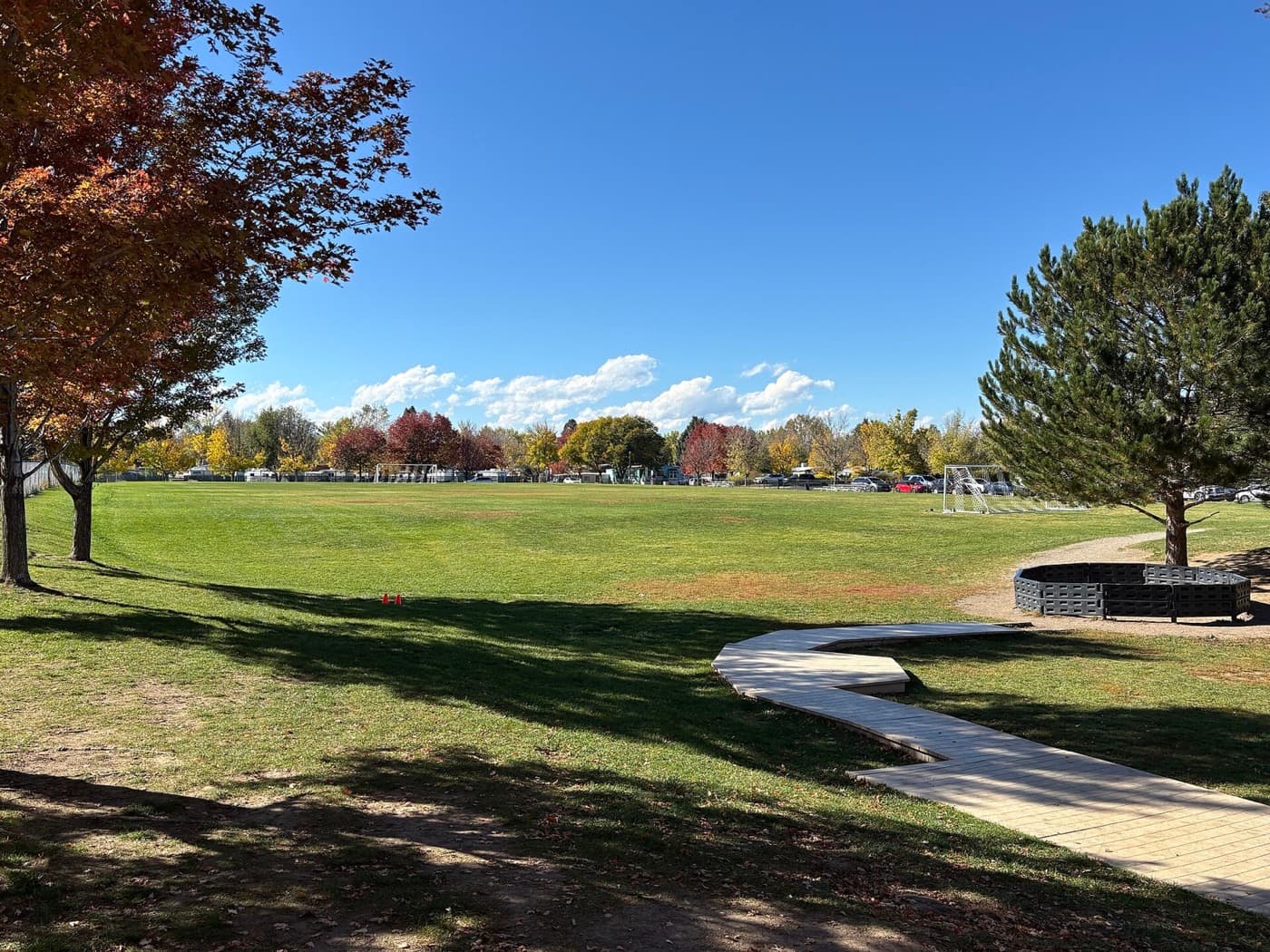
Football
The world’s most popular team sport — endless running, teamwork and community in one game.
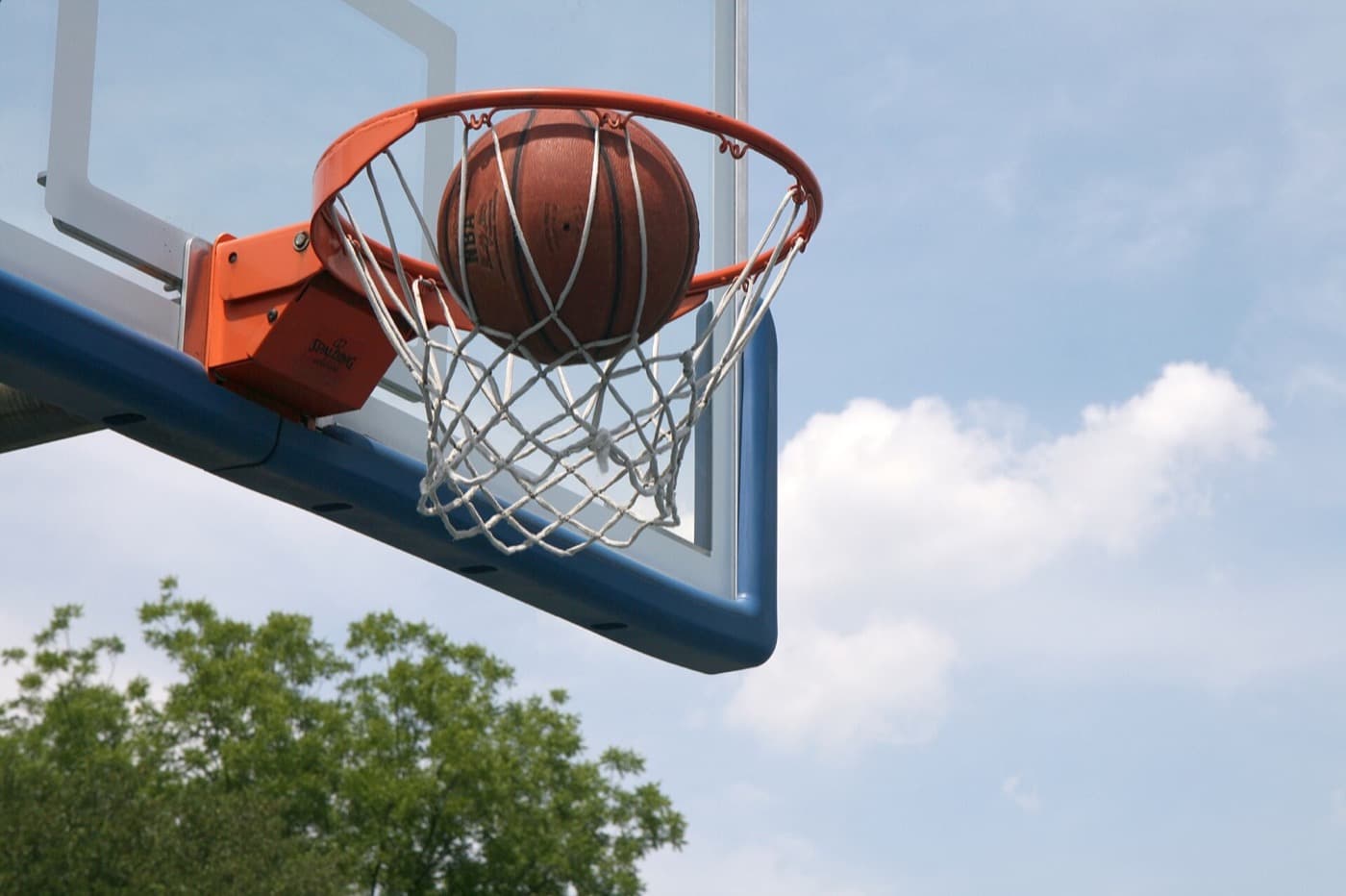
Basketball
A fast, dynamic team sport of running, jumping and quick decisions on court.
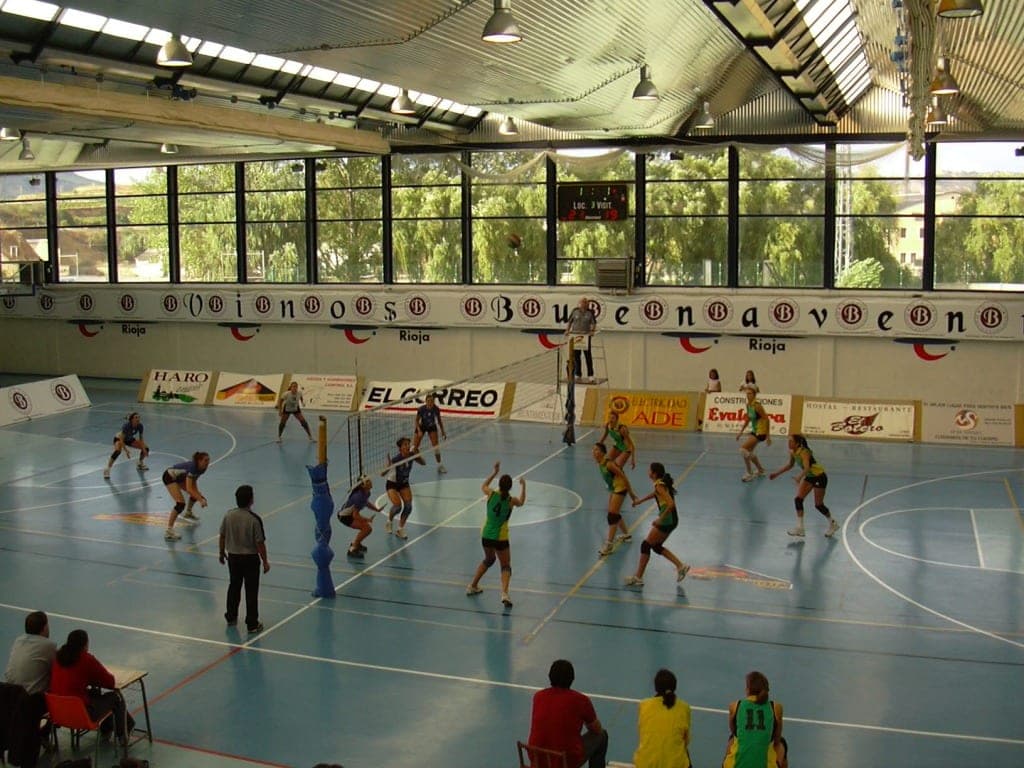
Volleyball
A non-contact team sport of rallies, jumps and teamwork — indoors or on the beach.
Frequently asked questions
What do players communicate on defence?
Defensive communication usually covers who is marking whom, where the immediate danger is, when to switch responsibilities and when a teammate needs help. It tends to rely on a few short, shared calls that a team rehearses, and the exact words vary by sport, system and level.
Explore across the knowledge base
Follow the threads that connect Defensive communication to the rest of SocialSportHub.
Skills
Tactics
- Zone defenceA defensive system where each player guards an area of the court rather than a specific opponent.
- Man-to-man markingA defensive tactic where each defender is assigned a specific opponent to track and contain.
- Full-court pressAn aggressive basketball defence that pressures the ball across the whole court to force turnovers.
- Fast breakPushing the ball up court at speed after a turnover or rebound to score before the defence sets up.
- Counter-attackWinning the ball and moving forward at speed to attack before the opponent can reorganise their defence.
Player roles
- AnchorThe anchor is a cross-sport holding role: a steadying, defensive-minded player who shields the back line, screens danger and gives teammates a reliable base.
- SweeperA covering defender who plays behind the main defensive line, free of a fixed marking job, to read danger and clean up attacks that slip past teammates.
- PlaymakerThe playmaker is a team's creative hub — the player who orchestrates attacks, controls the tempo and distributes the ball so teammates can score.
Decision making
- Situational awarenessHolding an overall picture of what is happening around you — teammates, opponents, ball, space and the state of the game — and keeping it updated as play unfolds.
- When to defendJudging the moment to switch from attacking intent to protecting your goal, court or position — recognising when the situation calls for security over ambition.
- Transition decisionsThe choices made at the moment a situation flips — winning or losing the ball, and switching between attack and defence.
- Pass selectionChoosing which pass to play, and to whom, from the options a moment offers — weighing space, risk and what the team is trying to do.
- Positioning choicesDeciding where to place yourself — often before the ball arrives — to cover space, stay ready to act and shape what an opponent can do.
Knowledge Atlas
How this page is maintained
- Content type
- Communication concept
- Provenance
- Tier A — evergreen educational
- Verified external sources
- 0
- Content updated
- 2026-07-12
Evergreen, first-party explanation — it makes no claim that needs an external source. How we handle sources and reviews.