
Shooting
The skill of striking or releasing the ball toward the goal or basket to score.
Overview
Shooting is the attempt to score by directing the ball at the target, whether that is a goal, a basket or a net. It blends technique, timing and composure: the best chance is often missed by rushing.
Because scoring is the point of most team sports, shooting is a prized skill. Accuracy and decision-making usually beat raw power, especially under pressure from defenders.
Key points
- Placing the ball accurately generally beats hitting it as hard as possible.
- Being balanced at the moment of the shot makes contact cleaner and more repeatable.
- Choosing the right moment to shoot is as important as the shot itself.
- In basketball, close-range finishes and the free-throw reward soft touch over power.
- Composure in front of goal comes from repetition and clear decision-making.
Where it’s used
Sports that use shooting:
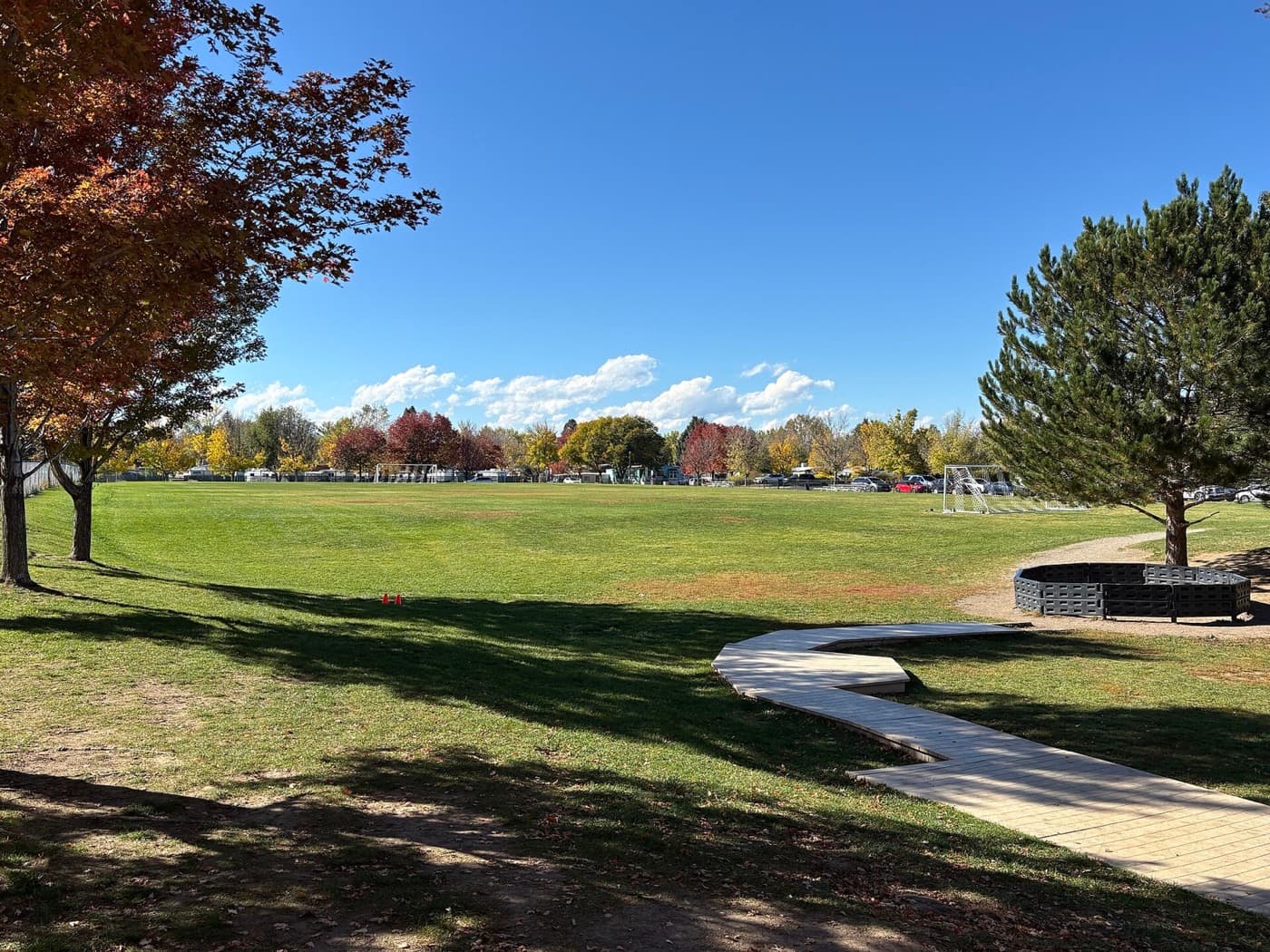
Football
The world’s most popular team sport — endless running, teamwork and community in one game.
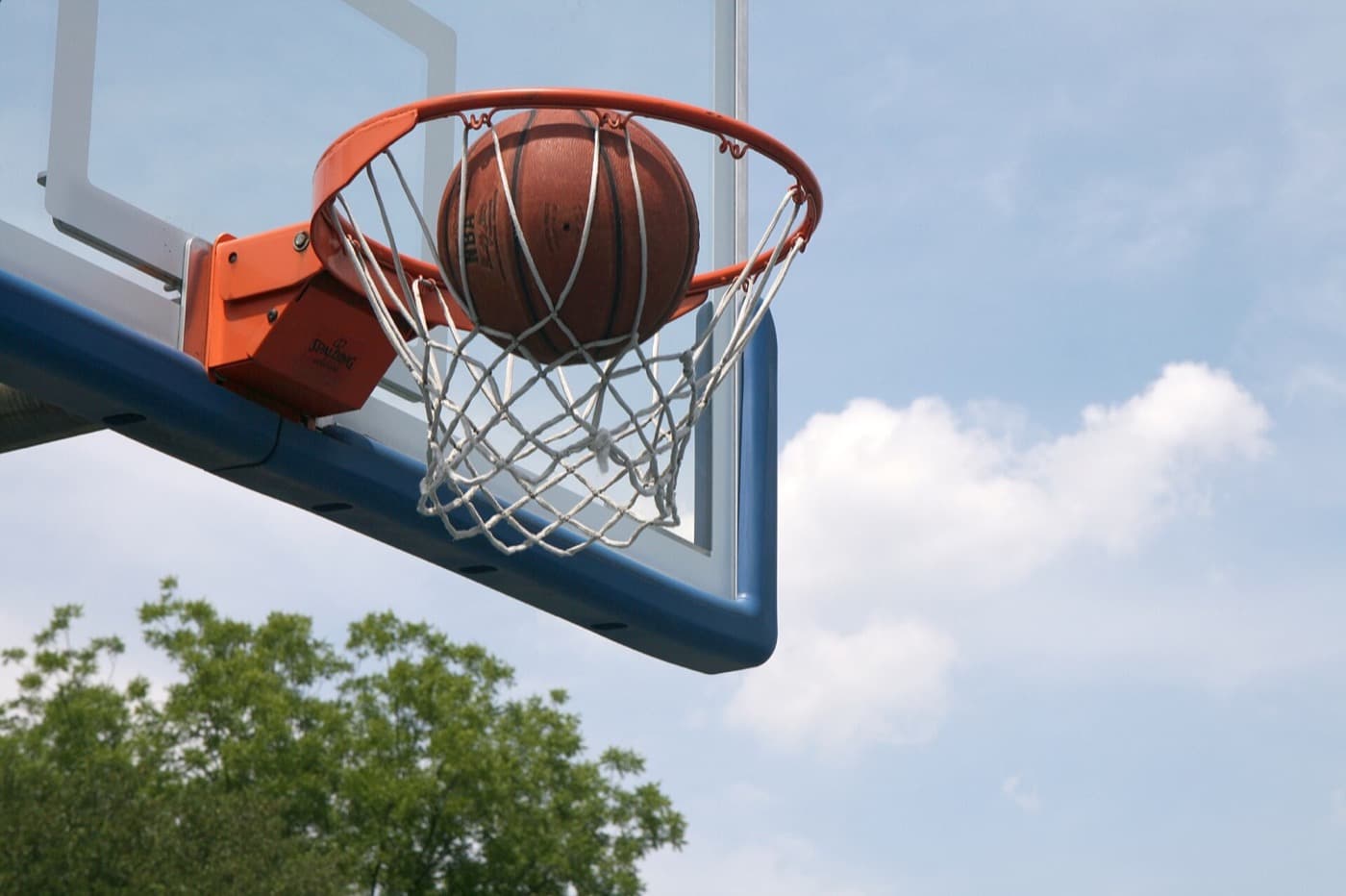
Basketball
A fast, dynamic team sport of running, jumping and quick decisions on court.
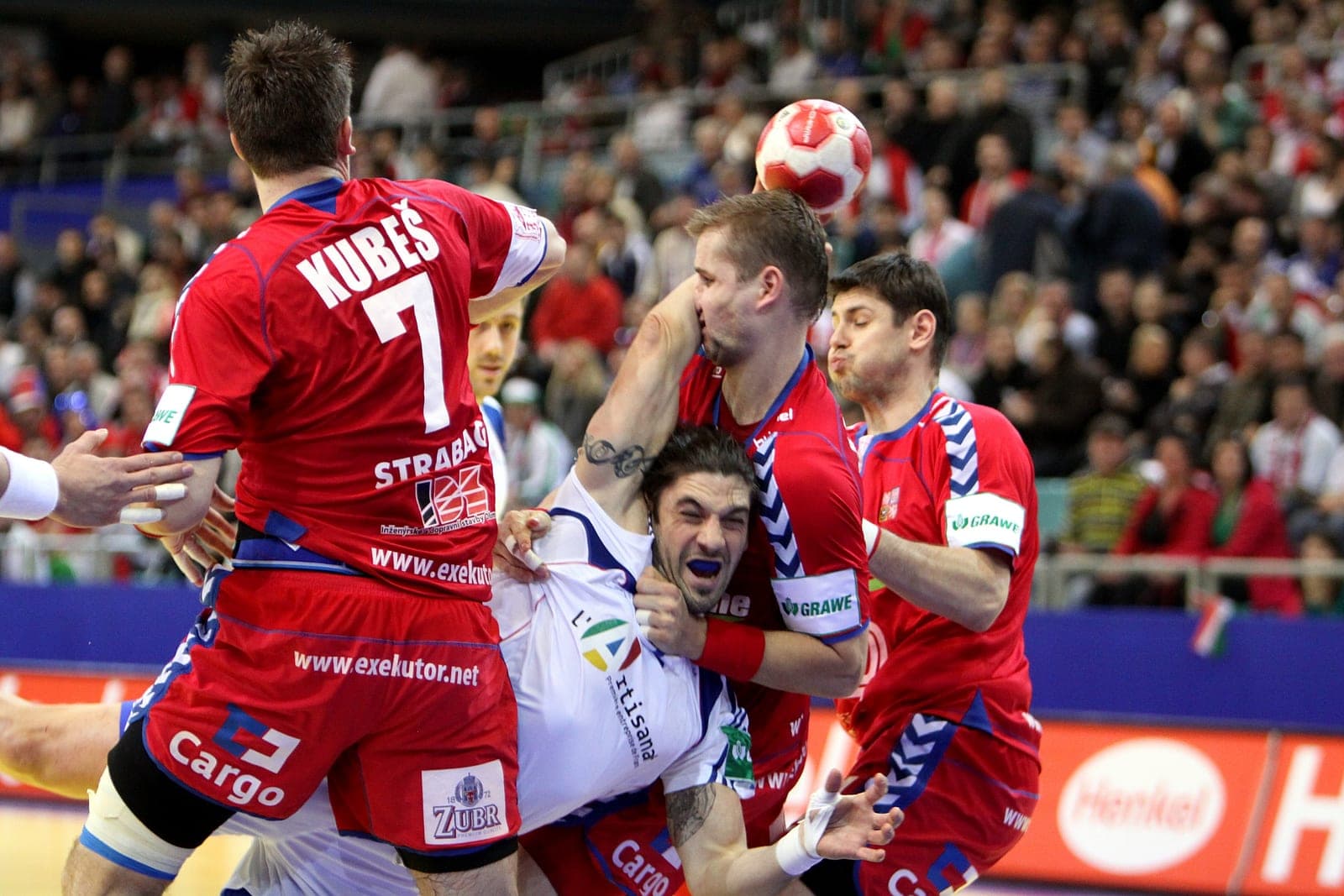
Handball
A fast indoor team sport of passing, jumping and throwing to score with the hands.
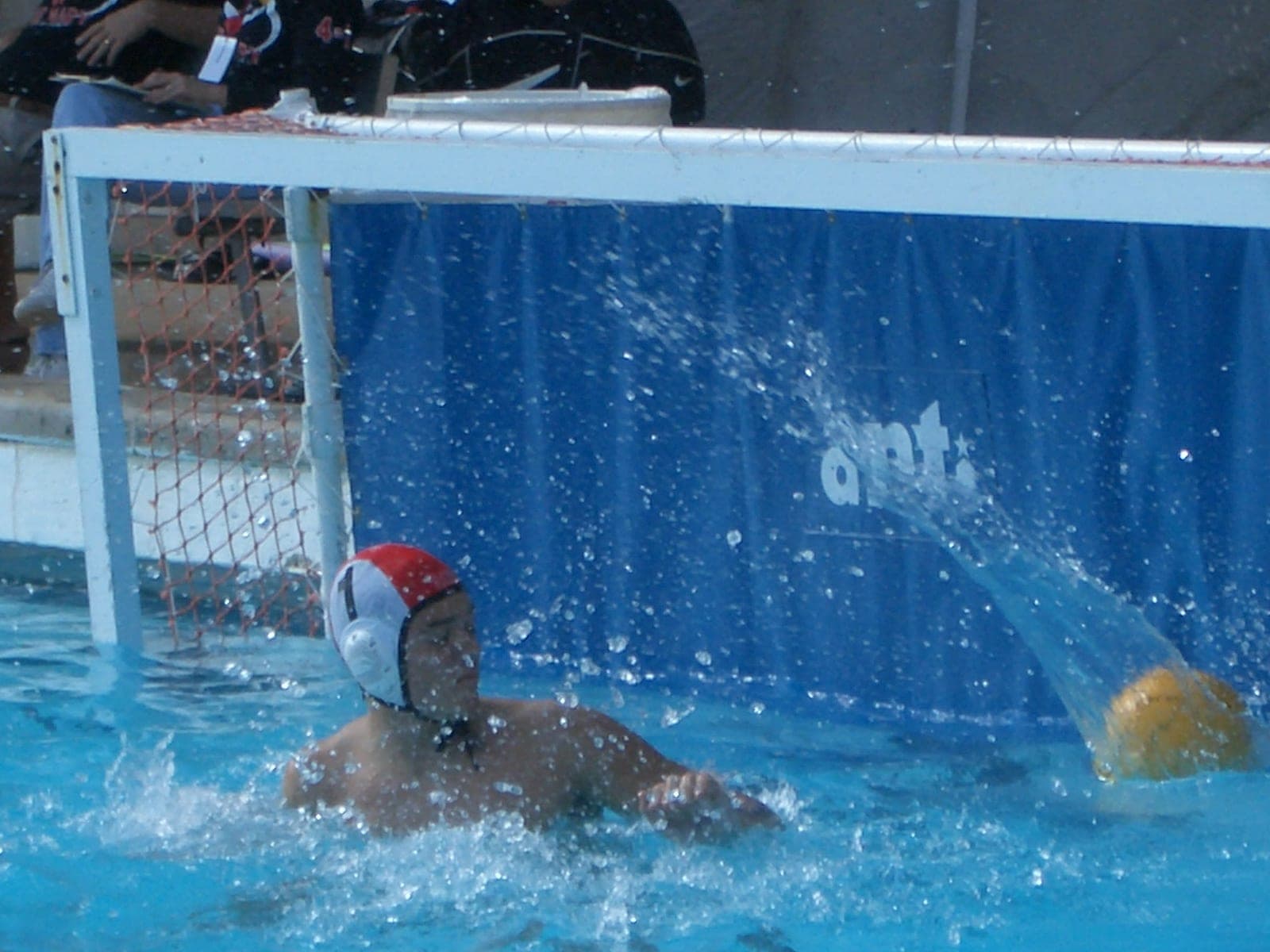
Water Polo
A demanding team sport played in deep water, blending swimming endurance with tactics.
Related skills
Footwork
The skill of moving efficiently around the playing area to be in position for each shot or action.
Passing
The skill of moving the ball to a teammate accurately to keep possession and create chances.
Dribbling
The skill of moving with the ball under close control to beat opponents or keep possession.
How it connects
The meaning-bearing relationships that place Shooting in the wider knowledge graph — each one with the reason it exists.
Progresses to
The next step in a curated learning order.
Progresses from
The step that comes before this one in a curated learning order.
Frequently learned together
Taught side by side in the same stage of a learning path.
- PassingBoth are taught in the “Learn the core skills” stage of the Football learning path.
- DribblingBoth are taught in the “Learn the core skills” stage of the Football learning path.
- Ball controlBoth are taught in the “Learn the core skills” stage of the Football learning path.
- TacklingBoth are taught in the “Learn the core skills” stage of the Football learning path.
- MarkingBoth are taught in the “Learn the core skills” stage of the Football learning path.
Part of
The wider grouping this belongs to.
Explore across the knowledge base
Follow the threads that connect Shooting to the rest of SocialSportHub.
Skills Academy
- Precision skillsSkills where accuracy is everything — placing a serve, a shot, a pass or a set exactly where you want it.
- Ball-sport skillsThe skills that recur across ball games — control, passing, dribbling, shooting and defending.
- Endurance-sport skillsThe skills of going the distance — pacing, breathing and efficient technique in running, cycling and swimming.
Strategies
- Playing the percentagesFavouring the higher-probability, lower-risk option most of the time to cut out unforced errors, while recognising when a calculated risk is worth taking.
- Possession vs Direct PlayThe strategic choice between retaining the ball to build attacks patiently and moving it forward quickly and directly toward the goal.
Movement patterns
- KickA ballistic single-support leg swing that whips force from the plant foot through the hip and knee to strike or propel a ball or target with the foot, distinct from the weight-bearing steps of locomotion.
- ThrowPropelling an object by releasing it from the hand, driven by a proximal-to-distal kinetic-chain sequence that summates speed from the legs through the trunk and arm to the release point.
Techniques
- Jump ShotA basketball shot released at the top of a vertical jump, letting the shooter get the ball over a defender with a soft, arcing release.
- LayupA close-range basketball shot taken while moving toward the basket, laying the ball softly off the backboard or over the rim.
- Free ThrowAn unguarded basketball shot taken from the free-throw line, relying on a calm, repeatable routine rather than power.
- HeaderA technique for controlling or striking the ball with the forehead in football, used to pass, shoot or clear the ball in the air.
- Crossover DribbleA basketball dribbling move that switches the ball quickly from one hand to the other to change direction and get past a defender.
Coaching concepts
- Decision-Making PracticeTraining athletes to read cues and choose the right action under pressure — coupling perception to action, not just rehearsing physical technique in isolation.
- Repetition QualityThe attention and intent behind each repetition matter more than raw volume — focused, well-executed reps build skill faster than mindless numbers.
- Practice VariabilityVarying practice conditions — spacing, interleaving skills and changing situations — to build adaptable, durable skill, even when it feels harder day to day.
Go deeper with Shooting
Everywhere else on the platform that covers Shooting — assembled from what actually references it, so nothing here is a dead end.
Learn it
Structured courses and paths on the platform that cover this directly.
How this page is maintained
- Content type
- Skill
- Provenance
- Tier A — evergreen educational
- Verified external sources
- 0
- Content updated
- 2026-09-12
Evergreen, first-party explanation — it makes no claim that needs an external source. How we handle sources and reviews.