
Overview
A kick is a ballistic action in which the leg is swung to strike or propel a ball, implement or target with the foot, driven by a kinetic chain that runs from the supporting foot up through the pelvis and out to the swing leg. The plant leg is placed beside or behind the target and stiffens to convert ground-reaction force into a stable base while the pelvis rotates and tilts; the hip flexors and rotators then accelerate the thigh forward and the knee follows in a whip-like extension, so that the shank and foot reach peak speed at the moment of contact in the same proximal-to-distal sequence seen in throwing and striking. A backswing pre-stretches the hip flexors and the front of the thigh, loading the stretch-shortening cycle, while the opposite arm swings across the body to counter the rotational momentum and the trunk leans to position the foot. Because the striking leg is unsupported and moving fast, single-leg balance over the plant foot and control of the trunk are integral to the action, and after contact the leg follows through while the body re-establishes its base.
How a kick is expressed depends heavily on the object, the foot surface and the goal of each sport. In football the same basic pattern produces a cushioned inside-foot pass, a driven instep shot, a lofted chip or a volley of a moving ball, each using a different contact surface and approach angle; futsal shortens the backswing for tight spaces, while rugby and American football trade a struck ball for place-, drop- and punt-kicks that prize height and distance. Striking sports such as taekwondo and karate replace the ball with a target or opponent, so front, roundhouse and side kicks demand large hip range of motion and chamber-and-extend mechanics rather than ball contact. In swimming the leg 'kick' is not an impact at all but a propulsive flutter or dolphin action against the water, generating thrust through rhythm rather than a single collision. These differences in surface, target and medium mean that kicks share a swing-leg, single-support foundation but are never performed identically from one sport to the next.
What defines it
- Single-leg support base: the plant leg stiffens beside the target to turn ground-reaction force into a stable platform, so balance and control over one foot are part of the movement, not incidental to it.
- Proximal-to-distal leg whip: the pelvis and hip flexors accelerate the thigh first, then the knee extends in a whip so the foot reaches peak speed at contact, summating speed from large to small segments.
- Hip pre-stretch and counter-rotation: a backswing loads the hip flexors and quadriceps via the stretch-shortening cycle while the opposite arm and trunk rotate the other way to balance angular momentum.
- Contact surface sets the outcome: which part of the foot meets the object — inside, instep/laces, outside or toe — together with the approach angle governs direction, spin, height and whether the aim is cushion or power.
- Follow-through and re-balancing: after contact the swing leg continues along its arc and the body decelerates the limb and recovers balance over the support foot.
How it differs from nearby movements
Movements that look similar but are not the same thing.
- Not the same as gait
- A running or walking step is locomotor: the swing leg is placed back onto the ground to bear body weight and drive the body forward. A kick's swing leg is ballistic and does not land to support — it accelerates to strike or propel a ball or target while the opposite leg bears weight.
- Not the same as strike
- A kick is a strike performed with the foot or leg rather than the hand, arm or an implement; the two share proximal-to-distal sequencing but differ in the contact segment and in the single-leg balance demand.
- Not the same as lunge
- A lunge plants and loads the leg beneath the body under weight as a strength or locomotor position, whereas a kick's striking leg is unloaded and free, swinging ballistically rather than supporting the body.
A note on this information
Exercises that train the kick
Movements built on this pattern — educational examples, not a prescription.
Lunge
A single-leg movement where you step forward and bend both knees to lower your body.
Bulgarian split squat
A single-leg squat where the back foot is raised on a bench behind you.
Step-up
A movement where you step up onto a raised platform one leg at a time and step back down.
Glute bridge
A floor exercise where you lift your hips by squeezing your glutes with your feet planted.
Kettlebell swing
A dynamic hinge where you swing a kettlebell to shoulder height using a snap of the hips.
High knees
A running-in-place cardio drill where you lift the knees high with a quick rhythm.
Sports skills that express it
The learnable skills of a sport that this movement underlies.
Shooting
The skill of striking or releasing the ball toward the goal or basket to score.
Passing
The skill of moving the ball to a teammate accurately to keep possession and create chances.
Ball control
The skill of receiving and settling the ball quickly so it is ready to use.
Dribbling
The skill of moving with the ball under close control to beat opponents or keep possession.
Footwork
The skill of moving efficiently around the playing area to be in position for each shot or action.
Balance
The skill of keeping the body stable and controlled while still or moving.
Sports techniques that use it
How the movement shows up in the specific techniques of a sport.
The science and how it’s learned
The concepts that explain this movement and help in learning it.
Sports that rely on it
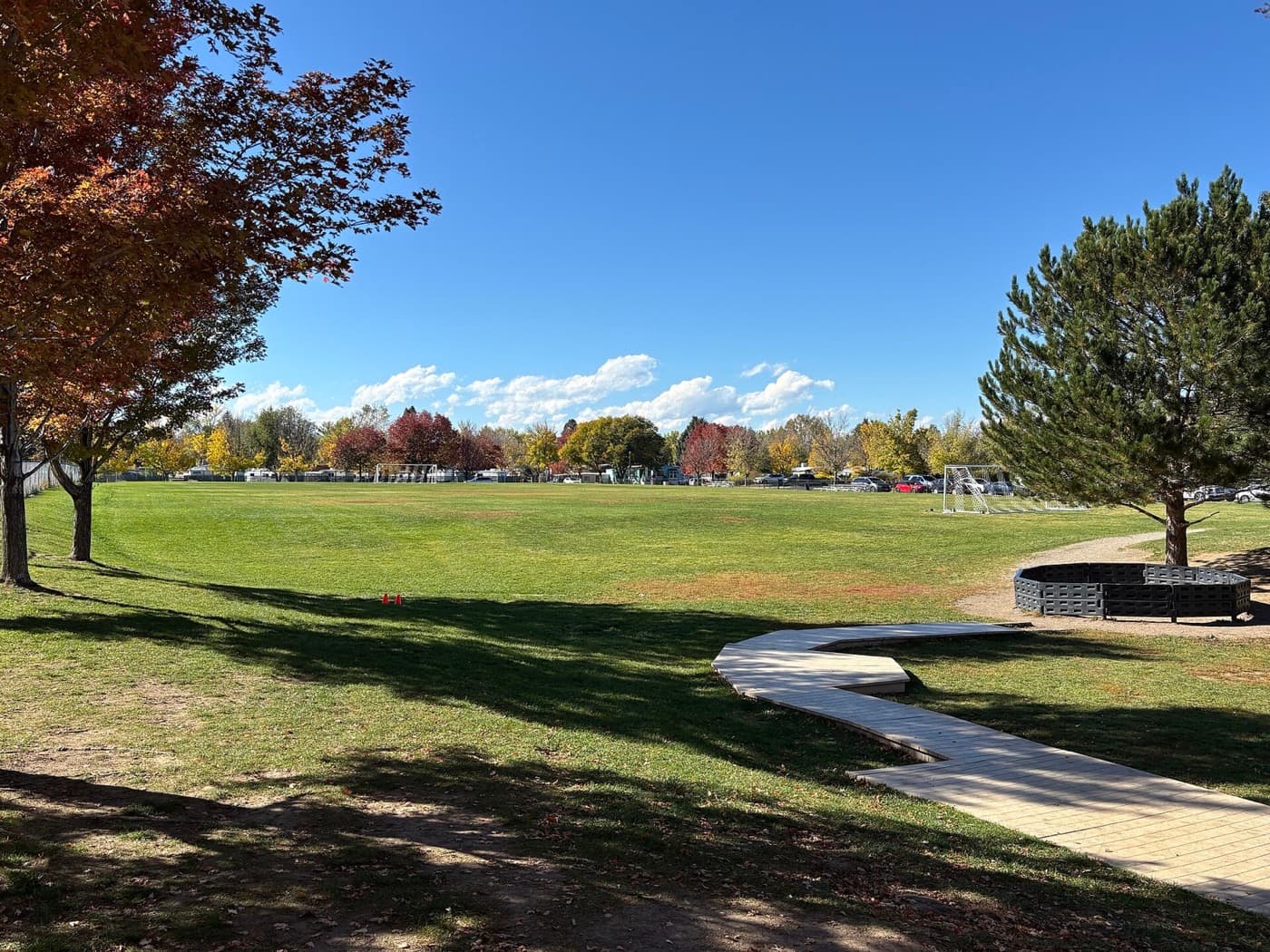
Football
The world’s most popular team sport — endless running, teamwork and community in one game.
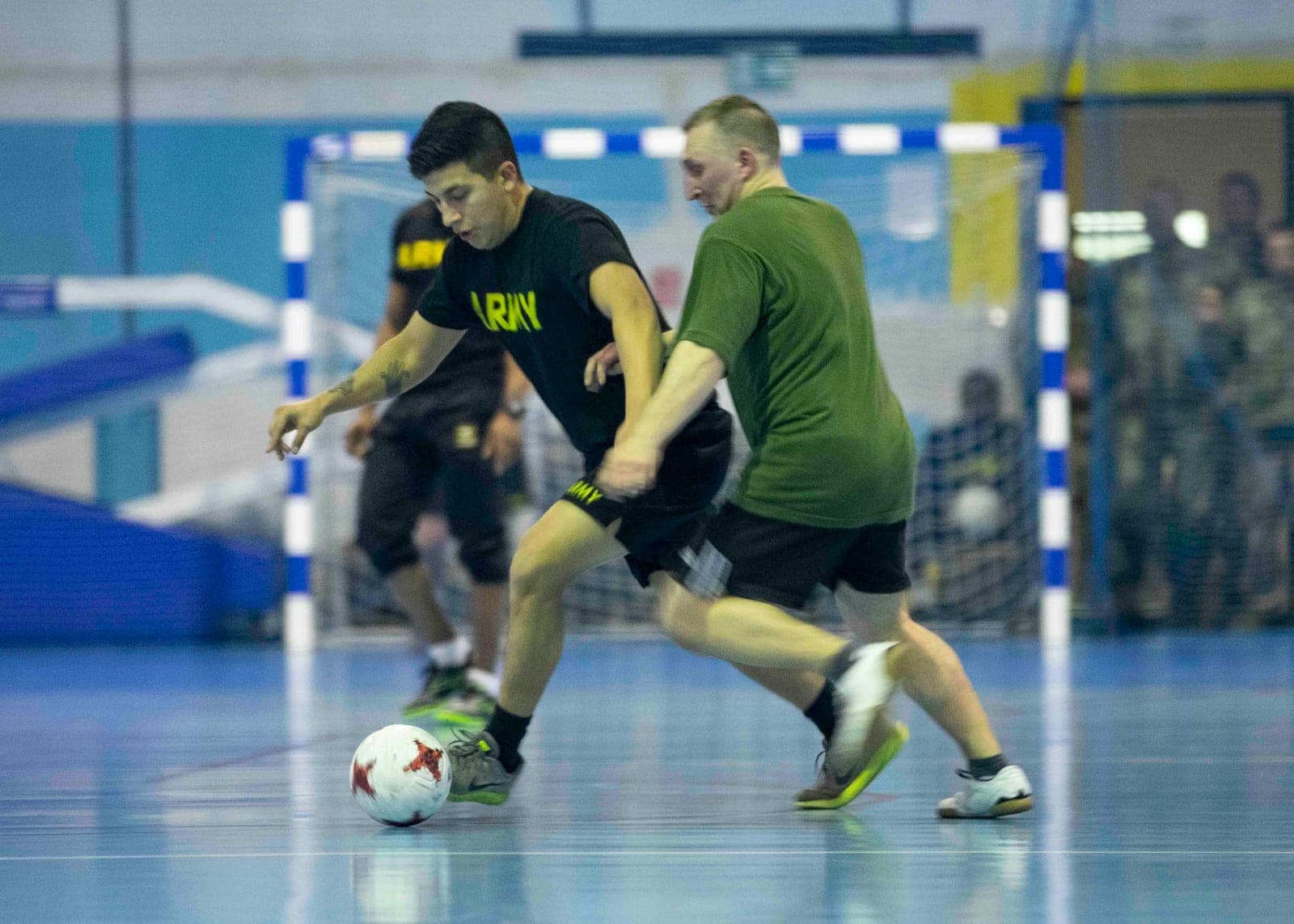
Futsal
A fast, small-sided indoor form of football played on a hard court with a low-bounce ball.
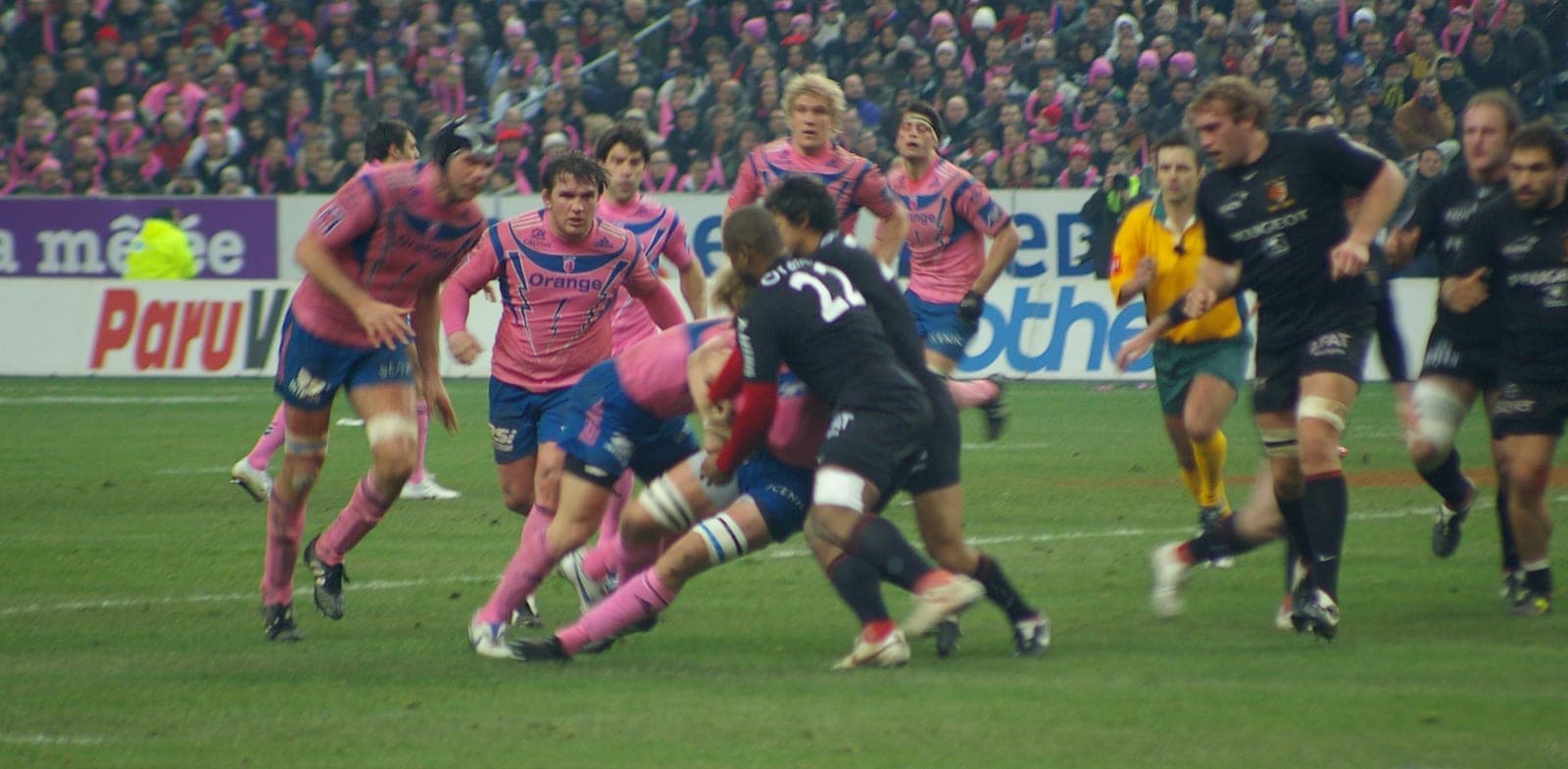
Rugby
A physical team sport of carrying, passing and kicking an oval ball toward the opposing line.
American Football
A strategic, position-based team sport of set plays, sprinting and coordinated teamwork on a marked field.
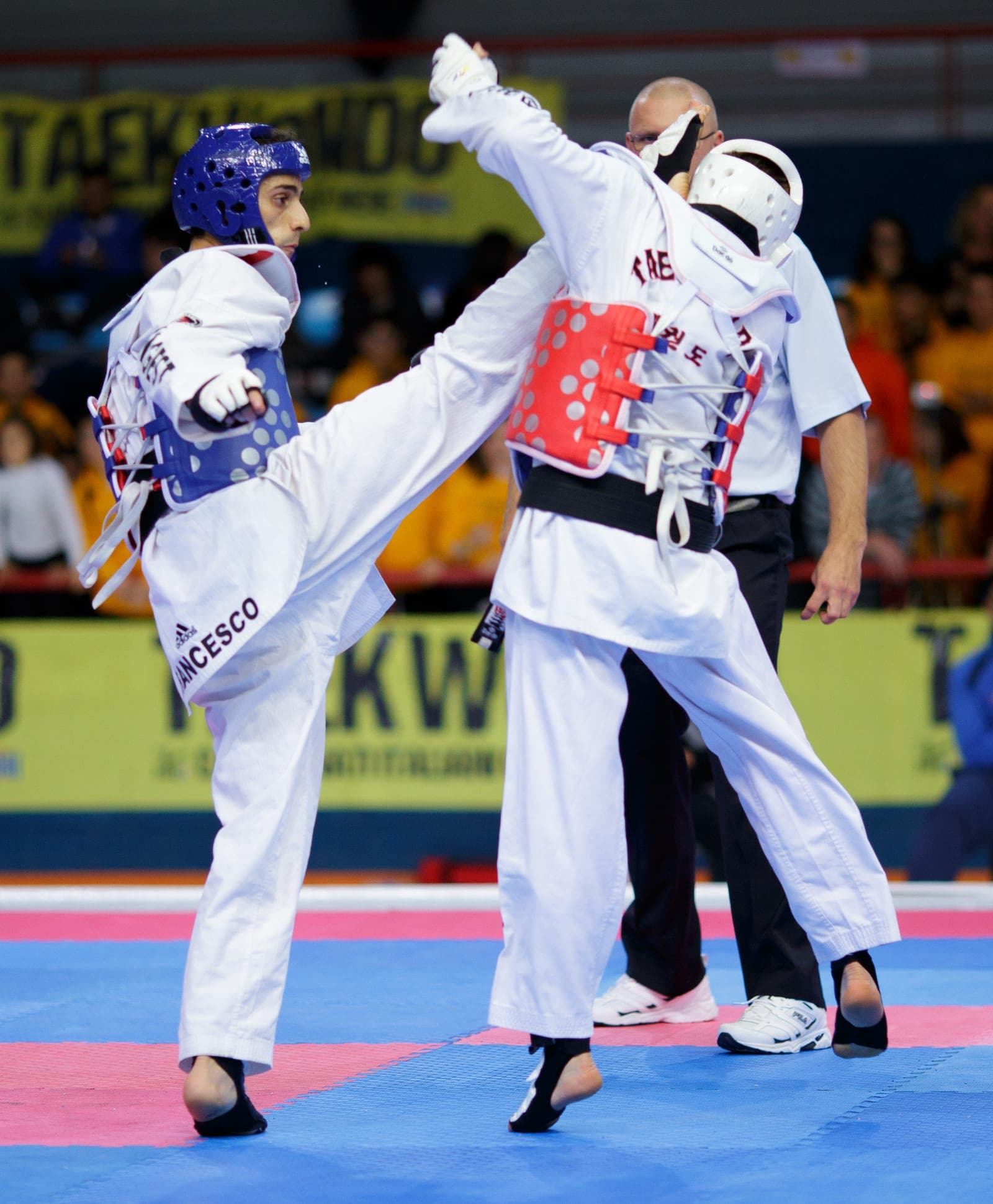
Taekwondo
A striking martial art known for its dynamic kicking techniques, agility and structured progression.
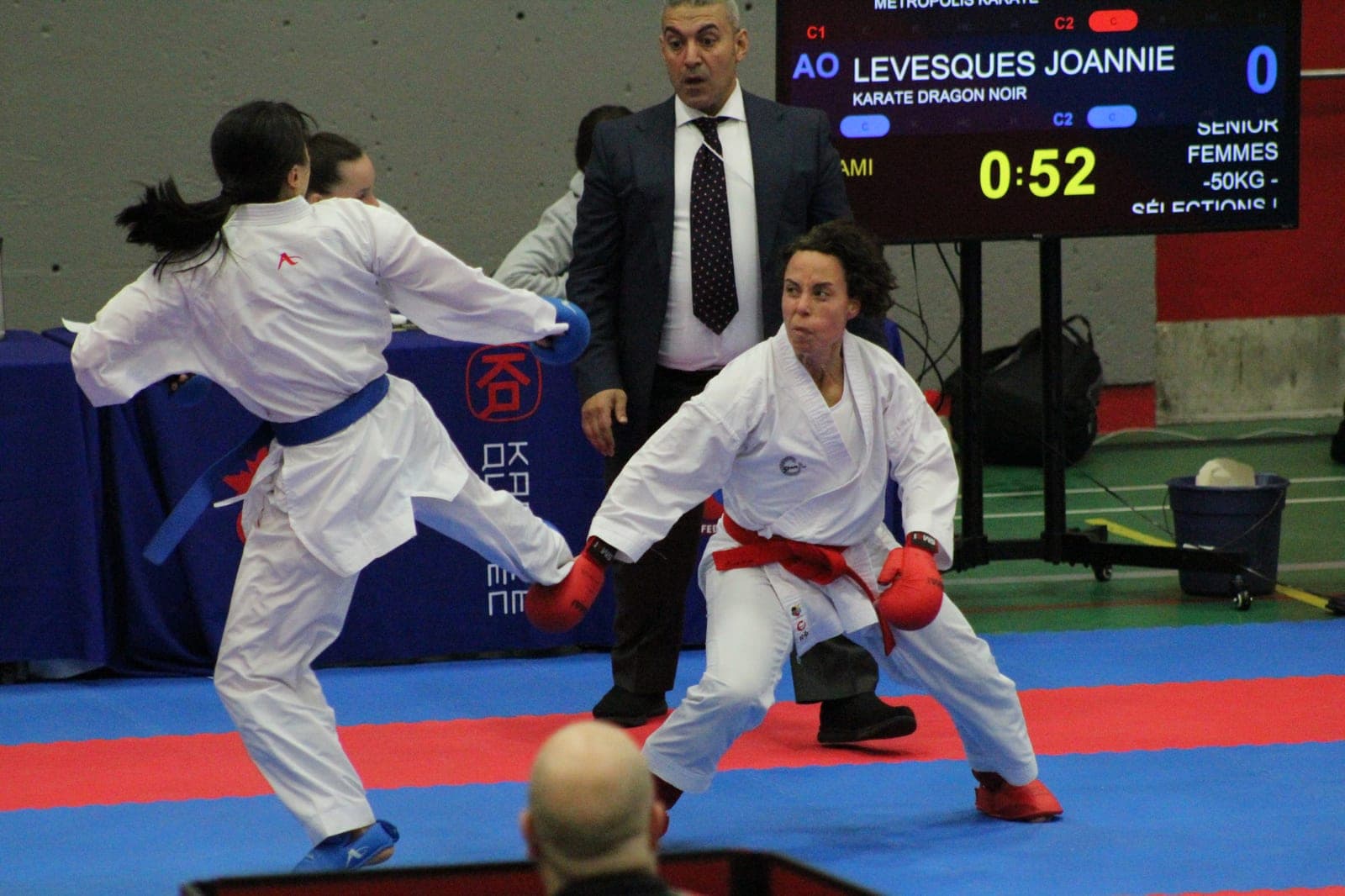
Karate
A striking martial art of punches, kicks and forms, structured around steady progression for all ages.
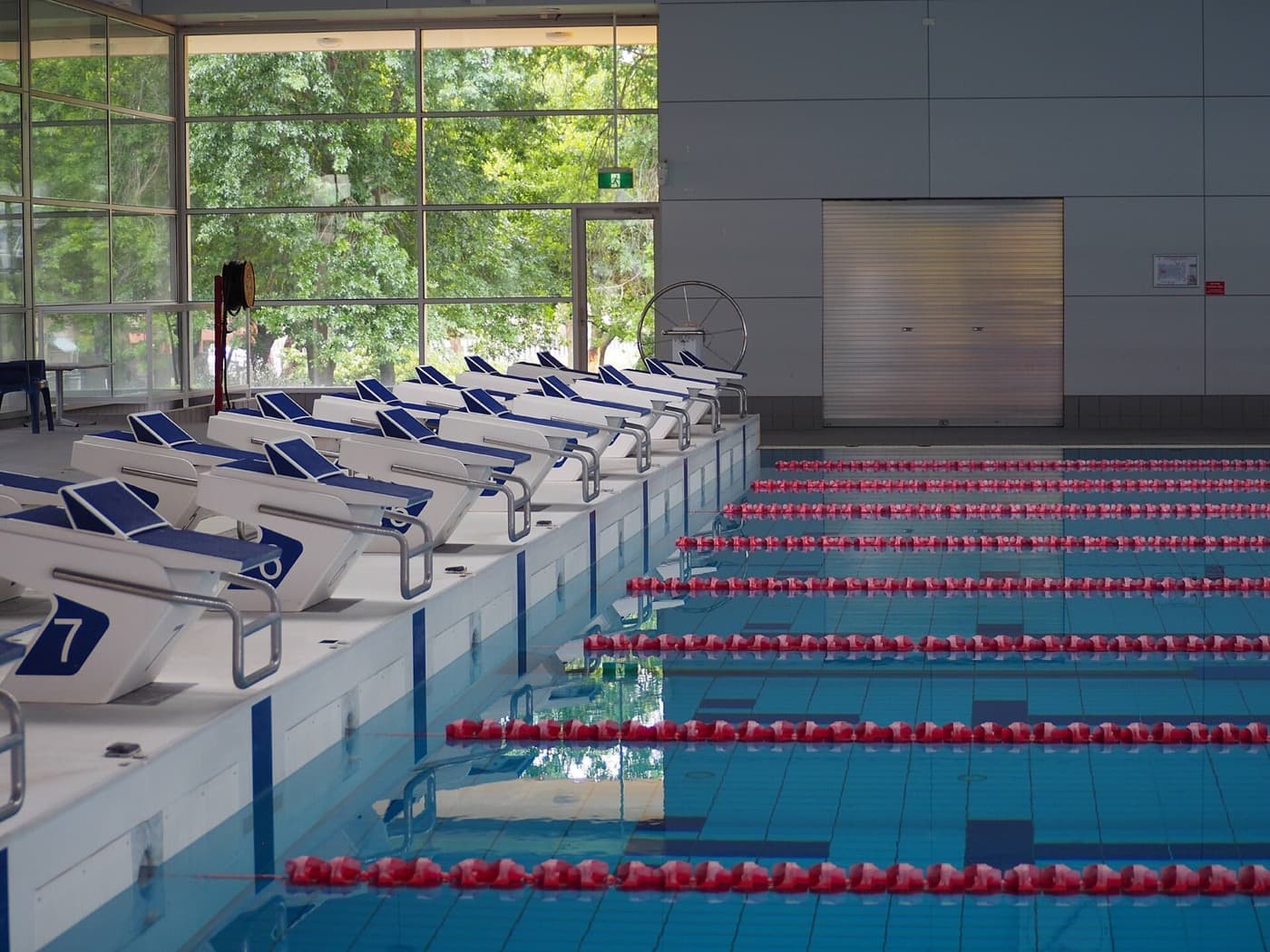
Swimming
A full-body, low-impact endurance sport suitable for almost every age and ability.
Compare kick with…
Movements it is often confused with — see exactly how they differ.
How it connects
The meaning-bearing relationships that place Kick in the wider knowledge graph — each one with the reason it exists.
Builds on
Understanding these first makes this one make sense.
Commonly confused with
Close enough to be mixed up — the distinction is worth knowing.
Explore across the knowledge base
Follow the threads that connect Kick to the rest of SocialSportHub.
Movement comparisons
- Gait vs KickGait vs Kick: how these two movements differ, what they share, and how to tell them apart — from mechanics to the sports that use them.
- Kick vs LungeKick vs Lunge: how these two movements differ, what they share, and how to tell them apart — from mechanics to the sports that use them.
- Kick vs StrikeKick vs Strike: how these two movements differ, what they share, and how to tell them apart — from mechanics to the sports that use them.
- Push vs StrikePush vs Strike: how these two movements differ, what they share, and how to tell them apart — from mechanics to the sports that use them.
- Strike vs ThrowStrike vs Throw: how these two movements differ, what they share, and how to tell them apart — from mechanics to the sports that use them.
Skills
- ShootingThe skill of striking or releasing the ball toward the goal or basket to score.
- PassingThe skill of moving the ball to a teammate accurately to keep possession and create chances.
- Ball controlThe skill of receiving and settling the ball quickly so it is ready to use.
- DribblingThe skill of moving with the ball under close control to beat opponents or keep possession.
- FootworkThe skill of moving efficiently around the playing area to be in position for each shot or action.
Sports science
- The kinetic chainThe idea that the body’s segments work as a linked chain, passing force from the ground up through the hips, trunk and limbs.
- BiomechanicsThe study of how the body produces and controls movement — the mechanics behind every technique in sport.
- Force and powerThe difference between how much force the body can produce and how quickly it can produce it — the mechanics behind strength and explosiveness.
- Range of motionHow far a joint can travel through its movement — the arc available at a joint, and the foundation of flexibility and mobility.
- Motor controlHow the brain and nervous system organise the muscles to produce coordinated, controlled movement.
Training methods
- PlyometricsPlyometrics are jumping and bounding drills that train muscles to produce force quickly, developing power and springiness through explosive movement.
- Flexibility TrainingFlexibility training uses stretching to gradually improve how far your muscles and joints can comfortably lengthen and move.
- Mobility TrainingMobility training works on moving your joints actively through their full range, combining control and flexibility so movement feels free and easy.
- Strength TrainingStrength training uses resistance — bodyweight, bands or weights — to challenge your muscles so they gradually adapt and get stronger over time.
Coaching concepts
- Deliberate PracticeFocused, effortful practice that targets a specific weakness with full attention and immediate feedback — not just repeating what you already do well.
- Repetition QualityThe attention and intent behind each repetition matter more than raw volume — focused, well-executed reps build skill faster than mindless numbers.
- Skill acquisitionHow a movement or sports skill is learned — progressing from conscious, effortful control to smooth, largely automatic execution through practice and feedback.
- Constraints-Led PracticeA coaching approach that adjusts the task, environment or rules so a desired movement or decision emerges in practice, rather than being explicitly instructed.
Disciplines
- FreestyleFreestyle is the fastest swimming stroke, swum face-down with an alternating arm pull and flutter kick — the stroke most people picture when they think of swimming.
- BackstrokeBackstroke is swum face-up with an alternating arm pull and flutter kick — the one competitive stroke where you breathe freely because your face stays out of the water.
- ButterflyButterfly is swum with a simultaneous over-water arm recovery and an undulating dolphin kick — the most physically demanding stroke, built on rhythm and core-driven body movement.
Go deeper with Kick
Everywhere else on the platform that covers Kick — assembled from what actually references it, so nothing here is a dead end.
Take it away
Open data and the whole-platform view of this subject.
How this page is maintained
- Content type
- Movement pattern
- Provenance
- Tier A — evergreen educational
- Verified external sources
- 0
- Content updated
- 2026-07-13
Evergreen, first-party explanation — it makes no claim that needs an external source. How we handle sources and reviews.