
Overview
A strike is a ballistic, whole-body action in which force is generated at the ground and delivered to a target through a sequenced kinetic chain that ends at the hand, an implement, or another body part. Rather than the arm working in isolation, the movement typically begins with the legs pressing into the ground; the resulting ground-reaction force is passed upward through the pelvis and trunk, which rotate to build angular momentum. A brief counter-movement or 'coil' pre-stretches the hip and trunk musculature, and the separation between the hips and shoulders (often called the X-factor) loads elastic tissue via the stretch-shortening cycle. As the chain unwinds proximal-to-distal, each segment accelerates and then decelerates to pass its momentum onward, so that speed is summated and peaks at the distal end — the hand or implement — at the instant of contact. Because impact lasts only milliseconds, the outcome is highly sensitive to timing, contact point and the rigidity of the wrist or striking surface, and after contact the same musculature must decelerate the limb through a follow-through.
Although the underlying summation-of-speed principle is shared, the expression of a strike varies widely with the implement, the target and the rules of each sport. A boxer's cross and a karate reverse punch drive off the rear leg and rotate the trunk to land the fist, with no implement extending the chain; a tennis serve, a badminton smash or a volleyball spike add a jump and an overhead arm whip so that the racket or hand meets a ball above the head; a golf swing, a baseball or cricket bat and an ice-hockey slap shot lengthen the lever with an implement and often strike a ball that is stationary, tossed, bowled or moving at speed. Sports also differ in whether the target is fixed or reactive, how much backswing the tempo and rules allow, whether one or two hands guide the implement, and how precision is balanced against raw velocity — a table-tennis drive or a padel bandeja prizes control and spin, whereas a home-run swing or a flat serve prizes maximal speed. These constraints mean that no two striking actions are performed identically, even though they draw on the same kinetic-chain foundation.
What defines it
- Proximal-to-distal sequencing: large, slow segments (legs, pelvis, trunk) accelerate first and hand their momentum off to smaller, faster segments so that limb or implement speed is summated and peaks at contact.
- Ground-up force generation: the legs and a step or weight-shift press into the ground, and the ground-reaction force is the primary source of the power that the trunk and arm ultimately deliver.
- Stretch-shortening 'coil': a backswing and hip-to-shoulder separation pre-stretch the trunk and shoulder musculature, storing elastic energy that is released into the forward action.
- Momentary, timing-critical contact: force is transferred during an impact lasting only milliseconds, so contact point, surface rigidity and timing govern direction, spin and speed far more than sustained effort does.
- Follow-through and deceleration: after impact the limb continues along its path while the musculature decelerates it, dissipating the remaining momentum and returning the body toward balance.
How it differs from nearby movements
Movements that look similar but are not the same thing.
- Not the same as throw
- A strike delivers force to a ball, implement or target through a brief, high-velocity contact of the hand, bat, racket or body part, whereas a throw ends with the object being released from the hand; contact defines the strike, release defines the throw.
- Not the same as push
- A push maintains continuous contact and presses a load away with a relatively sustained force, while a strike is ballistic and momentary — the hand or implement is accelerated to peak speed and transfers its momentum in a fraction of a second at impact.
- Not the same as kick
- Both are ballistic impacts built on a proximal-to-distal kinetic chain, but a strike is delivered with the hand, arm, head or a hand-held implement, whereas a kick uses the foot or leg.
A note on this information
Exercises that train the strike
Movements built on this pattern — educational examples, not a prescription.
Russian twist
A rotational core exercise where you twist your torso from side to side while seated and leaning back.
Kettlebell swing
A dynamic hinge where you swing a kettlebell to shoulder height using a snap of the hips.
Bench press
A pressing exercise lying on a bench, lowering a weight to the chest and pushing it back up.
Overhead press
A standing press that drives a weight from the shoulders to overhead until the arms lock out.
Push-up
A classic upper-body pushing exercise where you lower and press your body up from the floor.
Sports skills that express it
The learnable skills of a sport that this movement underlies.
Serving
The skill of putting the ball or shuttle into play to start a point or rally.
Returning serve
The skill of reading and playing back an opponent’s serve to stay in the rally.
Spiking
The volleyball skill of jumping and striking the ball forcefully down into the opponent’s court.
Heading
The skill of directing the ball with the head to pass, clear or attempt to score.
Sports techniques that use it
How the movement shows up in the specific techniques of a sport.
Tennis Serve
The overhead stroke that starts every point, hit from behind the baseline into the diagonally opposite service box.
Topspin Forehand
A forehand groundstroke hit with a low-to-high swing that puts forward spin on the ball so it dips and kicks up on landing.
One-Handed Backhand
A backhand groundstroke struck with a single hand on the grip, driving through the ball with a full extension of the hitting arm.
Badminton Smash
A powerful, steeply downward overhead stroke that drives the shuttlecock sharply into the opponent's court to win the rally.
Volleyball Spike
A powerful attacking hit that drives the ball sharply downward over the net into the opponent's court, usually after an approach and jump.
Table Tennis Forehand Drive
A controlled attacking stroke in table tennis, played on the forehand side with a compact swing and light topspin.
Padel Bandeja
A controlled overhead shot in padel, hit with slice and moderate pace to keep the player at the net without over-committing.
The science and how it’s learned
The concepts that explain this movement and help in learning it.
Sports that rely on it
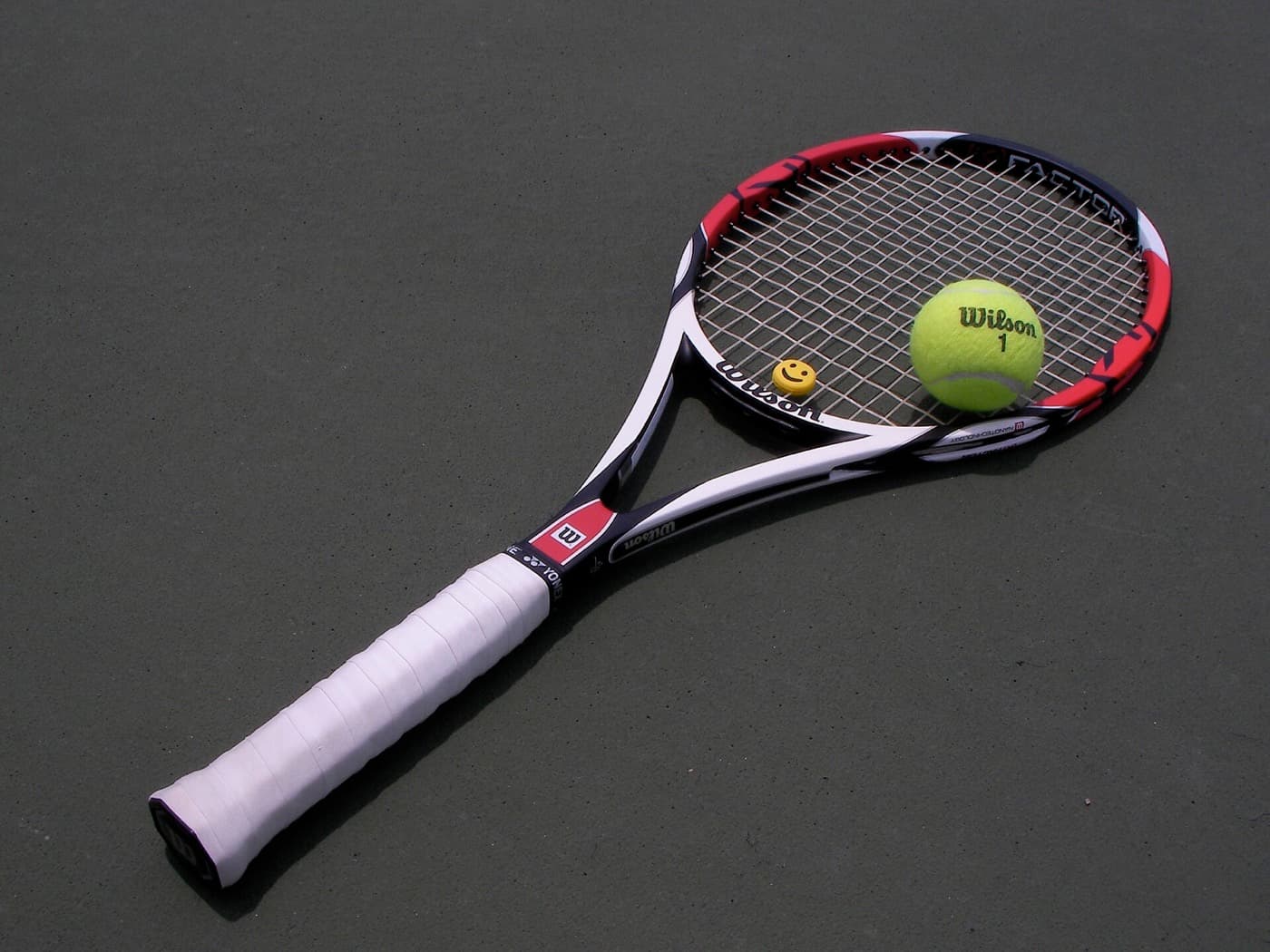
Tennis
A singles or doubles racquet sport that blends agility, strategy and stamina on court.
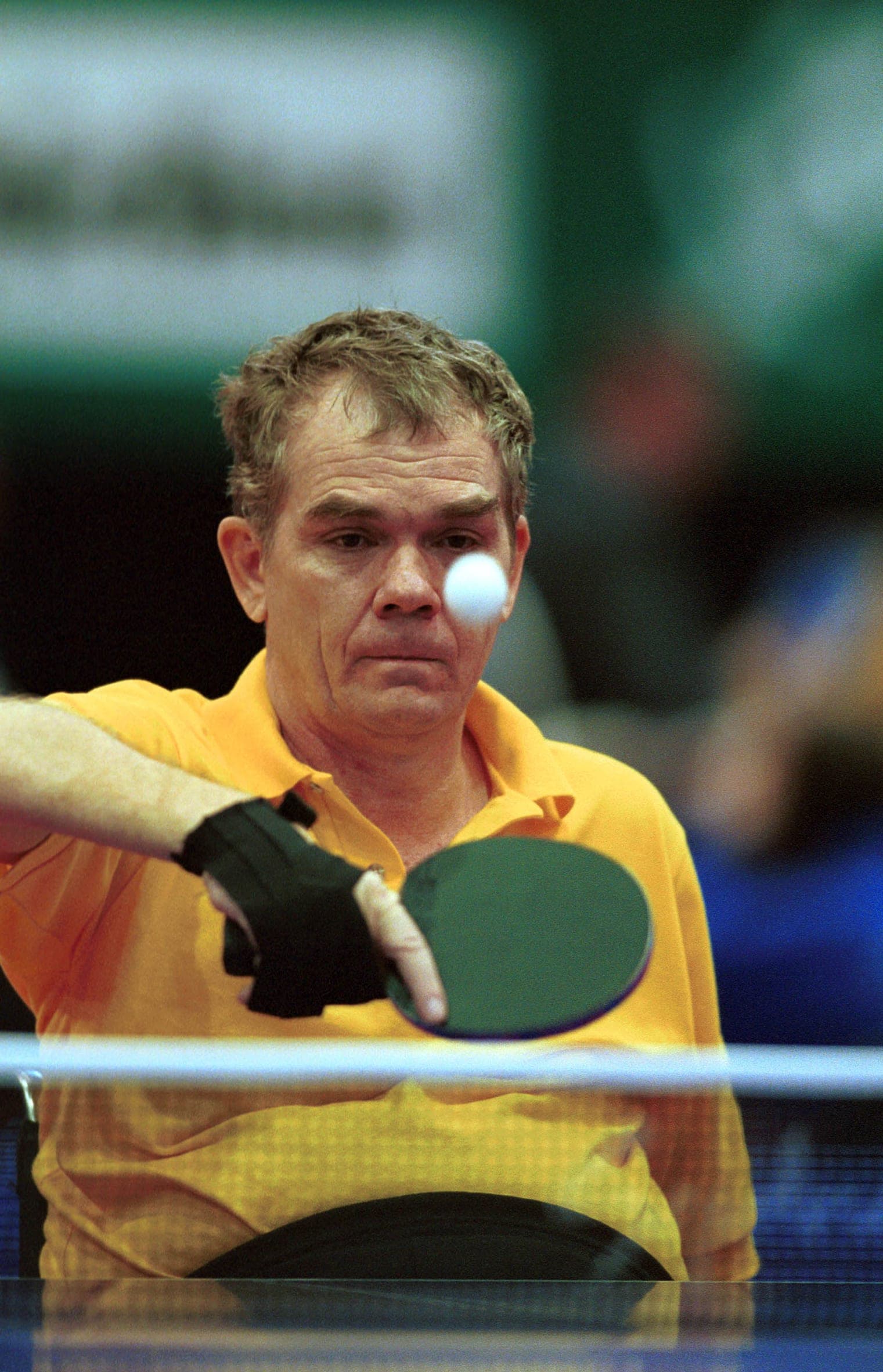
Table Tennis
A fast, low-impact indoor racquet sport that sharpens reflexes and is easy to start.
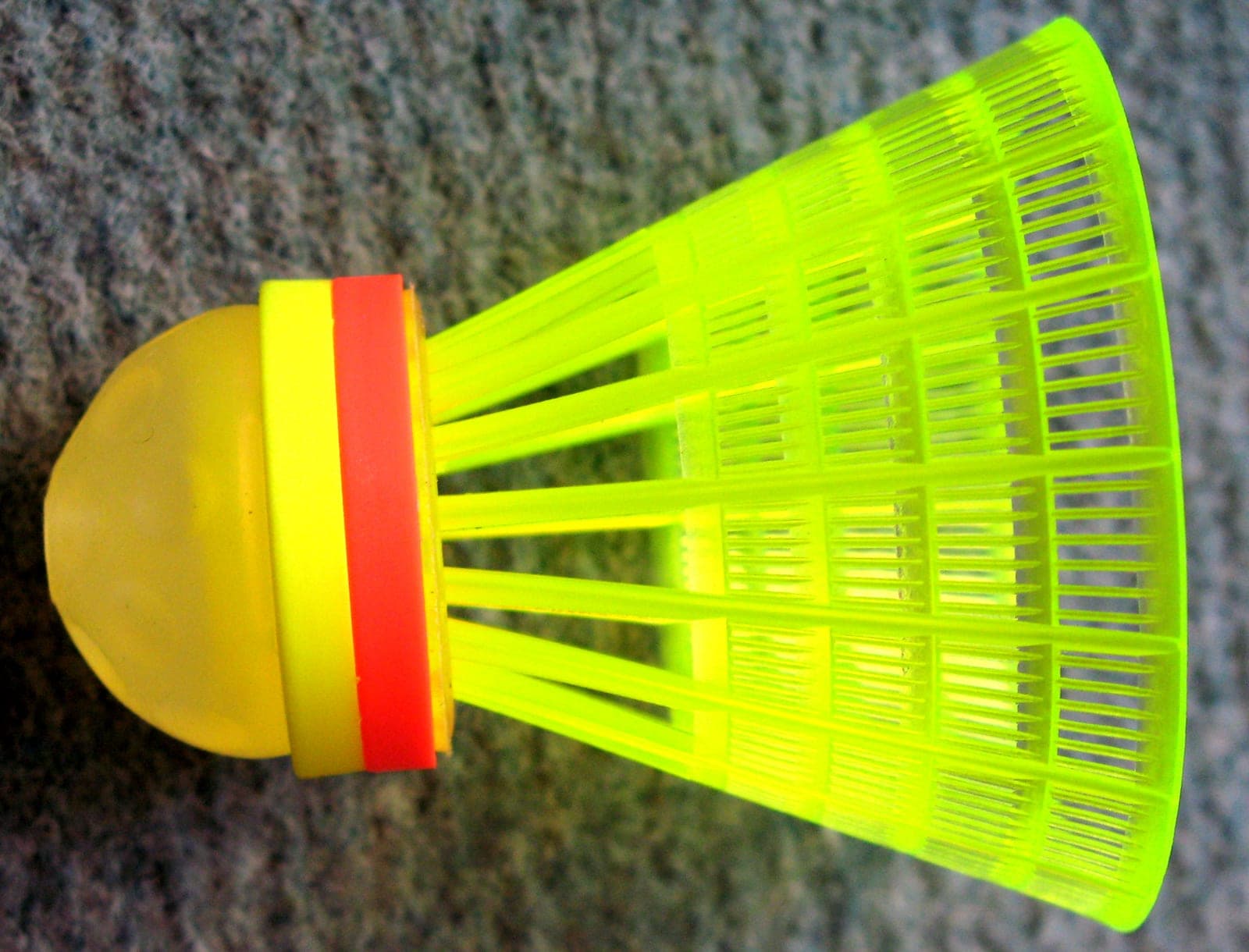
Badminton
A fast indoor racquet sport played with a shuttlecock that rewards agility and touch.
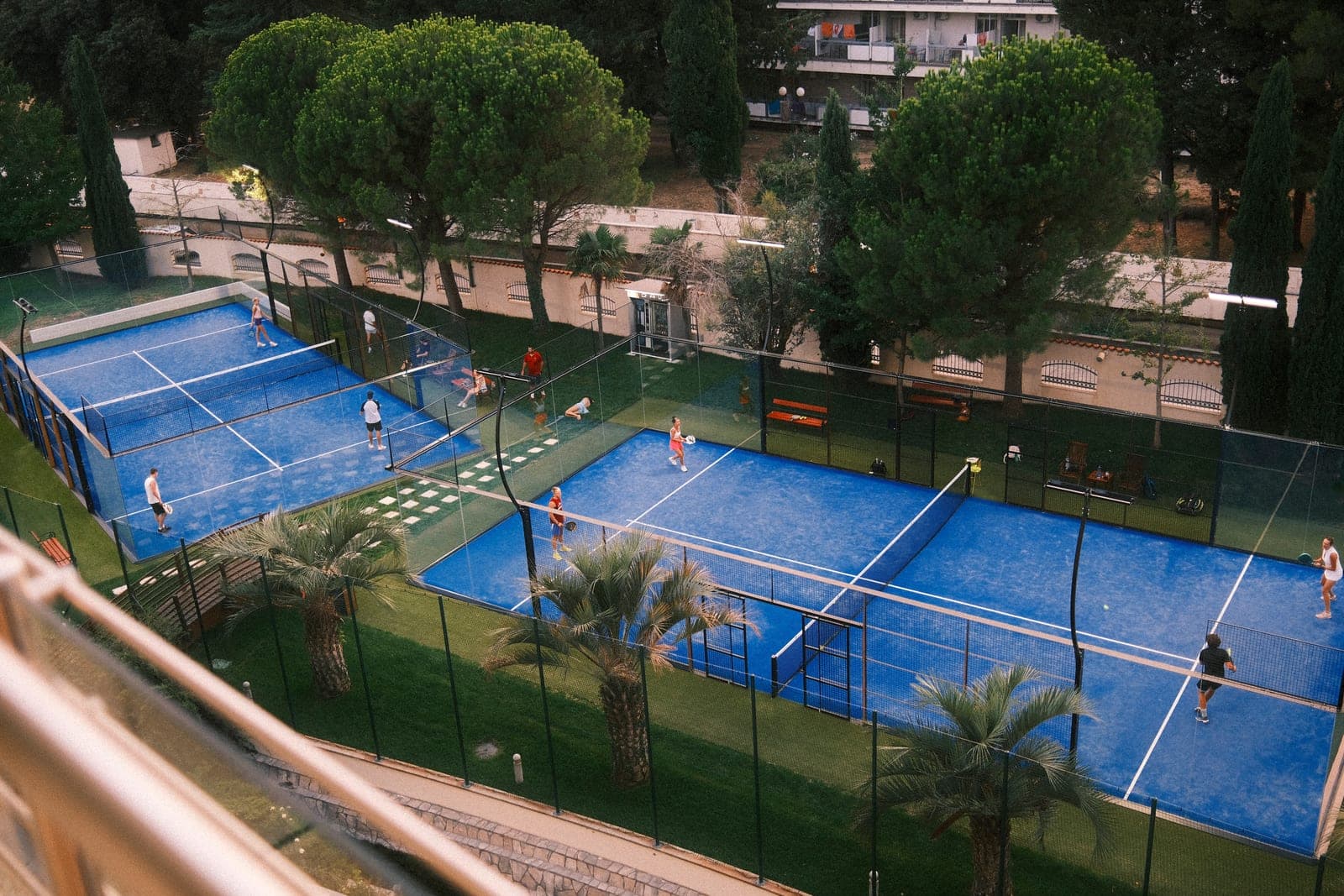
Padel
A sociable, doubles-first racquet sport played in an enclosed court where the walls stay in play.
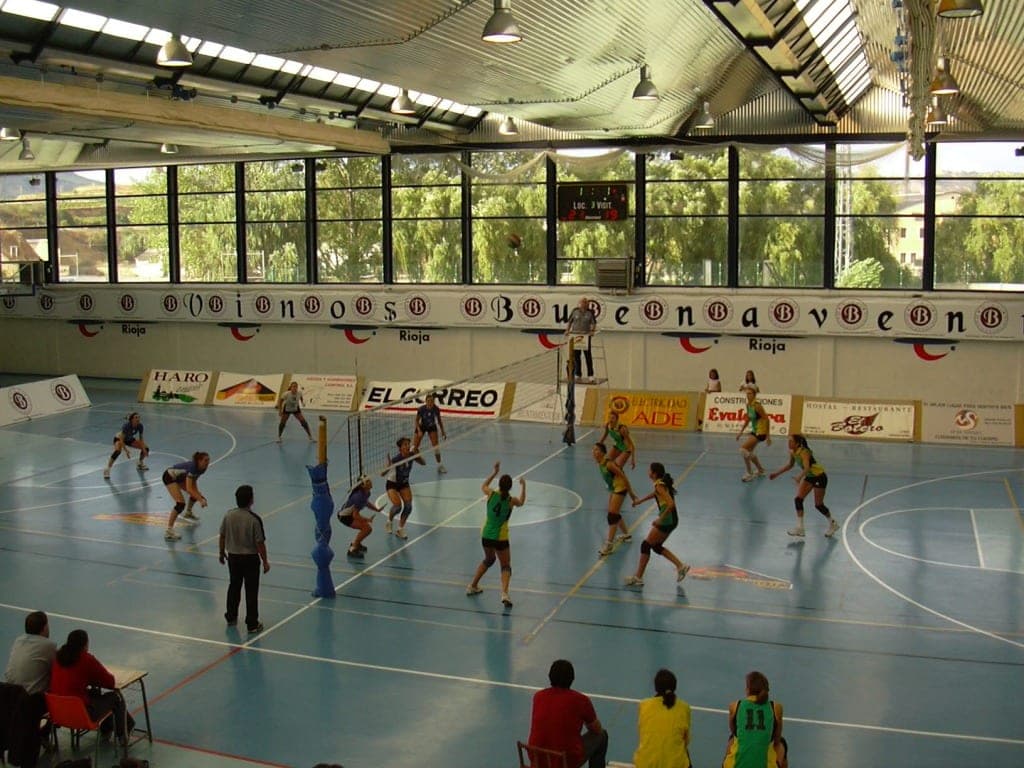
Volleyball
A non-contact team sport of rallies, jumps and teamwork — indoors or on the beach.
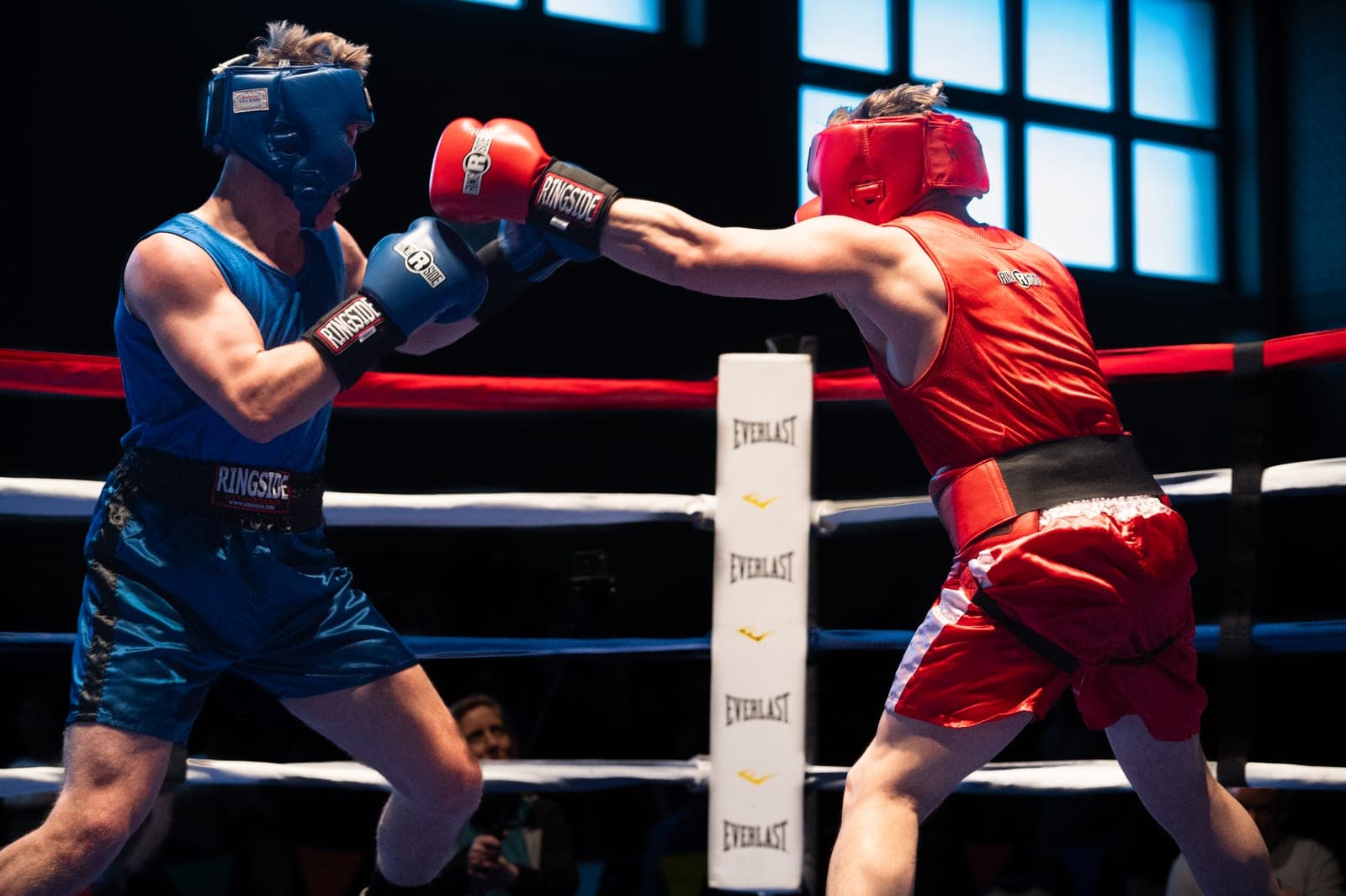
Boxing
A striking combat sport built on footwork, timing and conditioning, practised from fitness drills to controlled sparring.
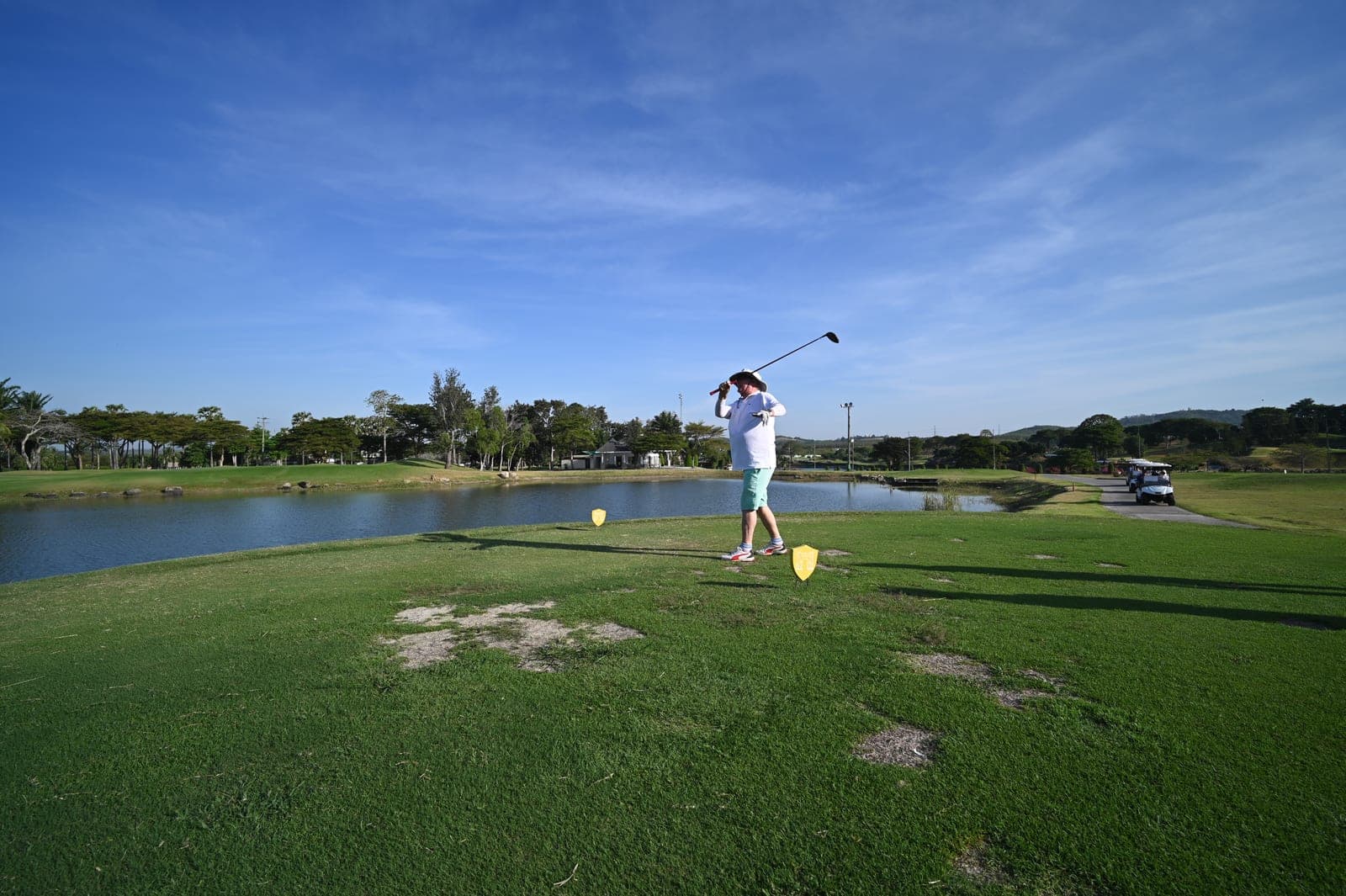
Golf
A precision target sport played across an outdoor course, blending skill, strategy and a long walk in the open air.
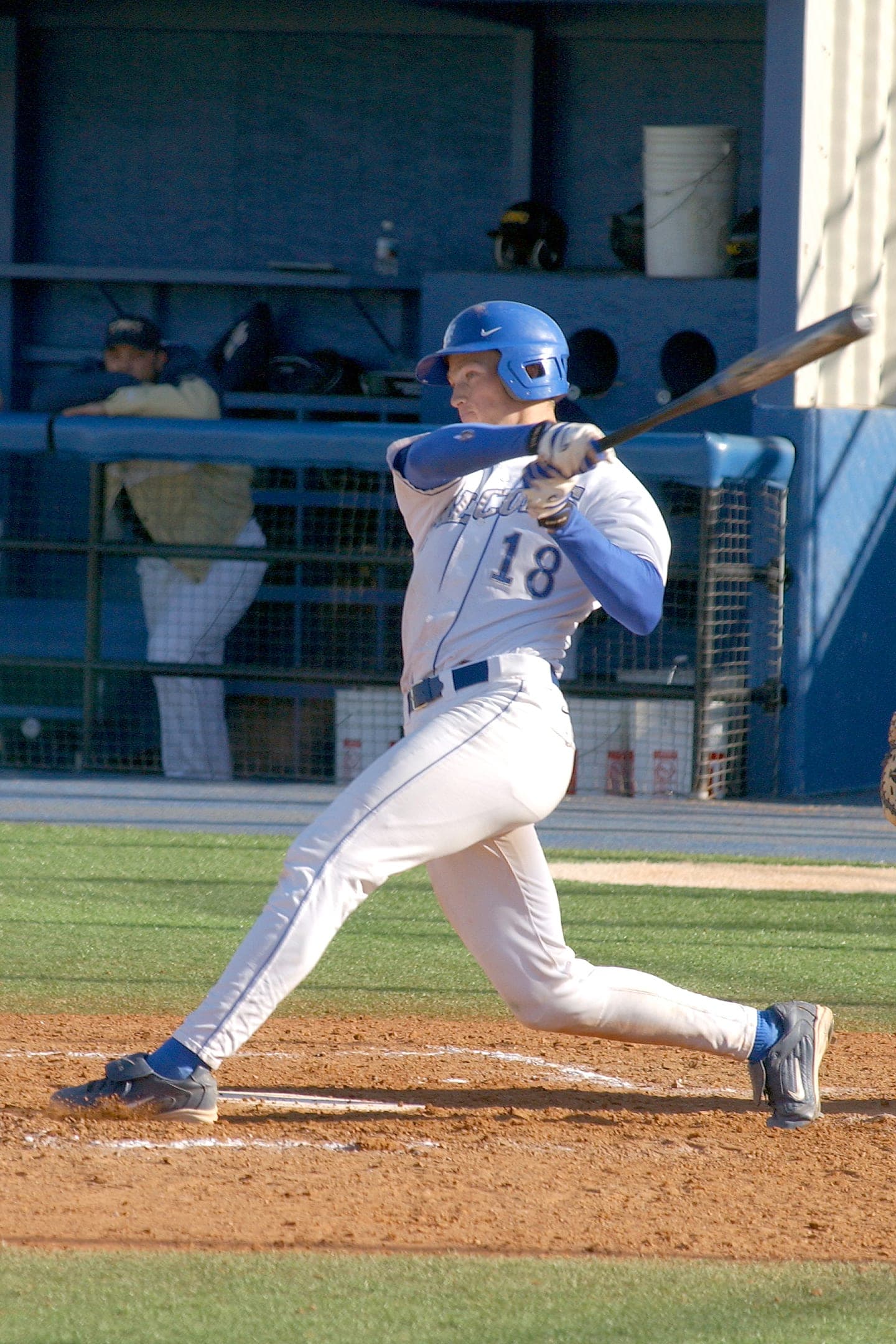
Baseball
A bat-and-ball team sport where two sides alternate between batting and fielding to score runs.
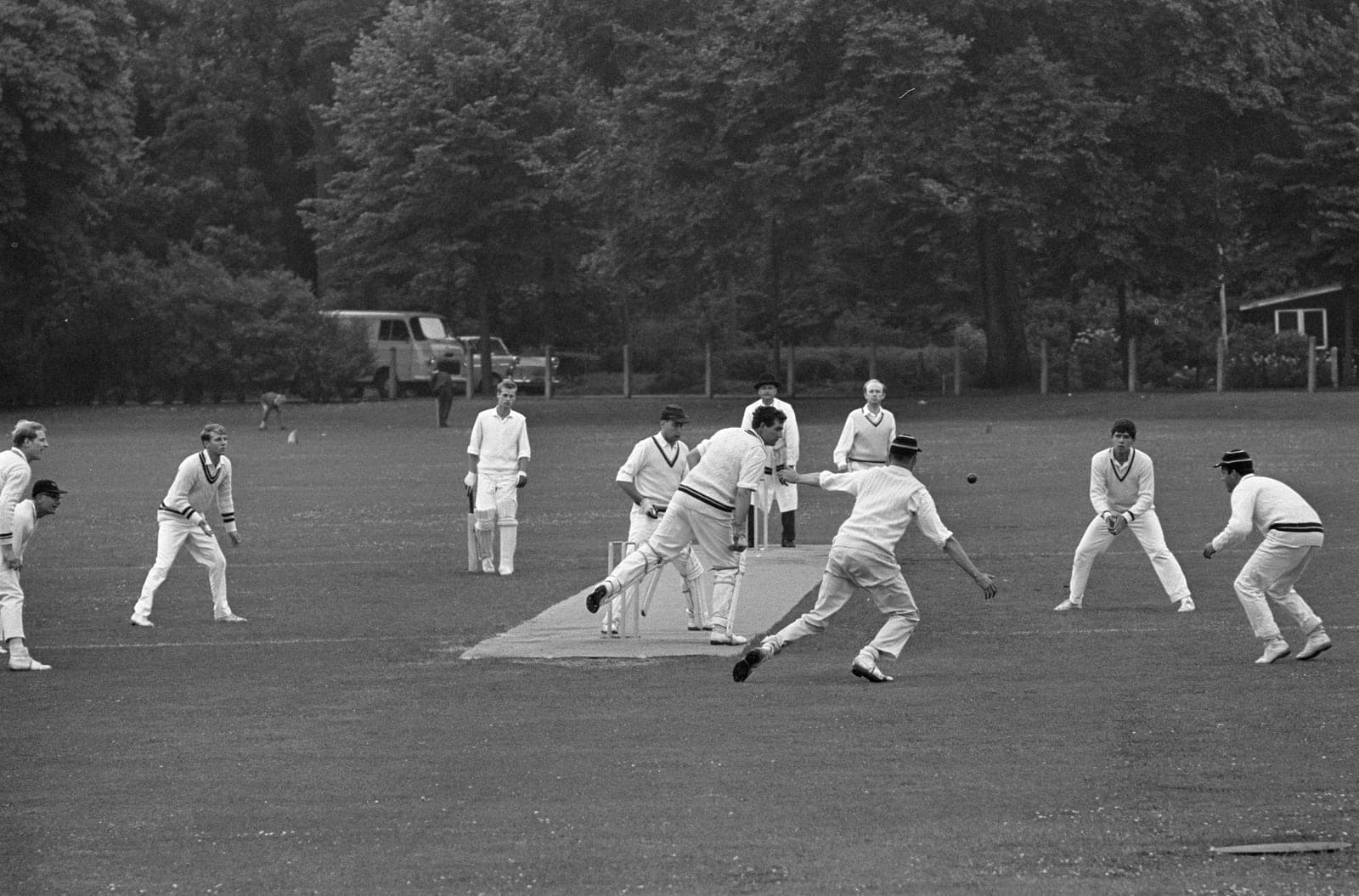
Cricket
A bat-and-ball team sport where sides take turns to bat and to bowl and field, scoring runs.
Squash
A fast, high-intensity indoor racquet sport played inside an enclosed court where the walls stay in play.
Ice Hockey
A fast team sport on ice that combines skating skill with quick passing and goal-scoring.
Compare strike with…
Movements it is often confused with — see exactly how they differ.
How it connects
The meaning-bearing relationships that place Strike in the wider knowledge graph — each one with the reason it exists.
Builds on
Understanding these first makes this one make sense.
Commonly confused with
Close enough to be mixed up — the distinction is worth knowing.
Explore across the knowledge base
Follow the threads that connect Strike to the rest of SocialSportHub.
Movement comparisons
- Kick vs StrikeKick vs Strike: how these two movements differ, what they share, and how to tell them apart — from mechanics to the sports that use them.
- Push vs StrikePush vs Strike: how these two movements differ, what they share, and how to tell them apart — from mechanics to the sports that use them.
- Strike vs ThrowStrike vs Throw: how these two movements differ, what they share, and how to tell them apart — from mechanics to the sports that use them.
- Kick vs LungeKick vs Lunge: how these two movements differ, what they share, and how to tell them apart — from mechanics to the sports that use them.
- Push vs ThrowPush vs Throw: how these two movements differ, what they share, and how to tell them apart — from mechanics to the sports that use them.
Skills
- ServingThe skill of putting the ball or shuttle into play to start a point or rally.
- Returning serveThe skill of reading and playing back an opponent’s serve to stay in the rally.
- SpikingThe volleyball skill of jumping and striking the ball forcefully down into the opponent’s court.
- HeadingThe skill of directing the ball with the head to pass, clear or attempt to score.
- Aiming and alignmentThe skill of setting the body and the implement so the shot starts on the line you intend.
Sports science
- The kinetic chainThe idea that the body’s segments work as a linked chain, passing force from the ground up through the hips, trunk and limbs.
- BiomechanicsThe study of how the body produces and controls movement — the mechanics behind every technique in sport.
- Force and powerThe difference between how much force the body can produce and how quickly it can produce it — the mechanics behind strength and explosiveness.
- Motor controlHow the brain and nervous system organise the muscles to produce coordinated, controlled movement.
- Reaction timeThe short delay between a signal and the start of the movement made in response to it.
Training methods
- PlyometricsPlyometrics are jumping and bounding drills that train muscles to produce force quickly, developing power and springiness through explosive movement.
- Strength TrainingStrength training uses resistance — bodyweight, bands or weights — to challenge your muscles so they gradually adapt and get stronger over time.
Coaching concepts
- Deliberate PracticeFocused, effortful practice that targets a specific weakness with full attention and immediate feedback — not just repeating what you already do well.
- Repetition QualityThe attention and intent behind each repetition matter more than raw volume — focused, well-executed reps build skill faster than mindless numbers.
- Skill acquisitionHow a movement or sports skill is learned — progressing from conscious, effortful control to smooth, largely automatic execution through practice and feedback.
- Feedback and CueingFeedback from your senses, a coach, or video plus short instructional cues guide skill learning — including internal vs external focus of attention.
Go deeper with Strike
Everywhere else on the platform that covers Strike — assembled from what actually references it, so nothing here is a dead end.
Take it away
Open data and the whole-platform view of this subject.
How this page is maintained
- Content type
- Movement pattern
- Provenance
- Tier A — evergreen educational
- Verified external sources
- 0
- Content updated
- 2026-07-13
Evergreen, first-party explanation — it makes no claim that needs an external source. How we handle sources and reviews.