
Push
Pressing a load or the body away from the torso — horizontally or overhead — by extending the shoulders and elbows, developing the chest, shoulders and triceps.
Overview
The push is the movement pattern in which the arms press a load — or the body itself — away from the torso by straightening the elbows and driving through the shoulders. It splits into two broad directions. A horizontal push sends the hands forward, away from the chest, as in a chest press or a push-up; a vertical push sends the hands upward, overhead, as in an overhead press or a handstand-style pike press. In both, the shoulder and elbow work together — the shoulder flexes or horizontally adducts while the triceps extend the elbow — and the shoulder blades glide forward around the ribcage so the arm can travel in a straight line.
Because it is built around the chest, the front of the shoulders and the triceps, the push pattern is what develops upper-body pressing strength and the ability to project force outward: throwing a chest pass, popping a ball overhead, fending off an opponent or locking a barbell out over the head. It appears in bodyweight form in the push-up and the dip, in loaded gym lifts such as the bench press and overhead press, and across sports from the basketball chest pass to a rugby hand-off. As the natural counterpart to the pull, it makes up one half of the upper-body movement map, and balanced programmes tend to treat the two together.
What defines it
- Mechanically defined by elbow extension paired with shoulder flexion or horizontal adduction, driving the hands away from the torso.
- Comes in two variants: a horizontal push, where force is directed forward (bench press, push-up), and a vertical push, where force is directed overhead (overhead press, pike push-up).
- Prime movers are the pectorals of the chest, the front (anterior) portion of the deltoids at the shoulder and the triceps at the back of the upper arm, with the scapular and trunk muscles stabilising the base.
- Can move an external object — a barbell, a ball, an opponent — or press the body itself against gravity, as in a push-up, dip or handstand press.
- Is the direct opposite of the pull pattern; together the two form the complete upper-body movement map, which is why they are commonly paired in training.
Athletic movements built on it
Cross-sport movements that use this pattern as a base.
A note on this information
Exercises that train the push
Movements built on this pattern — educational examples, not a prescription.
Push-up
A classic upper-body pushing exercise where you lower and press your body up from the floor.
Pike push-up
A push-up variation with hips high that shifts the emphasis onto the shoulders.
Bench press
A pressing exercise lying on a bench, lowering a weight to the chest and pushing it back up.
Overhead press
A standing press that drives a weight from the shoulders to overhead until the arms lock out.
Tricep dip
A pushing exercise where you lower and raise your body using your arms on parallel bars or a bench.
Sports techniques that use it
How the movement shows up in the specific techniques of a sport.
Chest Pass
A two-handed pass thrown directly from chest height in a straight line to a teammate, the most basic pass in basketball and netball.
Free Throw
An unguarded basketball shot taken from the free-throw line, relying on a calm, repeatable routine rather than power.
Jump Shot
A basketball shot released at the top of a vertical jump, letting the shooter get the ball over a defender with a soft, arcing release.
Sports that rely on it
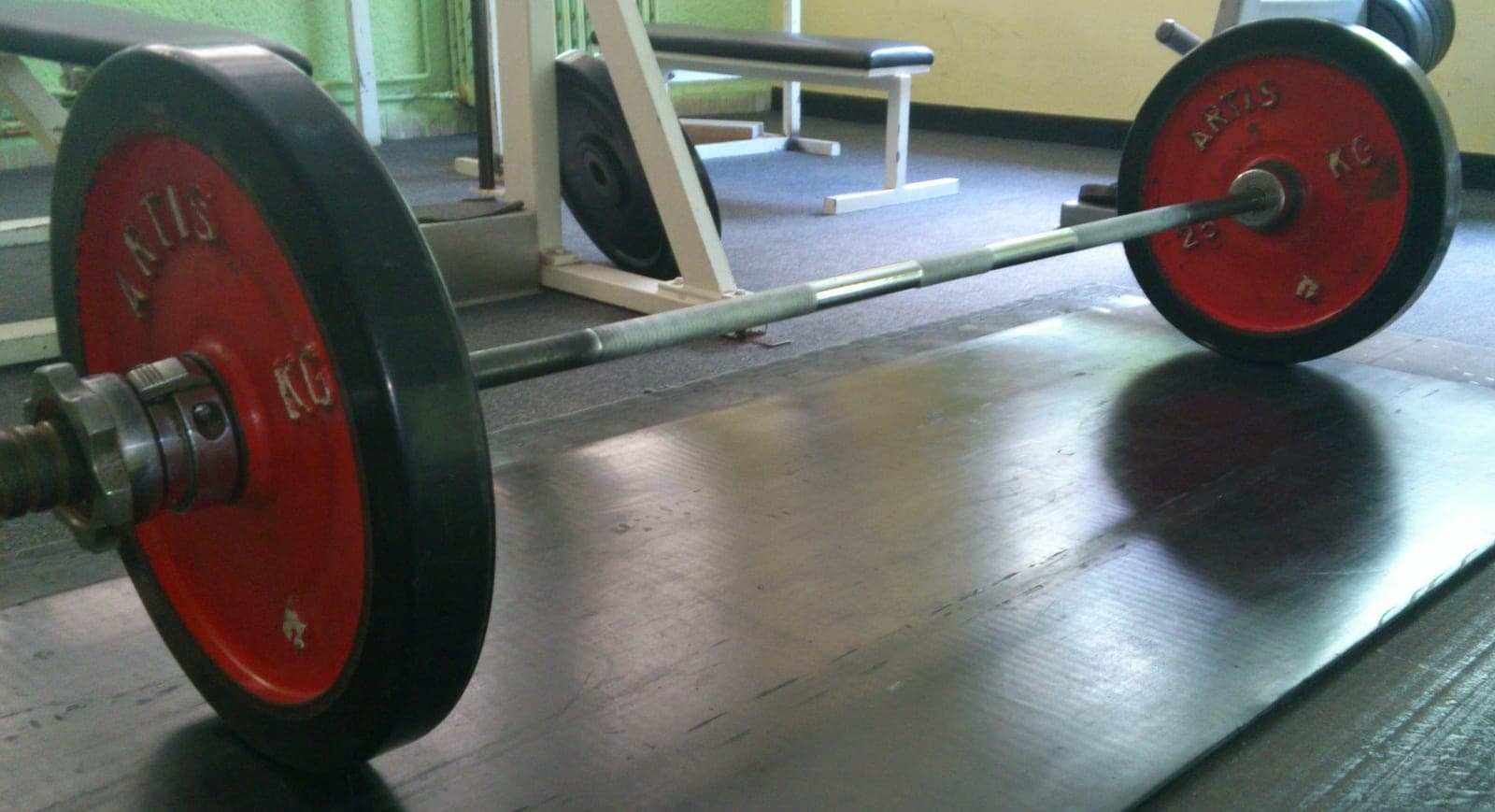
Weightlifting
A technical strength sport built around lifting a loaded barbell overhead with speed and control.
Powerlifting
A strength sport focused on lifting the heaviest weight you can across the squat, bench press and deadlift.
Bodybuilding
Resistance training focused on building muscle size, symmetry and definition through consistent effort.
Calisthenics
Bodyweight strength training — push-ups, pull-ups, dips and progressions you can do almost anywhere.
Functional Fitness
Varied, whole-body training built around everyday movement patterns like squatting, lifting and carrying.

Basketball
A fast, dynamic team sport of running, jumping and quick decisions on court.
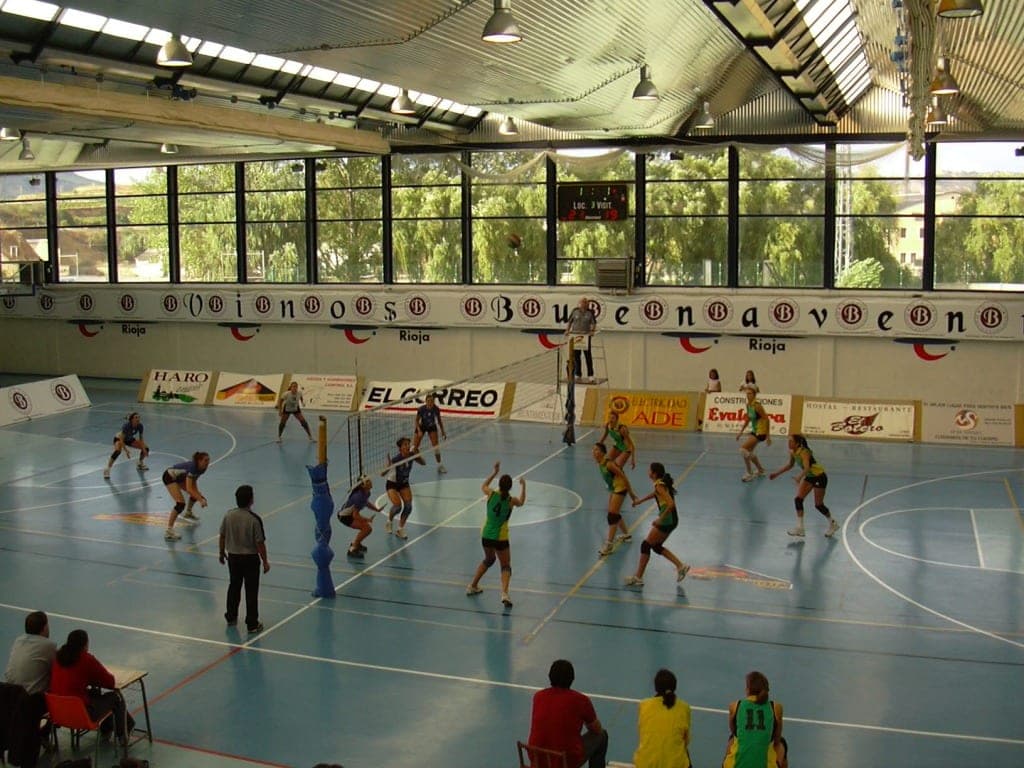
Volleyball
A non-contact team sport of rallies, jumps and teamwork — indoors or on the beach.
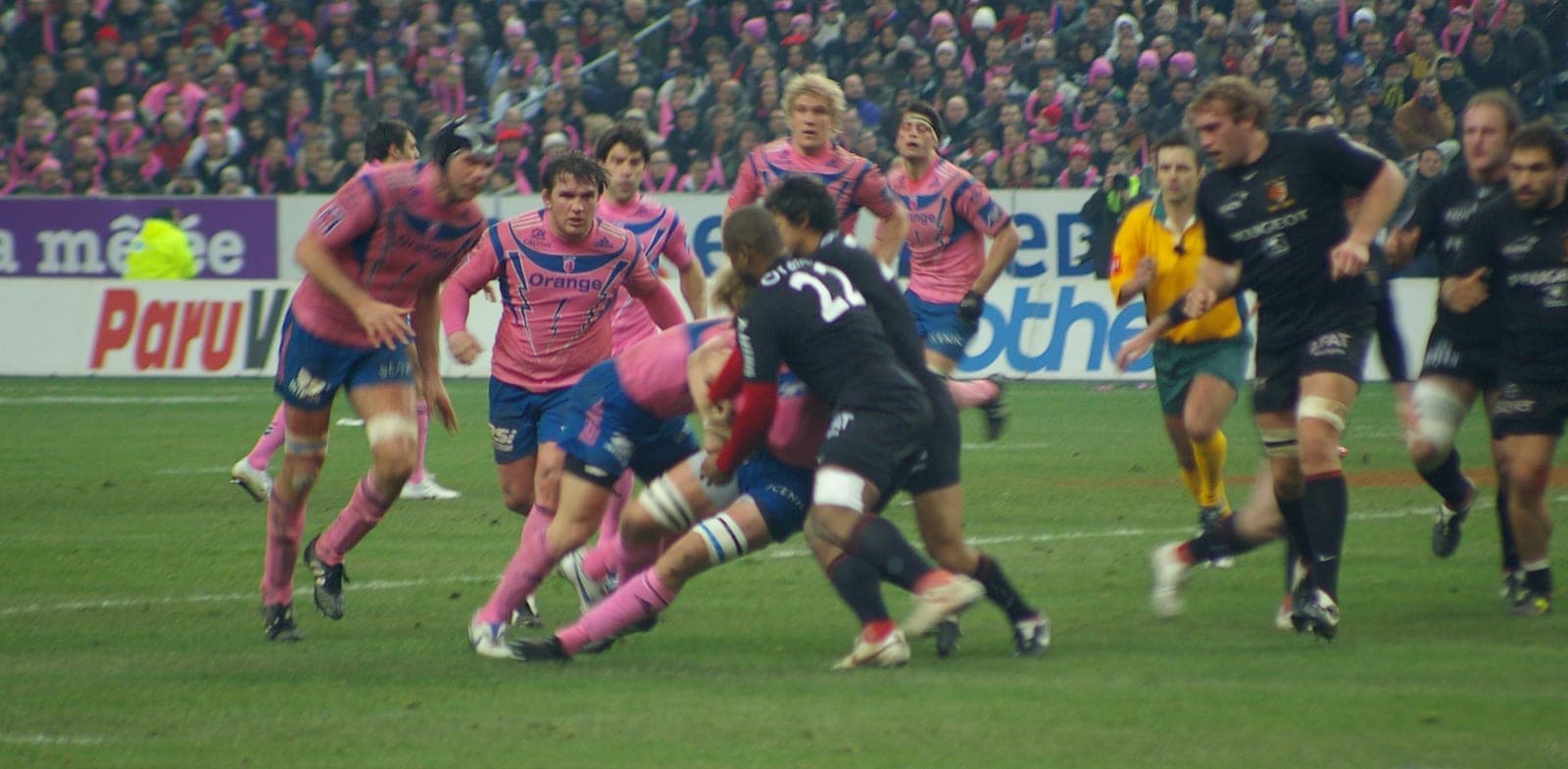
Rugby
A physical team sport of carrying, passing and kicking an oval ball toward the opposing line.
American Football
A strategic, position-based team sport of set plays, sprinting and coordinated teamwork on a marked field.
Compare push with…
Movements it is often confused with — see exactly how they differ.
How it connects
The meaning-bearing relationships that place Push in the wider knowledge graph — each one with the reason it exists.
Foundation of
These build directly on this one.
Commonly confused with
Close enough to be mixed up — the distinction is worth knowing.
Explore across the knowledge base
Follow the threads that connect Push to the rest of SocialSportHub.
Movement comparisons
- Pull vs PushPull vs Push: how these two movements differ, what they share, and how to tell them apart — from mechanics to the sports that use them.
- Push vs StrikePush vs Strike: how these two movements differ, what they share, and how to tell them apart — from mechanics to the sports that use them.
- Push vs ThrowPush vs Throw: how these two movements differ, what they share, and how to tell them apart — from mechanics to the sports that use them.
Knowledge Atlas
Training methods
- Strength TrainingStrength training uses resistance — bodyweight, bands or weights — to challenge your muscles so they gradually adapt and get stronger over time.
- Hypertrophy TrainingHypertrophy training is resistance work structured to encourage muscle growth, typically using moderate repetitions and a steady, controlled tempo.
- PlyometricsPlyometrics are jumping and bounding drills that train muscles to produce force quickly, developing power and springiness through explosive movement.
- Progressive OverloadProgressive overload is the principle of gradually increasing the demand you place on your body so it keeps adapting and improving over time.
Go deeper with Push
Everywhere else on the platform that covers Push — assembled from what actually references it, so nothing here is a dead end.
Take it away
Open data and the whole-platform view of this subject.
How this page is maintained
- Content type
- Movement pattern
- Provenance
- Tier A — evergreen educational
- Verified external sources
- 0
- Content updated
- 2026-07-13
Evergreen, first-party explanation — it makes no claim that needs an external source. How we handle sources and reviews.