
Overview
A reach projects a distal segment — usually the arm, sometimes the leg — toward a target that sits beyond the body's comfortable resting envelope. The arm reach is driven by shoulder flexion, abduction or protraction, elbow extension, and scapular upward rotation and protraction, all of which add effective limb length beyond what the elbow alone produces; a low or wide reach recruits trunk lateral flexion and rotation, and often a stride or lunge to relocate the base of support. The kinetic chain elongates as proximal stabilisers — the hips and core — fix a platform so the limb can travel outward, while the centre of gravity migrates toward the edge of the base of support. This creates an inherent trade-off: the further a limb extends, the longer its lever and the more the mass sits over or beyond the base, so range of motion is gained at the expense of the force and stability the limb can express at end range. Proprioception and postural control at the limit of extension determine how much of the reach stays controlled and recoverable, and the hand or foot typically pre-shapes near the end of the movement to contact, grasp or receive.
Because the shared demand is projecting a distal segment toward a target at range, the expression varies widely with limb, plane and stability cost. In tennis and badminton a reach is the wide lunge-and-stretch to a ball just past comfortable range, racket arm extended and trunk leaning over an outstretched leg; in volleyball it appears as the full-stretch defensive dig that keeps a ball alive. In basketball and netball, reaching is an overhead extension to contest or rebound at a high point, while in the front-crawl the stroke opens with an overhead reach that lengthens each pull. Rock climbers reach deliberately to a distant hold, frequently at maximal extension with a committed grip, and a goalkeeper's dive-reach extends a single arm to a ball at the limit of a falling body. Fielding sports such as cricket and baseball reach to intercept or receive. The mechanics are shared, but whether the reach is one-limbed or braced by a lunge, overhead or lateral, and how much balance it sacrifices differ from sport to sport.
What defines it
- Distal projection at the cost of leverage: as the limb extends toward the target its lever lengthens and its force capacity falls, so a reach maximises range rather than force output.
- Shoulder-girdle contribution to length: scapular protraction and upward rotation add effective arm length well beyond pure elbow extension, extending the reachable envelope.
- Base relocation via stride, lunge or lean: the lower body and trunk reposition or tilt the base of support so the hand or foot can travel to a point the resting posture could not reach.
- End-range postural control: balance and proprioception at the edge of the base of support govern how far the reach can go while remaining controlled and recoverable.
- Terminal segment shaping: the hand or foot pre-orients — open hand, spread fingers, angled foot — to contact, grasp or receive at the target as extension completes.
How it differs from nearby movements
Movements that look similar but are not the same thing.
- Not the same as lunge
- A lunge is a weight-bearing lower-body step that lowers and loads the hips and knees to cover ground or absorb force; a reach is defined by projecting a distal segment toward a target. A reach frequently uses a lunge as its base, but the reach itself is the limb extension to the point, not the leg's loaded step.
- Not the same as catch
- A reach positions a limb at a target and ends at extension; a catch is the reception and securing of a moving object. A reach may precede a catch, but on its own it involves no incoming object to decelerate or possess.
A note on this information
Exercises that train the reach
Movements built on this pattern — educational examples, not a prescription.
Bird dog
A core exercise on hands and knees where you extend opposite arm and leg while staying steady.
Dead bug
A floor core exercise where you extend opposite arm and leg while keeping your back settled.
Superman
A back-focused exercise where you lie face down and lift your arms and legs off the floor.
Overhead press
A standing press that drives a weight from the shoulders to overhead until the arms lock out.
Lunge
A single-leg movement where you step forward and bend both knees to lower your body.
Sports skills that express it
The learnable skills of a sport that this movement underlies.
Digging
The volleyball skill of controlling a hard-driven ball low to keep it in play.
Net play
The skill of controlling points close to the net with volleys and touch shots.
Rebounding
The basketball skill of gaining the ball after a missed shot — positioning and timing decide it far more often than pure jumping height.
Balance
The skill of keeping the body stable and controlled while still or moving.
Core stability
The skill of engaging the trunk muscles to keep the body strong and controlled through movement.
Sports techniques that use it
How the movement shows up in the specific techniques of a sport.
Volleyball Dig
A defensive contact that keeps a hard-driven ball in play by passing it up off the forearms, usually from a low position.
Volley
A shot played near the net by blocking the ball out of the air before it bounces, using a short, firm punch rather than a full swing.
Freestyle Stroke
The fastest swimming stroke, using alternating overhead arm pulls, a flutter kick and rhythmic side breathing.
Tennis Serve
The overhead stroke that starts every point, hit from behind the baseline into the diagonally opposite service box.
The science and how it’s learned
The concepts that explain this movement and help in learning it.
Learning & coaching
Disciplines
Sports that rely on it
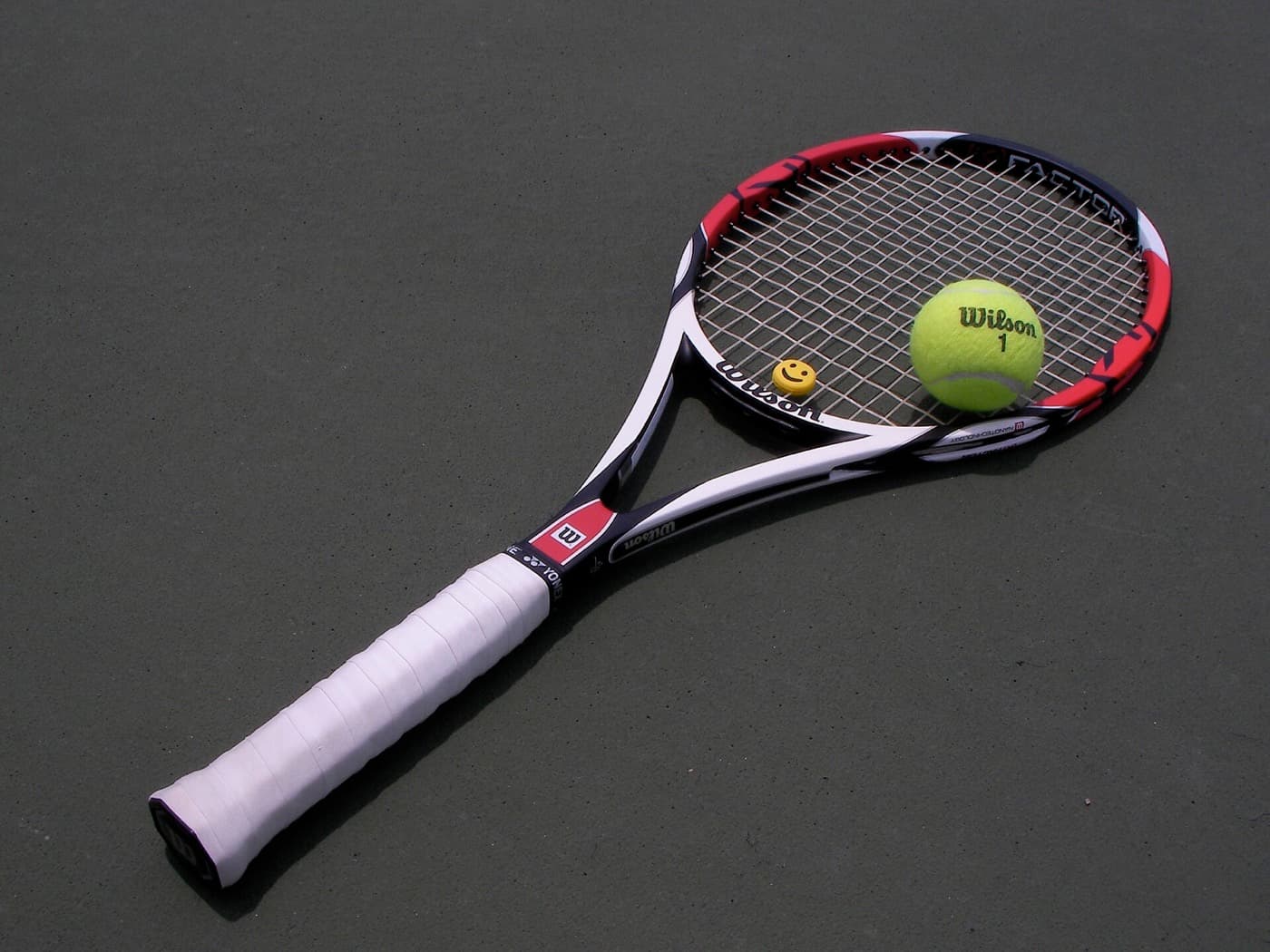
Tennis
A singles or doubles racquet sport that blends agility, strategy and stamina on court.
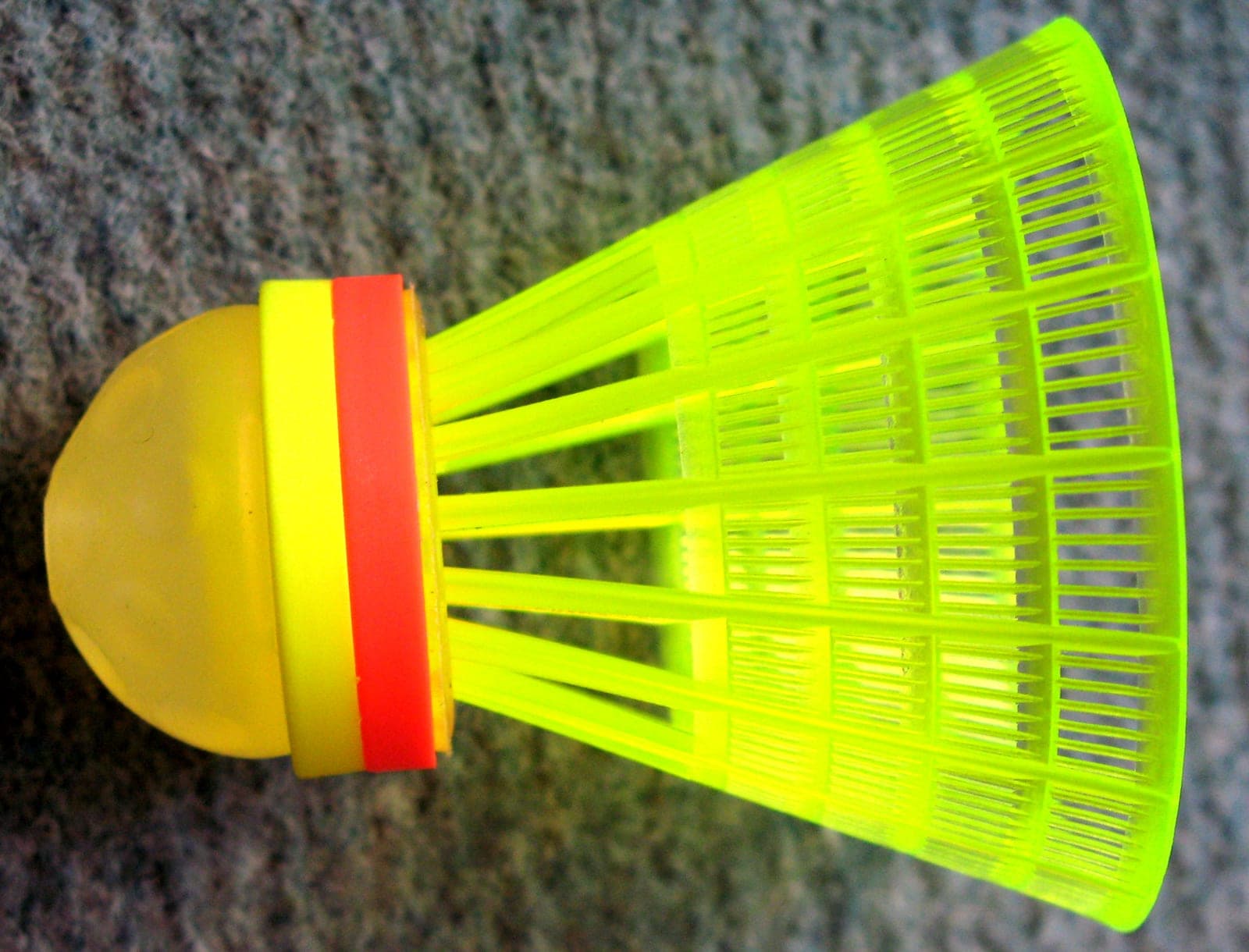
Badminton
A fast indoor racquet sport played with a shuttlecock that rewards agility and touch.
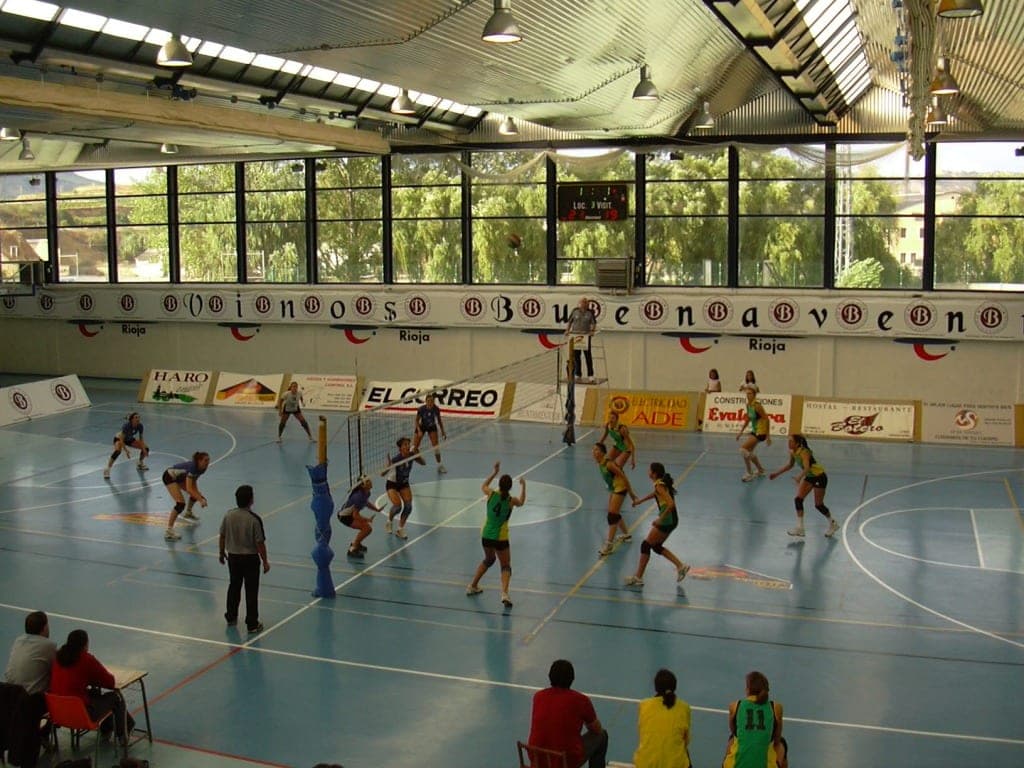
Volleyball
A non-contact team sport of rallies, jumps and teamwork — indoors or on the beach.
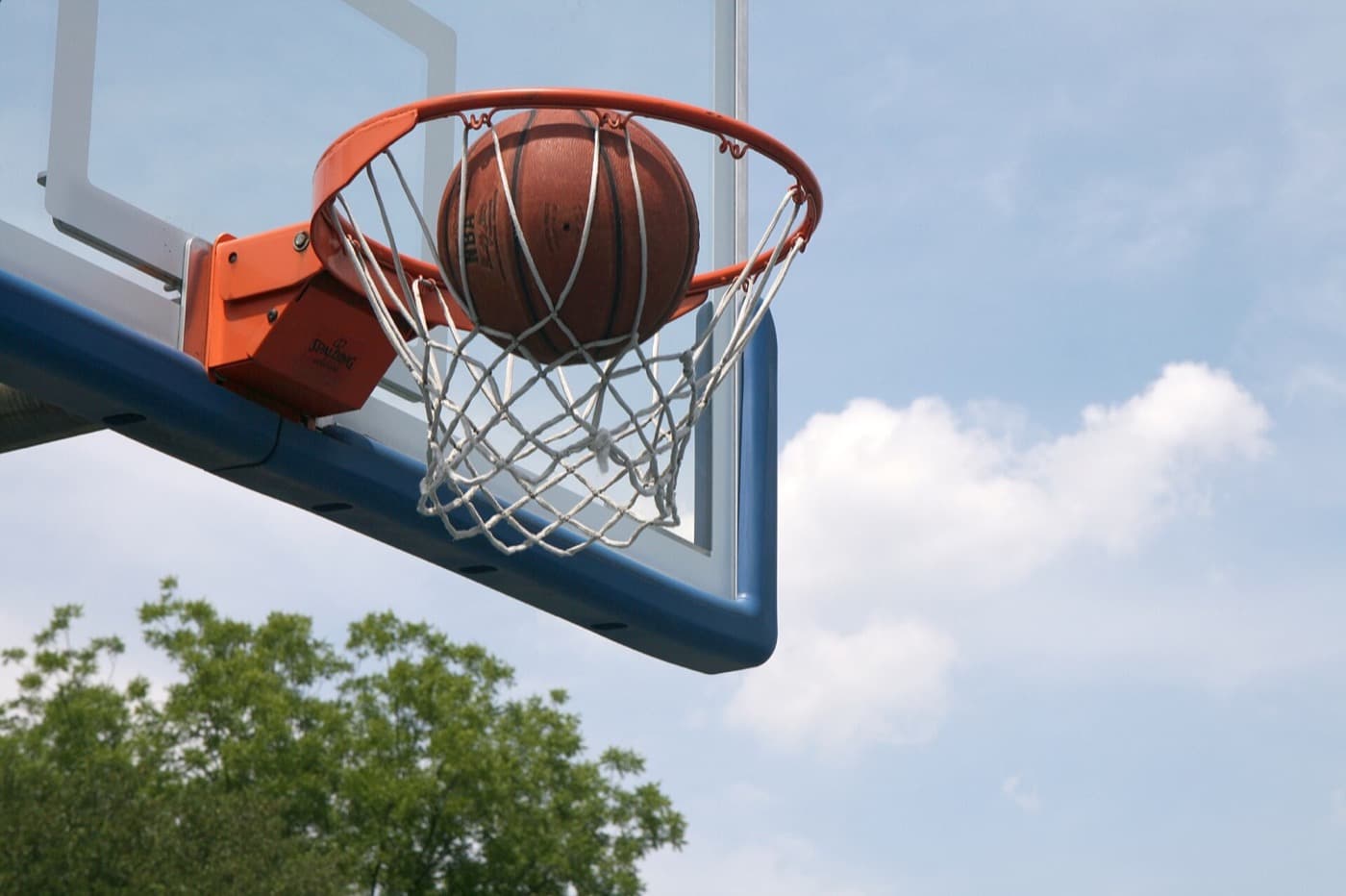
Basketball
A fast, dynamic team sport of running, jumping and quick decisions on court.
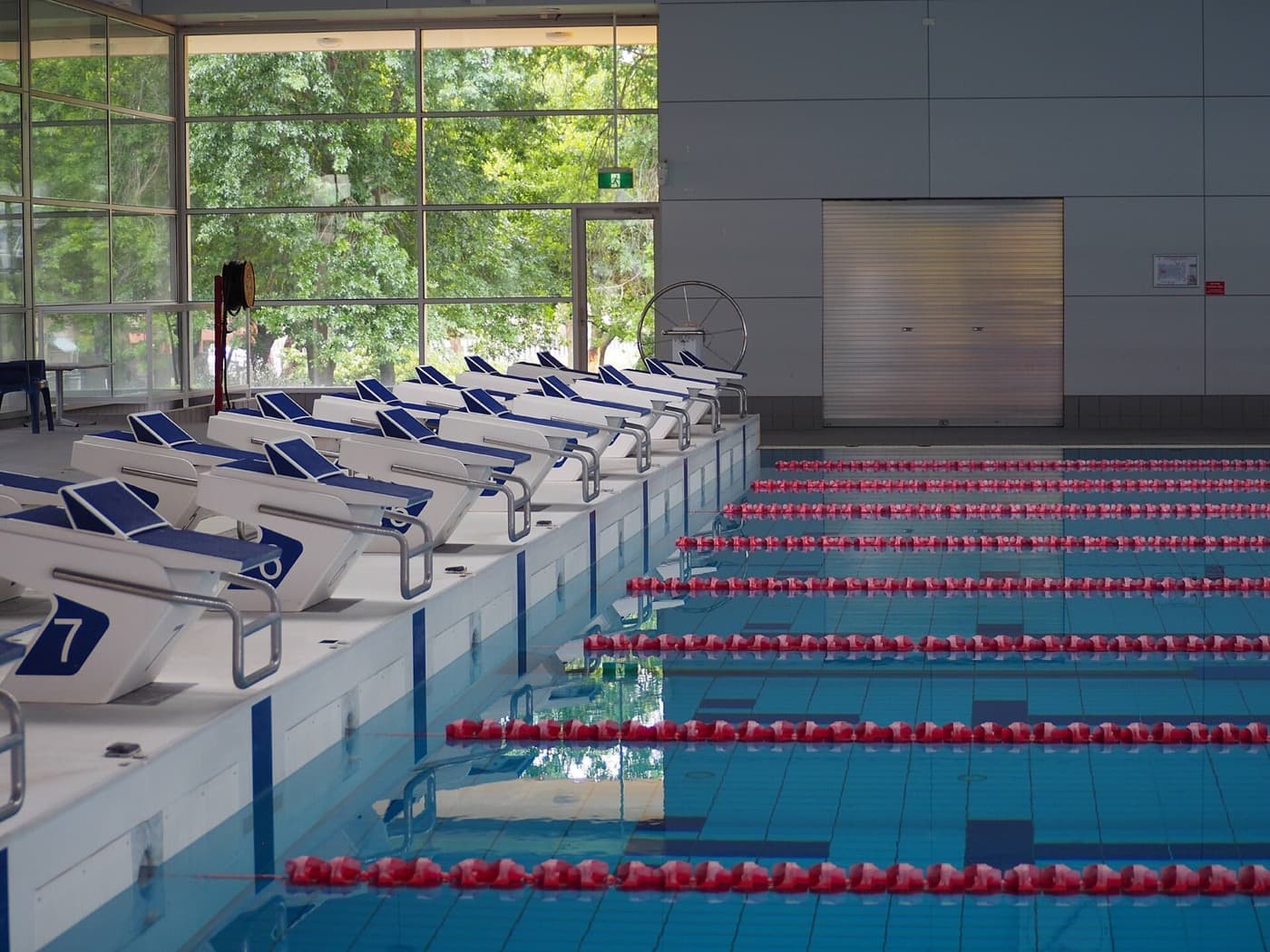
Swimming
A full-body, low-impact endurance sport suitable for almost every age and ability.
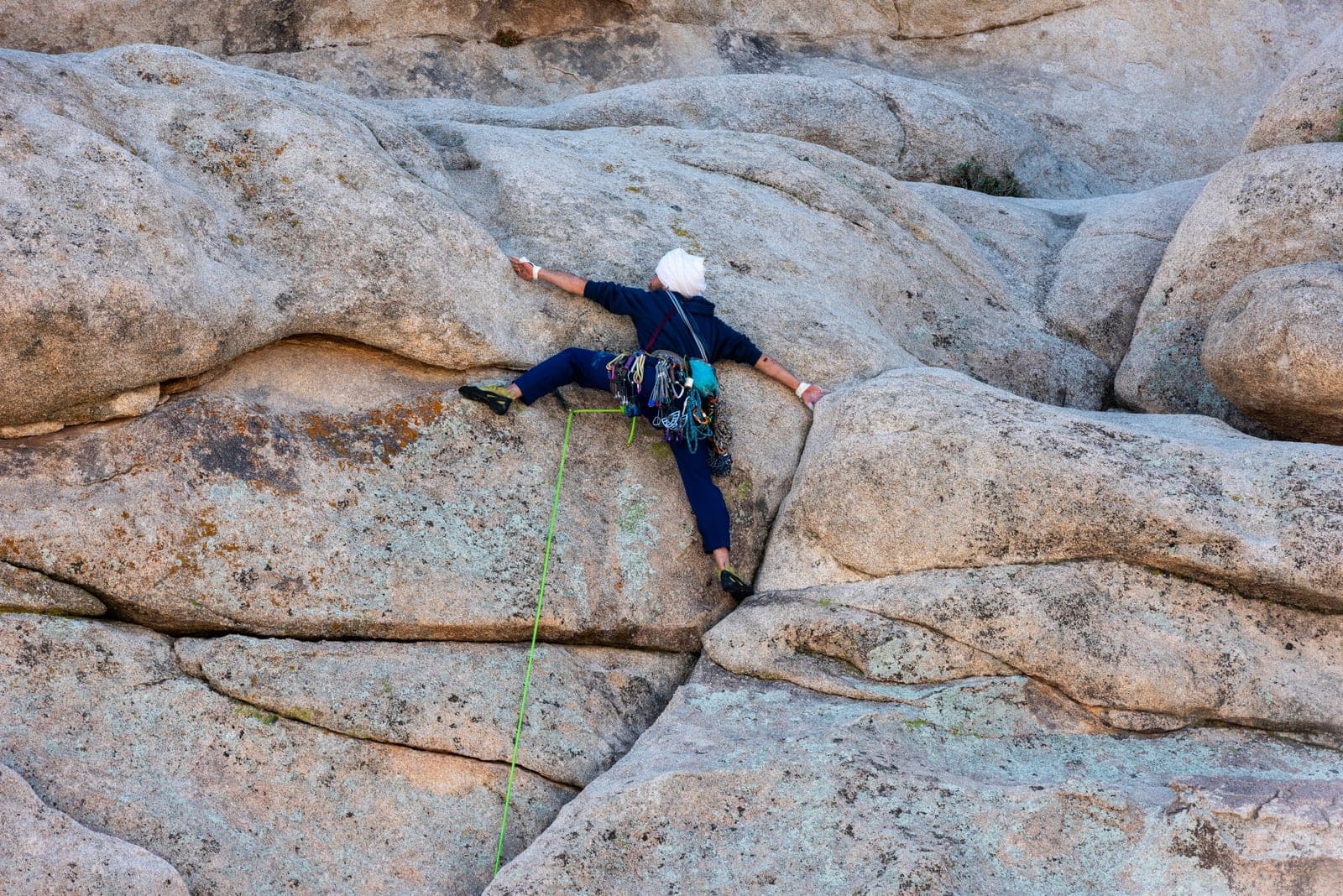
Rock Climbing
A rope-based climbing sport that pairs full-body strength with focus and careful technique, indoors or on rock.
Compare reach with…
Movements it is often confused with — see exactly how they differ.
How it connects
The meaning-bearing relationships that place Reach in the wider knowledge graph — each one with the reason it exists.
Builds on
Understanding these first makes this one make sense.
Commonly confused with
Close enough to be mixed up — the distinction is worth knowing.
Explore across the knowledge base
Follow the threads that connect Reach to the rest of SocialSportHub.
Movement comparisons
- Catch vs ReachCatch vs Reach: how these two movements differ, what they share, and how to tell them apart — from mechanics to the sports that use them.
- Lunge vs ReachLunge vs Reach: how these two movements differ, what they share, and how to tell them apart — from mechanics to the sports that use them.
- Kick vs LungeKick vs Lunge: how these two movements differ, what they share, and how to tell them apart — from mechanics to the sports that use them.
Skills
- DiggingThe volleyball skill of controlling a hard-driven ball low to keep it in play.
- Net playThe skill of controlling points close to the net with volleys and touch shots.
- ReboundingThe basketball skill of gaining the ball after a missed shot — positioning and timing decide it far more often than pure jumping height.
- BalanceThe skill of keeping the body stable and controlled while still or moving.
- Core stabilityThe skill of engaging the trunk muscles to keep the body strong and controlled through movement.
Sports science
- Range of motionHow far a joint can travel through its movement — the arc available at a joint, and the foundation of flexibility and mobility.
- ProprioceptionThe body’s internal sense of where its parts are and how they are moving — the awareness behind balance and coordinated movement.
- BiomechanicsThe study of how the body produces and controls movement — the mechanics behind every technique in sport.
- The kinetic chainThe idea that the body’s segments work as a linked chain, passing force from the ground up through the hips, trunk and limbs.
- Motor controlHow the brain and nervous system organise the muscles to produce coordinated, controlled movement.
Training methods
- Mobility TrainingMobility training works on moving your joints actively through their full range, combining control and flexibility so movement feels free and easy.
- Flexibility TrainingFlexibility training uses stretching to gradually improve how far your muscles and joints can comfortably lengthen and move.
Coaching concepts
- Constraints-Led PracticeA coaching approach that adjusts the task, environment or rules so a desired movement or decision emerges in practice, rather than being explicitly instructed.
- Deliberate PracticeFocused, effortful practice that targets a specific weakness with full attention and immediate feedback — not just repeating what you already do well.
Disciplines
- FreestyleFreestyle is the fastest swimming stroke, swum face-down with an alternating arm pull and flutter kick — the stroke most people picture when they think of swimming.
- Speed ClimbingA timed format where climbers ascend a route as fast as possible, most recognizably as a head-to-head race on a standardized competition wall.
Go deeper with Reach
Everywhere else on the platform that covers Reach — assembled from what actually references it, so nothing here is a dead end.
Take it away
Open data and the whole-platform view of this subject.
How this page is maintained
- Content type
- Movement pattern
- Provenance
- Tier A — evergreen educational
- Verified external sources
- 0
- Content updated
- 2026-07-13
Evergreen, first-party explanation — it makes no claim that needs an external source. How we handle sources and reviews.