
Volleyball Dig
A defensive contact that keeps a hard-driven ball in play by passing it up off the forearms, usually from a low position.
Overview
A dig is the defensive counterpart to the spike, used to control a fast attack and keep the rally alive. The defender gets low, joins the forearms into a flat platform and lets the ball rebound upward toward a teammate.
A stable platform and reading the attacker early are more important than swinging the arms at the ball.
How to do it
- 1Read the attacker and get into a low, balanced stance.
- 2Join your hands and straighten your arms into a flat platform.
- 3Move so the ball meets your platform in front of your body.
- 4Angle the platform toward your target and absorb the ball.
- 5Let the ball rebound upward without swinging your arms.
Key points
- Join your forearms into a flat, angled platform.
- Stay low with your weight forward, ready to move.
- Let the ball rebound off the platform rather than swinging at it.
Where it’s used
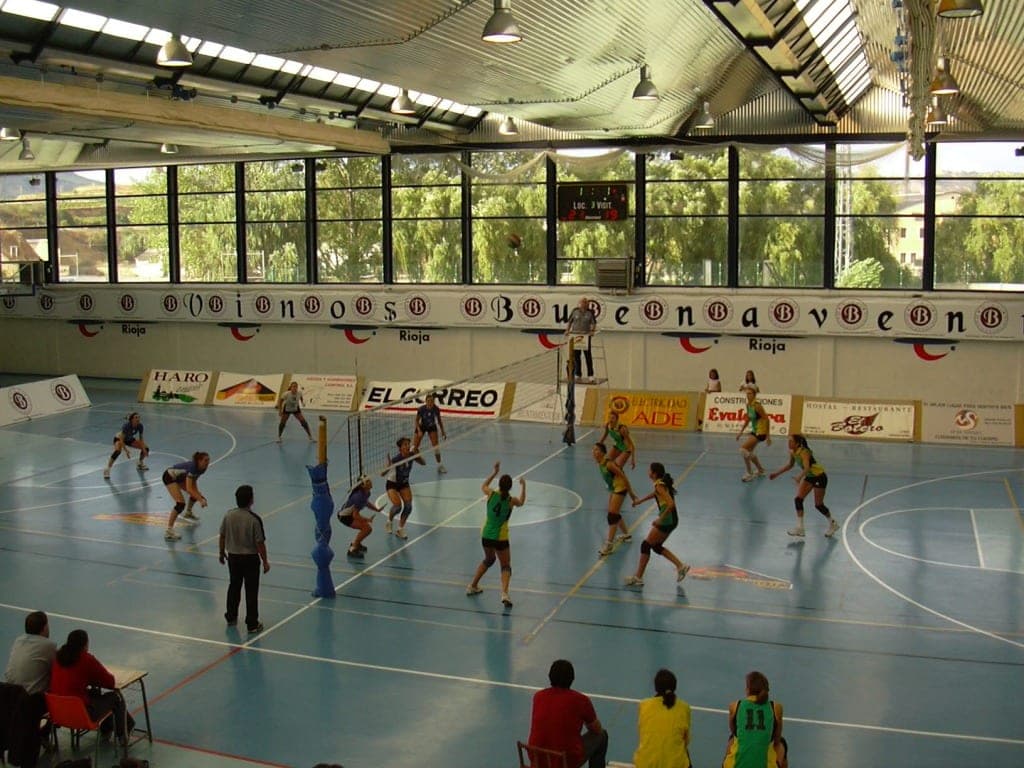
Sports that use volleyball dig:
How it connects
The meaning-bearing relationships that place Volleyball Dig in the wider knowledge graph — each one with the reason it exists.
Frequently learned together
Taught side by side in the same stage of a learning path.
Explore across the knowledge base
Follow the threads that connect Volleyball Dig to the rest of SocialSportHub.
Movement patterns
- LungeA split-stance, single-leg-emphasis pattern: stepping or dropping into a staggered stance and pushing back up to build single-leg strength, balance and stability.
- CatchReceiving a moving object and securing it under control, absorbing its momentum by yielding along its path so kinetic energy is dissipated rather than rebounded away.
- ReachExtending a limb toward a distant point or object, often at full stretch, by projecting a distal segment beyond the body's resting envelope while a stabilised base preserves balance and control.
- SlideA slide is a controlled, low-friction skid of the body or foot along a surface, used to brake, extend reach, or hold a line, where managed friction and a lowered centre of gravity govern the movement.
Go deeper with Volleyball Dig
Everywhere else on the platform that covers Volleyball Dig — assembled from what actually references it, so nothing here is a dead end.
Learn it
Structured courses and paths on the platform that cover this directly.
Take it away
Open data and the whole-platform view of this subject.
How this page is maintained
- Content type
- Technique
- Provenance
- Tier A — evergreen educational
- Verified external sources
- 0
- Content updated
- 2026-09-12
Evergreen, first-party explanation — it makes no claim that needs an external source. How we handle sources and reviews.