
Blocking
The skill of using the hands or body to stop or slow an opponent’s attack.
Overview
Blocking is a defensive skill in which a player intercepts an attack — in volleyball, reaching above the net to stop or deflect a spike; in basketball, contesting a shot legally. It denies the attacker a clean path to score.
Timing and positioning define a good block: reading the attacker, getting into position and meeting the ball at the right moment matter far more than height alone.
Key points
- Reading the attacker’s approach helps you position the block in time.
- Timing the jump to the hit is more important than jumping as early as possible.
- In volleyball, blockers reach over the net with firm hands to redirect the spike downward.
- A block does not have to stop the ball outright; slowing it helps teammates defend.
- Legal contact rules vary by sport, so a fair block avoids conceding a foul.
Where it’s used
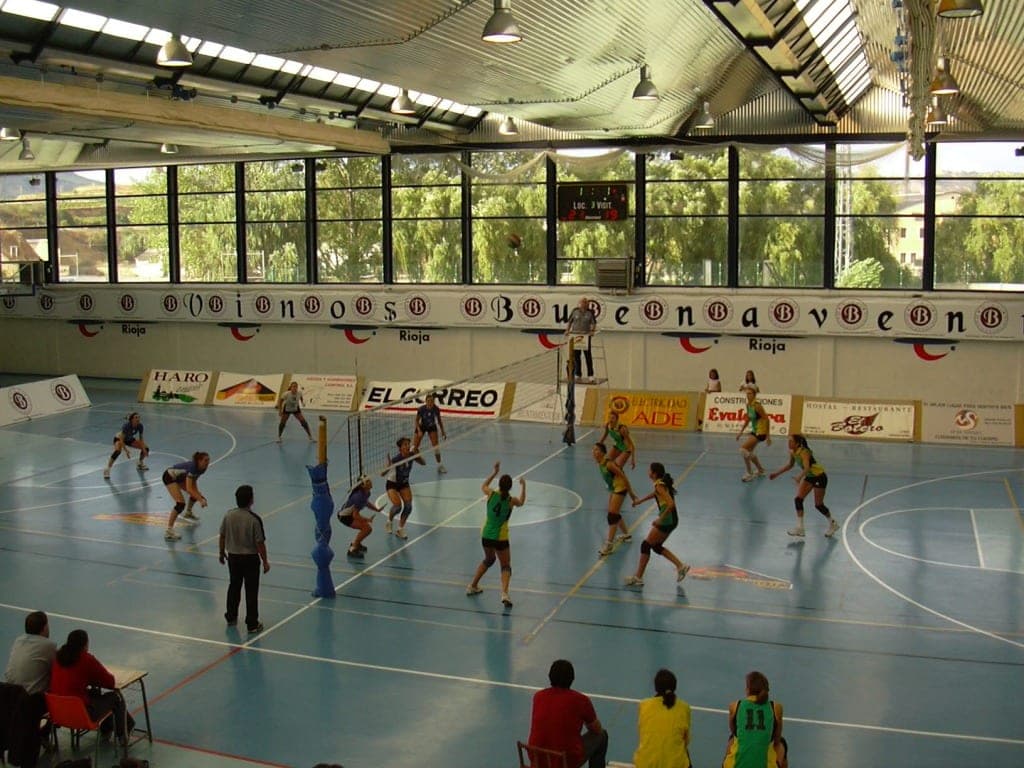
Sports that use blocking:

Related skills
How it connects
The meaning-bearing relationships that place Blocking in the wider knowledge graph — each one with the reason it exists.
Progresses from
The step that comes before this one in a curated learning order.
Frequently learned together
Taught side by side in the same stage of a learning path.
- ServingBoth are taught in the “Learn the core skills” stage of the Volleyball learning path.
- JumpingBoth are taught in the “Learn the core skills” stage of the Volleyball learning path.
- SpikingBoth are taught in the “Learn the core skills” stage of the Volleyball learning path.
- DiggingBoth are taught in the “Learn the core skills” stage of the Volleyball learning path.
- SettingBoth are taught in the “Learn the core skills” stage of the Volleyball learning path.
Part of
The wider grouping this belongs to.
Explore across the knowledge base
Follow the threads that connect Blocking to the rest of SocialSportHub.
Skills Academy
Movement patterns
- JumpThe plyometric pattern of projecting the body off the ground through explosive triple extension and controlling the landing — the core expression of lower-body power.
- DecelerationThe athletic pattern of actively braking and absorbing momentum to slow or stop under control, producing eccentric forces that oppose the direction of travel.
Positions
- Middle blockerThe middle blocker plays in the centre of the net, leading the team’s blocking and attacking with fast, quick sets.
- OppositeThe opposite is a volleyball attacker who plays on the right side of the net, opposite the setter in the rotation, and is often a key scorer.
- LiberoThe libero is a defensive volleyball specialist who wears a contrasting shirt, plays only in the back row, and cannot attack the ball above the height of the net.
- SetterThe setter is volleyball’s playmaker, taking the team’s second contact and delivering accurate sets for hitters to attack.
Learning paths
Techniques
- Volleyball SetAn overhead pass using the fingertips of both hands to place the ball accurately for a teammate to attack.
- VolleyA shot played near the net by blocking the ball out of the air before it bounces, using a short, firm punch rather than a full swing.
- Volleyball SpikeA powerful attacking hit that drives the ball sharply downward over the net into the opponent's court, usually after an approach and jump.
- The return of serveTennis's most under-coached shot — where to stand against a first and second serve, why blocking beats swinging, and what the Rules allow a returner to do.
- Playing the walls in padelThe skill that separates padel from every other racket sport — reading a rebound off glass, positioning behind the bounce rather than at it, and using your own back wall to attack.
Go deeper with Blocking
Everywhere else on the platform that covers Blocking — assembled from what actually references it, so nothing here is a dead end.
Learn it
Structured courses and paths on the platform that cover this directly.
How this page is maintained
- Content type
- Skill
- Provenance
- Tier A — evergreen educational
- Verified external sources
- 0
- Content updated
- 2026-09-12
Evergreen, first-party explanation — it makes no claim that needs an external source. How we handle sources and reviews.