
Learn Volleyball
A clear, structured way to learn volleyball — what to focus on first, and how it all fits together. Self-paced and educational.
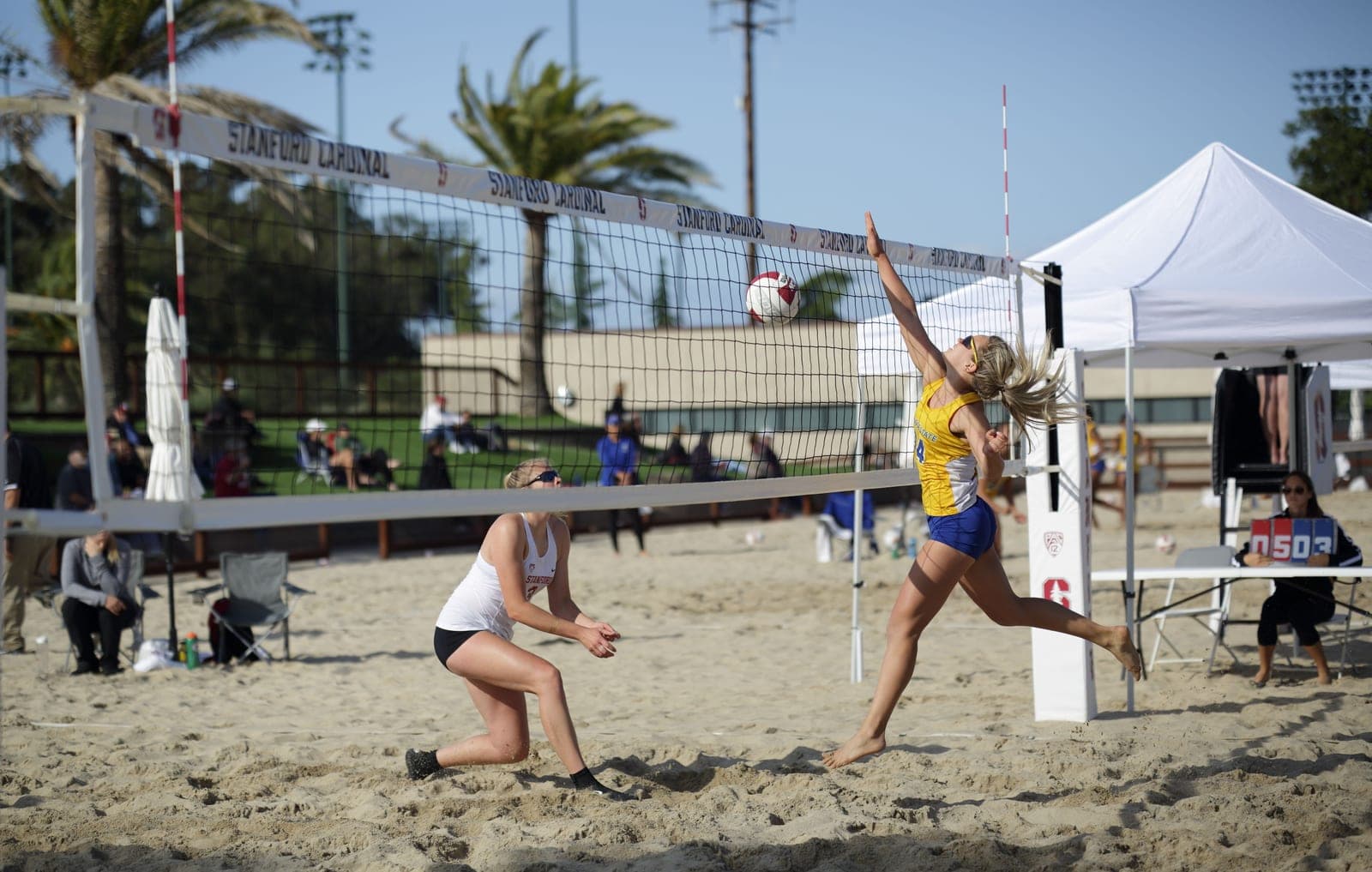
.jpg)
Volleyball is a non-contact team sport in which two sides rally a ball over a high net, trying to ground it on the opponent’s side. It is played indoors (typically six-a-side) and on sand as beach volleyball.
This path walks through the sport in a sensible order — from understanding the game to training for it. Work through it at your own pace; every step links to a clear guide.
Get to know the game
Start with how the sport works — the basic rules and how it is scored. A few minutes here saves confusion later.
Milestone: You can explain the aim of the game, its basic rules and how it is scored.
What you’ll need
The essential equipment, and the kind of place you’ll play. Most sports need far less to get started than people expect.
Milestone: You know what equipment you need to start and the kind of place the sport is played.
Learn the core skills
The fundamental skills the sport is built on. These are what to practise first — everything else builds on them.
Milestone: You can name the core skills and know which ones to practise first.
Build your technique
How specific movements and shots are performed. Learn these once the basics feel comfortable, one at a time.
Milestone: You understand how the key techniques are performed and when they are used.
Understand tactics & strategy
How the game is actually played and thought about — the tactics and bigger-picture strategy that turn skills into a game.
Milestone: You can follow how the game is played tactically, not just physically.
Find your position or role
Where you fit in — the positions and roles players take on, and what each one does.
Milestone: You know the positions or roles and what each one is responsible for.
Train your body for it
The physical qualities the sport asks for, and ways to build them. Educational — not a personalised plan.
Milestone: You know which physical qualities the sport asks for and, in general terms, how they are built.
Keep getting better
How improvement actually happens — the practice principles and the science beneath them apply to every sport.
Milestone: You understand how improvement actually happens and where to go deeper.
Where the path leads next
Once the fundamentals feel comfortable, these are the natural next steps — all educational, all self-paced.
A structured guide, not a coaching programme
More sports to learn
How it connects
The meaning-bearing relationships that place Learn Volleyball in the wider knowledge graph — each one with the reason it exists.
Prepared by
The on-ramp people usually take before this.
Explore across the knowledge base
Follow the threads that connect Learn Volleyball to the rest of SocialSportHub.
Sports communication
- Non-verbal communicationSharing information without words — through body language, eye contact, gestures and agreed hand signals — often faster or quieter than a call.
- Signalling availabilityShowing a teammate you are open and ready to receive — often through movement, body position or a gesture rather than a shout.
- Captain communicationHow a team's designated captain relays decisions, sets a tone and — in many sports — acts as the recognised point of contact with officials.
Skills Academy
Glossary
- Non-Verbal CueInformation passed between teammates or from a coach without words — through body language, positioning, eye contact or gestures.
- SetterA volleyball position that takes the team's second touch to set the ball up for an attacker.
- Inclusive SportAn approach to sport designed so that disabled and non-disabled people can take part together or side by side.
- Slam dunkA basketball shot where a player jumps and pushes the ball directly down through the hoop with one or both hands.
How this page is maintained
- Content type
- Learning path
- Provenance
- Tier A — evergreen educational
- Verified external sources
- 0
- Content updated
- 2026-09-12
Evergreen, first-party explanation — it makes no claim that needs an external source. How we handle sources and reviews.
Ready to start volleyball?
Follow the path, or jump straight into the full sport guide whenever you like.