
Non-Verbal Cue
Information passed between teammates or from a coach without words — through body language, positioning, eye contact or gestures.
Definition
A non-verbal cue is any signal used to communicate without speech: a glance, a nod, a change of body position, a pointed finger or a pattern of movement that teammates recognise. In fast, noisy environments where a spoken call may not be heard, players rely heavily on reading and sending these cues to stay coordinated — anticipating a pass from a teammate's eyes, or a run from the angle of their body.
Non-verbal communication also flows from coaches and captains, whose posture and reactions can settle or energise a team, and it includes deliberately coded gestures such as hidden signs for set plays. Because opponents are watching too, teams work to read the other side's cues while disguising their own. A hand signal is one formal, agreed type of non-verbal cue.
Where you’ll hear “non-verbal cue”
Sports that use this term:
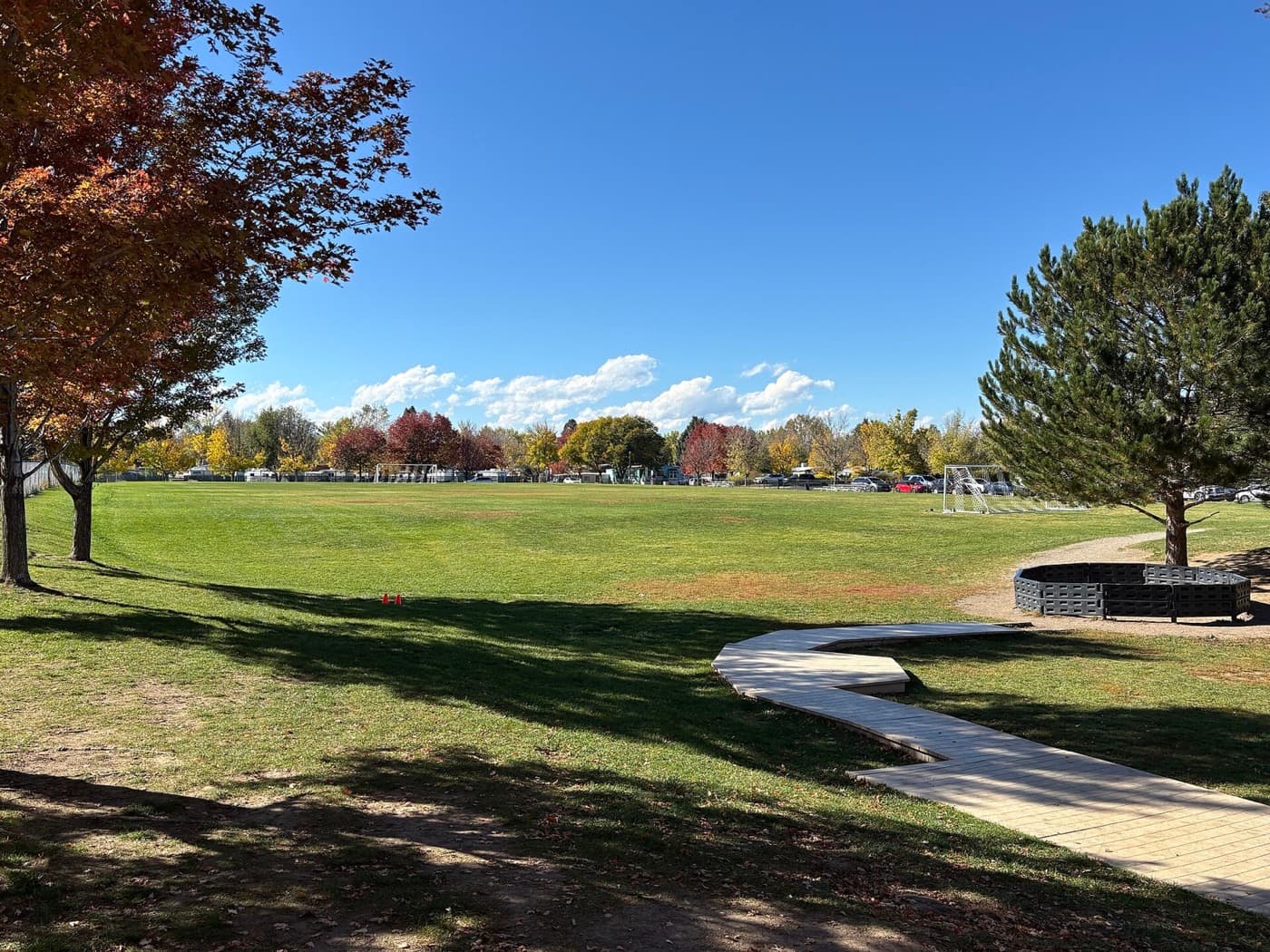
Football
The world’s most popular team sport — endless running, teamwork and community in one game.
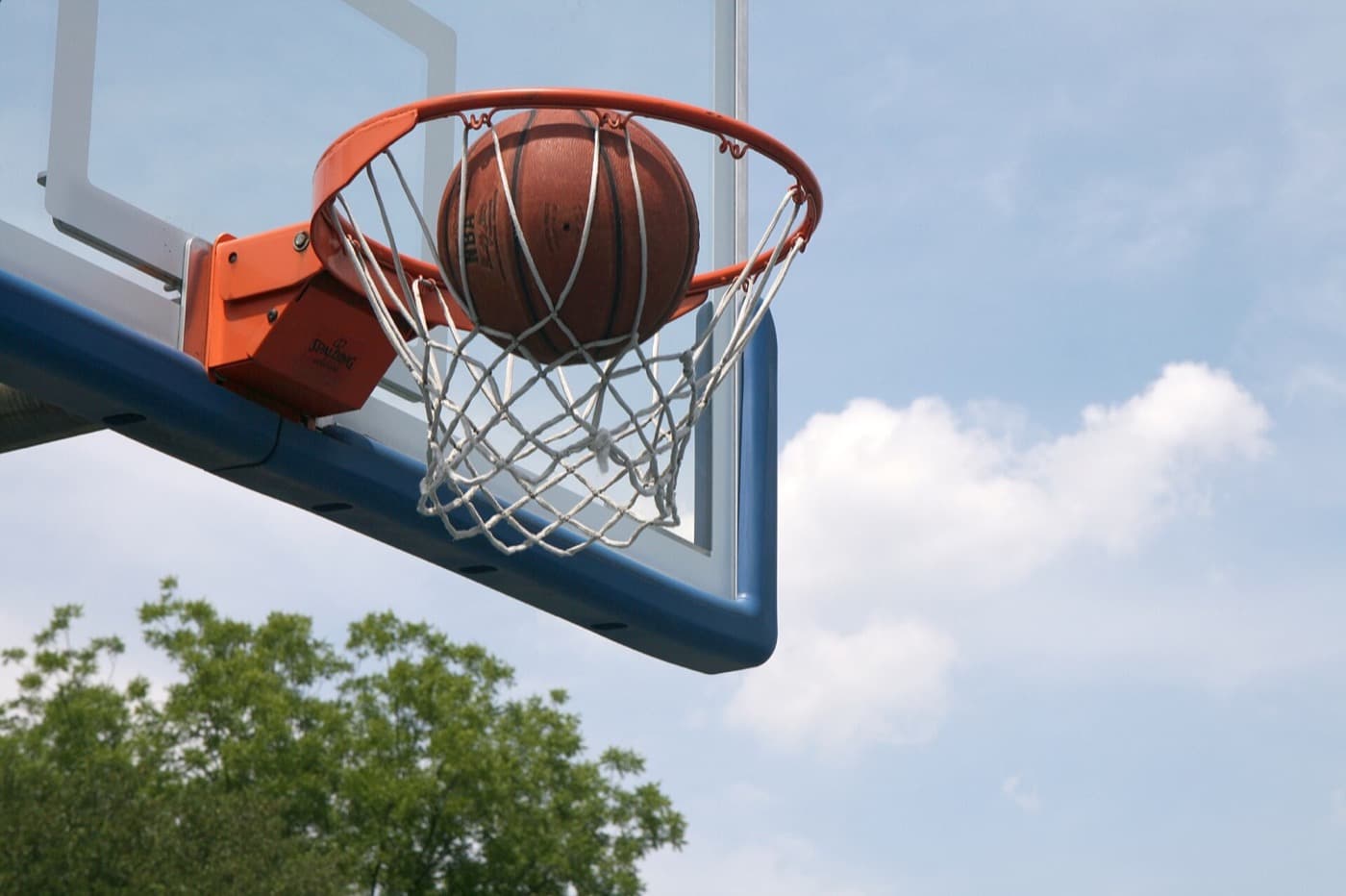
Basketball
A fast, dynamic team sport of running, jumping and quick decisions on court.
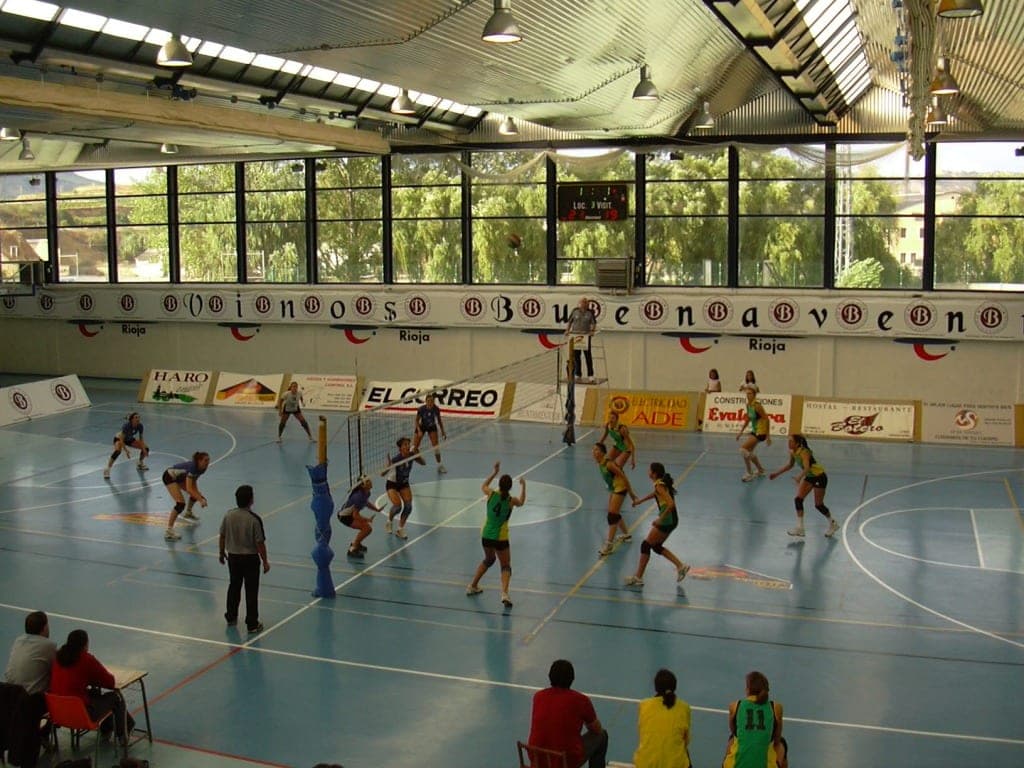
Volleyball
A non-contact team sport of rallies, jumps and teamwork — indoors or on the beach.
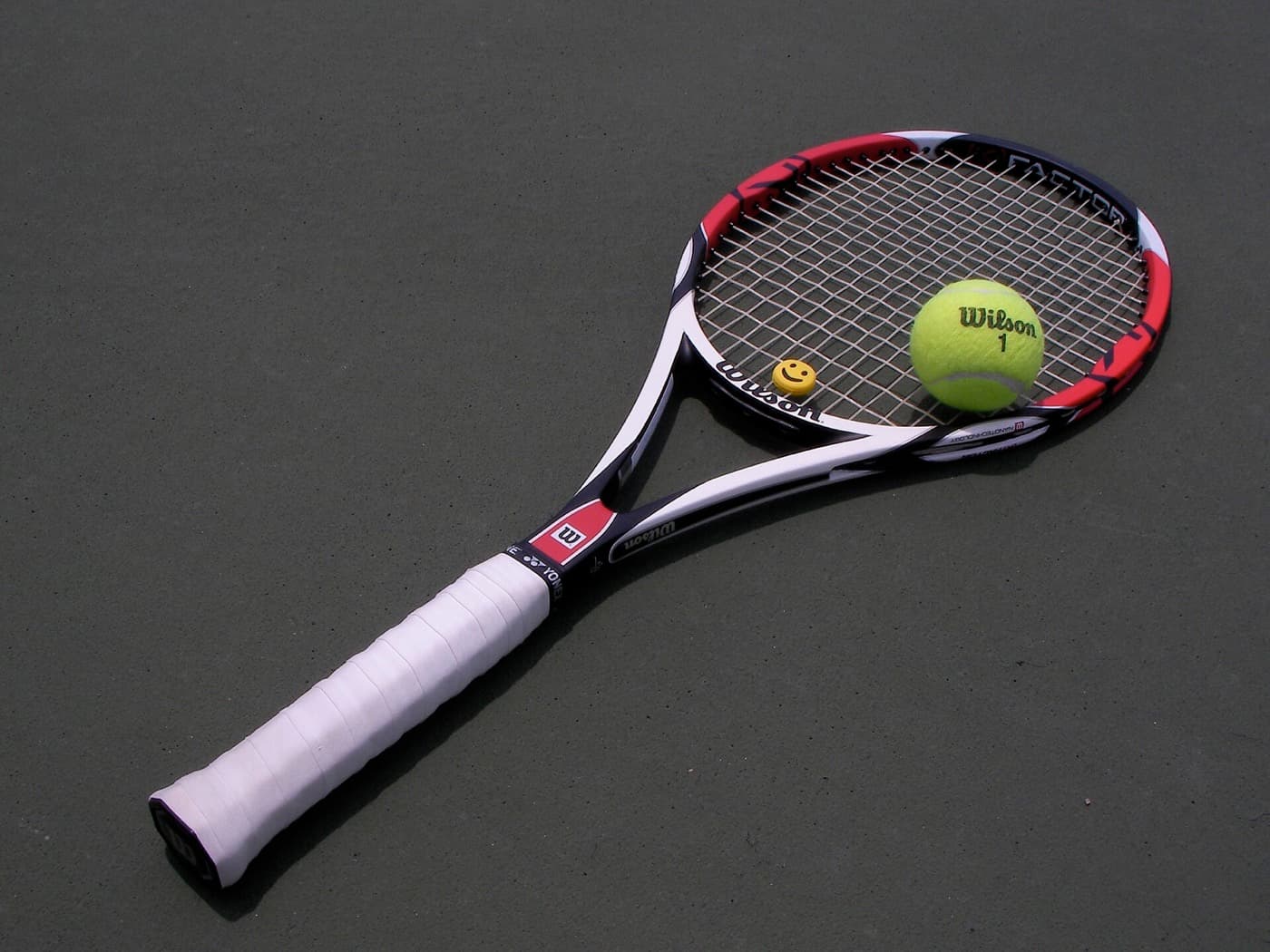
Tennis
A singles or doubles racquet sport that blends agility, strategy and stamina on court.
Rugby
A physical team sport of carrying, passing and kicking an oval ball toward the opposing line.
Explore across the knowledge base
Follow the threads that connect Non-Verbal Cue to the rest of SocialSportHub.
Sports communication
- Non-verbal communicationSharing information without words — through body language, eye contact, gestures and agreed hand signals — often faster or quieter than a call.
- Signalling availabilityShowing a teammate you are open and ready to receive — often through movement, body position or a gesture rather than a shout.
- Transition communicationCommunicating in the fast switch between attack and defence — flagging a turnover, a counter or a break so teammates react together.
- Defensive communicationTalking and signalling on defence — organising who marks whom, calling switches and warning teammates — to stay coordinated without the ball.
- Player-to-coach communicationHow a player shares information back to a coach — questions, how something felt, or a heads-up about availability — so coaching becomes a two-way exchange.
Goals
- Improve coordinationSharpen how smoothly your body works together — like tracking and hitting a ball — through skill practice.
- TeamworkDevelop cooperation, communication and trust by playing sports that rely on working together.
- Reduce stressFind calmer, healthier ways to unwind through regular movement, gentle mind-body activity and time outdoors.
- DisciplineBuild consistency, focus and self-discipline through the routines that sport and training encourage.
Sports science
- Aerobic and anaerobic energyThe difference between energy the body produces with oxygen and energy it produces without it — a core idea behind why different efforts feel and last so differently.
- The kinetic chainThe idea that the body’s segments work as a linked chain, passing force from the ground up through the hips, trunk and limbs.
- Force and powerThe difference between how much force the body can produce and how quickly it can produce it — the mechanics behind strength and explosiveness.
- BiomechanicsThe study of how the body produces and controls movement — the mechanics behind every technique in sport.
- Reaction timeThe short delay between a signal and the start of the movement made in response to it.
Movement patterns
- StrikeA ballistic, whole-body hitting action that channels ground-generated force through a proximal-to-distal kinetic chain to deliver momentum to a target via the hand, an implement or a body part at the moment of contact.
- PivotA rotation of the body about one planted foot, reorienting the trunk and hips around a vertical axis without travelling to a new location.
- JumpThe plyometric pattern of projecting the body off the ground through explosive triple extension and controlling the landing — the core expression of lower-body power.
- RotationRotating the trunk to generate and transfer power through the body's kinetic chain, plus anti-rotation — resisting unwanted twist to keep the trunk stable.
- Change of DirectionA planned redirection of the body from one movement vector to another, requiring an athlete to decelerate existing momentum and reaccelerate along a new line between two known points.
Physical qualities
- CoordinationGetting your body parts to work together smoothly and accurately, often with what you see.
- BalanceKeeping your body stable and controlled, whether still or moving.
- Muscular enduranceThe ability of a muscle group to keep working for many repetitions without tiring.
- SpeedHow quickly you can move your body or a part of it from one point to another.