Hand Signal
A gesture used to communicate silently — by officials to indicate decisions, and by coaches or players to relay instructions or plans.
Definition
A hand signal is a deliberate gesture that conveys information without speech. Match officials use standardised hand signals so that players, other officials and spectators can understand decisions at a distance and across language barriers — indicating a score, a foul, a direction of play or a stoppage. Their consistency is part of how a sport is run clearly and fairly.
Players and coaches also use hand signals to communicate discreetly. In volleyball, blockers signal their intentions to teammates behind their backs before a serve; in baseball, catchers signal the intended pitch and base coaches relay instructions through sequences of gestures; and many teams use hidden signs to call set plays. The value of a hand signal is that it is silent and can be kept private from opponents.
Meaning by sport
This term is used differently across sports:
- Volleyball
- Blockers show hand signals behind their backs before a serve to tell teammates which attacker or block they intend to cover.
- Baseball
- Catchers signal the intended pitch and coaches relay instructions through coded sequences of gestures to keep them hidden from opponents.
Where you’ll hear “hand signal”
Sports that use this term:
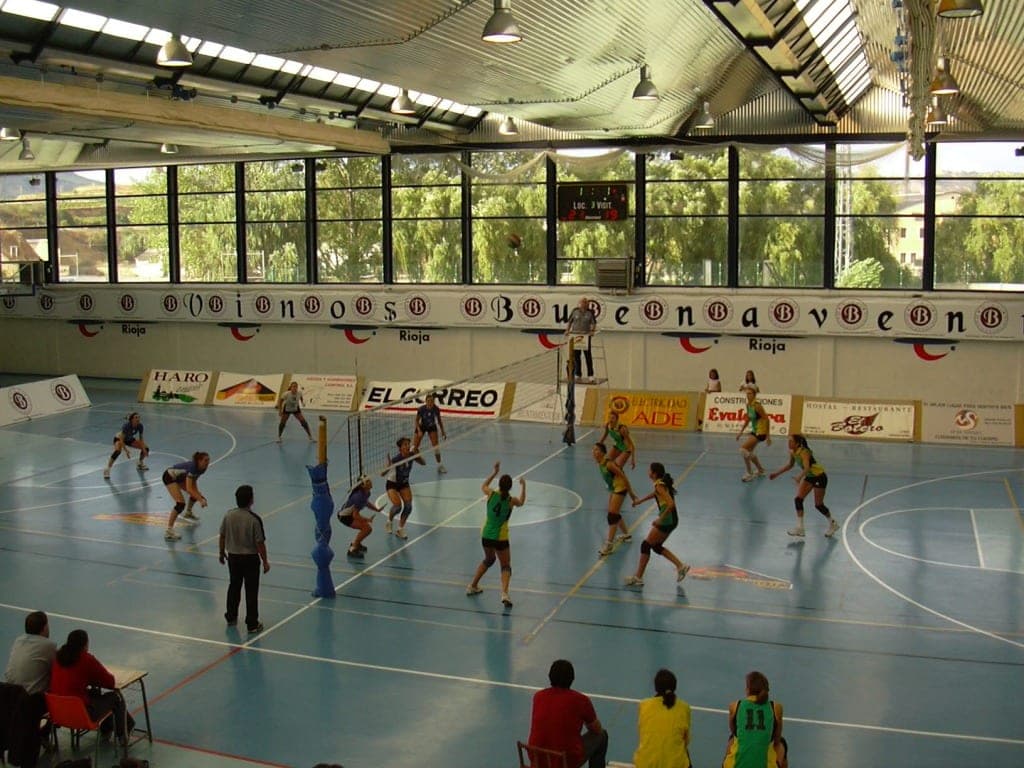
Volleyball
A non-contact team sport of rallies, jumps and teamwork — indoors or on the beach.
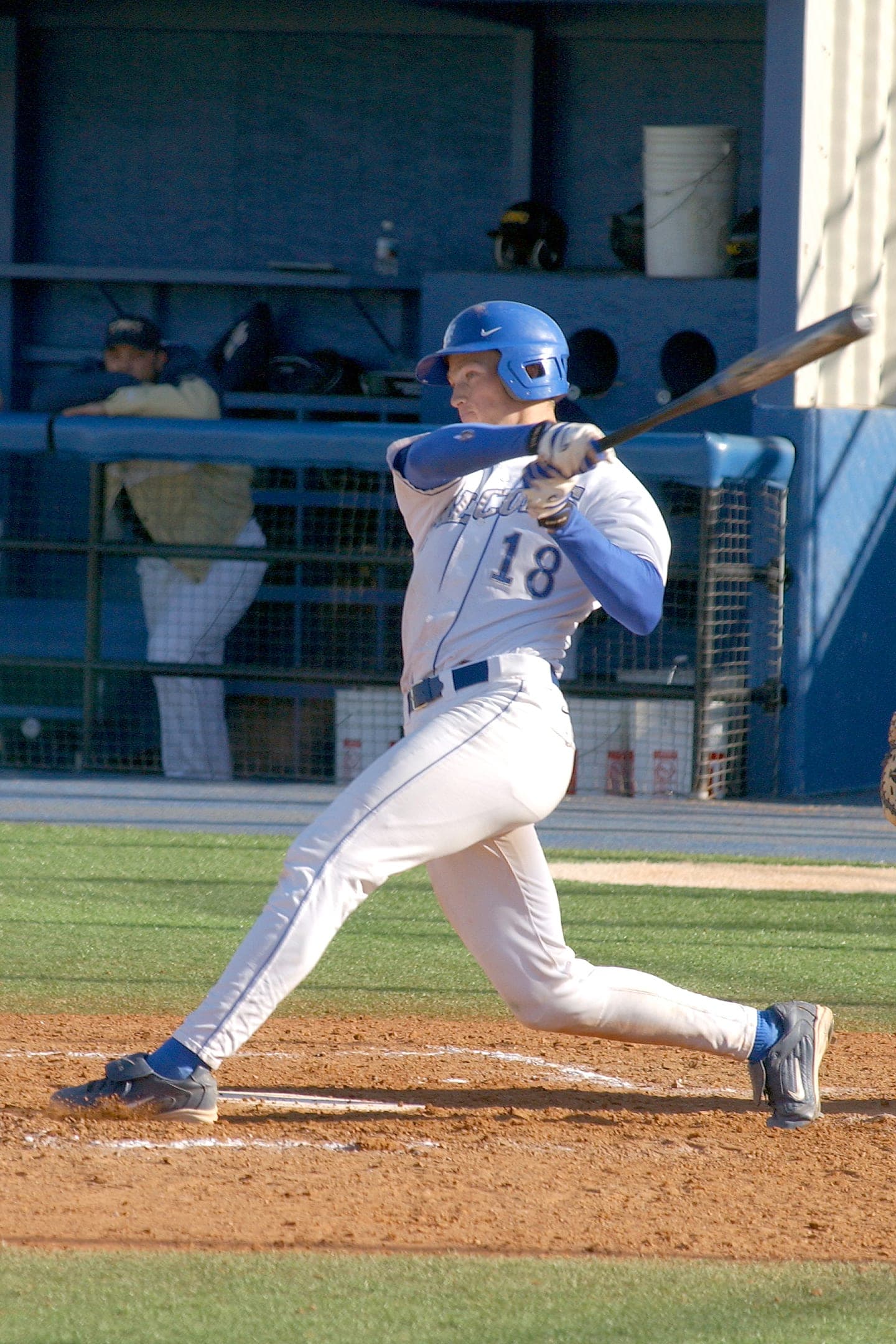
Baseball
A bat-and-ball team sport where two sides alternate between batting and fielding to score runs.

Football
The world’s most popular team sport — endless running, teamwork and community in one game.
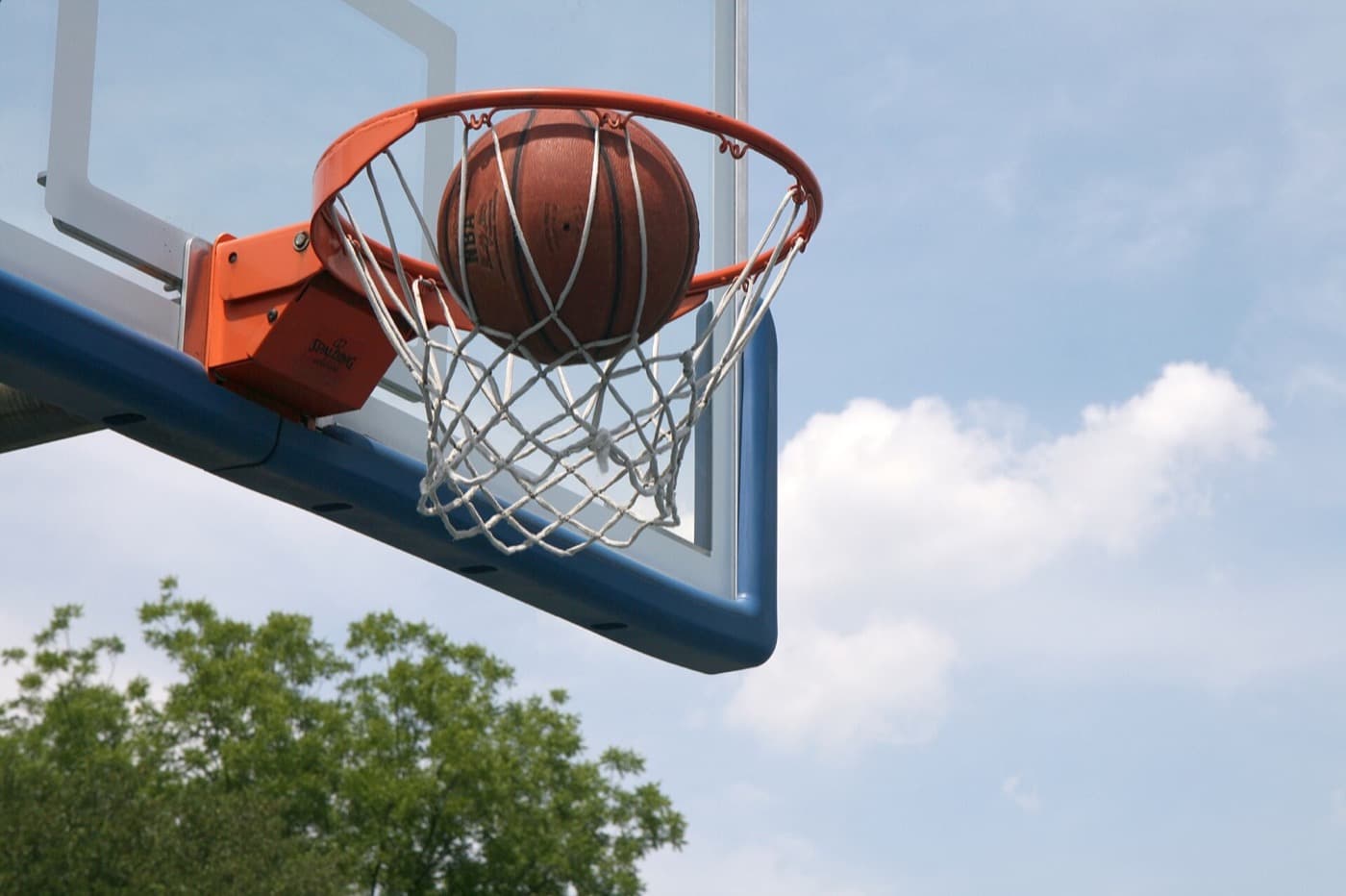
Basketball
A fast, dynamic team sport of running, jumping and quick decisions on court.
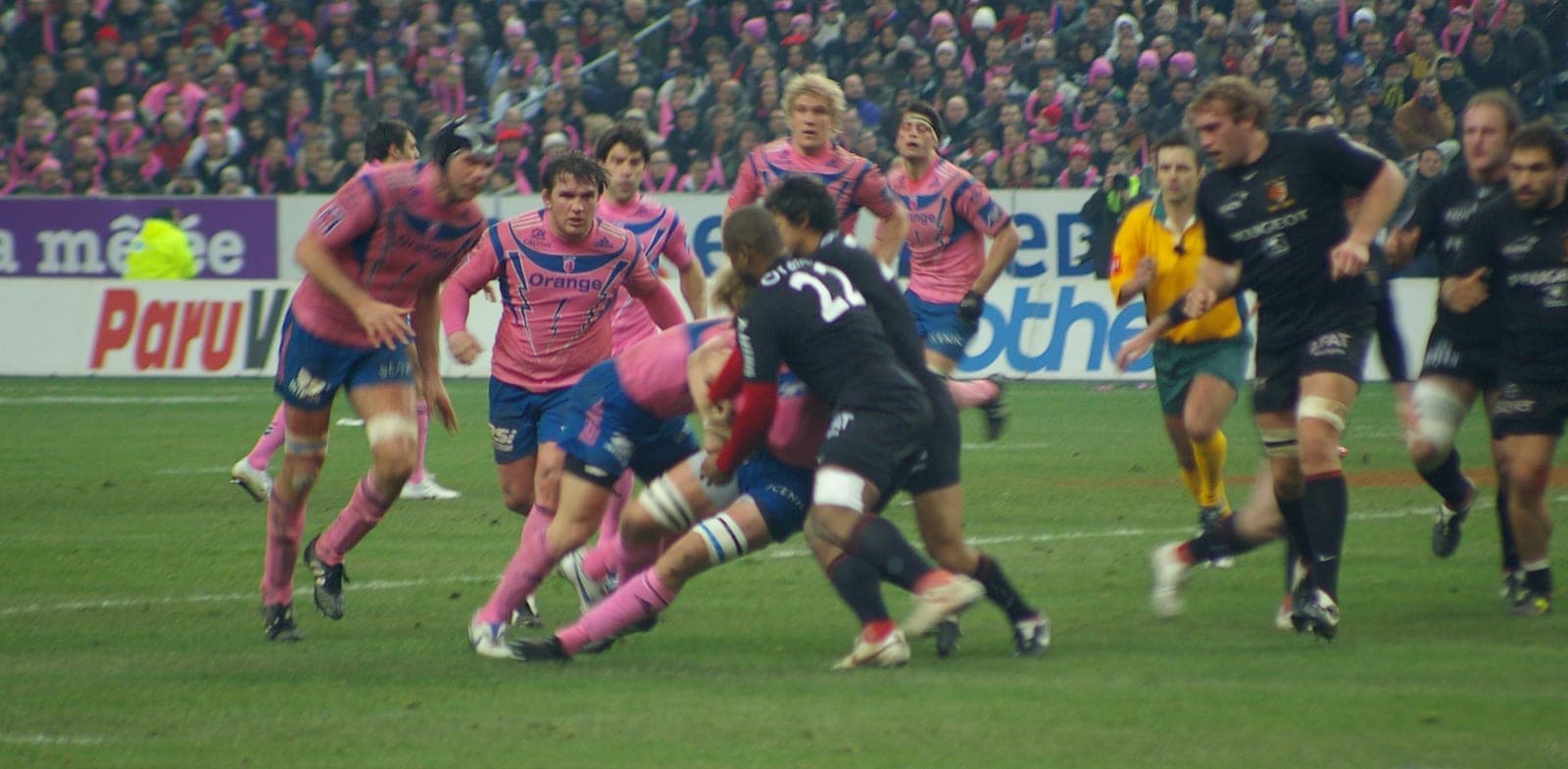
Rugby
A physical team sport of carrying, passing and kicking an oval ball toward the opposing line.
Explore across the knowledge base
Follow the threads that connect Hand Signal to the rest of SocialSportHub.
Officiating
- Penalty SignalA standardized hand or flag signal an official uses to announce a foul, penalty, or restart so players, teammates, and spectators can read the call.
- AdvantageIn many sports, officials let play continue after a foul when stopping would help the offender, so the fouled team keeps the advantage it has gained.
- Video ReviewVideo review lets officials re-examine footage of a contested moment to confirm or overturn a close call — a goal, a line, a foul — an aid used across many sports.
- Start and Stop SignalsThe whistle, gun, bell or hooter an official uses to begin and end play or a race, plus the rules that keep starts clean and penalise false starts.
Sports communication
- Captain communicationHow a team's designated captain relays decisions, sets a tone and — in many sports — acts as the recognised point of contact with officials.
- Non-verbal communicationSharing information without words — through body language, eye contact, gestures and agreed hand signals — often faster or quieter than a call.
- Leadership communicationHow players who lead — captains or not — communicate to organise, encourage and give direction, drawing teammates into a shared plan.
Go deeper with Hand Signal
Everywhere else on the platform that covers Hand Signal — assembled from what actually references it, so nothing here is a dead end.
Take it away
Open data and the whole-platform view of this subject.
How this page is maintained
- Content type
- Term
- Provenance
- Tier A — evergreen educational
- Verified external sources
- 0
- Content updated
- 2026-09-01
Evergreen, first-party explanation — it makes no claim that needs an external source. How we handle sources and reviews.