
Ice rink
A sheet of prepared ice, usually rink-boarded with rounded corners, used for skating and ice sports.

Overview
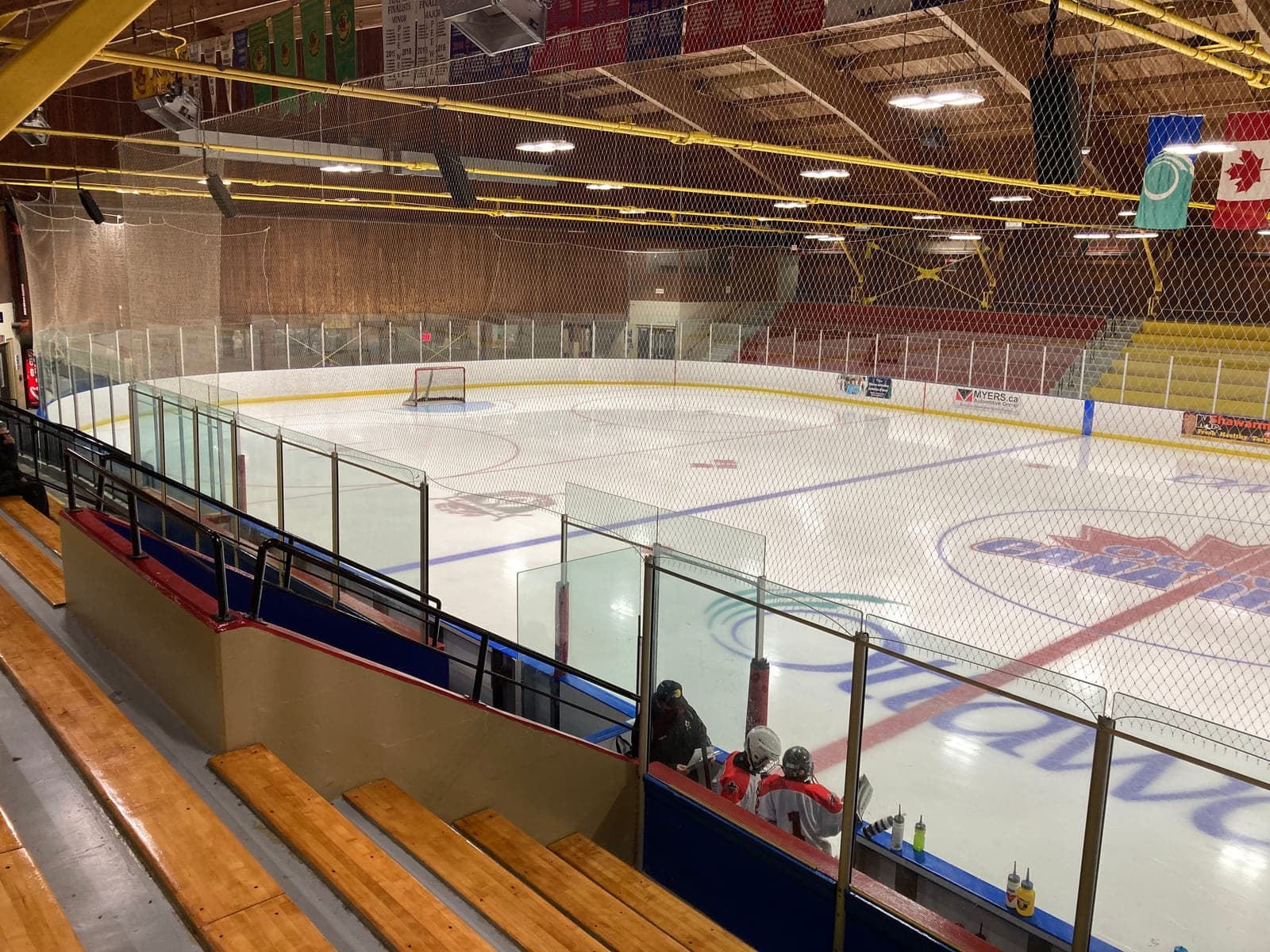
An ice rink is a smooth sheet of prepared ice used for skating and ice sports. Indoor rinks keep the ice frozen with a refrigeration system beneath the surface, allowing year-round use, while outdoor rinks may be natural or refrigerated.
Rinks used for ice hockey are enclosed by boards and have rounded corners, and the same shape suits figure skating, speed events and public sessions.
Good to know
- Indoor rinks use refrigeration pipes under the floor to keep the ice frozen.
- Hockey rinks are surrounded by boards topped with protective glass and have rounded corners.
- The ice is periodically resurfaced to keep it smooth for skating.
- The same rink can host ice hockey, figure skating, speed events and public skating.
Where it’s used
Sports that use ice rink:
Ice Hockey
A fast team sport on ice that combines skating skill with quick passing and goal-scoring.
Ice Skating
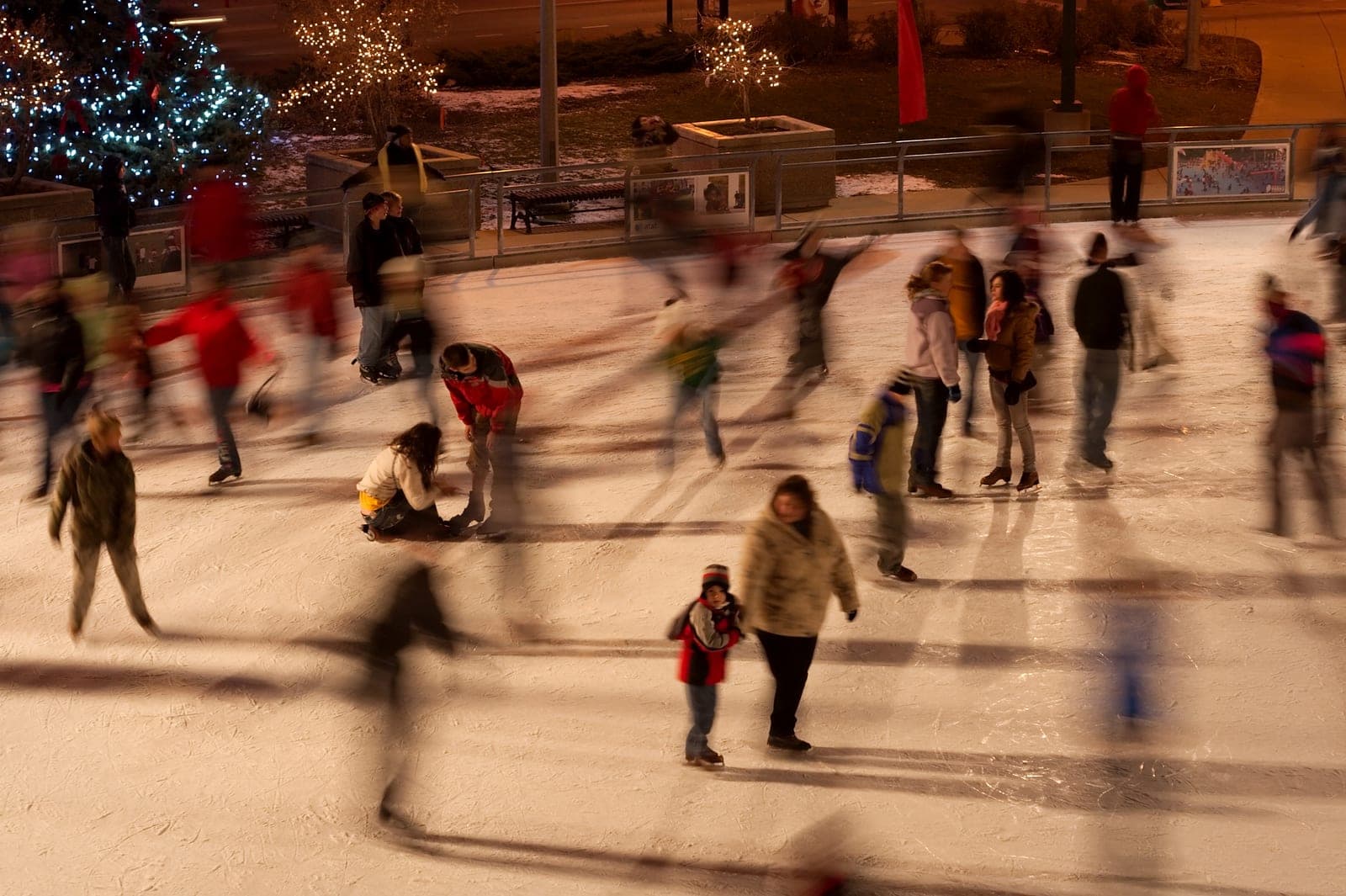
A graceful winter activity of gliding across ice on skates, from casual laps to disciplined skating.
Figure Skating
An artistic ice sport combining glides, spins, jumps and footwork into flowing routines.
Speed Skating
A racing sport on long-bladed skates, powering around an ice oval or tight indoor track with long, rhythmic strides.
Curling
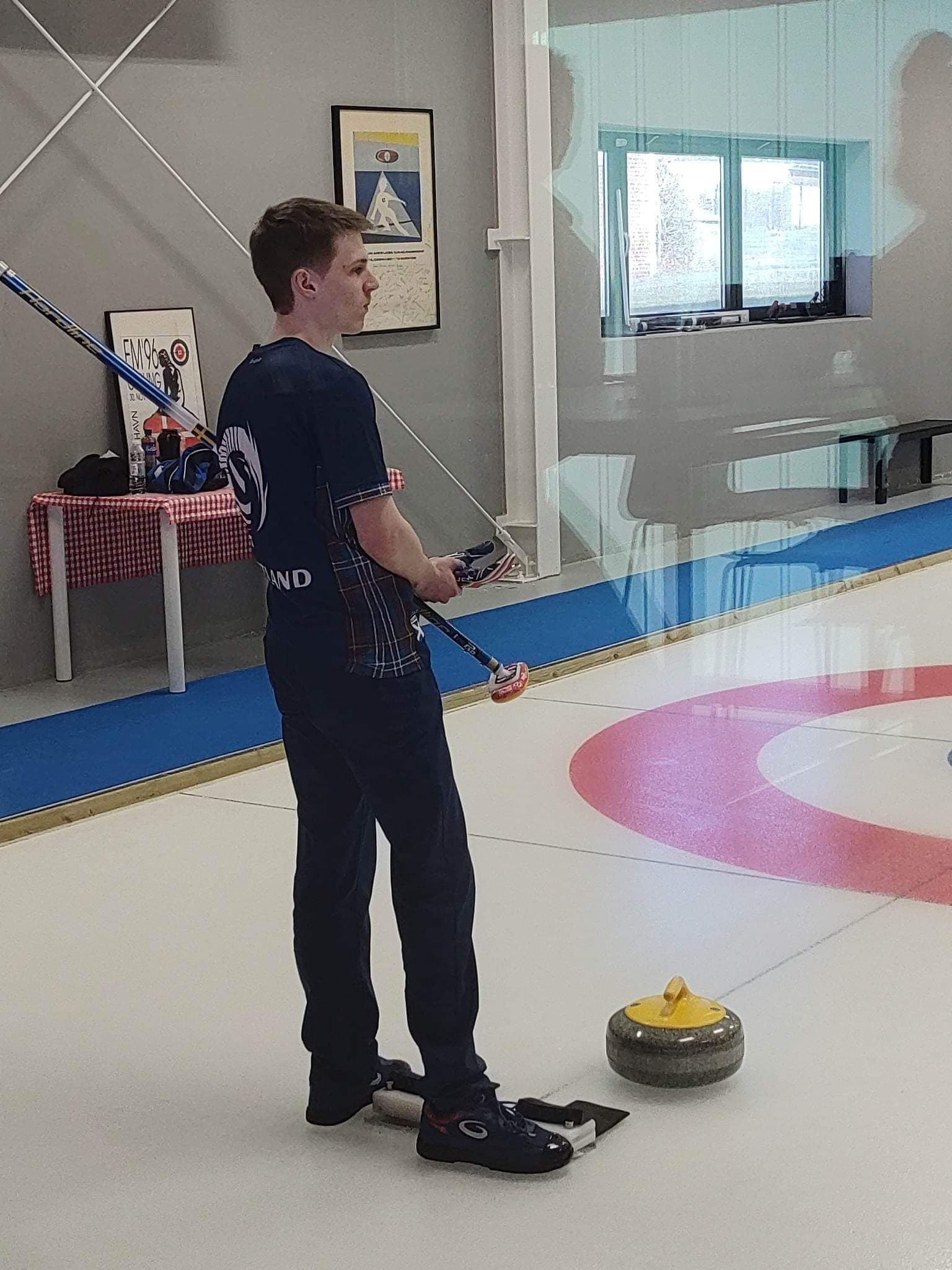
A tactical team sport of sliding polished stones down a sheet of ice toward a target, with teammates sweeping to guide them.
How it connects
The meaning-bearing relationships that place Ice rink in the wider knowledge graph — each one with the reason it exists.
Frequently learned together
Taught side by side in the same stage of a learning path.
Explore across the knowledge base
Follow the threads that connect Ice rink to the rest of SocialSportHub.
Playing surfaces
Disciplines
- Short TrackShort track speed skating is contested on a compact oval of about 111 metres, where several skaters race together in a pack and finishing position decides the result.
- SinglesSingles is figure skating performed alone, with one skater presenting jumps, spins, and step sequences to music in separate men's and women's events.
- PairsPairs is skated by two partners who combine unison elements with lifts, throw jumps, twist lifts, and death spirals that are unique to the discipline.
- Ice danceIce dance is a couples discipline focused on rhythm, musical interpretation, and intricate footwork, without the throw jumps or overhead lifts of pairs.
- Synchronized skatingSynchronized skating is a team discipline in which a group of skaters moves as one unit through formations, emphasizing precision, timing, and unison.
Equipment
- Hockey stickA curved-headed stick used to control, pass and shoot the ball or puck in hockey.
- The puckThe vulcanised rubber disc ice hockey is played with — its exact diameter, thickness and weight under IIHF rules, and the limits on what may be printed on it.
- The goal and the creaseThe net a hockey team defends and the protected area in front of it — the exact goal dimensions, what the crease area includes, and why goaltender contact so often disallows a goal.
- BasketballA large, inflated ball with a dimpled surface used to play basketball.
- Baseball batA smooth, rounded club used by batters to hit the pitched ball in baseball and softball.
Go deeper with Ice rink
Everywhere else on the platform that covers Ice rink — assembled from what actually references it, so nothing here is a dead end.
Learn it
Structured courses and paths on the platform that cover this directly.
How this page is maintained
- Content type
- Facility
- Provenance
- Tier A — evergreen educational
- Verified external sources
- 0
- Content updated
- 2026-09-12
Evergreen, first-party explanation — it makes no claim that needs an external source. How we handle sources and reviews.