
Biceps
The muscles on the front of the upper arm that bend the elbow and turn the forearm.
Overview
The biceps — biceps brachii — sit on the front of the upper arm, running from the shoulder to just below the elbow. The name means "two heads", reflecting its two upper attachments.
Their main jobs are bending the elbow, curling the forearm up, and rotating the forearm so the palm faces up. They are heavily involved in any pulling or lifting action toward the body.
Good to know
- Assist the back muscles in pulling and rowing
- Used whenever you lift or carry something toward you
- Work in partnership with the triceps on the opposite side of the arm
Where it’s used
Sports this relates to:
Calisthenics
Bodyweight strength training — push-ups, pull-ups, dips and progressions you can do almost anywhere.
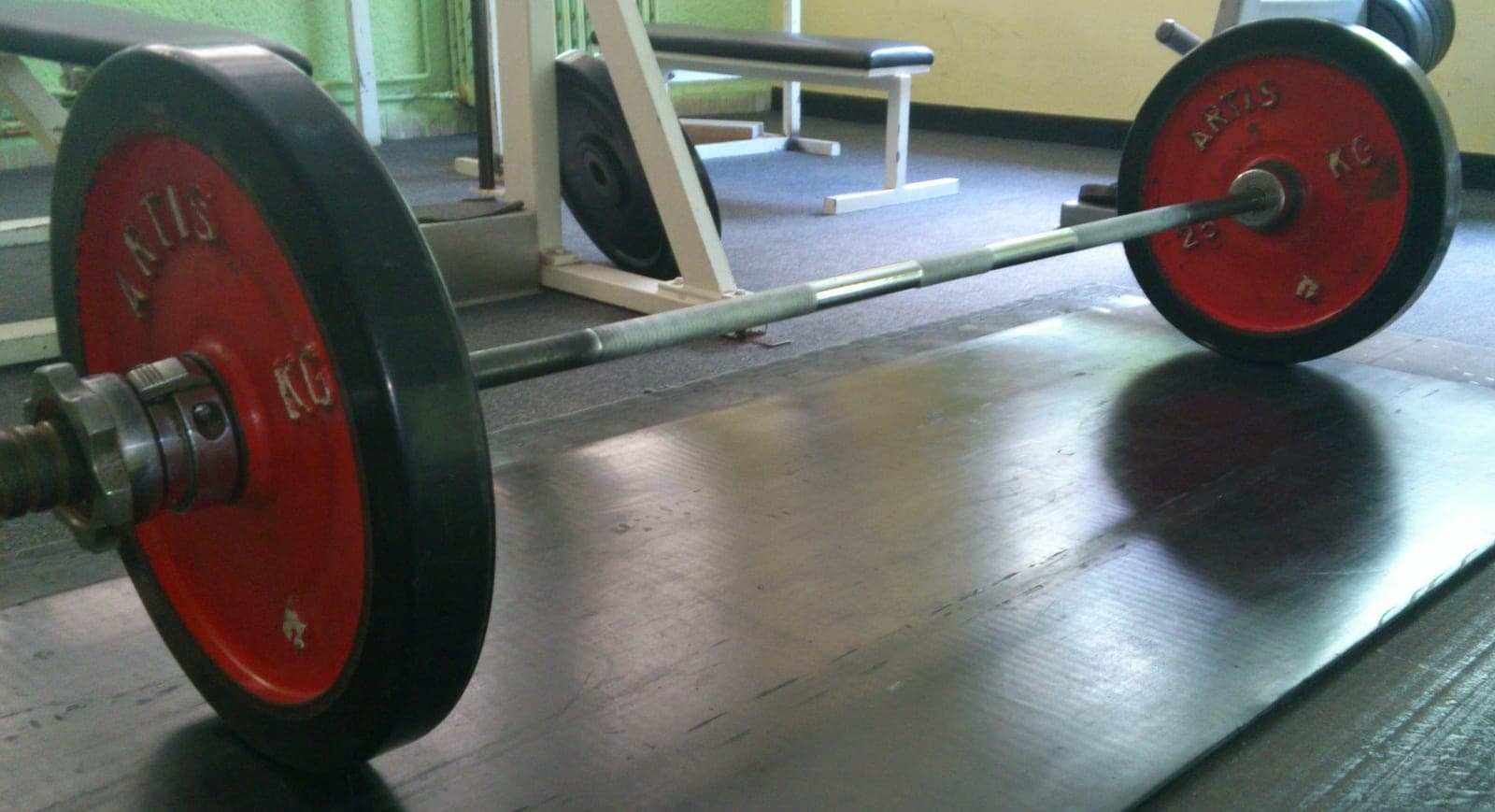
Weightlifting
A technical strength sport built around lifting a loaded barbell overhead with speed and control.
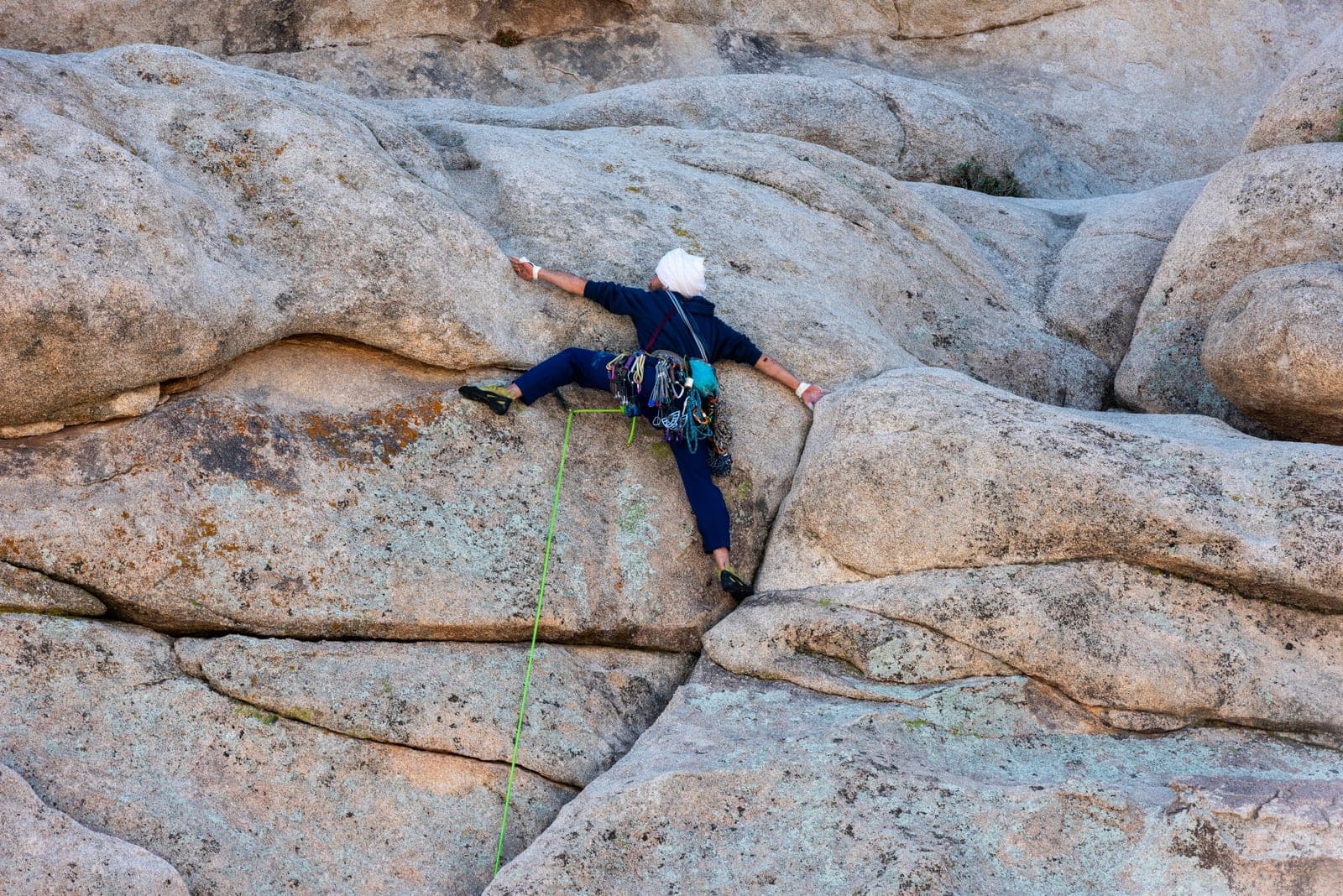
Rock Climbing
A rope-based climbing sport that pairs full-body strength with focus and careful technique, indoors or on rock.
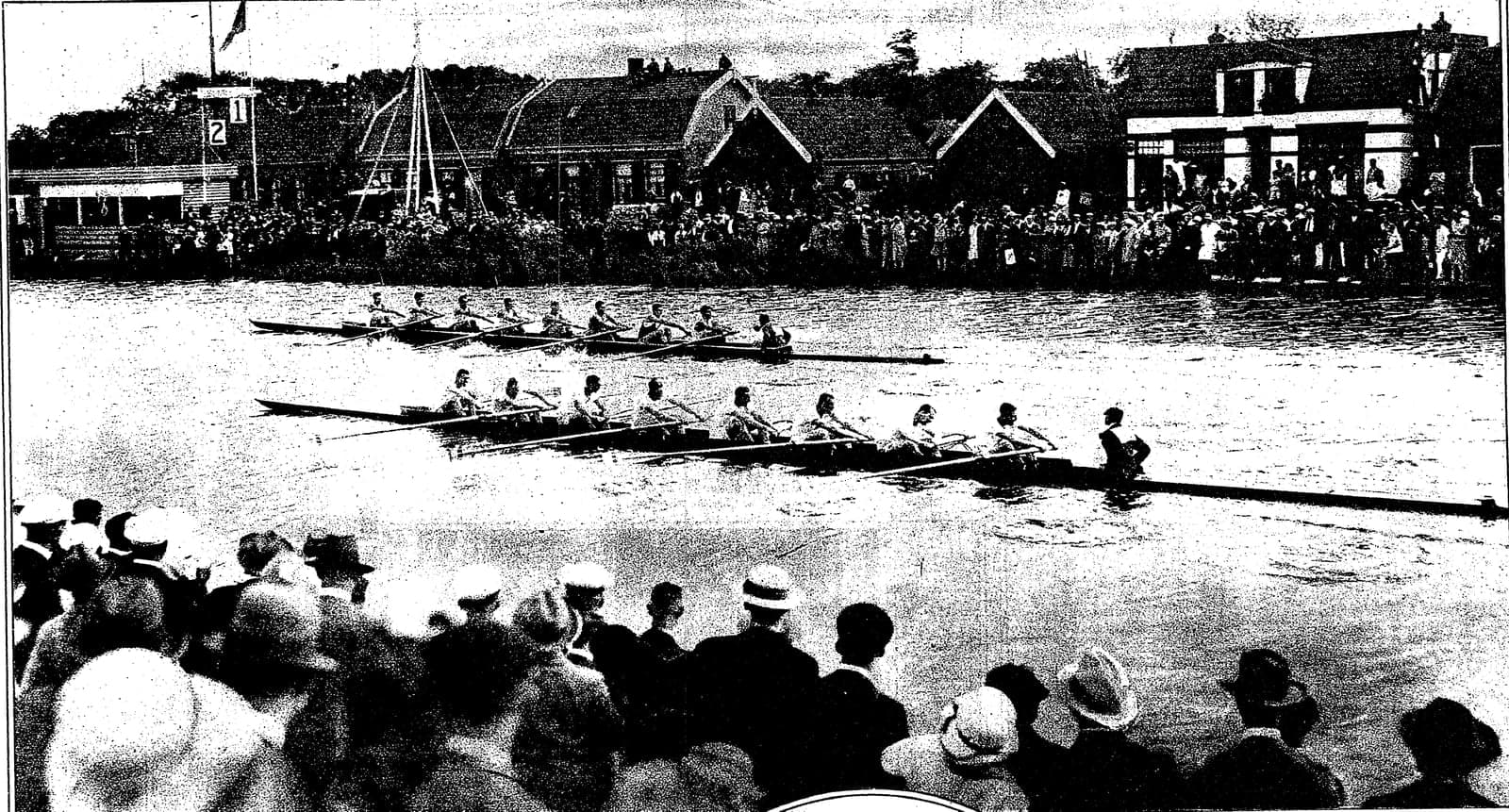
Rowing
A rhythmic, full-body endurance sport on the water or on an indoor machine.
Exercises that work the biceps
Pull-up
A vertical pulling exercise where you hang from a bar and pull your chin above it.
Chin-up
A pulling exercise similar to a pull-up but with palms facing you, involving the biceps more.
Inverted row
A horizontal pulling exercise where you pull your chest to a fixed bar while lying back beneath it.
Bent-over row
A pulling exercise where you hinge forward and row a weight toward your torso.
Bicep curl
An isolation exercise where you bend the elbows to lift a weight toward the shoulders.
Explore across the knowledge base
Follow the threads that connect Biceps to the rest of SocialSportHub.
Movement patterns
- PullDrawing a load or your own body toward the torso — horizontal rows and vertical pull-ups — building the lats, mid-back and biceps and balancing the push.
- CatchReceiving a moving object and securing it under control, absorbing its momentum by yielding along its path so kinetic energy is dissipated rather than rebounded away.
Techniques
Go deeper with Biceps
Everywhere else on the platform that covers Biceps — assembled from what actually references it, so nothing here is a dead end.
Take it away
Open data and the whole-platform view of this subject.
How this page is maintained
- Content type
- Muscle group
- Provenance
- Tier A — evergreen educational
- Verified external sources
- 0
- Content updated
- 2026-07-06
Evergreen, first-party explanation — it makes no claim that needs an external source. How we handle sources and reviews.