
Rock Climbing
Problem-solving and full-body strength on the wall
.jpg)
Overview
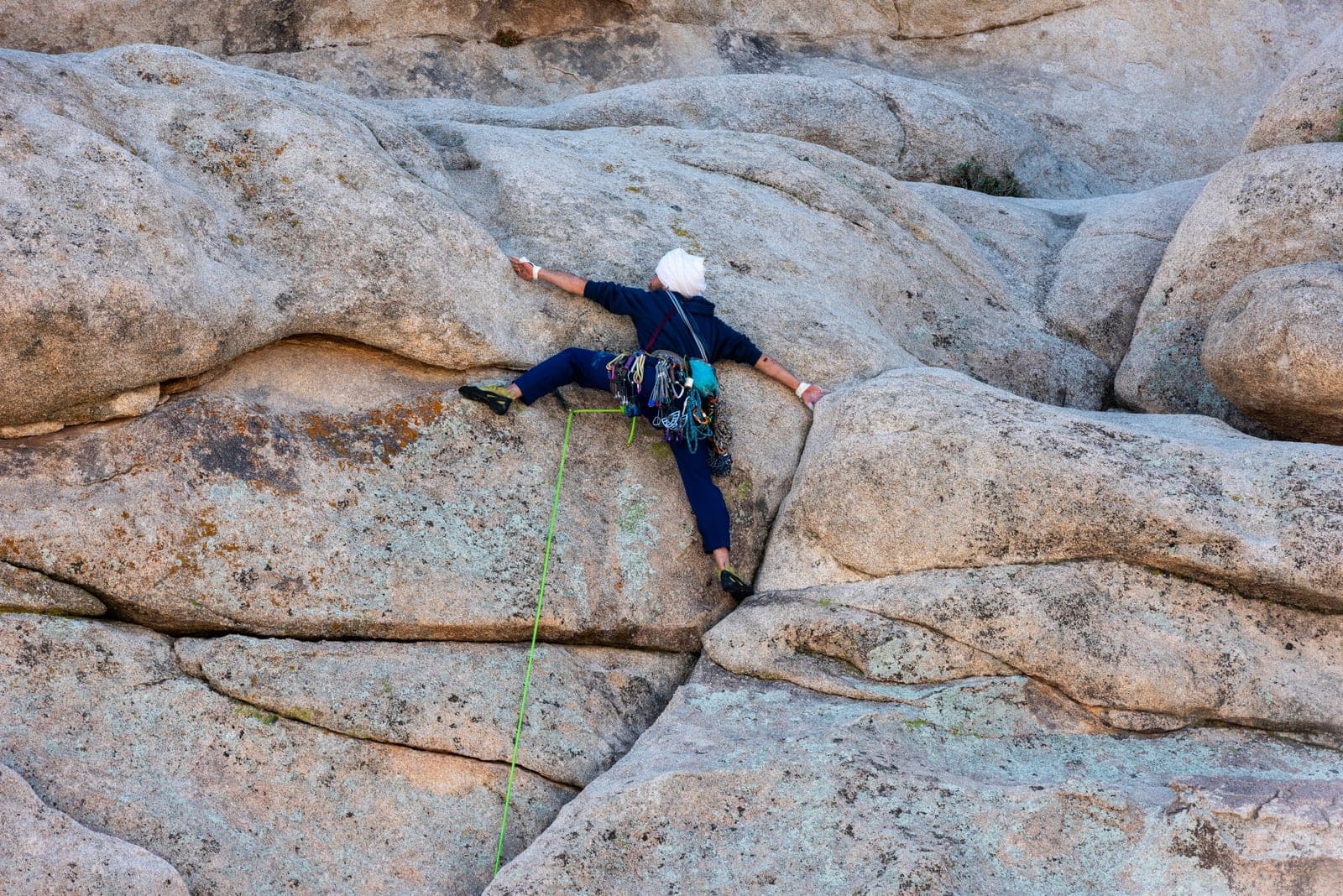
Rock climbing involves ascending steep walls and rock faces using hand and foot holds, with a rope and harness to protect against falls. It is practised on natural crags outdoors and on purpose-built climbing walls indoors, so it can be enjoyed year-round.
As much a puzzle as a workout, each route asks you to read a sequence of holds and move your body efficiently. Because ropework and safety are central, qualified instruction and a trusted partner are the usual way to begin, and good technique matters far more than raw power.
Why rock climbing is good for your health
- Builds full-body strength, especially in the back, arms and core
- Improves grip strength, flexibility and body control
- Sharpens focus and problem-solving under gentle pressure
- Develops balance and precise, efficient movement
Physical qualities you’ll build
Rock Climbing is especially good for developing these qualities:
The social side
- Climbing relies on trust between a climber and their belay partner
- Indoor walls have a friendly, supportive community feel
- Clubs and courses make it easy to meet regular climbing partners
How to start as a beginner
- 1Start indoors at a climbing wall with a beginner induction or course
- 2Learn to use a harness and to belay safely under qualified supervision
- 3Focus on footwork and balance rather than pulling hard with your arms
- 4Progress gradually, and seek instruction before climbing outdoors on rock
Equipment you’ll need
- Climbing shoesEssentialUsually available to hire at indoor walls
- HarnessEssentialHire kits are common when starting out
- Rope and belay deviceEssentialOften provided or supervised in beginner sessions
- Chalk and chalk bagOptional
- A helmet for outdoor climbingOptional
Where to play
Rock Climbing is typically played at:
Explore clubs and venues to understand the different places you can play, or see how to find people to play with.
Rock Climbing disciplines
Rock Climbing isn’t one thing — it takes several distinct forms, each with its own character. Explore the disciplines within it.
Playing Rock Climbing
The equipment, rules, skills and more that make up the game — each cross-linked into the encyclopedia.
Related sports to explore
If you enjoy Rock Climbing, you might also like these.
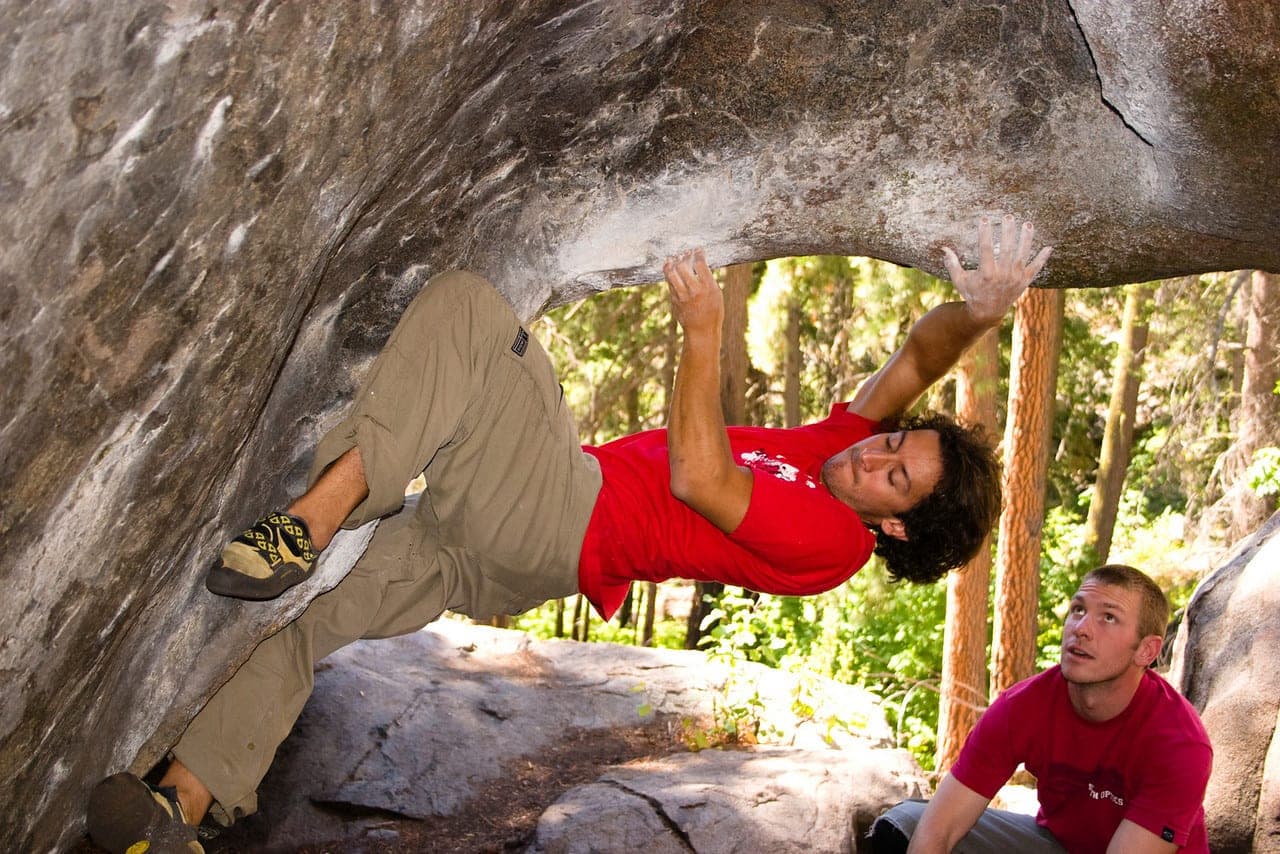
Bouldering
A rope-free form of climbing on short walls and boulders, focused on strength, technique and puzzle-solving.
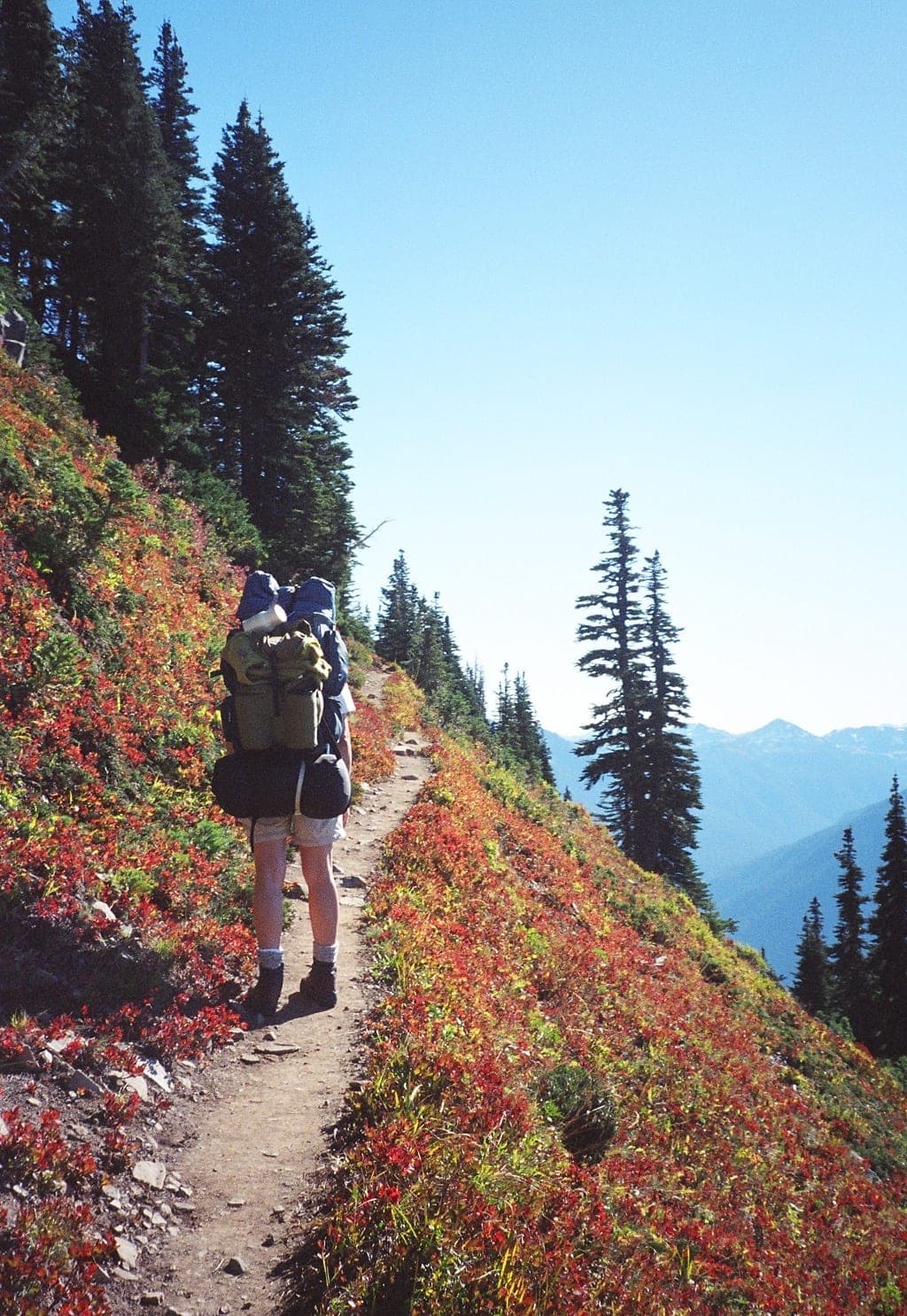
Hiking
An accessible outdoor sport of walking natural trails and hills at your own pace, solo or in a group.
Calisthenics
Bodyweight strength training — push-ups, pull-ups, dips and progressions you can do almost anywhere.
Mountain Biking
An off-road cycling sport ridden on rugged trails, mixing endurance, bike handling and outdoor adventure.
Compare Rock Climbing with…
Deciding between Rock Climbing and something similar? See how they line up side by side.
Bouldering vs Rock Climbing
How they compare on difficulty, intensity, kit and what suits you.
Calisthenics vs Rock Climbing
How they compare on difficulty, intensity, kit and what suits you.
Hiking vs Rock Climbing
How they compare on difficulty, intensity, kit and what suits you.
Mountain Biking vs Rock Climbing
How they compare on difficulty, intensity, kit and what suits you.
Reach your goals with Rock Climbing
People take up Rock Climbing for all kinds of reasons. Here is what it can help you work towards.
Who & where Rock Climbing fits
Sport should fit your life. Here is who Rock Climbing suits and when it works.
How it connects
The meaning-bearing relationships that place Rock Climbing in the wider knowledge graph — each one with the reason it exists.
Alternative to
Comparable enough that people choose between them.
- BoulderingRock Climbing and Bouldering are close enough that the platform maintains a side-by-side comparison of them.
- CalisthenicsRock Climbing and Calisthenics are close enough that the platform maintains a side-by-side comparison of them.
- HikingRock Climbing and Hiking are close enough that the platform maintains a side-by-side comparison of them.
- Mountain BikingRock Climbing and Mountain Biking are close enough that the platform maintains a side-by-side comparison of them.
Helps achieve
A recognised route towards these goals.
Explore across the knowledge base
Follow the threads that connect Rock Climbing to the rest of SocialSportHub.
Glossary
Recommendations
- Recommended for “Digital detox”Sports, qualities, a learning path and first steps for “Digital detox” — every suggestion a real graph link, shown with its reason.
- Recommended for “Build confidence”Sports, qualities, a learning path and first steps for “Build confidence” — every suggestion a real graph link, shown with its reason.
Movement patterns
- PullDrawing a load or your own body toward the torso — horizontal rows and vertical pull-ups — building the lats, mid-back and biceps and balancing the push.
- ReachExtending a limb toward a distant point or object, often at full stretch, by projecting a distal segment beyond the body's resting envelope while a stabilised base preserves balance and control.
- CarryHolding and transporting a load while keeping the trunk braced and stable — an anti-movement pattern that builds grip, core stability and full-body strength.
Coaching concepts
- ProgressionBuilding skill and training load in gradual, manageable steps so each stage prepares the next, moving from simple to complex and easy to hard.
- Small-Sided GamesPractising in scaled-down versions of a sport — fewer players, smaller area — so skills and decisions happen more often in a game-like setting.
Knowledge
- How sport helps you live a healthier lifeA clear, practical look at how regular sport and movement support your heart, body and mind — and how to make it a lasting part of life.
- Sport vs smoking: building healthier routinesHow sport and movement can support a smoke-free routine — with honest, careful guidance on where to get real help.
Go deeper with Rock Climbing
Everywhere else on the platform that covers Rock Climbing — assembled from what actually references it, so nothing here is a dead end.
Compare it
Head-to-head studies against the entities people actually weigh it against.
Kit it out
Equipment guidance drawn from the graph, with no brands and no affiliate links.
Take it away
Open data and the whole-platform view of this subject.
How this page is maintained
- Content type
- Sport
- Provenance
- Tier A — evergreen educational
- Verified external sources
- 0
- Content updated
- 2026-07-06
Evergreen, first-party explanation — it makes no claim that needs an external source. How we handle sources and reviews.
Keep going
A sport is most rewarding alongside good habits, sensible nutrition and people to share it with. Here is where to go next.
How movement supports body and mind.
Eat well to feel and perform better.
Build routines that stick.
Ways to meet others and play together.
Where to play and what to expect.
Browse the full list by category.