
Shielding
Legally keeping your body between an opponent and the ball to protect possession while it remains within playing distance.
Definition
Shielding, also called screening, is a possession-protection skill in which a player positions their body as a barrier between the ball and a challenging opponent — typically with a low, wide, balanced stance and the ball on the far foot. It is used to hold up play, wait for support, invite a foul, or run down time.
The technique is legal only while the ball stays within playing distance; deliberately blocking an opponent when the ball is out of reach becomes obstruction or impeding. Although it serves tactical aims, shielding itself is an individual technical skill rather than a team tactic — it concerns how one player uses body position, arm awareness, and strength to retain the ball.
Scope: A protect-the-ball technique for one player, distinct from team tactics such as possession play or game management.
Where you’ll hear “shielding”
Sports that use this term:

Football
The world’s most popular team sport — endless running, teamwork and community in one game.
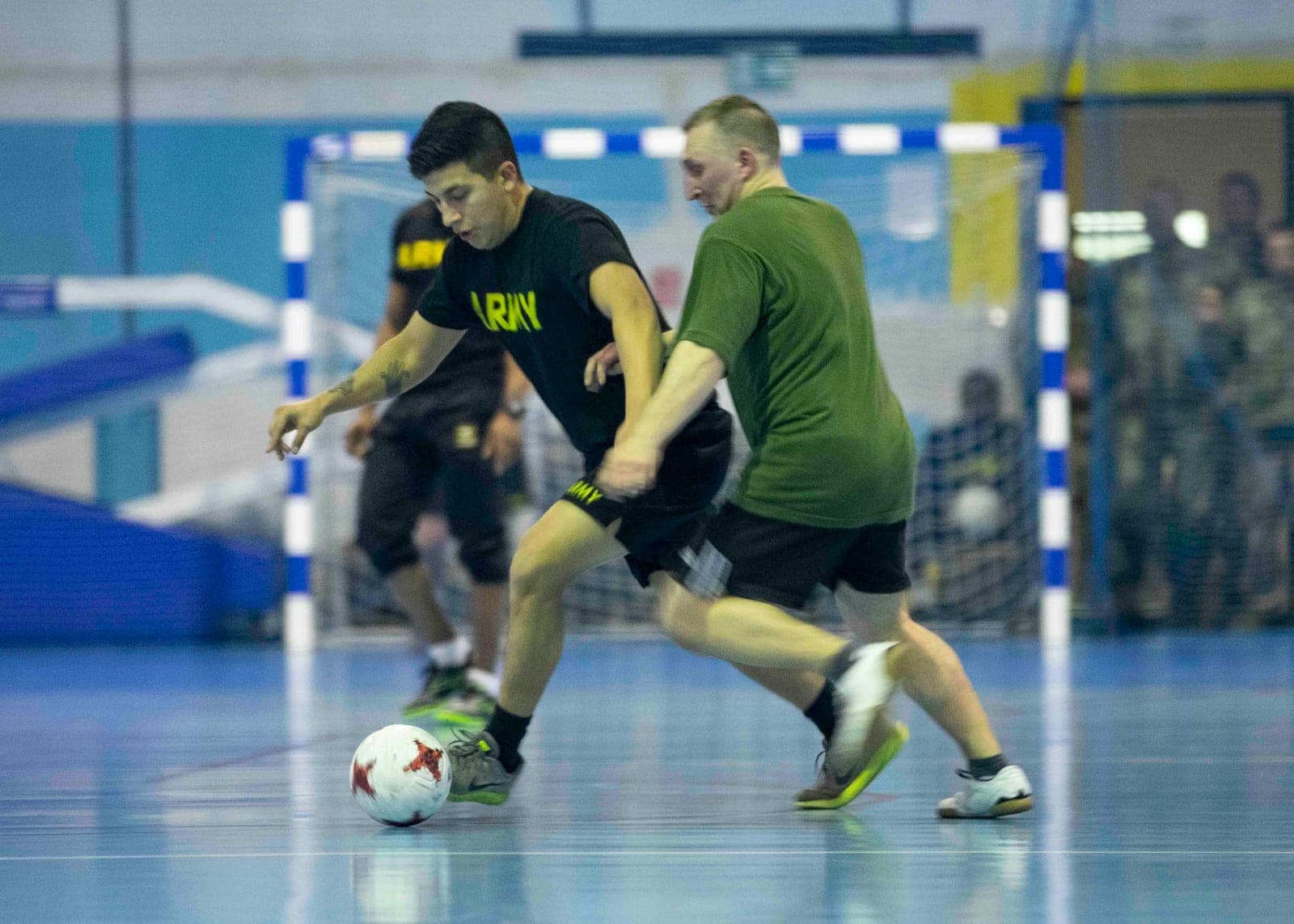
Futsal
A fast, small-sided indoor form of football played on a hard court with a low-bounce ball.
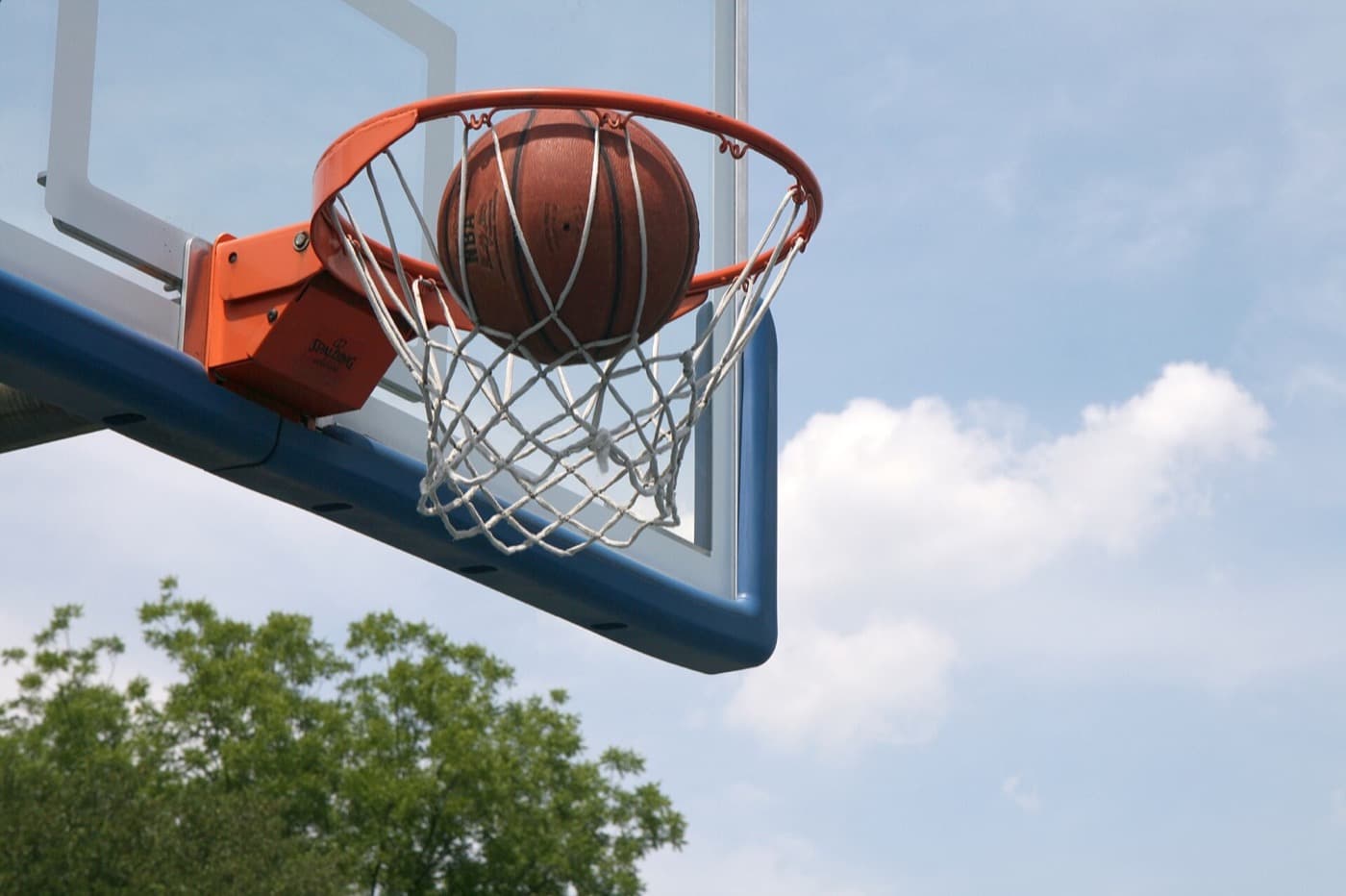
Basketball
A fast, dynamic team sport of running, jumping and quick decisions on court.
Explore across the knowledge base
Follow the threads that connect Shielding to the rest of SocialSportHub.
Skills
- TacklingThe skill of legally challenging an opponent to win the ball or stop their progress.
- PassingThe skill of moving the ball to a teammate accurately to keep possession and create chances.
- BalanceThe skill of keeping the body stable and controlled while still or moving.
- Returning serveThe skill of reading and playing back an opponent’s serve to stay in the rally.
- DribblingThe skill of moving with the ball under close control to beat opponents or keep possession.
Techniques
- Table tennis serve techniqueHow to serve legally and still create an advantage — generating spin within the rules, keeping the ball short, and why disguise must come from contact rather than concealment.
- Running FormThe efficient posture and stride mechanics of distance running, keeping the body relaxed and the cadence smooth.
- The push and the chopTable tennis's backspin strokes — the short push that stops an opponent attacking, the long push that changes the rally, and the chop that defends from distance.
- Inside-of-the-Foot PassThe most reliable short pass in football, played with the inside surface of the foot for accuracy over a short to medium distance.
- The pull and the hookThe two cross-batted strokes that punish short bowling — how the pull and the hook differ, the height of the ball that separates them, and the risk each one carries.
Strategies
- Possession vs Direct PlayThe strategic choice between retaining the ball to build attacks patiently and moving it forward quickly and directly toward the goal.
- Transition PlayTransition play is the strategy of switching quickly between attack and defence the moment possession changes, exploiting the opponent's brief disorganisation.
- Exploiting MatchupsSteering play toward the pairings where you hold an advantage while shielding the pairings where an opponent could hurt you.
Tactics
- Possession playA patient football style that keeps the ball through short passing to control the game and tire opponents.
- The penalty killHow a team defends a player short — the box and diamond formations, why killers ice the puck legally, and what a short-handed team is actually trying to protect.
- High pressA football tactic where a team hunts the ball high up the pitch to win it back close to the opponent’s goal.
- Counter-attackWinning the ball and moving forward at speed to attack before the opponent can reorganise their defence.
- Neutral-zone play and the breakoutThe 15 metres between the blue lines where most hockey possession is decided — how a breakout moves the puck out of the defensive zone, and why zone entries are so contested.
Rules
- Out of boundsThe rule that a ball or player leaving the marked playing area is out of play and possession is decided at the boundary.
- Badminton serve rulesThe rules for how a badminton serve must be delivered and where it must land.
- The maulThe contest for a ball held off the ground in rugby union — how a maul differs from a ruck, why that difference changes what players may legally do, and why it is a driving weapon.
Go deeper with Shielding
Everywhere else on the platform that covers Shielding — assembled from what actually references it, so nothing here is a dead end.
Take it away
Open data and the whole-platform view of this subject.
How this page is maintained
- Content type
- Term
- Provenance
- Tier A — evergreen educational
- Verified external sources
- 0
- Content updated
- 2026-09-01
Evergreen, first-party explanation — it makes no claim that needs an external source. How we handle sources and reviews.