
Passing
The skill of moving the ball to a teammate accurately to keep possession and create chances.
Overview
Passing is how teams share the ball and advance it toward scoring positions. A good pass reaches a teammate at the right time, weight and angle so they can control it and keep the move flowing.
Passing is the connective tissue of team sports: it links defence to attack, relieves pressure and, done quickly, can pull defences out of shape to create openings.
Key points
- Accuracy and weight (how hard the pass is played) matter as much as direction.
- Passing before a defender closes in keeps possession and speeds up an attack.
- A quick exchange of passes can spring a counter-attack against a stretched defence.
- Looking up to spot options helps you choose the best pass rather than the obvious one.
- Different situations call for short, safe passes or longer, riskier balls into space.
Where it’s used
Sports that use passing:
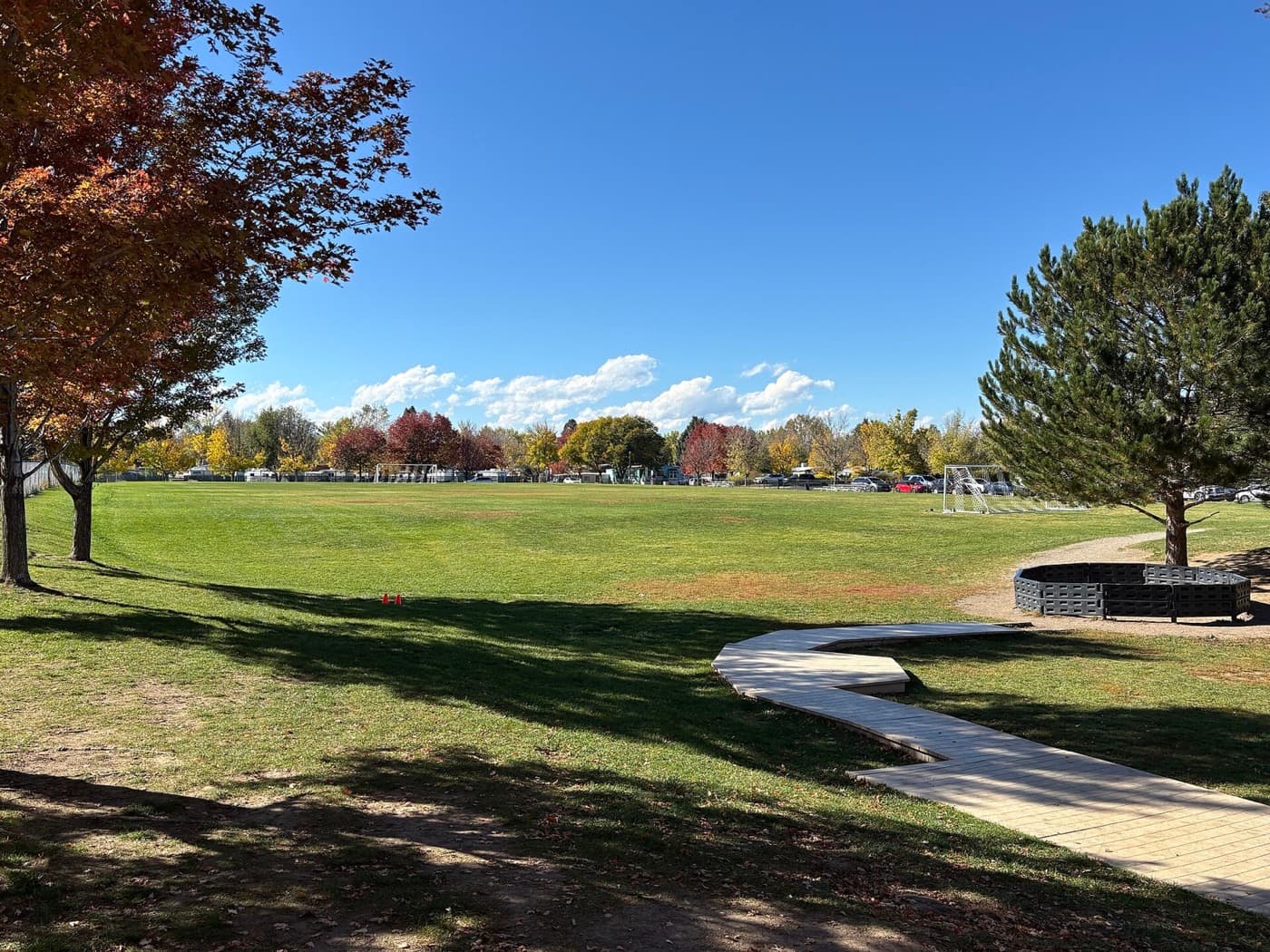
Football
The world’s most popular team sport — endless running, teamwork and community in one game.
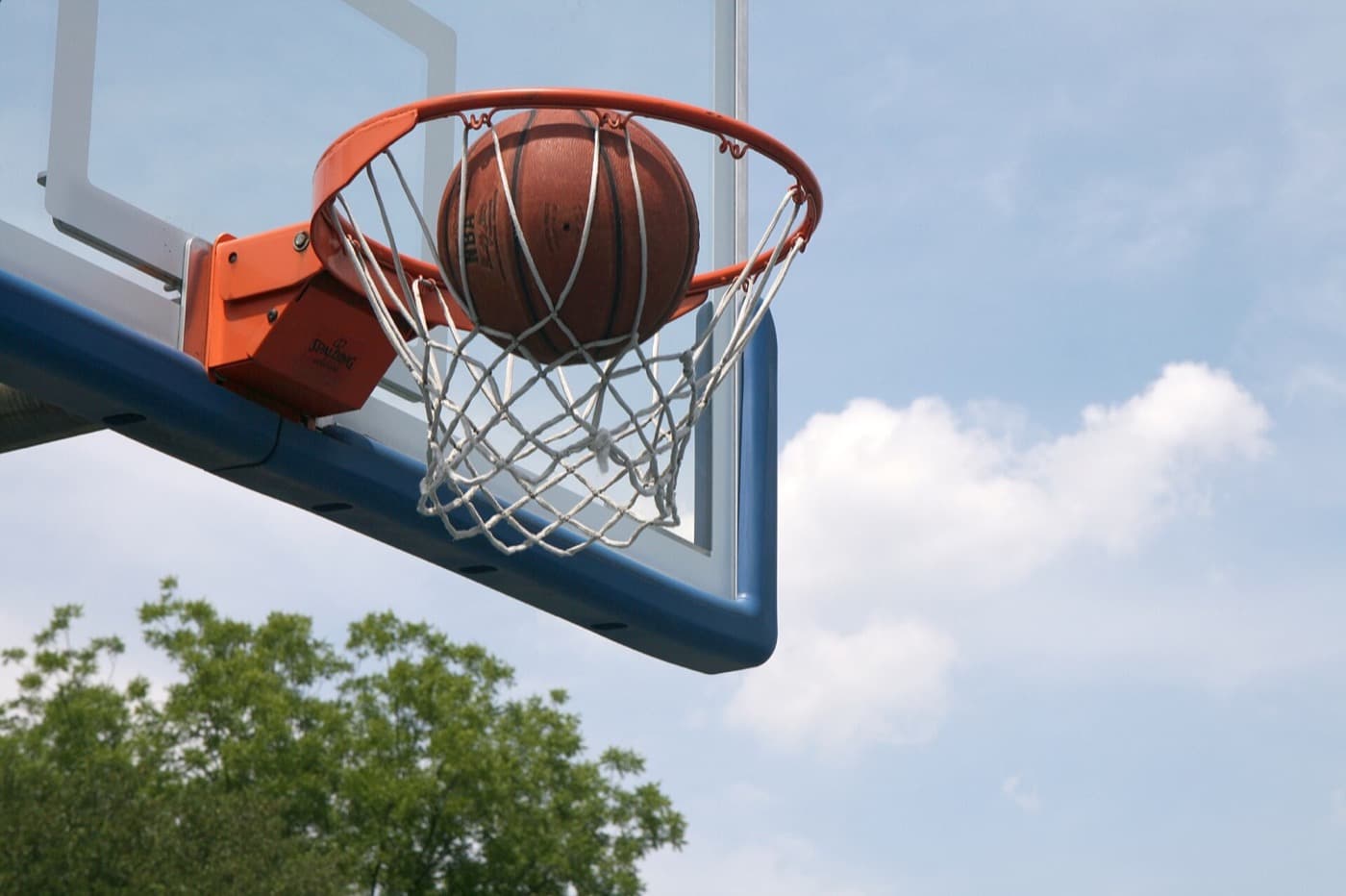
Basketball
A fast, dynamic team sport of running, jumping and quick decisions on court.
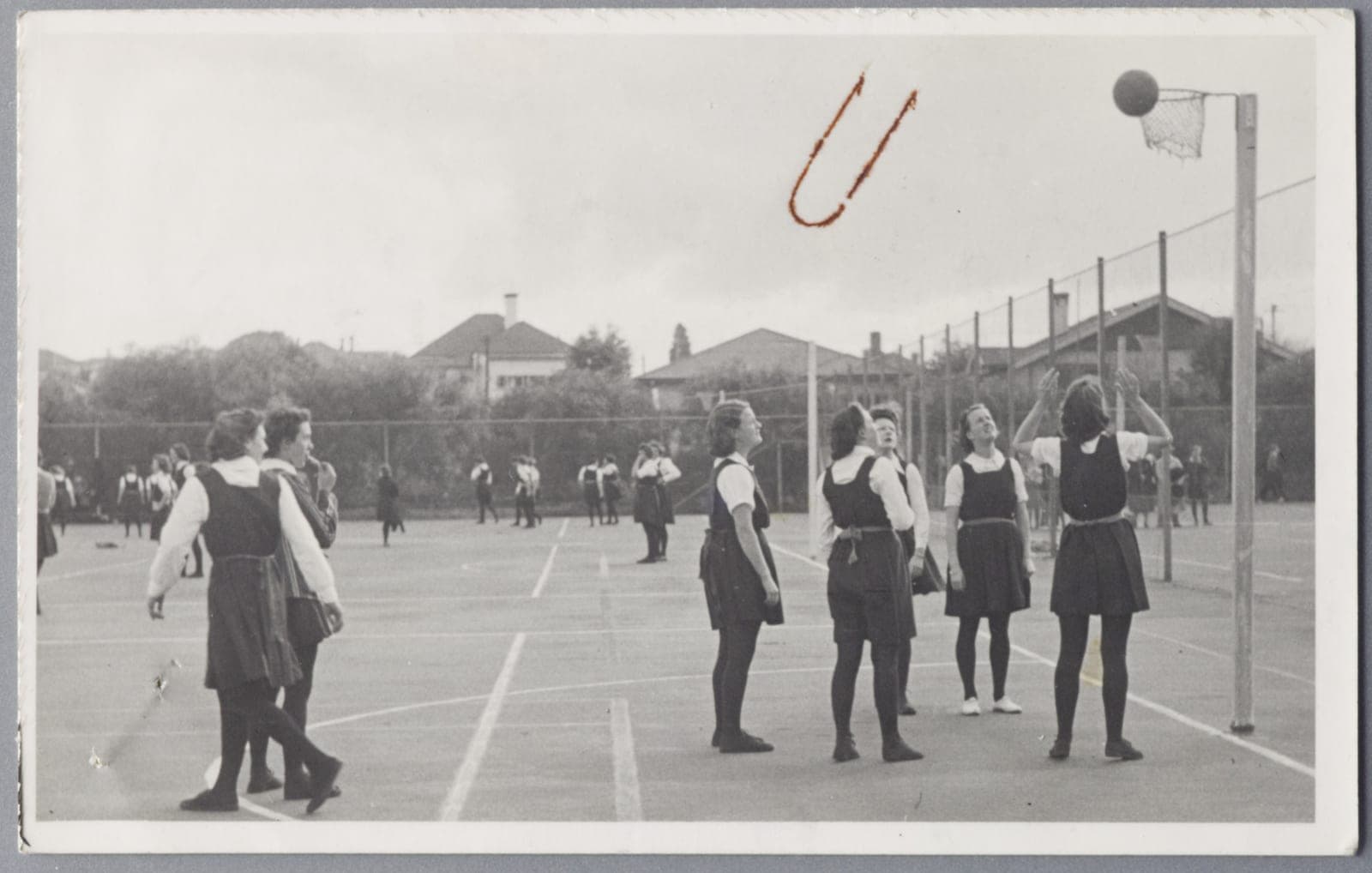
Netball
A non-contact, position-based team sport of quick passing and accurate shooting.
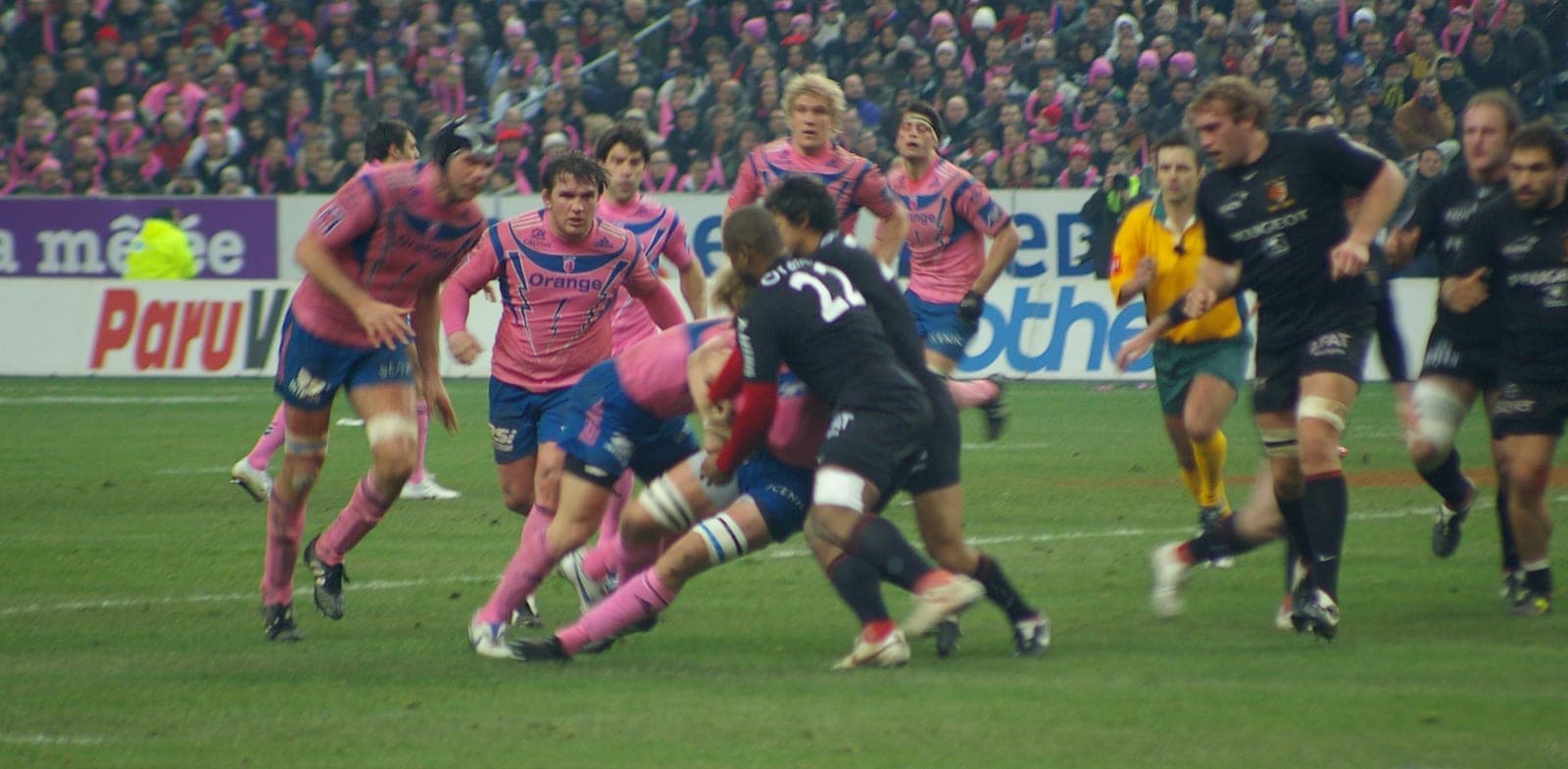
Rugby
A physical team sport of carrying, passing and kicking an oval ball toward the opposing line.
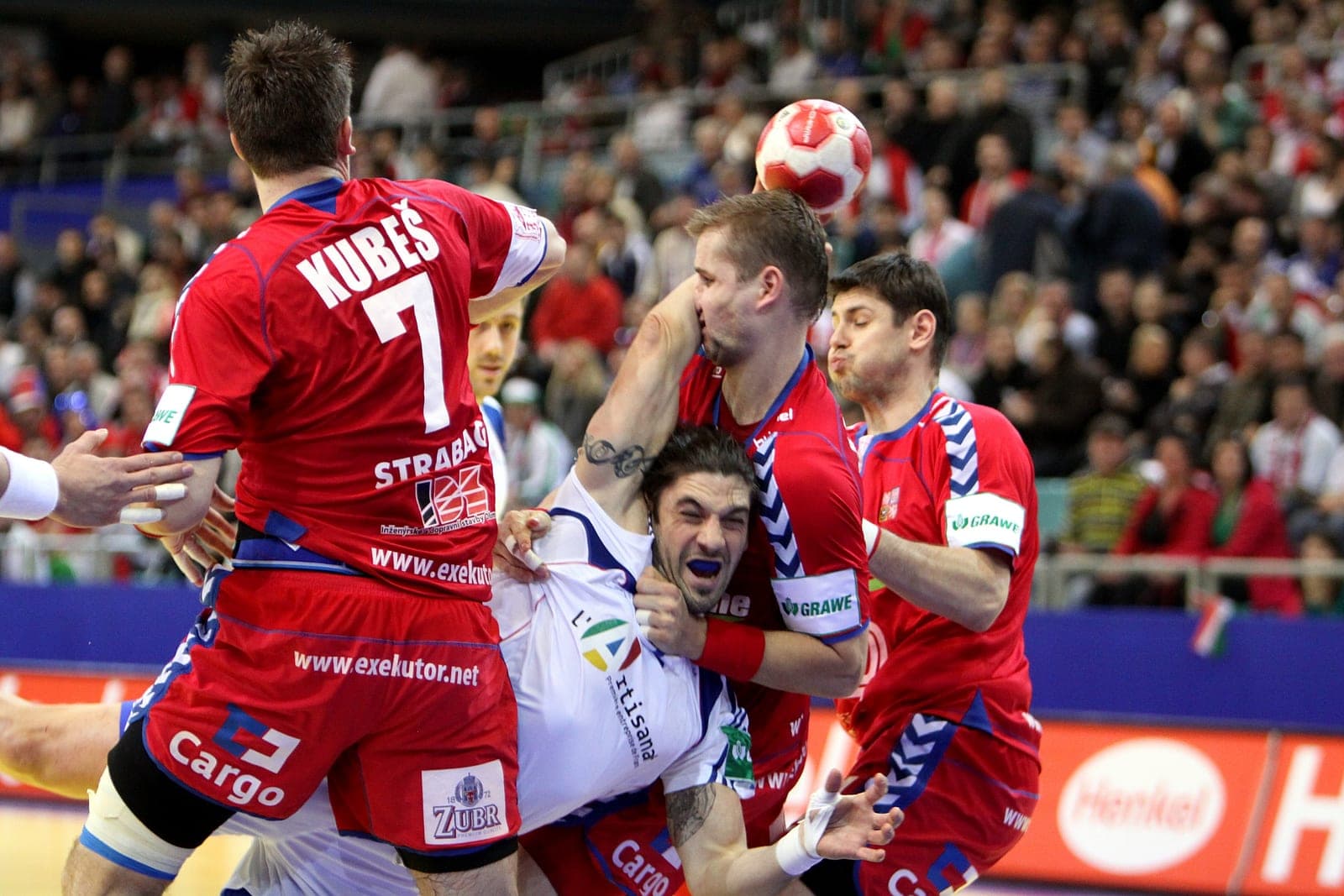
Handball
A fast indoor team sport of passing, jumping and throwing to score with the hands.
Related skills
How it connects
The meaning-bearing relationships that place Passing in the wider knowledge graph — each one with the reason it exists.
Progresses to
The next step in a curated learning order.
Progresses from
The step that comes before this one in a curated learning order.
- ThrowingThe Object-control skills collection lists Throwing directly before Passing in its learning order.
- SettingThe Precision skills collection lists Setting directly before Passing in its learning order.
- Ball controlThe Ball-sport skills collection lists Ball control directly before Passing in its learning order.
Frequently learned together
Taught side by side in the same stage of a learning path.
- ShootingBoth are taught in the “Learn the core skills” stage of the Football learning path.
- DribblingBoth are taught in the “Learn the core skills” stage of the Football learning path.
- Ball controlBoth are taught in the “Learn the core skills” stage of the Football learning path.
- TacklingBoth are taught in the “Learn the core skills” stage of the Football learning path.
- MarkingBoth are taught in the “Learn the core skills” stage of the Football learning path.
Part of
The wider grouping this belongs to.
- Object-control skillsPassing is one of the 5 skills in the Object-control skills collection.
- Precision skillsPassing is one of the 4 skills in the Precision skills collection.
- Team-play skillsPassing is one of the 6 skills in the Team-play skills collection.
- Ball-sport skillsPassing is one of the 6 skills in the Ball-sport skills collection.
Explore across the knowledge base
Follow the threads that connect Passing to the rest of SocialSportHub.
Skills Academy
- Object-control skillsHandling a ball or implement — controlling, receiving, passing and moving it with intent.
- Precision skillsSkills where accuracy is everything — placing a serve, a shot, a pass or a set exactly where you want it.
- Team-play skillsThe skills that make a team work — combining, covering and communicating through the ball.
- Ball-sport skillsThe skills that recur across ball games — control, passing, dribbling, shooting and defending.
Strategies
- Possession vs Direct PlayThe strategic choice between retaining the ball to build attacks patiently and moving it forward quickly and directly toward the goal.
- Transition PlayTransition play is the strategy of switching quickly between attack and defence the moment possession changes, exploiting the opponent's brief disorganisation.
Player roles
- PlaymakerThe playmaker is a team's creative hub — the player who orchestrates attacks, controls the tempo and distributes the ball so teammates can score.
- All-RounderAn all-rounder is a versatile player who contributes across attack and defence rather than specialising in a single phase, position, or skill.
- Ball-winnerA ball-winner is the player tasked with regaining possession through pressing, tackling and interceptions — a team's tireless defensive workhorse.
Movement patterns
- CatchReceiving a moving object and securing it under control, absorbing its momentum by yielding along its path so kinetic energy is dissipated rather than rebounded away.
- KickA ballistic single-support leg swing that whips force from the plant foot through the hip and knee to strike or propel a ball or target with the foot, distinct from the weight-bearing steps of locomotion.
- PivotA rotation of the body about one planted foot, reorienting the trunk and hips around a vertical axis without travelling to a new location.
- ThrowPropelling an object by releasing it from the hand, driven by a proximal-to-distal kinetic-chain sequence that summates speed from the legs through the trunk and arm to the release point.
Techniques
- Chest PassA two-handed pass thrown directly from chest height in a straight line to a teammate, the most basic pass in basketball and netball.
- Inside-of-the-Foot PassThe most reliable short pass in football, played with the inside surface of the foot for accuracy over a short to medium distance.
- Volleyball SetAn overhead pass using the fingertips of both hands to place the ball accurately for a teammate to attack.
- Rugby union passingHow a rugby pass is actually made — the sideways swing that replaces a throw, why every pass must travel backwards, and what separates a spiral pass from a pop.
- HeaderA technique for controlling or striking the ball with the forehead in football, used to pass, shoot or clear the ball in the air.
Positions
- Defensive midfielderA defensive midfielder sits in front of the defence, breaking up opposition attacks and shielding the back line.
- Central midfielderA central midfielder operates in the middle of the pitch, linking defence and attack while contributing to both.
- Point guardThe point guard is basketball’s primary ball-handler and playmaker, running the offence and setting up teammates to score.
- LiberoThe libero is a defensive volleyball specialist who wears a contrasting shirt, plays only in the back row, and cannot attack the ball above the height of the net.
- Scrum-halfThe scrum-half is rugby’s link between forwards and backs, feeding the scrum and delivering quick, accurate passes to launch attacks.
Go deeper with Passing
Everywhere else on the platform that covers Passing — assembled from what actually references it, so nothing here is a dead end.
Learn it
Structured courses and paths on the platform that cover this directly.
- Football courseTeaches Passing in its “Learn the core skills” stage.
- Basketball courseTeaches Passing in its “Learn the core skills” stage.
- Rugby courseTeaches Passing in its “Learn the core skills” stage.
- Handball courseTeaches Passing in its “Learn the core skills” stage.
- Netball courseTeaches Passing in its “Learn the core skills” stage.
How this page is maintained
- Content type
- Skill
- Provenance
- Tier A — evergreen educational
- Verified external sources
- 0
- Content updated
- 2026-09-12
Evergreen, first-party explanation — it makes no claim that needs an external source. How we handle sources and reviews.