
Set piece
A rehearsed play that a team uses when the game restarts from a fixed, stationary situation such as a free kick or corner.
Definition
A set piece is a planned move performed when play restarts from a dead-ball situation, where the ball is stationary and players have time to take up positions. Common examples in football include corners, free kicks and throw-ins.
Because the timing and positions can be practised in advance, set pieces give teams a chance to create scoring opportunities or defend organised threats. Similar restart routines exist in rugby and field hockey.
Where you’ll hear “set piece”
Sports that use this term:

Football
The world’s most popular team sport — endless running, teamwork and community in one game.
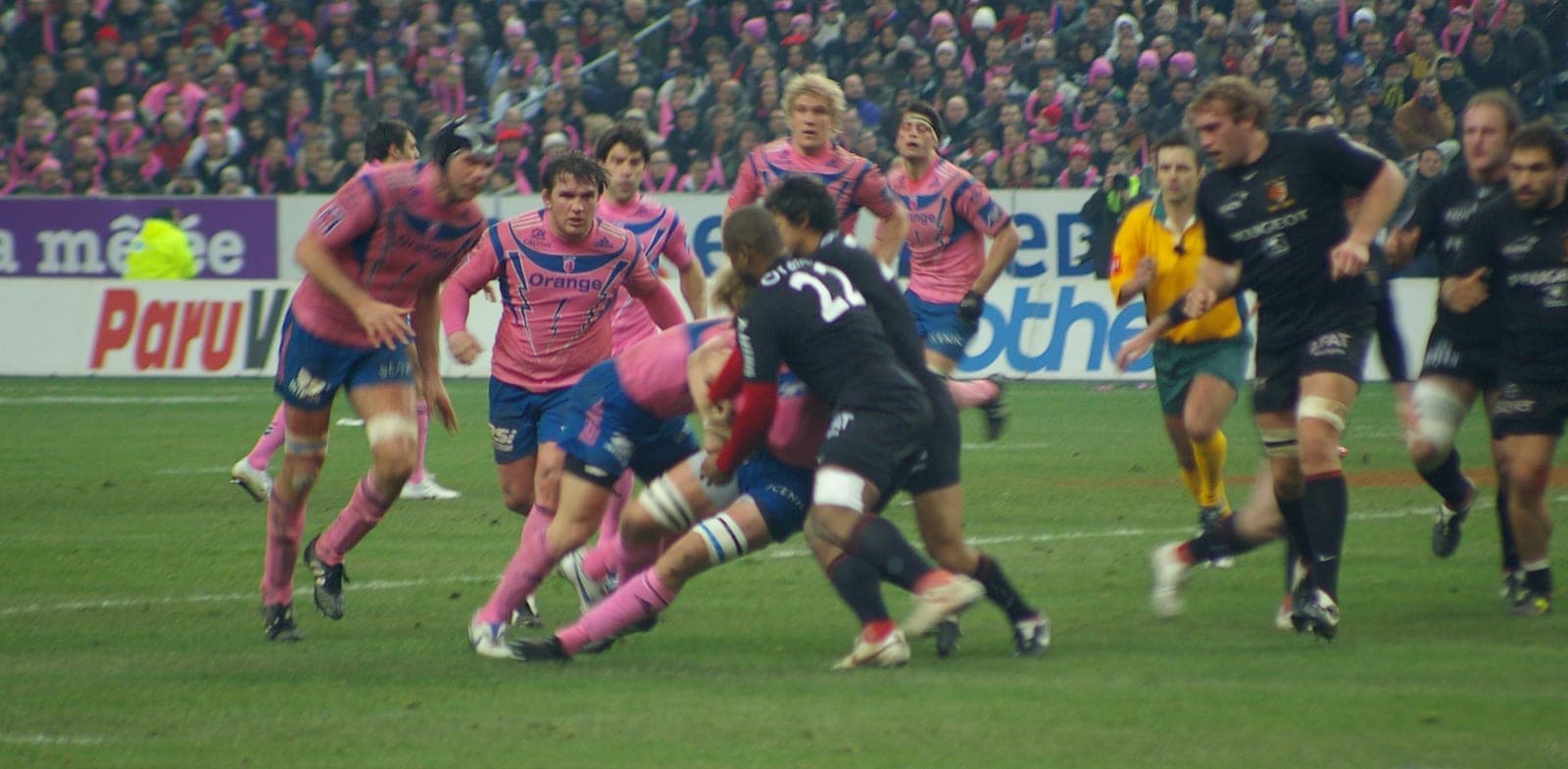
Rugby
A physical team sport of carrying, passing and kicking an oval ball toward the opposing line.
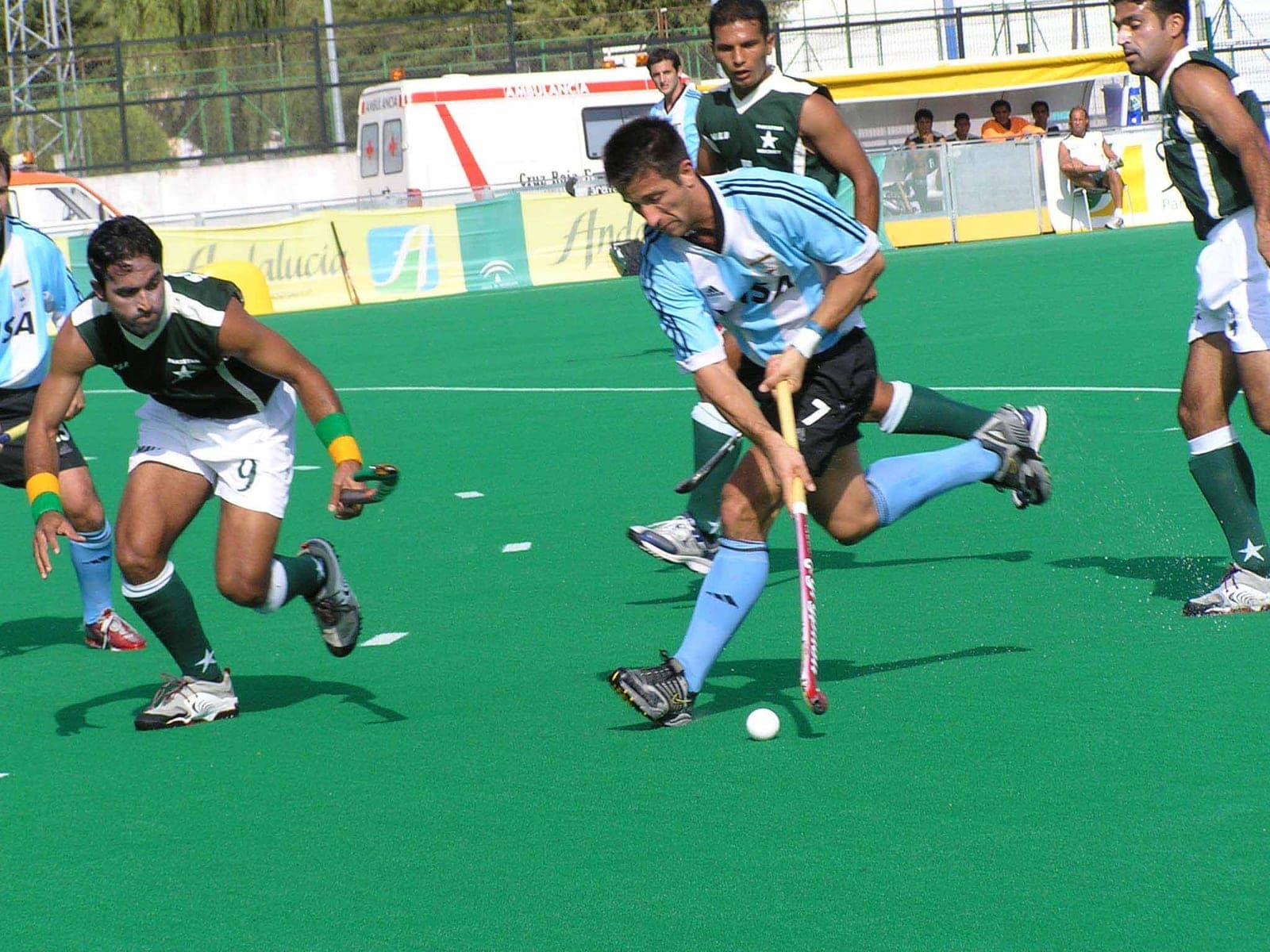
Field Hockey
An outdoor team sport that uses curved sticks to move a ball, built on agility and teamwork.
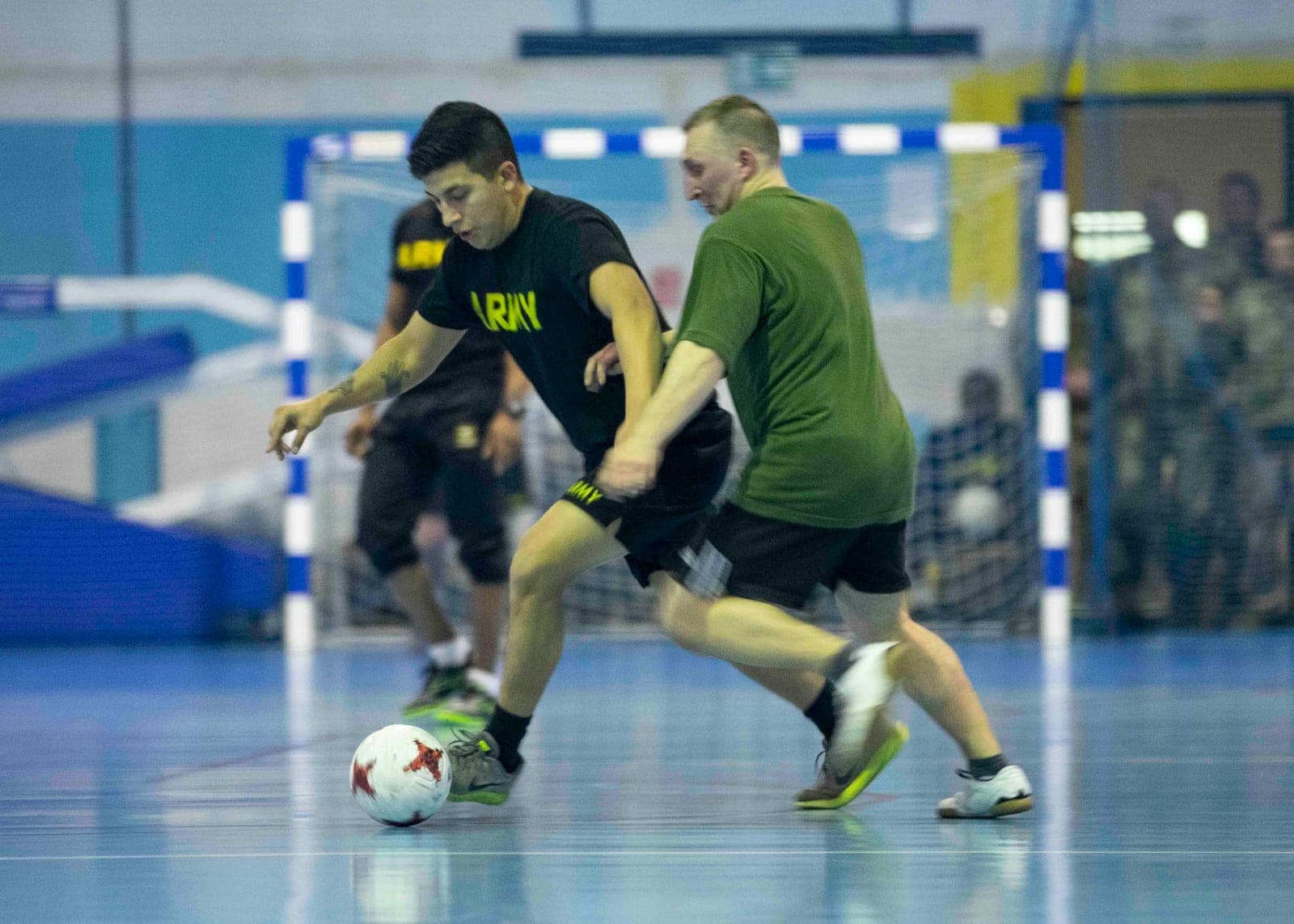
Futsal
A fast, small-sided indoor form of football played on a hard court with a low-bounce ball.
How it connects
The meaning-bearing relationships that place Set piece in the wider knowledge graph — each one with the reason it exists.
Commonly confused with
Close enough to be mixed up — the distinction is worth knowing.
Explore across the knowledge base
Follow the threads that connect Set piece to the rest of SocialSportHub.
Rules
Skills
Tactics
- Set-piece playRehearsed routines from a dead-ball situation such as a corner, free kick or throw-in used to create chances.
- Rugby union set-piece strategyWhy the scrum and lineout are attacking platforms rather than restarts — how a set piece fixes defenders in known positions, and what a team is buying when it chooses one over a kick.
Positions
- Scrum-halfThe scrum-half is rugby’s link between forwards and backs, feeding the scrum and delivering quick, accurate passes to launch attacks.
- Fly-halfThe fly-half is rugby’s chief decision-maker and tactical kicker, directing the backline and controlling how the team attacks.
- HookerThe hooker is a front-row forward in rugby who wins the ball in the scrum and typically throws the ball into the line-out.
Strategies
- Game managementAdapting how a team or athlete plays to the scoreline and time remaining — protecting a lead, chasing a result or seeing out the closing stages.
- Set-Piece StrategyThe deliberate plan for turning dead-ball restarts — corners, free-kicks, throw-ins, serves — into chances to score or to defend.
Player roles
- Target playerA target player is a focal attacker who receives, holds up and links play for others, often physically strong and good in the air or with the hands.
- Set-Piece SpecialistA player a team relies on to take or defend dead-ball restarts — free-kicks, corners, penalties, and serves — with practiced accuracy and composure.
Go deeper with Set piece
Everywhere else on the platform that covers Set piece — assembled from what actually references it, so nothing here is a dead end.
Take it away
Open data and the whole-platform view of this subject.
How this page is maintained
- Content type
- Term
- Provenance
- Tier A — evergreen educational
- Verified external sources
- 0
- Content updated
- 2026-09-01
Evergreen, first-party explanation — it makes no claim that needs an external source. How we handle sources and reviews.