
Wing play
Attacking down the flanks and crossing the ball into the box to stretch the defence and create chances.
Overview
Wing play uses the width of the pitch, sending attackers down the touchlines to beat their marker and deliver crosses or cut inside towards goal.
By attacking wide areas a team pulls defenders out of the centre, creates one-on-one duels and opens space for teammates arriving in the box. It suits fast, skilful wide players and target forwards who attack the cross.
Key points
- Staying wide stretches the opposition defence and creates space in the middle.
- Overlapping runs from full-backs give the winger an extra passing option.
- Crosses aim for runners timing their movement into the penalty area.
- An inverted winger can cut inside onto their stronger foot to shoot.
- Effective delivery relies on teammates attacking the ball with well-timed headers.
Where it’s used
Sports that use wing play:
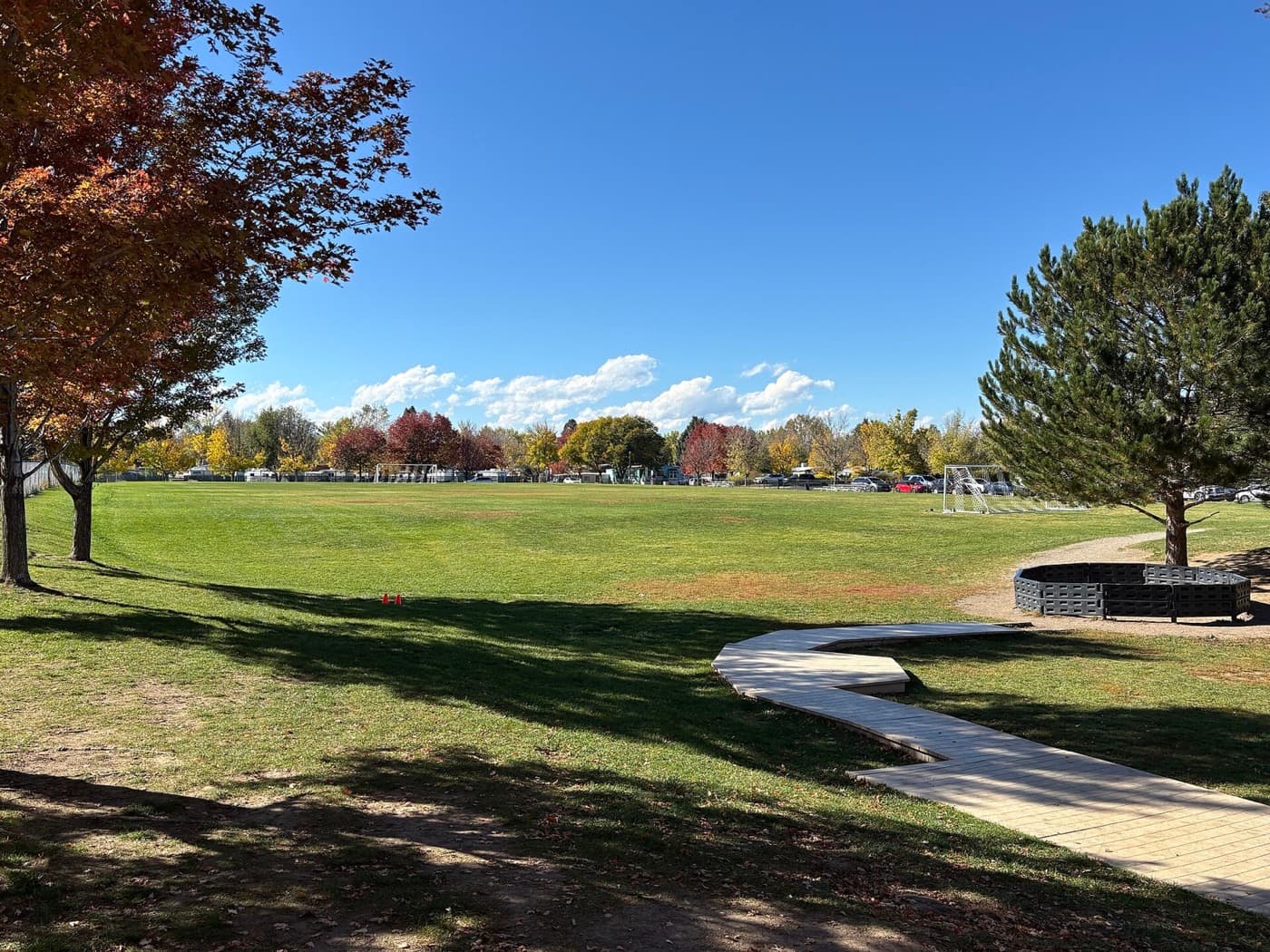
Football
The world’s most popular team sport — endless running, teamwork and community in one game.
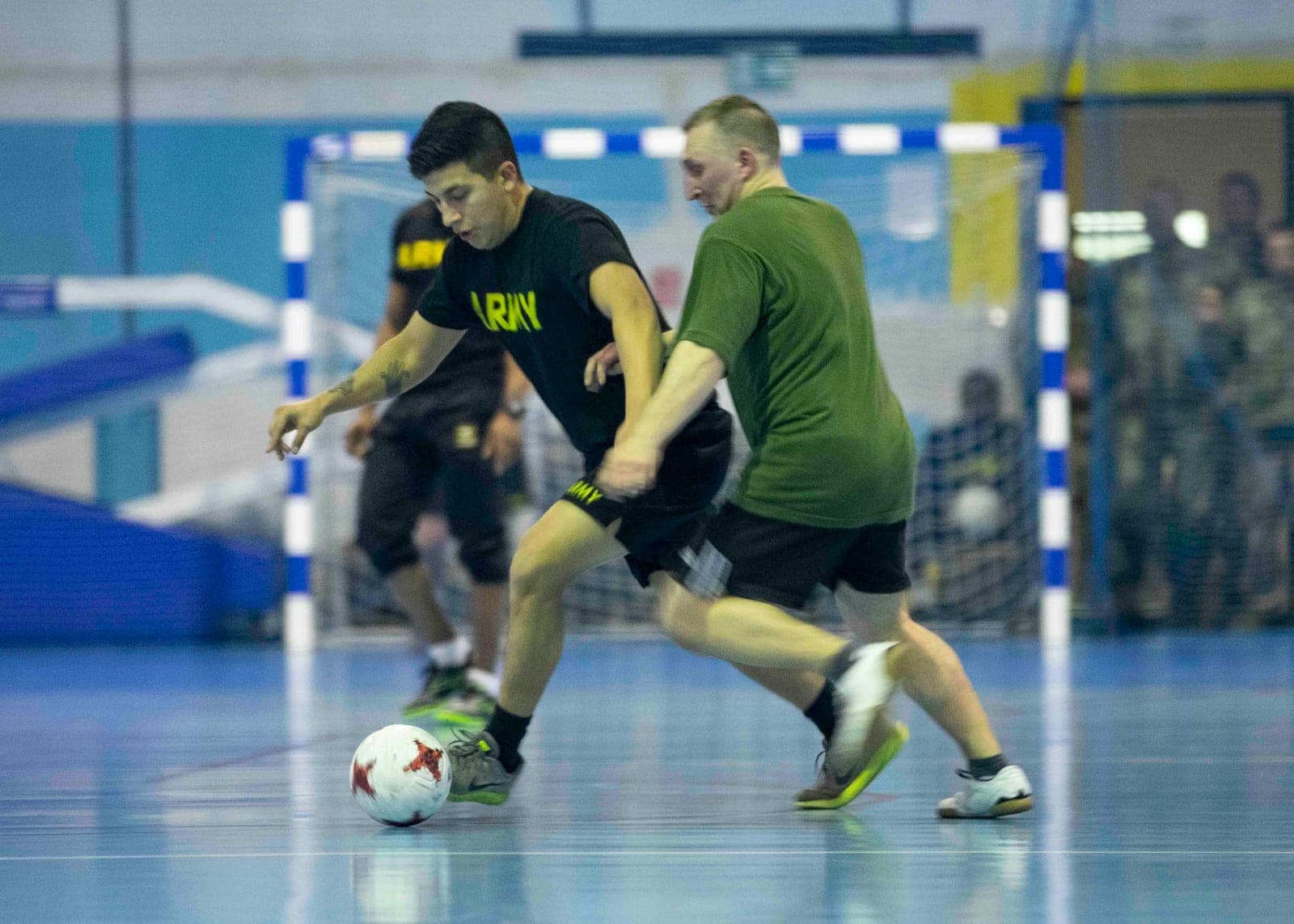
Futsal
A fast, small-sided indoor form of football played on a hard court with a low-bounce ball.
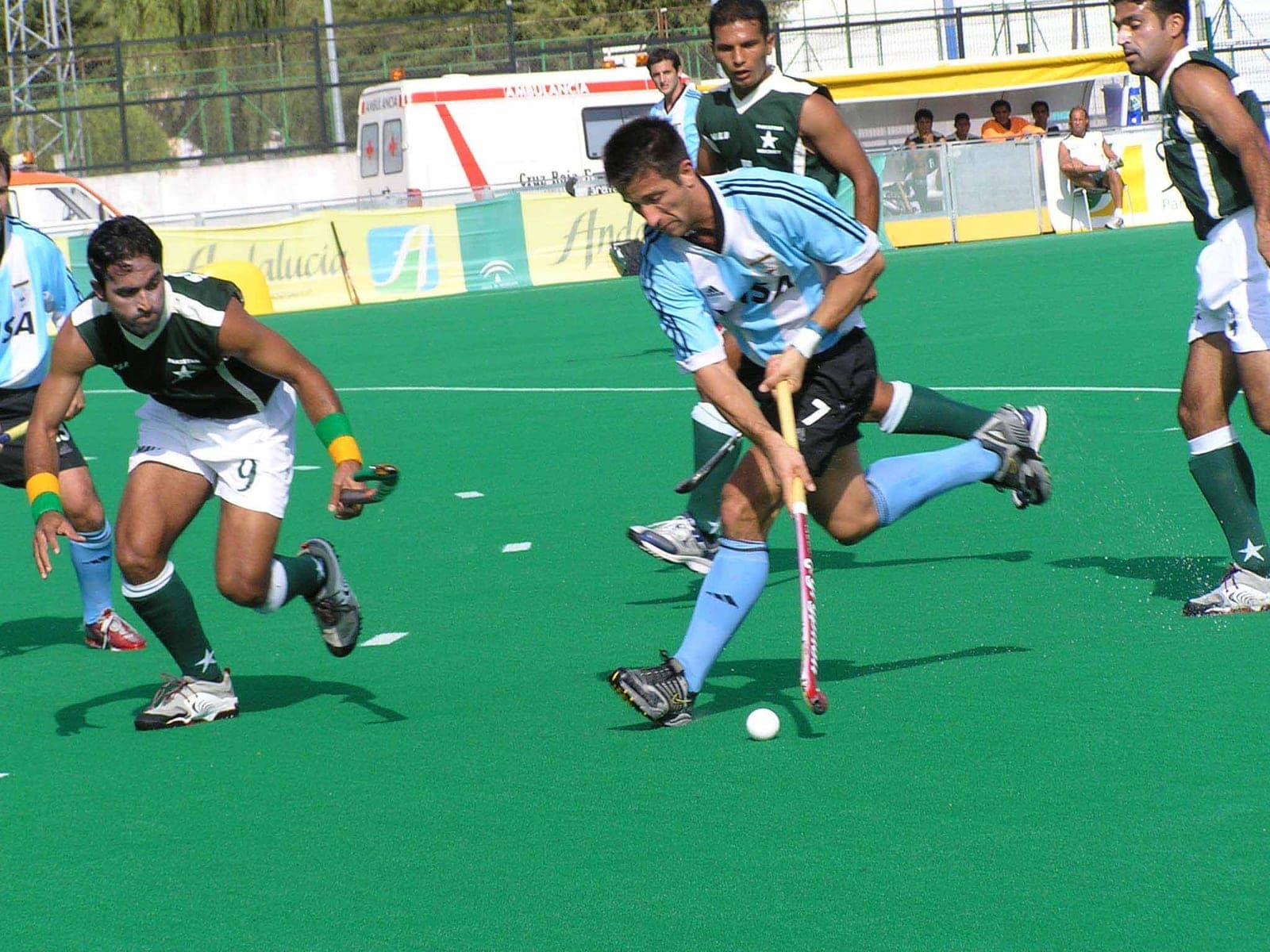
Field Hockey
An outdoor team sport that uses curved sticks to move a ball, built on agility and teamwork.
Related tactics
High press
A football tactic where a team hunts the ball high up the pitch to win it back close to the opponent’s goal.
Possession play
A patient football style that keeps the ball through short passing to control the game and tire opponents.
Counter-attack
Winning the ball and moving forward at speed to attack before the opponent can reorganise their defence.
How it connects
The meaning-bearing relationships that place Wing play in the wider knowledge graph — each one with the reason it exists.
Frequently learned together
Taught side by side in the same stage of a learning path.
- High pressBoth are taught in the “Understand tactics & strategy” stage of the Football learning path.
- Possession playBoth are taught in the “Understand tactics & strategy” stage of the Football learning path.
- Counter-attackBoth are taught in the “Understand tactics & strategy” stage of the Football learning path.
- Offside trapBoth are taught in the “Understand tactics & strategy” stage of the Football learning path.
- Set-piece playBoth are taught in the “Understand tactics & strategy” stage of the Football learning path.
Explore across the knowledge base
Follow the threads that connect Wing play to the rest of SocialSportHub.
Strategies
- Game managementAdapting how a team or athlete plays to the scoreline and time remaining — protecting a lead, chasing a result or seeing out the closing stages.
- Possession vs Direct PlayThe strategic choice between retaining the ball to build attacks patiently and moving it forward quickly and directly toward the goal.
- Exploiting MatchupsSteering play toward the pairings where you hold an advantage while shielding the pairings where an opponent could hurt you.
- Using Width and SpaceA side's plan to stretch the playing area and open gaps when attacking, then shrink and control that space when defending.
- Attacking vs Defensive BalanceThe overarching choice a team or athlete makes about how much to commit to creating scoring chances versus avoiding conceding, and when to shift it.
Player roles
- Target playerA target player is a focal attacker who receives, holds up and links play for others, often physically strong and good in the air or with the hands.
- FinisherA finisher is the attacking outlet in a team sport whose main job is converting chances into points — the striker, goal shooter or go-to scorer.
Positions
- Full-backA full-back is a defender who plays on the left or right side of the defence, defending the flank while also supporting attacks down the wing.
- WingerA winger is an attacking player who operates in the wide areas of the pitch, using pace and dribbling to beat defenders and create chances.
- Wing attackThe wing attack is a netball playmaker who feeds the ball into the shooting circle, moving through the centre and attacking thirds but not entering the goal circle.
- PivotThe pivot is a handball attacker who plays close to the opposition defence, setting screens and looking for chances near the goal area.
- Central midfielderA central midfielder operates in the middle of the pitch, linking defence and attack while contributing to both.
Learning paths
- Learn FootballA structured, educational learning path for football — from the rules to skills, techniques, tactics and training.
- Learn FutsalA structured, educational learning path for futsal — from the rules to skills, techniques, tactics and training.
- Learn American FootballA structured, educational learning path for american football — from the rules to skills, techniques, tactics and training.
Decision making
- Reading spaceSeeing where space is — and is not — on the field or court, and using it to decide where to move, pass or play.
- When to defendJudging the moment to switch from attacking intent to protecting your goal, court or position — recognising when the situation calls for security over ambition.
- Transition decisionsThe choices made at the moment a situation flips — winning or losing the ball, and switching between attack and defence.
Go deeper with Wing play
Everywhere else on the platform that covers Wing play — assembled from what actually references it, so nothing here is a dead end.
Learn it
Structured courses and paths on the platform that cover this directly.
How this page is maintained
- Content type
- Tactic
- Provenance
- Tier A — evergreen educational
- Verified external sources
- 0
- Content updated
- 2026-09-12
Evergreen, first-party explanation — it makes no claim that needs an external source. How we handle sources and reviews.