
One-Rep Max
A one-rep max is the heaviest weight a person can lift for a single, full repetition of an exercise with proper form.
1RM stands for one-repetition maximum.
Definition
A one-rep max, abbreviated 1RM, is the maximum load an athlete can lift once through a complete range of motion with acceptable technique. It is a common benchmark of maximal strength for lifts such as the squat, bench press, and deadlift. Rather than testing a true maximum every time, coaches often estimate it from the number of repetitions achieved with a submaximal load using prediction formulas.
The 1RM is widely used to prescribe training loads as a percentage, for example working at 70 percent of 1RM for a given set. Programmes then track changes in 1RM as one measure of progress from progressive overload. Because true maximal attempts are demanding, they are tested sparingly and with appropriate preparation.
Where you’ll hear “one-rep max”
Sports that use this term:
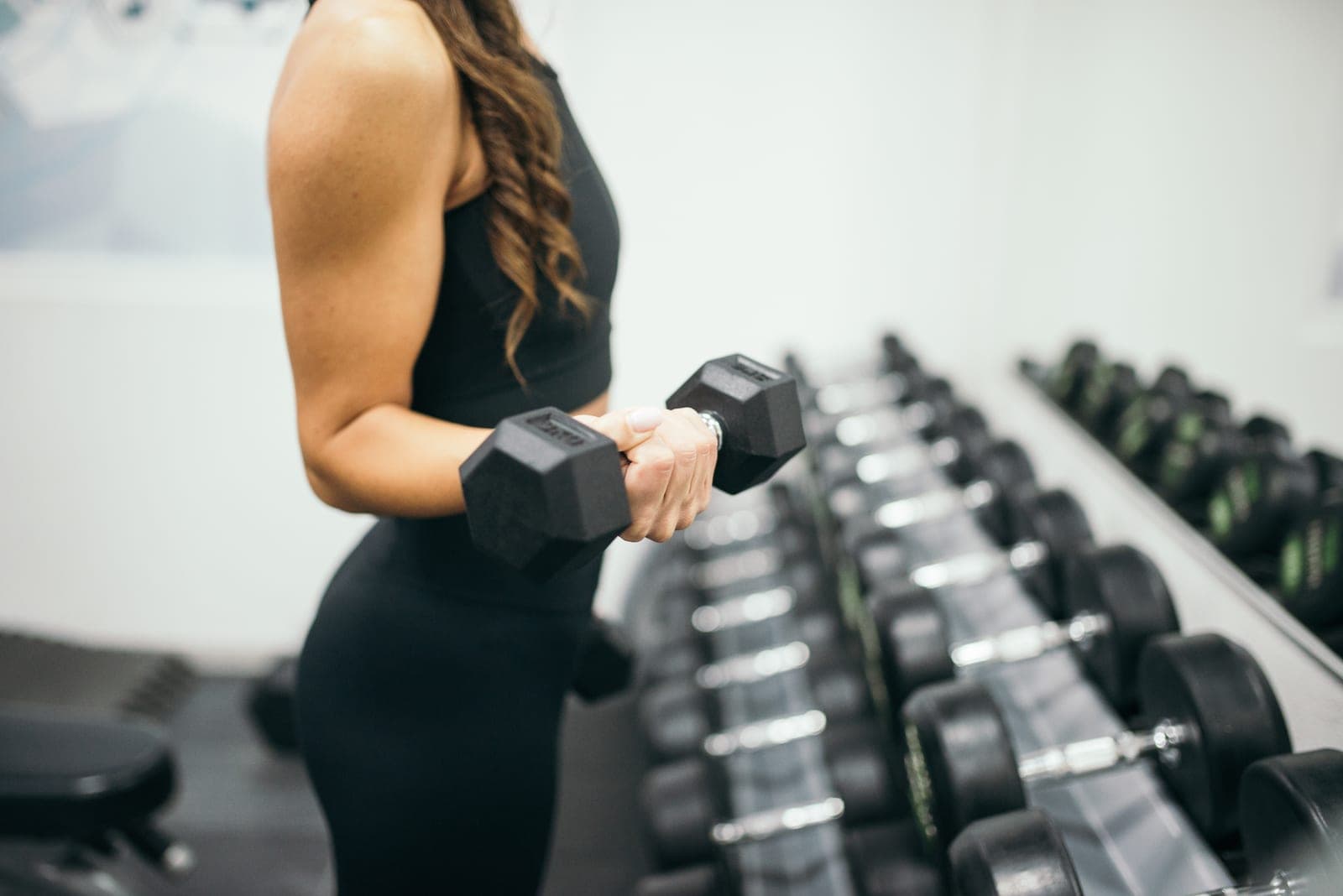
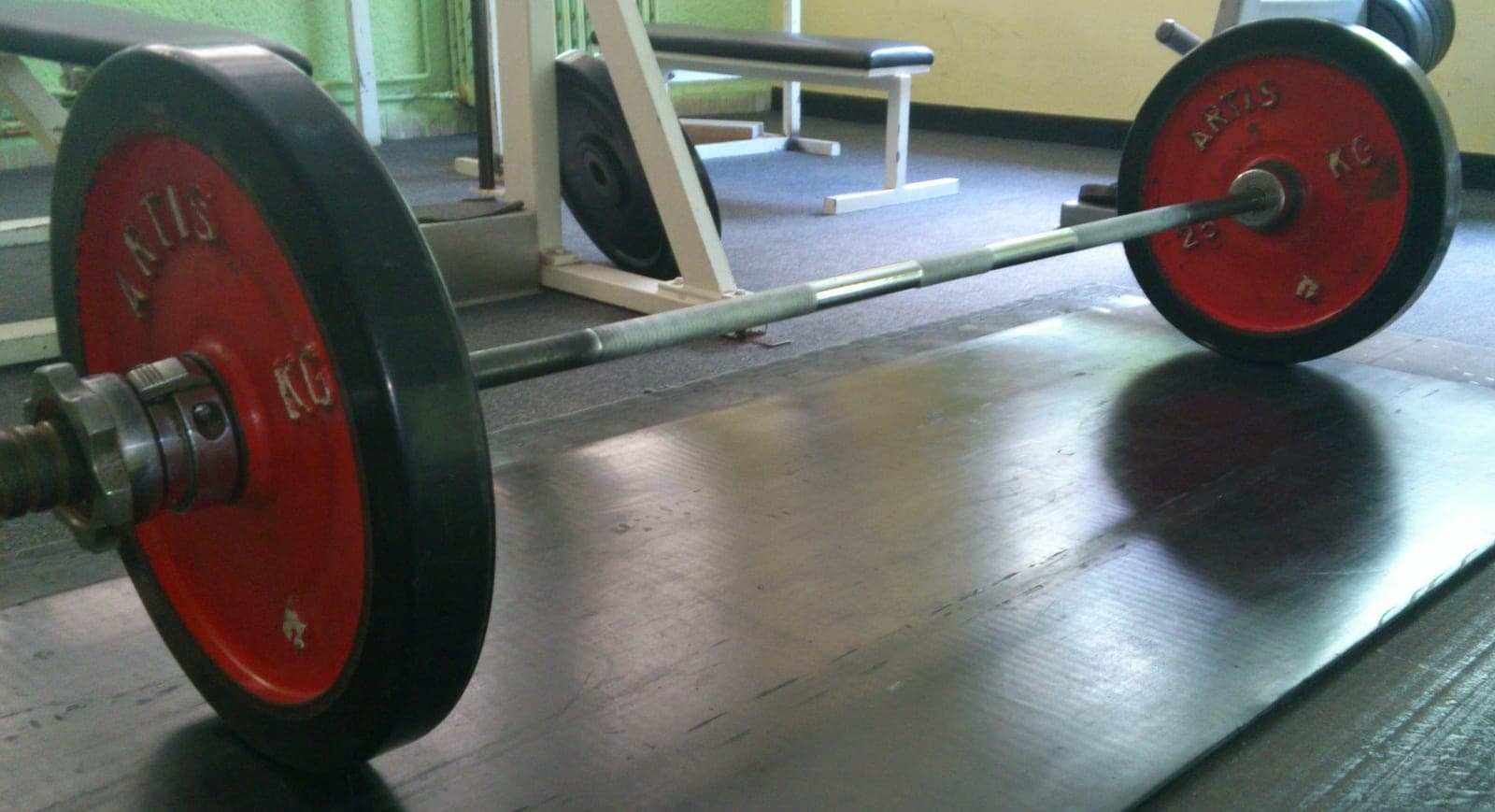
Explore across the knowledge base
Follow the threads that connect One-Rep Max to the rest of SocialSportHub.
Techniques
- DeadliftA strength exercise that lifts a loaded barbell from the floor to a standing position by extending the hips and knees together.
- Bodyweight SquatA foundational lower-body exercise that lowers the hips by bending the knees and hips, then stands back up, using only body weight.
- PlankA static core exercise that holds the body in a straight line supported on the forearms and toes.
- Push-UpA bodyweight exercise that lowers and raises the body by bending and straightening the arms while holding a rigid plank line.
- Running FormThe efficient posture and stride mechanics of distance running, keeping the body relaxed and the cadence smooth.
Practice & sessions
Lifestyle
- 1 hourA full hour opens up almost any sport, from a proper game to a longer ride, run or gym session.
- 20 minutesTwenty minutes is enough for a solid, focused workout — a proper run, an interval session or a full-body circuit.
- EveningUsing the evening to be active after work, whether to unwind or fit in a proper session.
- 30 minutesA half-hour is enough for a proper, well-rounded session across many sports and workouts.
Exercises
- Bicep curlAn isolation exercise where you bend the elbows to lift a weight toward the shoulders.
- DeadliftA hinge movement where you lift a weight from the floor by driving your hips forward to stand tall.
- High kneesA running-in-place cardio drill where you lift the knees high with a quick rhythm.
- BurpeeA full-body exercise combining a squat, a plank, and a jump in one flowing movement.
- Goblet squatA squat variation where you hold a single weight close to your chest for balance and control.
Equipment
Go deeper with One-Rep Max
Everywhere else on the platform that covers One-Rep Max — assembled from what actually references it, so nothing here is a dead end.
Take it away
Open data and the whole-platform view of this subject.
How this page is maintained
- Content type
- Term
- Provenance
- Tier A — evergreen educational
- Verified external sources
- 0
- Content updated
- 2026-09-01
Evergreen, first-party explanation — it makes no claim that needs an external source. How we handle sources and reviews.