
Evening
Using the evening to be active after work, whether to unwind or fit in a proper session.
Overview
Evenings are the most common time many people have free for sport. After work or study, an evening session can be a good way to switch off, whether that is a relaxed activity to unwind or a full workout or game with others.
Some people find evening exercise helps them de-stress, while very intense sessions late at night can leave others feeling wired. It is worth noticing how different activities and timings affect you, and adjusting to what helps you feel good and settle afterwards.
What works
- Evenings are the free slot for many people, so classes and clubs are widely available.
- Gentler activities can be a good way to unwind and de-stress after the day.
- A proper cool-down helps you settle after a more intense session.
- Notice how late, hard sessions affect you and adjust the timing if needed.
Getting started
- 1Pick activities that match your goal for the evening — relaxed and calming, or a fuller workout.
- 2Leave time for a gentle cool-down so you can wind down afterwards.
- 3If hard late sessions leave you feeling wired, try an earlier evening slot or a calmer activity.
- 4Book into an evening class or group if that helps you show up consistently.
Sports that fit
Great places to start — each with a clear, beginner-friendly guide.
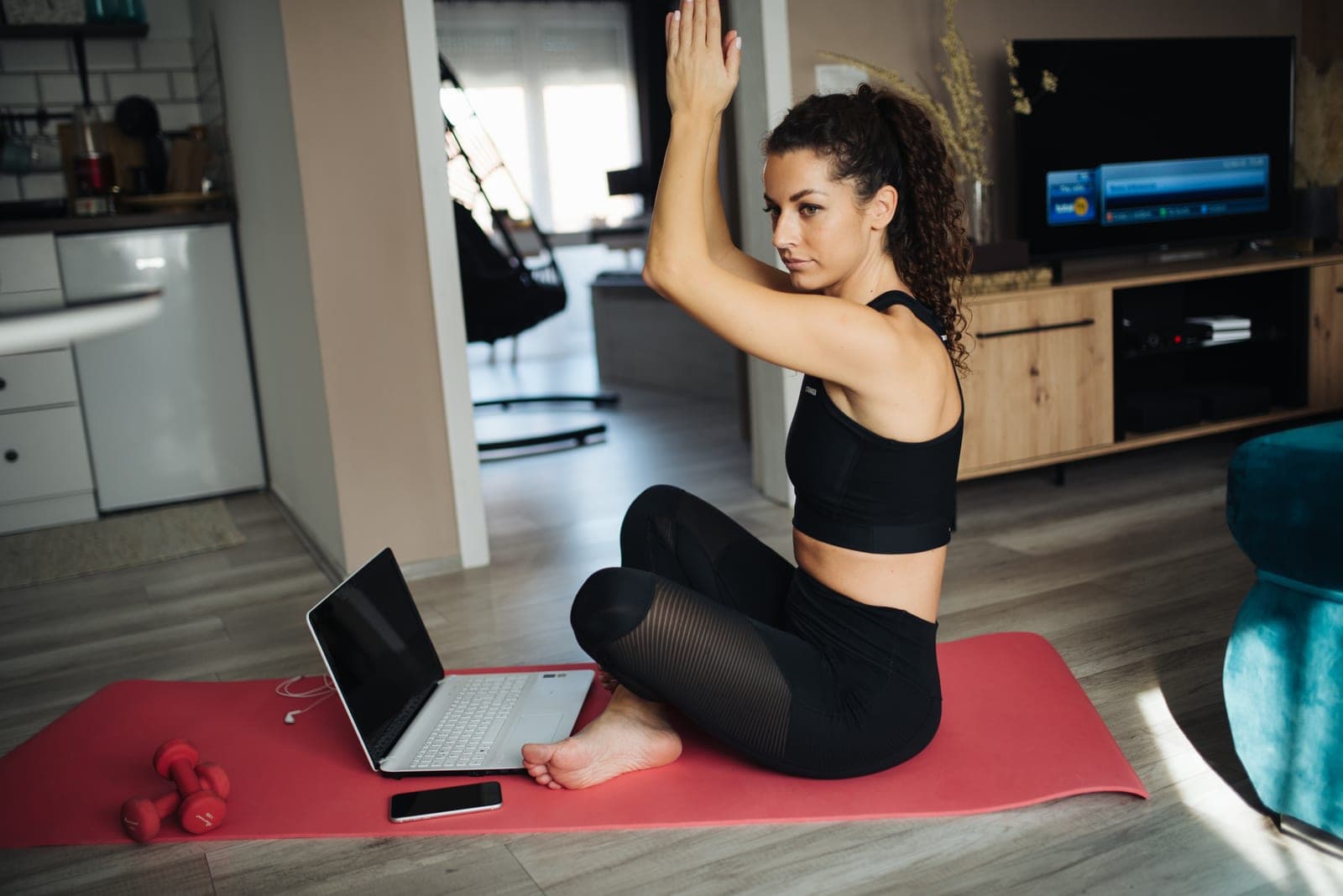
Yoga
A mind-body practice that links postures, breathing and focus to build flexibility, strength and calm.
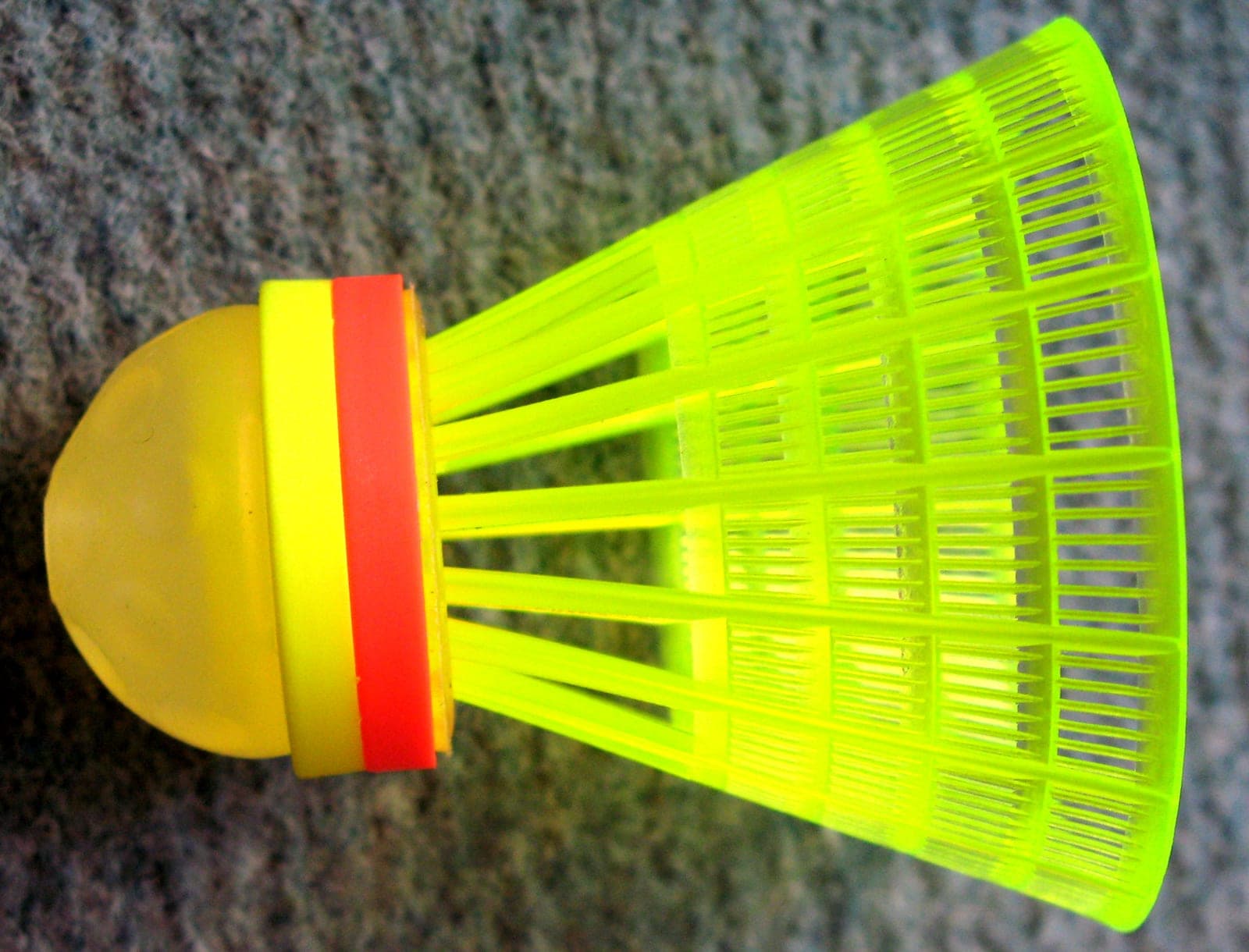
Badminton
A fast indoor racquet sport played with a shuttlecock that rewards agility and touch.
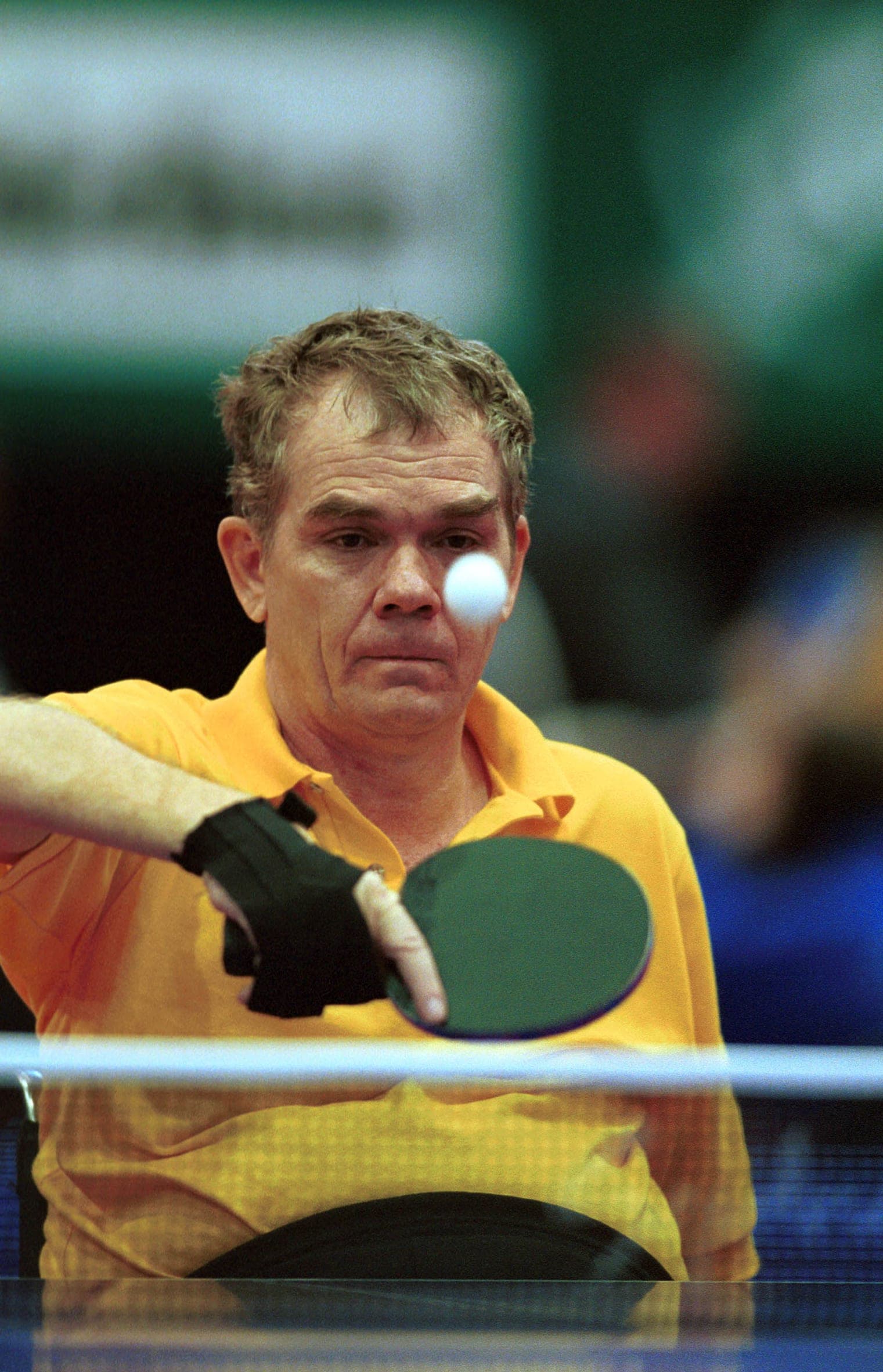
Table Tennis
A fast, low-impact indoor racquet sport that sharpens reflexes and is easy to start.
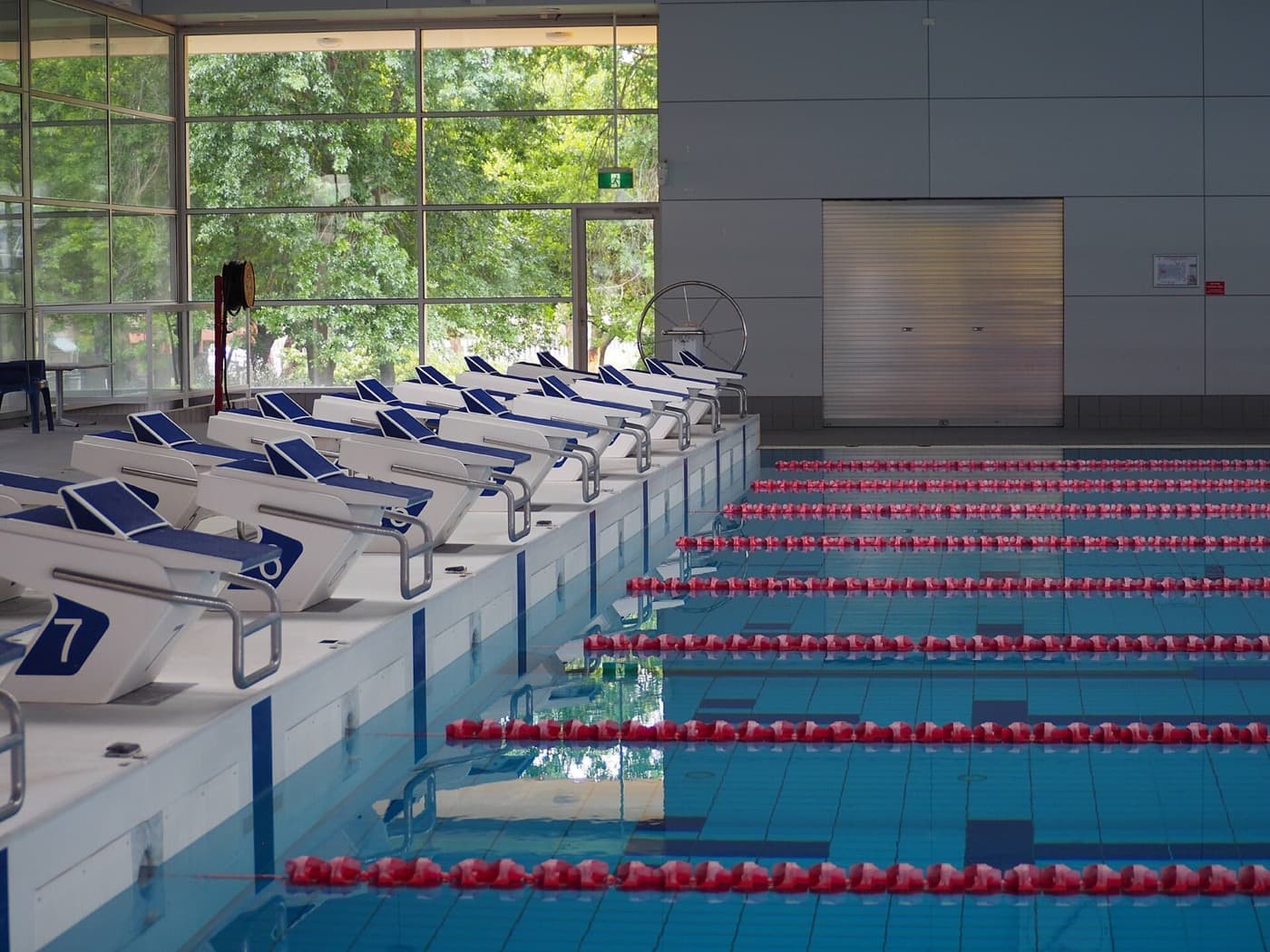
Swimming
A full-body, low-impact endurance sport suitable for almost every age and ability.
Pilates
A low-impact mind-body method that builds core strength, control and posture through precise, controlled movement.

Fitness
Strength and general fitness training — the foundation that supports every other sport.
Goals that fit
Reduce stress
Find calmer, healthier ways to unwind through regular movement, gentle mind-body activity and time outdoors.
Improve mental wellbeing
Use regular, enjoyable activity to support your mood, connection and sense of wellbeing as one healthy habit among many.
Sports for office workers
Ways for desk-based workers to add movement around a sedentary working day.
Social activities
Use sport as a way to meet people, make friends and stay connected while staying active.
Ways to train
Exercises and methods that fit — educational, not a prescription.
Mobility Training
Mobility training works on moving your joints actively through their full range, combining control and flexibility so movement feels free and easy.
Flexibility Training
Flexibility training uses stretching to gradually improve how far your muscles and joints can comfortably lengthen and move.
Active Recovery Sessions
Active recovery sessions are deliberately easy bouts of gentle movement — an easy walk, spin or swim — used on lighter days to keep moving without adding hard work.
Squat
A foundational lower-body movement where you bend at the hips and knees to lower down and stand back up.
Romanian deadlift
A hinge variation focused on the back of the legs, lowering the weight without returning it to the floor.
Hip hinge
The foundational bending-at-the-hips pattern that underpins deadlifts, swings and picking things up.
Frequently asked questions
Is exercising in the evening bad for sleep?
It's very individual. Many people sleep fine after evening activity, and gentle sessions can even help them unwind, while some find very intense workouts close to bedtime leave them too alert. It's worth seeing what works for you; for ongoing sleep concerns, a doctor is the right person to ask.
What's a good evening sport after work?
That depends on whether you want to unwind or work up a sweat. Calming options like yoga or swimming suit winding down, while a game of badminton or table tennis or a gym session suits a more active evening.
How can I motivate myself to exercise after work?
Small steps help — packing your kit in advance, planning an activity you enjoy, or booking a class or meeting friends so you're committed. Starting gently rather than expecting a hard session can also make it easier to begin.
Explore across the knowledge base
Follow the threads that connect Evening to the rest of SocialSportHub.
Motivations
- To feel calmerWhen you play to unwind, rhythmic, absorbing activity gives many people a mental break — though it complements, not replaces, professional support.
- To stay healthyWhen health is the driver, regular, sustainable activity across fitness, strength and mobility supports an active life for the long term.
Healthy living
- Sleep BasicsA calm introduction to why sleep matters and how it quietly supports almost everything else in a healthy, active life.
- Sleep HygieneThe everyday habits and surroundings that make good sleep more likely — a calmer room, steadier timing and gentler evenings.
- Sleep RoutineA steady rhythm of consistent timing and a calming wind-down that helps your body know when it is time to rest.
- Digital WellbeingBuilding a calmer, more intentional relationship with your devices so technology supports an active, connected life rather than crowding it out.
- Screen Time BalanceKeeping time on screens in proportion with movement, sleep and the rest of your day — a sensible balance rather than a strict limit.
Training guides
Recommendations
- Recommended for “Reduce stress”Sports, qualities, a learning path and first steps for “Reduce stress” — every suggestion a real graph link, shown with its reason.
- Recommended for “Healthy aging”Sports, qualities, a learning path and first steps for “Healthy aging” — every suggestion a real graph link, shown with its reason.
- Recommended for “Sports for office workers”Sports, qualities, a learning path and first steps for “Sports for office workers” — every suggestion a real graph link, shown with its reason.
How this page is maintained
- Content type
- For your day
- Provenance
- Tier A — evergreen educational
- Verified external sources
- 0
- Content updated
- 2026-07-09
Evergreen, first-party explanation — it makes no claim that needs an external source. How we handle sources and reviews.