
Social activities
Use sport as a way to meet people, make friends and stay connected while staying active.
How sport helps
Social activities put connection at the centre. Playing with or against others turns exercise into time spent with people, which for many is a bigger motivator than fitness goals alone.
Team sports, doubles formats and casual clubs are natural places to meet others, because they are built around playing together. Regular sessions give a low-pressure, repeating reason to see the same people, so friendships can grow over time.
- Team and doubles sports are structured around interaction, so they give a natural, low-pressure way to meet and get to know people.
- Regular fixtures or club sessions create a repeating routine, which many people find helps casual acquaintances turn into friendships.
- Shared goals and shared effort can build a sense of belonging, and taking part matters more than skill level in most social settings.
- Clubs and drop-in sessions often welcome newcomers of all abilities, making it easier to join without prior experience.
Getting started
- 1Look for local clubs, leagues, drop-in sessions or beginner groups that welcome new members.
- 2Choose a team or doubles sport if meeting people is your main aim, since these are built around playing together.
- 3Commit to a few sessions before deciding, as social connections usually build gradually rather than on the first day.
- 4Say hello, arrive a little early and offer to help set up — small, easy steps that make joining a group feel natural.
Good sports for this goal
Great places to start — each with a clear, beginner-friendly guide.
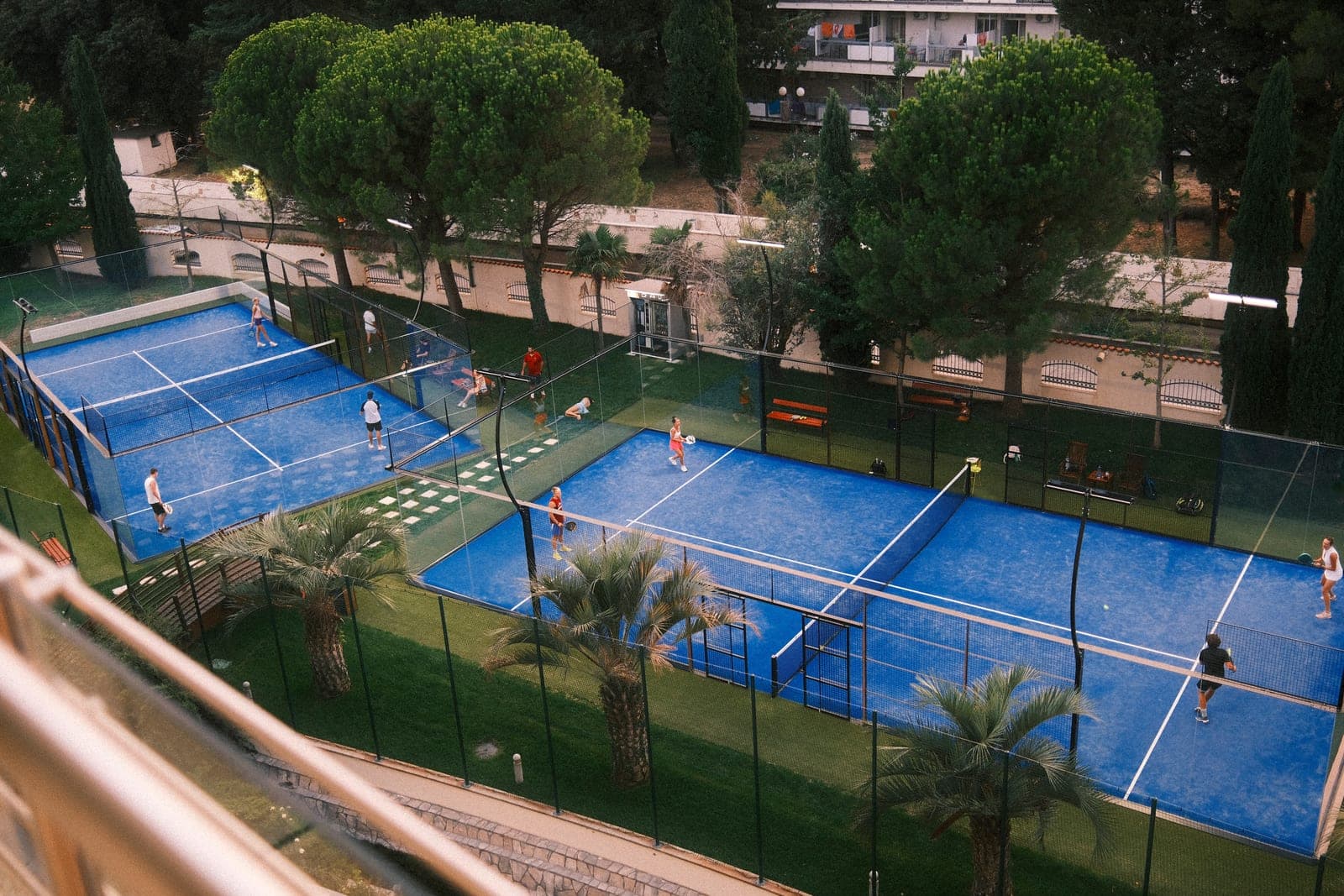
Padel
A sociable, doubles-first racquet sport played in an enclosed court where the walls stay in play.
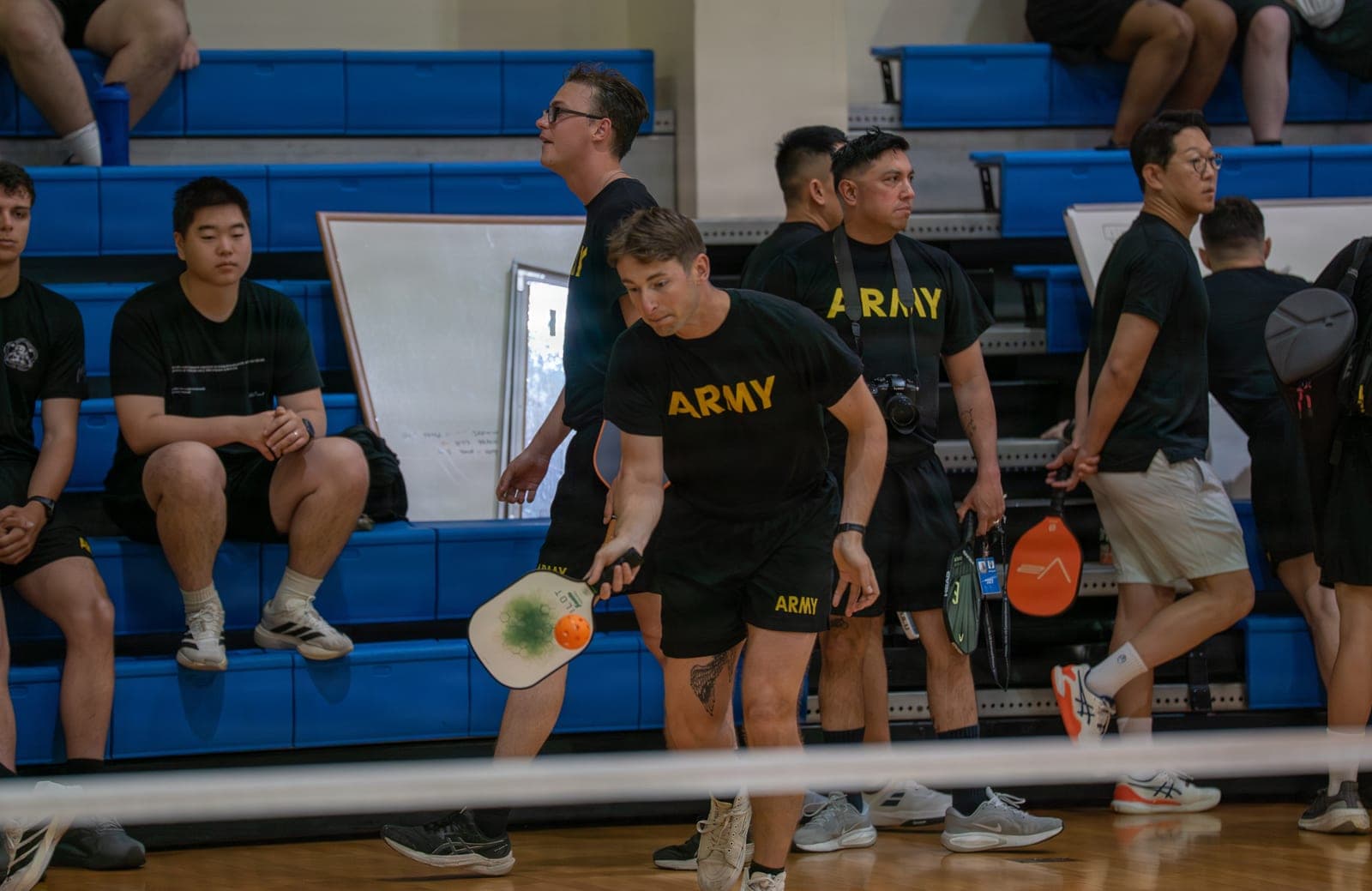
Pickleball
A friendly, easy-to-learn paddle sport played on a small court with a solid paddle and a light, perforated ball.
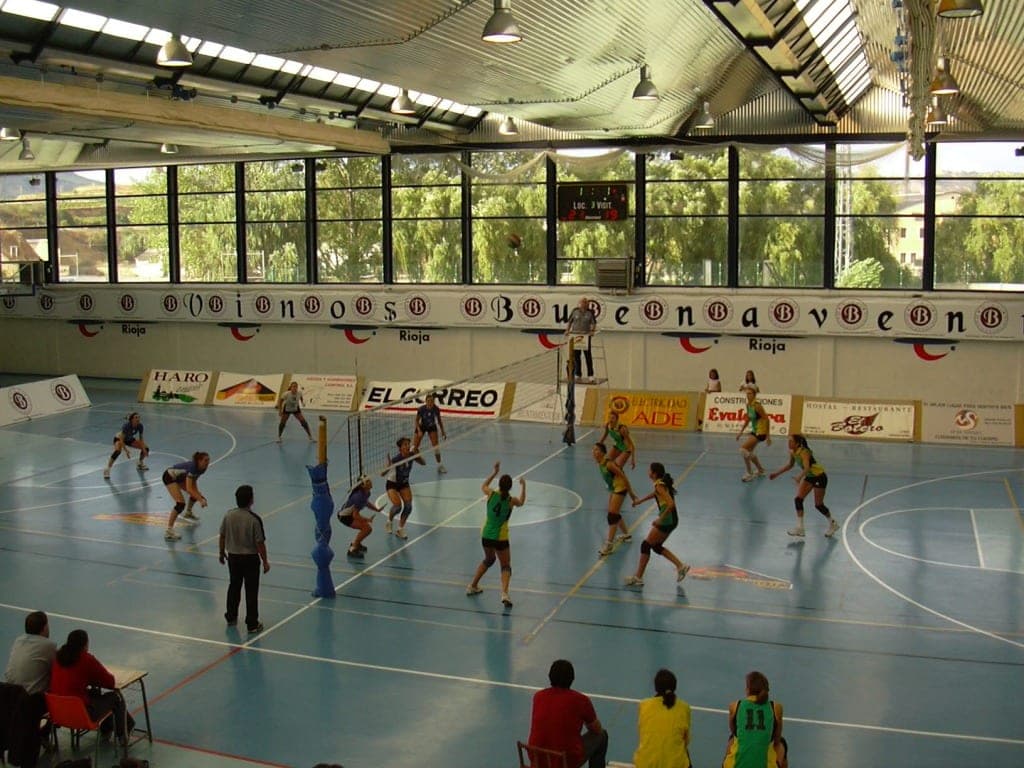
Volleyball
A non-contact team sport of rallies, jumps and teamwork — indoors or on the beach.
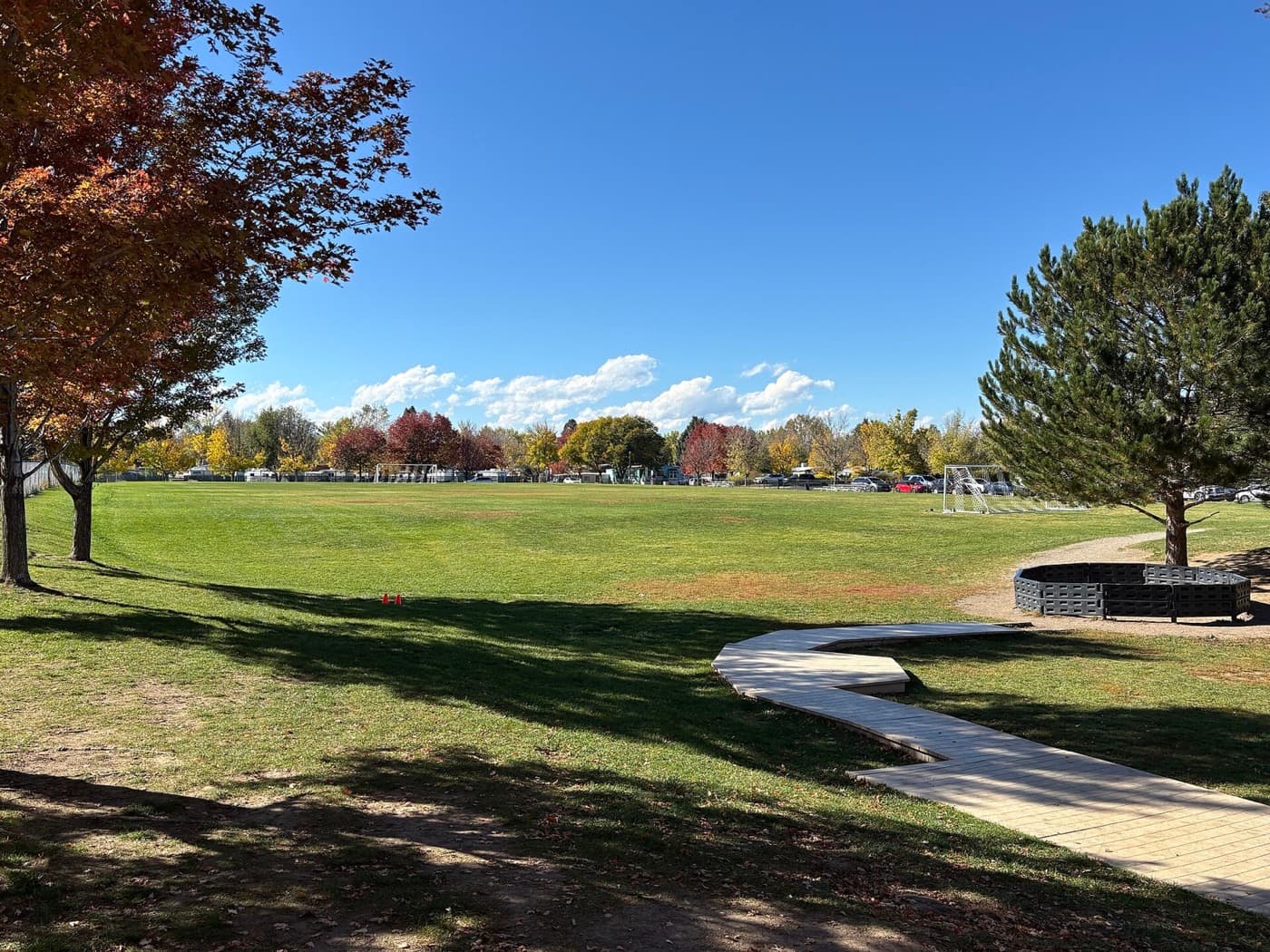
Football
The world’s most popular team sport — endless running, teamwork and community in one game.
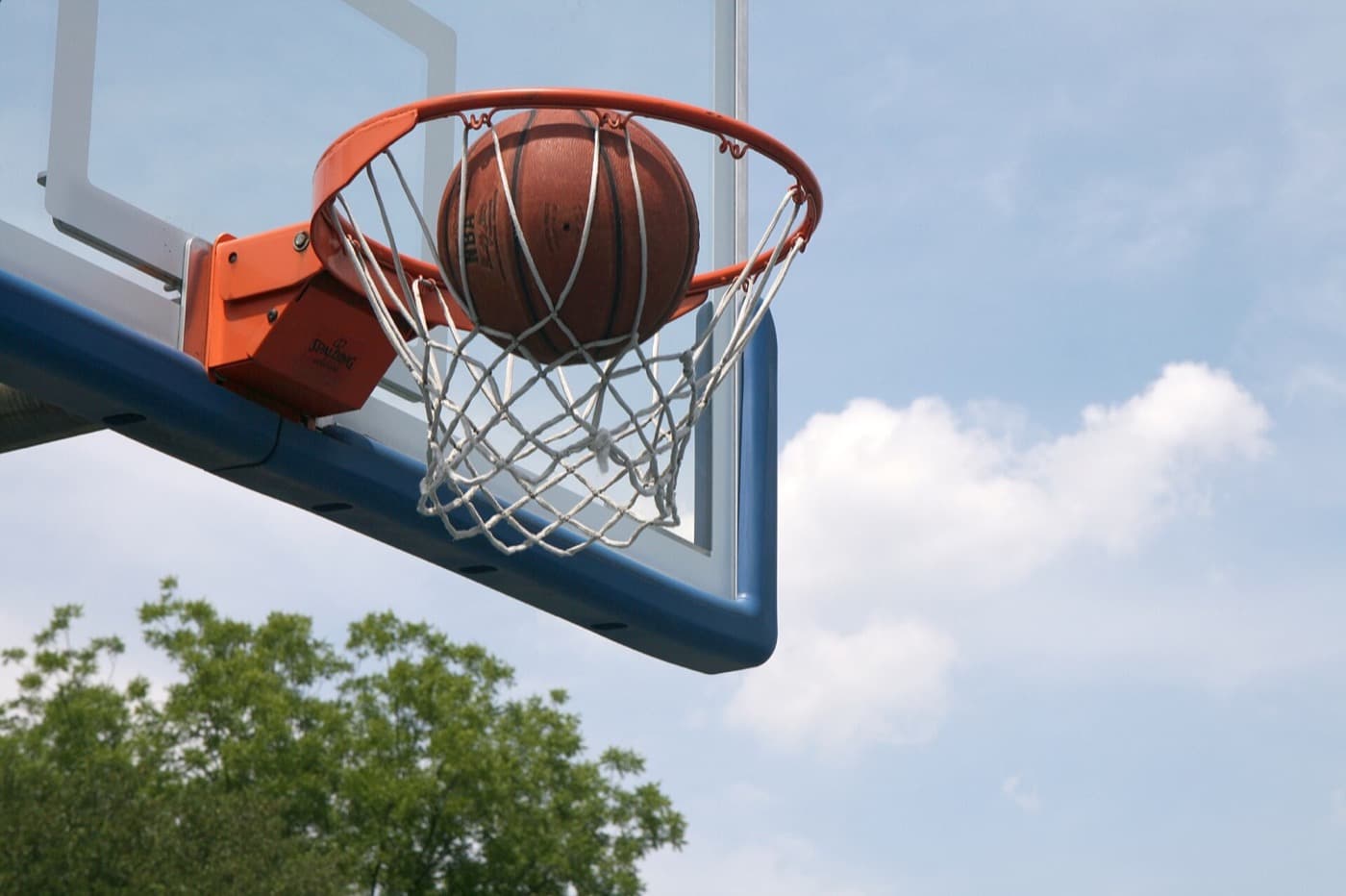
Basketball
A fast, dynamic team sport of running, jumping and quick decisions on court.
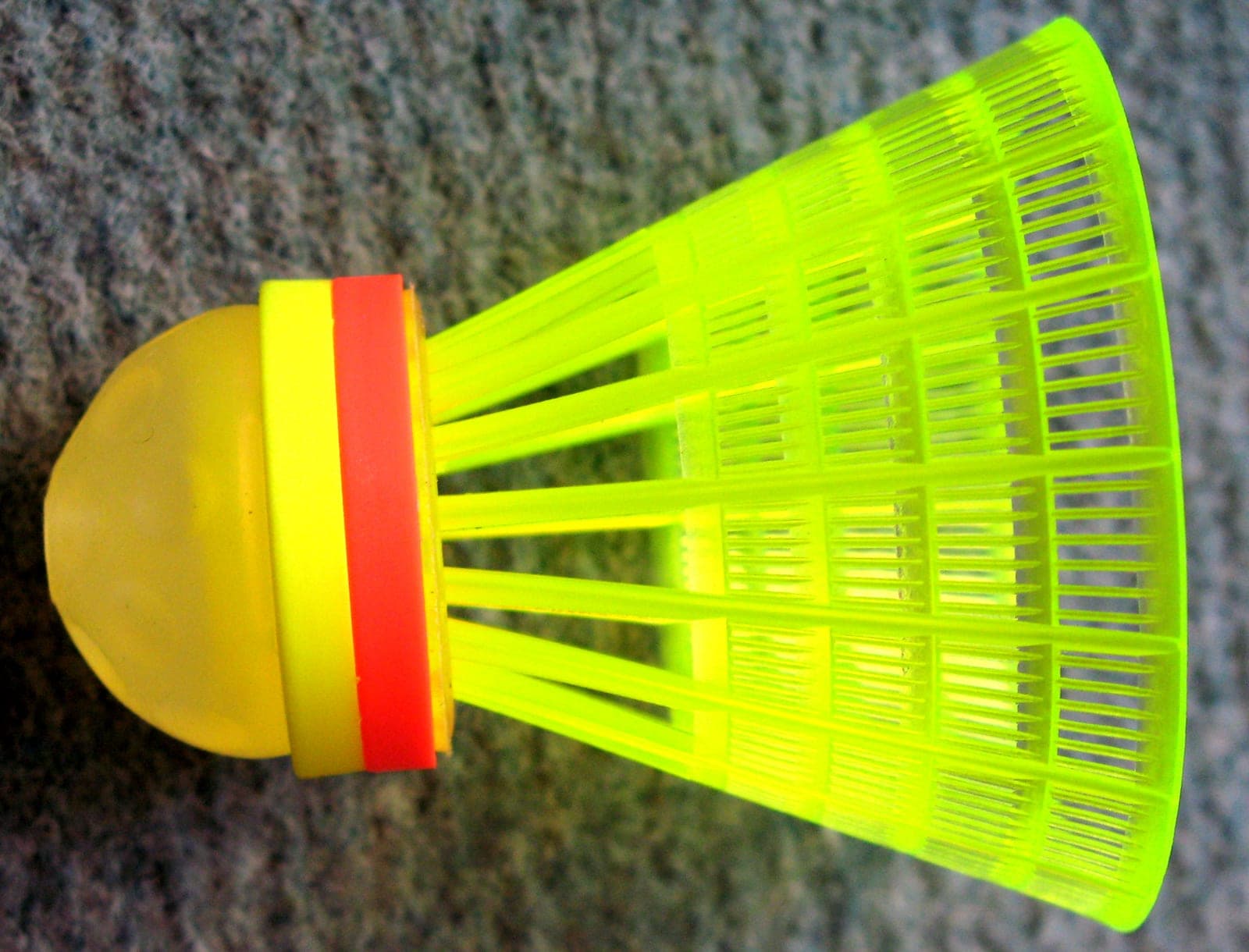
Badminton
A fast indoor racquet sport played with a shuttlecock that rewards agility and touch.
Also fits this goal
Sports beyond the shortlist above that genuinely serve this goal, each with the reason it does and what it costs you. These are editorial judgements about how a sport is typically played, not source-verified facts.
- Situational fitAerobics
A regular class means the same faces every week, which many people find is the part that keeps them coming back.
What it costs you: It is company rather than interaction — you are moving alongside people, not with them.
- Strong fitAmerican Football
A squad is large and every position group trains together, so it puts you among a lot of people every week.
What it costs you: Squad sport means fixed sessions and a season-long commitment before it becomes social at all.
- Strong fitBeach Tennis
It is usually played as doubles and the rallies are long, so a session is sociable by construction.
What it costs you: You need three other people for the doubles format it is built around.
- Strong fitCurling
Teams are four and games are long and conversational — the sport is unusually sociable while it is being played, not only afterwards.
What it costs you: Club membership and fixed ice times are the price of entry.
- Strong fitRugby
A rugby club is a social institution as much as a team, which is a large part of why people stay in it for decades.
What it costs you: That comes with the commitment: training nights, fixtures and travel, all of which are fixed.
Train for it
Exercises and methods that build what this goal needs — educational, not a prescription.
Jump squat
An explosive squat variation where you spring off the floor at the top of the movement.
Lunge
A single-leg movement where you step forward and bend both knees to lower your body.
Bulgarian split squat
A single-leg squat where the back foot is raised on a bench behind you.
Hip hinge
The foundational bending-at-the-hips pattern that underpins deadlifts, swings and picking things up.
Kettlebell swing
A dynamic hinge where you swing a kettlebell to shoulder height using a snap of the hips.
Band pull-apart
A simple pulling exercise where you stretch a resistance band across your chest to work the upper back.
Frequently asked questions
Which sports are best for meeting new people?
Team sports and doubles formats such as football, volleyball, basketball, padel, pickleball and badminton are natural choices, because playing together is the whole point. Local clubs and drop-in sessions in these sports usually welcome newcomers.
I am not very fit or skilled — can I still join?
Most social clubs and beginner sessions welcome all abilities, and taking part matters more than performance. Many groups run mixed-level or introductory sessions specifically so newcomers can find their feet without pressure.
How do I turn a sports club into real friendships?
Consistency helps most: attending regularly, arriving a little early, and chatting before and after sessions give connections time to grow. Friendships in sport tend to build over several visits rather than all at once.
Related goals
Teamwork
Develop cooperation, communication and trust by playing sports that rely on working together.
Family activities
Find sports and games that people of different ages can enjoy together, with something for everyone.
Build confidence
Use sport and steady progress to feel more capable, comfortable and self-assured over time.
Become more active
Add regular, gentle movement to your everyday life and build up from a sedentary start at your own pace.
Who & where this fits
This goal fits all kinds of people and lifestyles.
Teenagers
How sport can fit into a teenager’s life for fitness, friendship, confidence and healthy routines, with supervision.
Students
How sport can fit around study, a tight budget and a changing timetable to support focus, energy and social life.
Seniors
How gentle, supported sport can help older adults stay active, mobile and connected, with a professional check first.
Weekend athletes
How to enjoy recreational sport on weekends while staying comfortable and consistent through the week.
Families
How families can be active together with inclusive, all-ages sports that make movement social and fun.
Retirees
How sport can fit newly free time in retirement — an opportunity to be active, social and purposeful, at a comfortable and well-guided pace.
How it connects
The meaning-bearing relationships that place Social activities in the wider knowledge graph — each one with the reason it exists.
Achieved through
Routes people take towards this goal.
- PadelPadel is one of the sports listed under the “Social activities” goal.
- PickleballPickleball is one of the sports listed under the “Social activities” goal.
- VolleyballVolleyball is one of the sports listed under the “Social activities” goal.
- FootballFootball is one of the sports listed under the “Social activities” goal.
- BasketballBasketball is one of the sports listed under the “Social activities” goal.
Explore across the knowledge base
Follow the threads that connect Social activities to the rest of SocialSportHub.
Barriers
- Low motivationWhen motivation is hard to find, the fix is rarely more willpower — it is making the activity smaller, easier and more enjoyable so starting is simple.
- Nervous about startingWhen starting feels intimidating, beginner-friendly, low-pressure settings and a gentle first step make the first move far easier.
- Never played sportWhen you are starting from zero, beginner pathways, basic skills and patience with the learning curve turn "no experience" into a fresh start.
- No one to play withWhen you have no training partner, individual sports, beginner groups and finding-people options open the door to solo and social activity alike.
Motivations
Healthy living
Adaptive sports
- Adaptive sportsSport adjusted in its equipment, rules or format so that people with disabilities can take part, compete and enjoy it.
- Inclusive sportsSport designed or delivered so that disabled and non-disabled people can play together, side by side, in the same activity.
- Disability and sportAn overview of how disabled people take part in sport — for health, enjoyment, community and competition — and the ideas that support inclusion.
- Wheelchair SportsSports played from a wheelchair — often a specialised sports chair — so that wheelchair users can take part, train and compete.
- Sports for Blind and Visually Impaired AthletesSports adapted with sound, touch and guiding support so that athletes who are blind or have low vision can take part and compete.
How this page is maintained
- Content type
- Life goal
- Provenance
- Tier A — evergreen educational
- Verified external sources
- 0
- Content updated
- 2026-09-22
Evergreen, first-party explanation — it makes no claim that needs an external source. How we handle sources and reviews.