
Wheelchair Sports
Sports played from a wheelchair — often a specialised sports chair — so that wheelchair users can take part, train and compete.
Overview
Wheelchair sports are activities played from a wheelchair, allowing people who use a wheelchair — whether in daily life or just for sport — to take part fully. Well-known examples include wheelchair basketball, wheelchair tennis and wheelchair rugby, alongside track events in para athletics. Many are adapted versions of familiar sports, with rules and equipment adjusted so the game works well on wheels.
The focus is on skill, movement and enjoyment rather than on any impairment. Players often use a lightweight sports chair built for quick turns and stability, and the sport's rules are shaped around how the chair moves. The result is a fast, competitive and welcoming way to be active, whether someone plays for fun, fitness or serious competition.
What to know
- Sports played from a wheelchair, letting wheelchair users take part, train and compete.
- Widely known examples include wheelchair basketball, wheelchair tennis and wheelchair rugby.
- Athletes usually use a purpose-built sports chair designed for stability, speed and quick turns.
- Rules are adapted so the sport works fairly and safely on wheels, while keeping the essence of the game.
- Suitable across a wide range of levels, from recreational play to organised para-sport competition.
In practice
- A sports chair is different from an everyday wheelchair; clubs can often lend equipment to newcomers so people can try before investing.
- Not every wheelchair user's needs are the same — the right sport, chair setup and technique are highly individual.
- In formal competition, athletes are grouped through classification so that contests are fair; this is about creating even matchups, not judging ability.
- For guidance on a specific situation or a formal ruleset, ask the sport's governing body and a qualified professional.
Educational & inclusive
Related sports
Sports that connect to this topic — each with a clear, beginner-friendly guide.

Basketball
A fast, dynamic team sport of running, jumping and quick decisions on court.
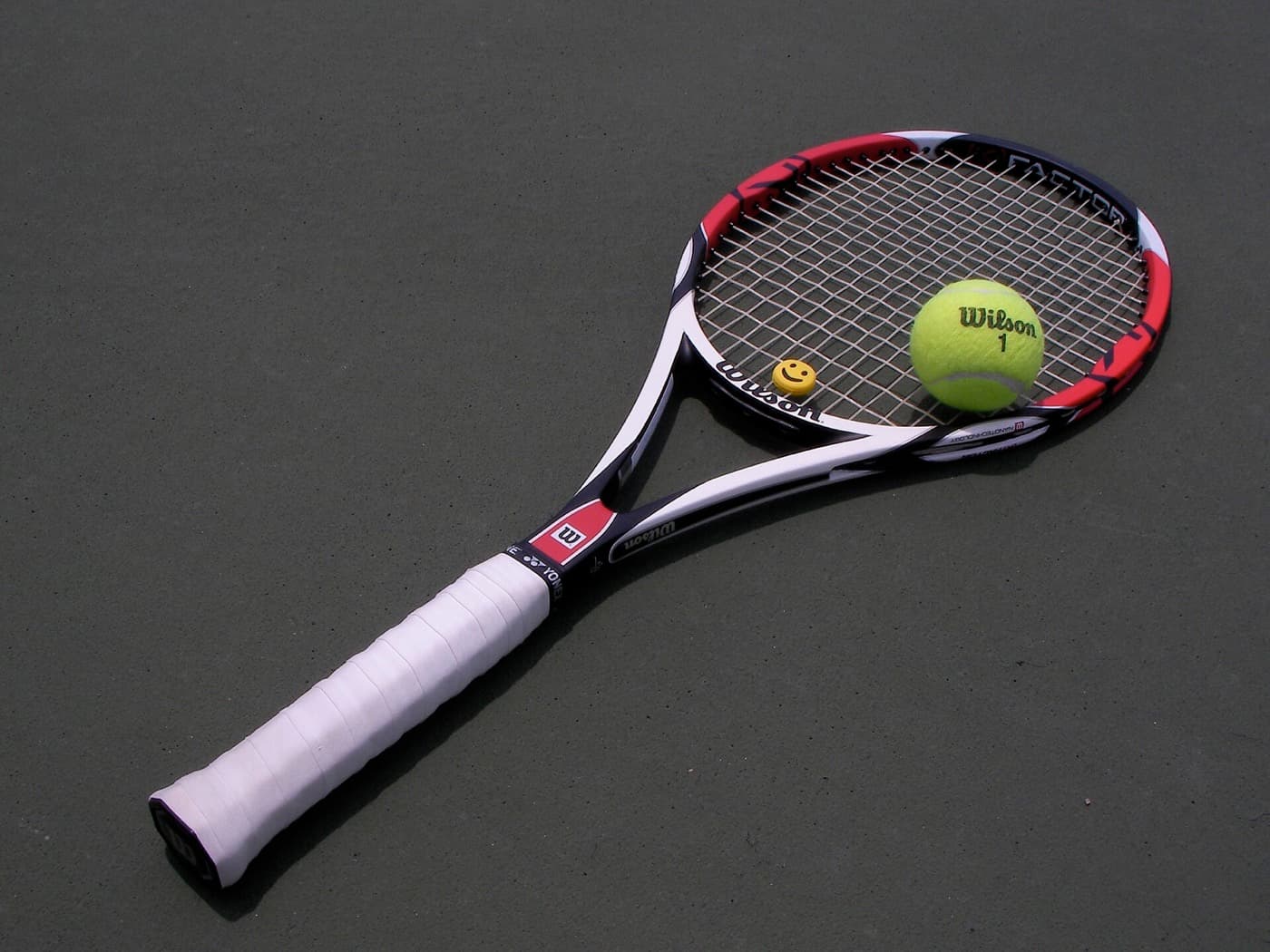
Tennis
A singles or doubles racquet sport that blends agility, strategy and stamina on court.
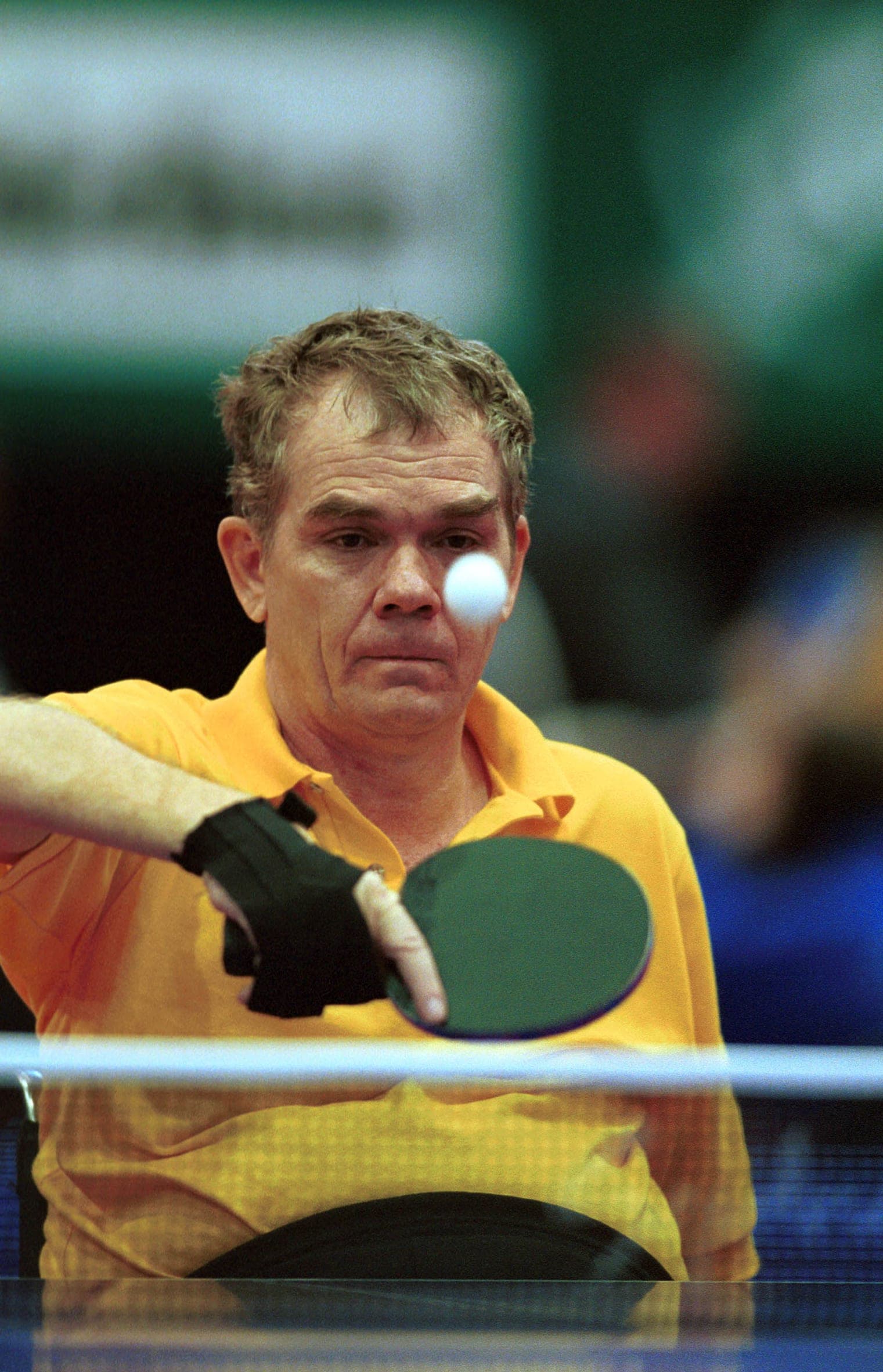
Table Tennis
A fast, low-impact indoor racquet sport that sharpens reflexes and is easy to start.
Goals it supports
Build an active lifestyle
Make movement a natural, lasting part of daily life through activities and habits you genuinely enjoy.
Improve fitness
Build well-rounded fitness — stamina, strength and more — through regular, varied activity you can keep up.
Social activities
Use sport as a way to meet people, make friends and stay connected while staying active.
Build confidence
Use sport and steady progress to feel more capable, comfortable and self-assured over time.
Frequently asked questions
What are wheelchair sports?
They are sports played from a wheelchair — often a specialised sports chair — so that wheelchair users can take part, train and compete. Examples include wheelchair basketball, wheelchair tennis and wheelchair rugby. Rules and equipment are adapted so the game works well on wheels while keeping the spirit of the sport.
Do you have to use a wheelchair every day to play?
Not necessarily; some players use a wheelchair mainly for sport rather than in daily life, and eligibility varies by sport and level. Many clubs welcome newcomers to try the game and can lend a sports chair. For questions about eligibility in formal competition, check with the sport's governing body.
Explore across the knowledge base
Follow the threads that connect Wheelchair Sports to the rest of SocialSportHub.
Facilities
Knowledge Atlas
Physical qualities
How this page is maintained
- Content type
- Adaptive sports topic
- Provenance
- Tier A — evergreen educational
- Verified external sources
- 0
- Content updated
- 2026-07-09
Evergreen, first-party explanation — it makes no claim that needs an external source. How we handle sources and reviews.