
Teamwork
Develop cooperation, communication and trust by playing sports that rely on working together.
How sport helps
Teamwork is the heart of any sport where the result depends on people acting together. Passing, covering for each other, communicating and playing a role all become second nature when the game itself rewards cooperation.
These are skills that transfer well beyond the pitch or court. Many people find that practising communication, shared responsibility and trust in a team setting helps them work better with others in study, work and everyday life.
- Team sports only work when players cooperate, so they give constant, practical practice in communicating and coordinating with others.
- Playing a defined role within a group can build a sense of shared responsibility and reliability.
- Winning and losing together can strengthen trust and teach how to handle both success and setbacks as a group.
- Reading teammates and reacting to a shared situation helps develop quick communication and cooperation under pressure.
Getting started
- 1Join a team sport, league or club session where cooperation is central to the game.
- 2Start with a role you are comfortable with, then take on more responsibility as your understanding grows.
- 3Focus on communication basics — calling for the ball, giving simple cues, and supporting teammates.
- 4Value the group outcome over personal stats, and treat mistakes as shared learning rather than blame.
Good sports for this goal
Great places to start — each with a clear, beginner-friendly guide.
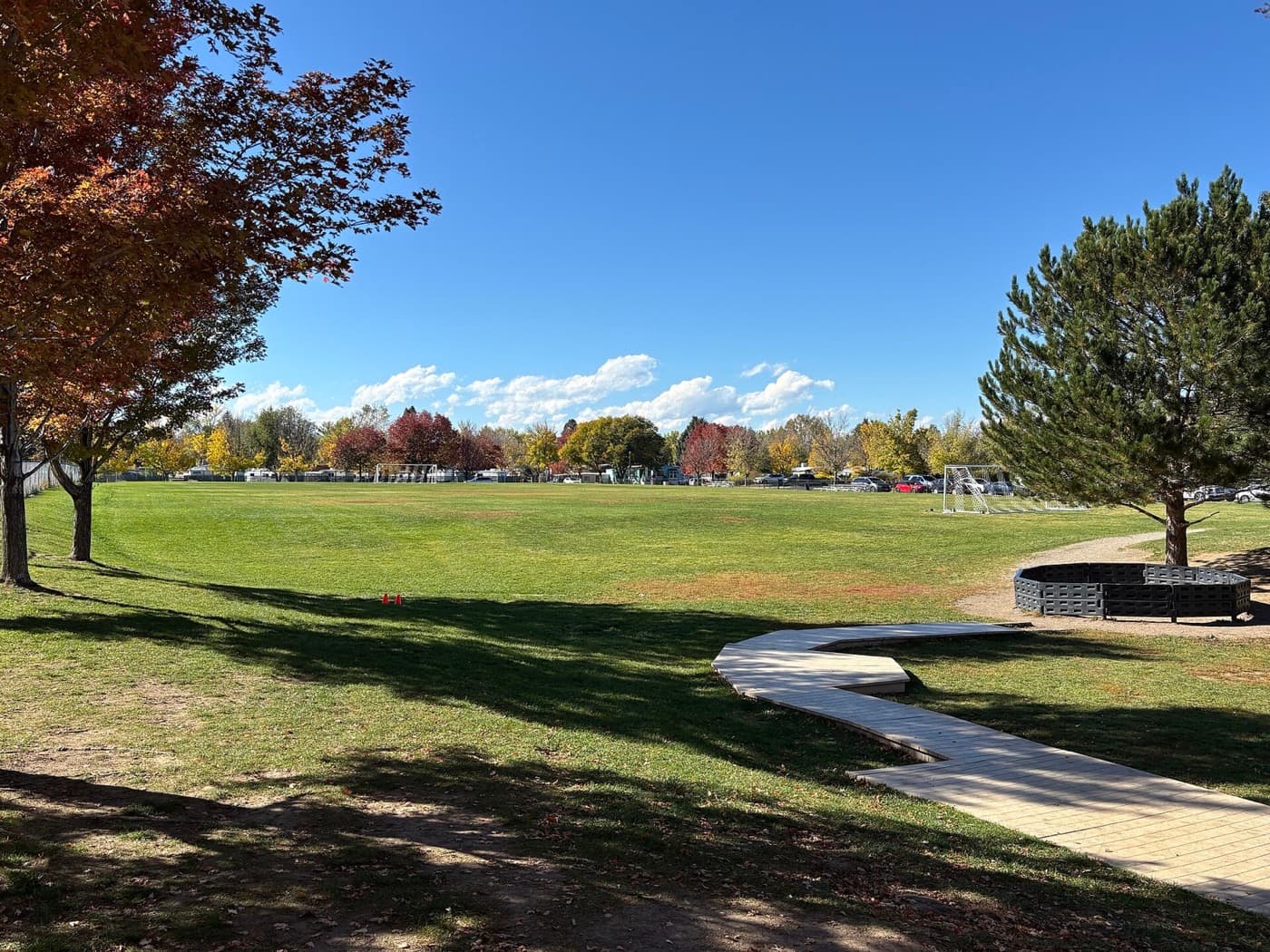
Football
The world’s most popular team sport — endless running, teamwork and community in one game.
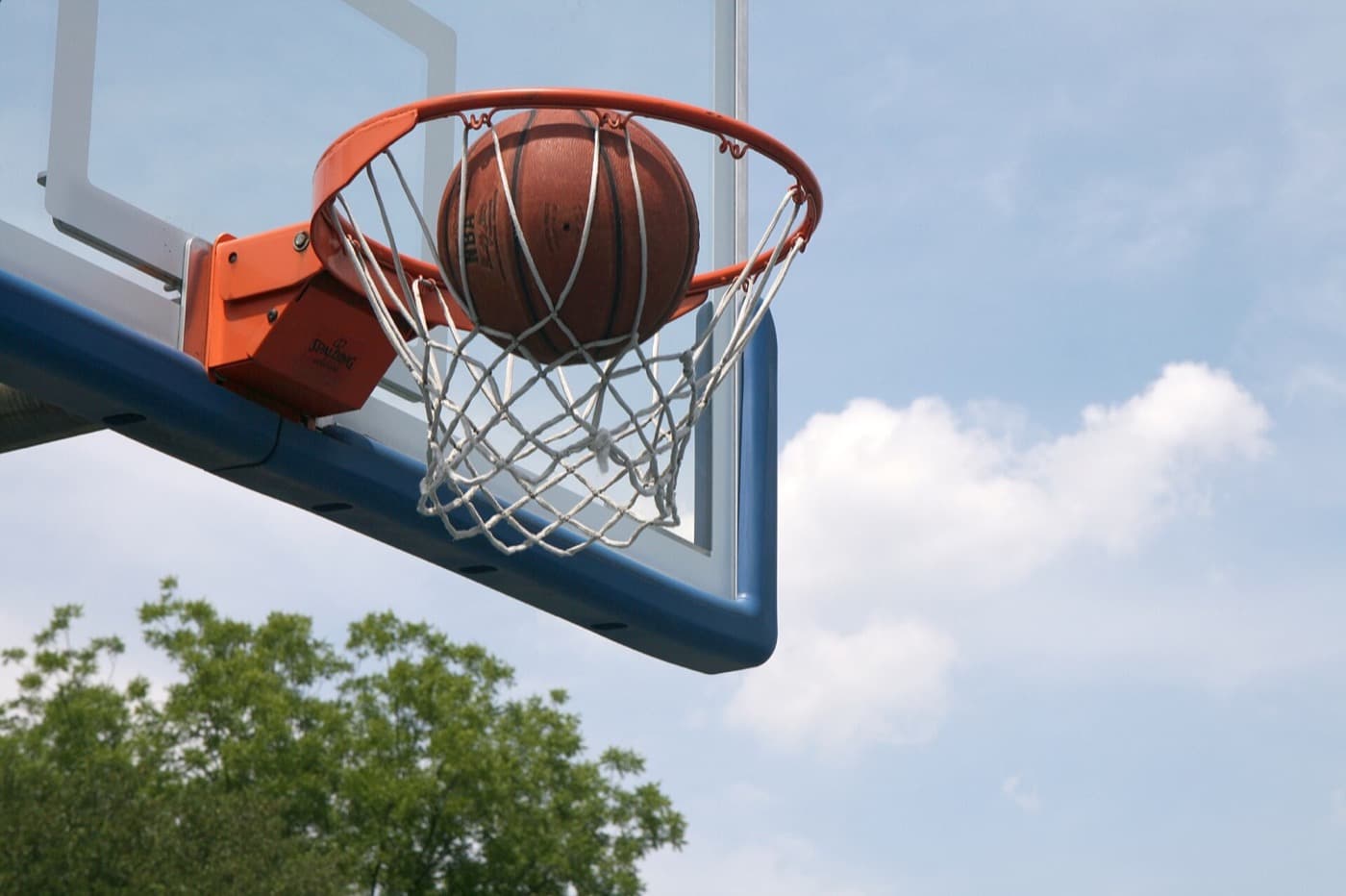
Basketball
A fast, dynamic team sport of running, jumping and quick decisions on court.
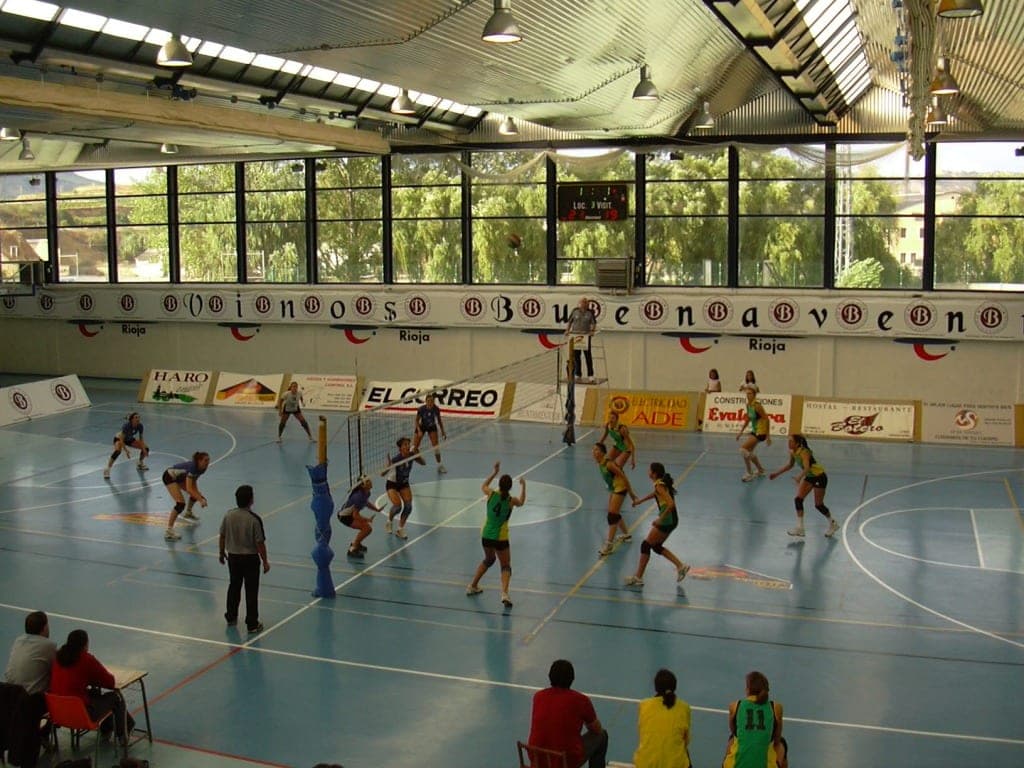
Volleyball
A non-contact team sport of rallies, jumps and teamwork — indoors or on the beach.
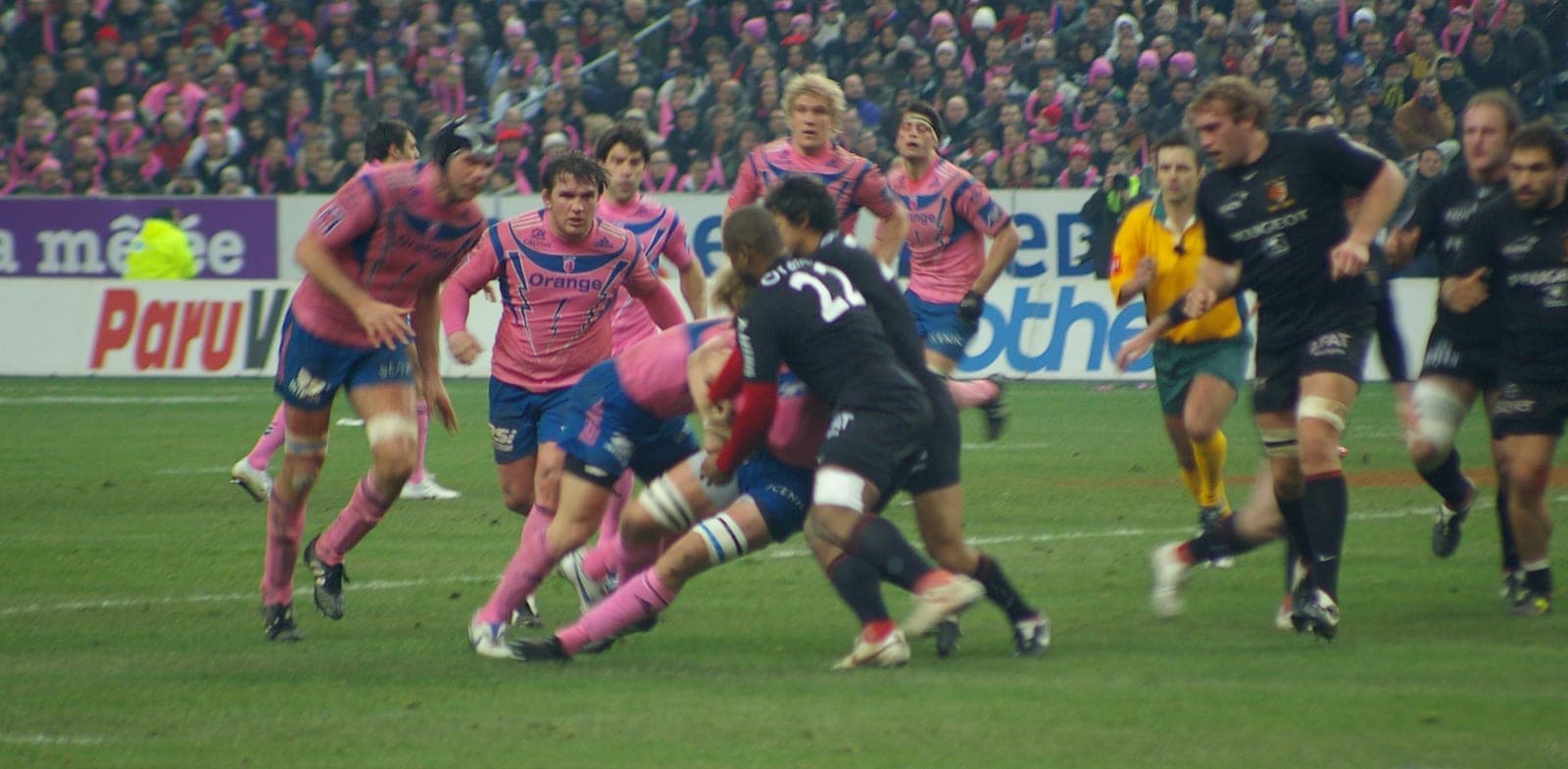
Rugby
A physical team sport of carrying, passing and kicking an oval ball toward the opposing line.
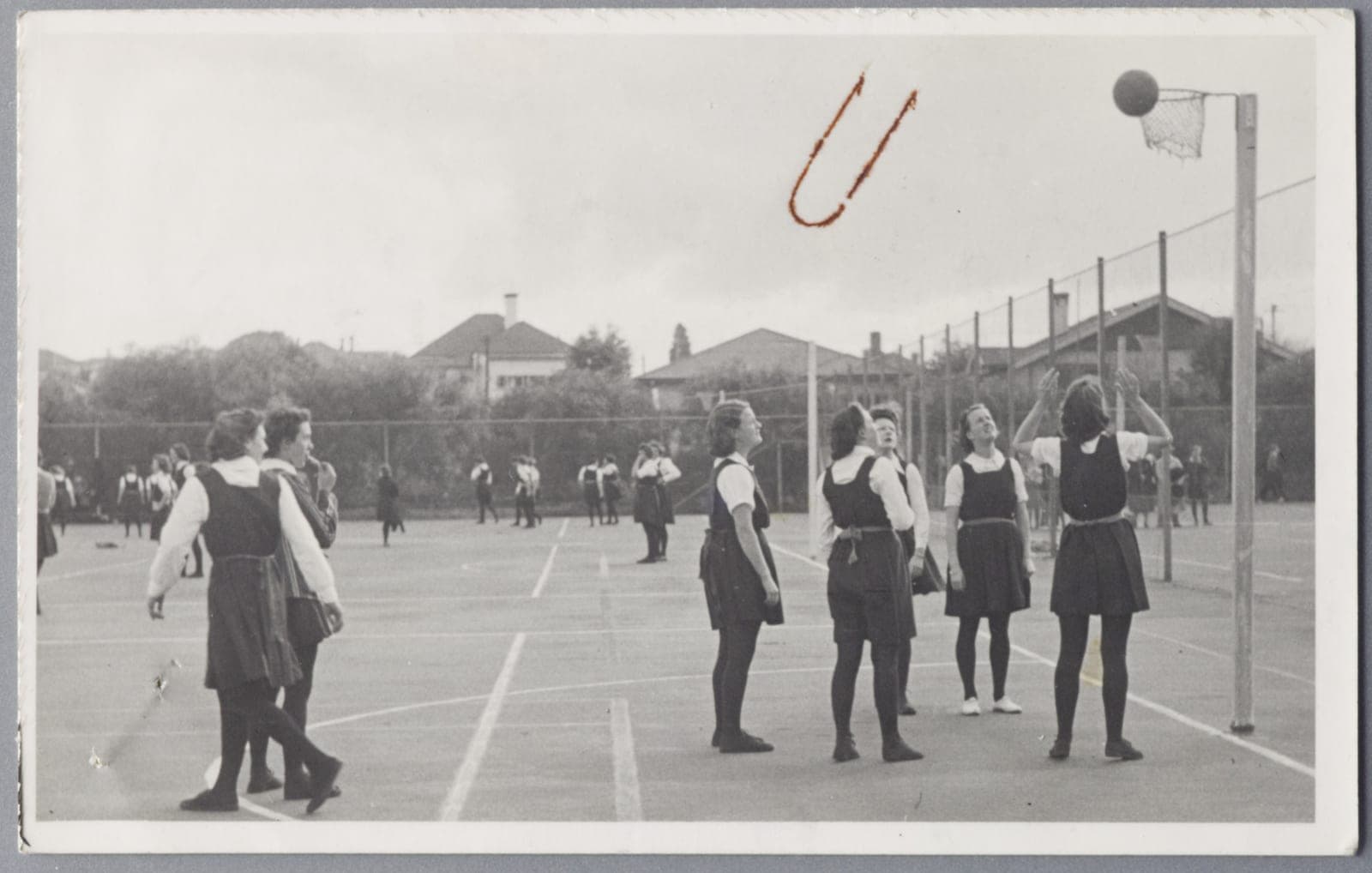
Netball
A non-contact, position-based team sport of quick passing and accurate shooting.
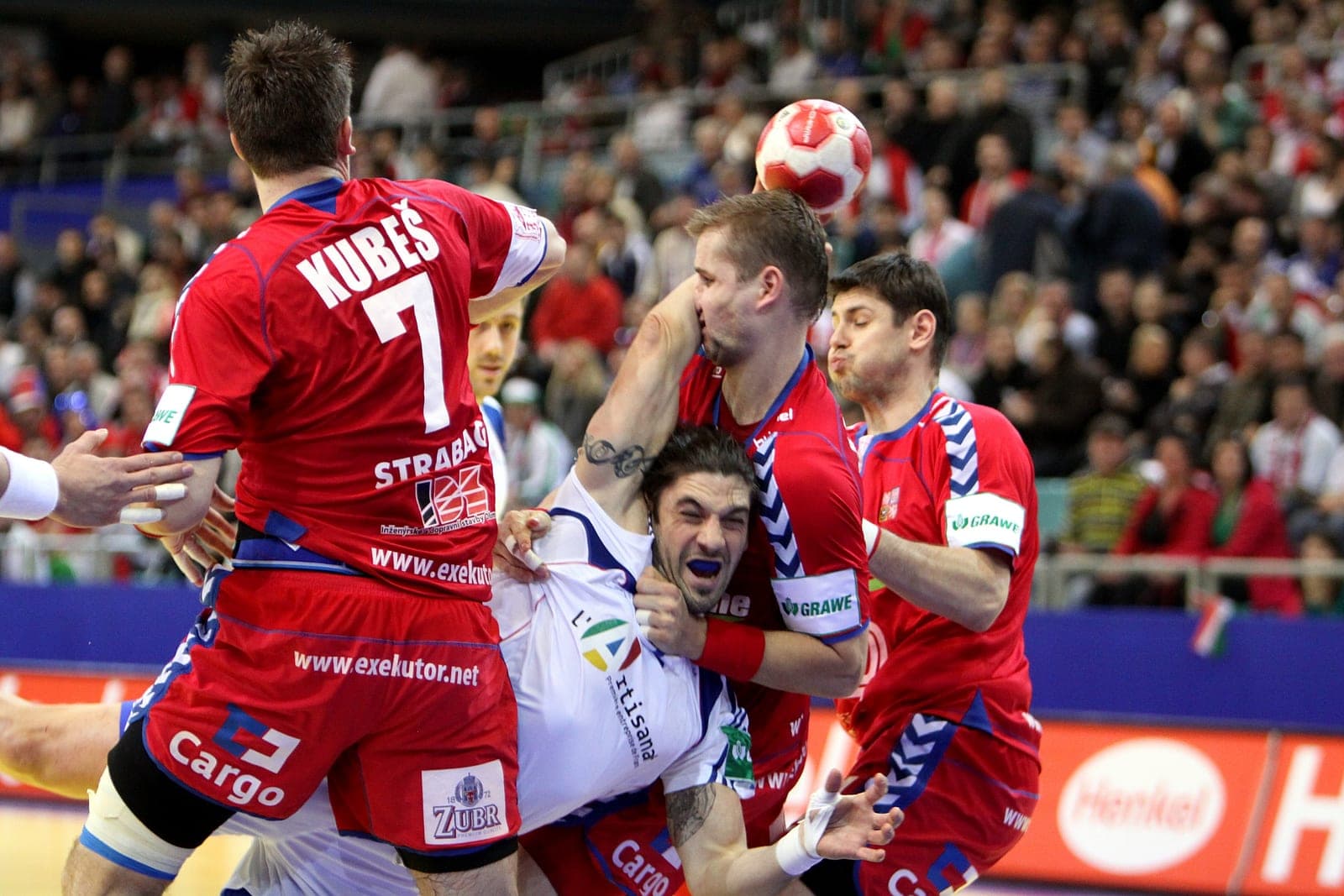
Handball
A fast indoor team sport of passing, jumping and throwing to score with the hands.
Also fits this goal
Sports beyond the shortlist above that genuinely serve this goal, each with the reason it does and what it costs you. These are editorial judgements about how a sport is typically played, not source-verified facts.
- Strong fitAmerican Football
Every play is a scripted assignment for eleven people at once; a single player doing something else breaks it.
What it costs you: The full-contact game needs a club, a full kit and supervision. Flag football is the non-contact route in, and is a genuinely different commitment.
- Strong fitBaseball
Every defensive play is a rehearsed sequence between several players, and knowing where to throw before the ball arrives is the whole skill.
What it costs you: It needs a full roster and a diamond, so it is a club sport rather than something to arrange in a park.
- Strong fitCricket
Fielding is eleven people setting a trap together, and batting is two people running to each other’s call — almost nothing in the game is done alone.
What it costs you: A match is long and needs a full side and a proper ground, so it depends entirely on joining a club.
- Strong fitCurling
A shot is thrown by one player and steered by two more reading the ice in real time, on a call from a fourth — nothing in the game is done alone.
What it costs you: It needs a rink with a curling club and set session times; there is no informal version of it.
- Strong fitField Hockey
Possession is built through short passes between players in support, so the game rewards positioning as much as skill.
What it costs you: You need a club, a pitch and a stick, and most adult entry is through a club’s beginner section rather than casual play.
- Strong fitFutsal
Five a side in a confined court means every player is involved in every phase — there is nowhere to hide and no long ball to hide behind.
What it costs you: You need a full side and a booked indoor court, so it depends on a regular group rather than whoever turns up.
- Strong fitIce Hockey
Line changes, forechecking and breakouts are all coordinated by a group at speed — it is one of the most continuously collective team sports there is.
What it costs you: Ice time, a full kit and a club are all required before you play a single shift, which makes it among the most demanding sports here to start.
- Strong fitLacrosse
Possession moves through fast passing between players running into space, so it is a game of connected movement rather than individual carries.
What it costs you: Clubs are uncommon outside a handful of countries, so availability is usually the deciding factor.
- Strong fitSoftball
The same coordinated defensive play as baseball, on a smaller field and with a larger, slower ball that makes the team game accessible sooner.
What it costs you: Still needs a full side and a pitch, and the recreational leagues it thrives in are not available everywhere.
- Strong fitUltimate Frisbee
There are no referees — players call their own fouls and resolve them — so the sport is cooperative even between opposing teams.
What it costs you: You need enough people for two sides, which in practice means finding a regular group rather than turning up alone.
- Strong fitWater Polo
Attacking is a patient collective movement while everyone is treading water, so the game is impossible to play individually.
What it costs you: It needs strong, confident swimming before any of the game is accessible, and a club with pool time.
Train for it
Exercises and methods that build what this goal needs — educational, not a prescription.
Jump squat
An explosive squat variation where you spring off the floor at the top of the movement.
Lunge
A single-leg movement where you step forward and bend both knees to lower your body.
Bulgarian split squat
A single-leg squat where the back foot is raised on a bench behind you.
Hip hinge
The foundational bending-at-the-hips pattern that underpins deadlifts, swings and picking things up.
Kettlebell swing
A dynamic hinge where you swing a kettlebell to shoulder height using a snap of the hips.
Band pull-apart
A simple pulling exercise where you stretch a resistance band across your chest to work the upper back.
Frequently asked questions
Which sports are best for developing teamwork?
Team sports where success depends on cooperation are the natural fit — football, basketball, volleyball, rugby, netball and handball among them. In each, communicating and coordinating with teammates is essential to playing well.
Do teamwork skills from sport transfer to other areas?
Many people find they do. Communicating clearly, sharing responsibility, trusting others and handling wins and losses as a group are general skills that can carry over into study, work and everyday collaboration.
Can I develop teamwork if I am not naturally outgoing?
Yes. Teamwork is a skill built through practice, not a fixed trait. Starting in a defined role, focusing on simple communication, and playing regularly with the same group all help cooperation feel more natural over time.
Related goals
Social activities
Use sport as a way to meet people, make friends and stay connected while staying active.
Build confidence
Use sport and steady progress to feel more capable, comfortable and self-assured over time.
Discipline
Build consistency, focus and self-discipline through the routines that sport and training encourage.
Family activities
Find sports and games that people of different ages can enjoy together, with something for everyone.
Who & where this fits
This goal fits all kinds of people and lifestyles.
Children
How sport can fit into a child’s life through play, variety and supported, age-appropriate movement.
Teenagers
How sport can fit into a teenager’s life for fitness, friendship, confidence and healthy routines, with supervision.
Weekend athletes
How to enjoy recreational sport on weekends while staying comfortable and consistent through the week.
How it connects
The meaning-bearing relationships that place Teamwork in the wider knowledge graph — each one with the reason it exists.
Achieved through
Routes people take towards this goal.
- FootballFootball is one of the sports listed under the “Teamwork” goal.
- BasketballBasketball is one of the sports listed under the “Teamwork” goal.
- VolleyballVolleyball is one of the sports listed under the “Teamwork” goal.
- RugbyRugby is one of the sports listed under the “Teamwork” goal.
- NetballNetball is one of the sports listed under the “Teamwork” goal.
Explore across the knowledge base
Follow the threads that connect Teamwork to the rest of SocialSportHub.
Coaching concepts
- Decision-Making PracticeTraining athletes to read cues and choose the right action under pressure — coupling perception to action, not just rehearsing physical technique in isolation.
- Constraints-Led PracticeA coaching approach that adjusts the task, environment or rules so a desired movement or decision emerges in practice, rather than being explicitly instructed.
- Small-Sided GamesPractising in scaled-down versions of a sport — fewer players, smaller area — so skills and decisions happen more often in a game-like setting.
Skills Academy
How this page is maintained
- Content type
- Life goal
- Provenance
- Tier A — evergreen educational
- Verified external sources
- 0
- Content updated
- 2026-09-22
Evergreen, first-party explanation — it makes no claim that needs an external source. How we handle sources and reviews.