
Constraints-Led Practice
A coaching approach that adjusts the task, environment or rules so a desired movement or decision emerges in practice, rather than being explicitly instructed.
Overview
Constraints-led practice is a way of coaching skill in which the practitioner shapes learning by adjusting the boundaries and features of a practice situation rather than telling the learner exactly what to do. These boundaries, called constraints, are commonly grouped into three interacting categories: those relating to the individual performer, those built into the task, and those coming from the environment. By changing one or more of these, a coach makes certain movements or decisions more likely or more effective, so the target skill tends to emerge as the learner searches for a solution that works. The underlying idea is that people naturally self-organise their movement to meet the demands in front of them, so a well-designed problem can teach as effectively as a direct instruction.
In use, coaches most often adjust task constraints because they are easy to change and immediately reshape the problem: altering rules, the size of the playing area, the number of players, equipment, targets, scoring or time limits can steer a rally, a game or a drill toward the action they want to develop. A guiding principle is representative design, meaning the practice keeps enough features of the real performance setting that reading the situation and responding stay linked, so what is learned transfers back to competition. The approach is widely used across sport and is often blended with feedback, questioning and demonstration rather than replacing them. Because individuals differ, learners may arrive at slightly different but equally valid solutions, and this variety is treated as normal rather than a fault to be corrected.
In practice
- Constraints fall into three interacting categories - the individual performer, the task, and the environment - and changing any one shifts which movements and decisions become possible.
- Task constraints such as rules, area size, player numbers, equipment, targets and scoring are the most commonly manipulated because they are easy to adjust and directly change the problem the learner must solve.
- The method favours guided discovery over explicit instruction: instead of prescribing a technique, the practice is designed so the desired action becomes the most effective response and is found by the learner.
- Representative design keeps practice conditions similar to the real performance context, preserving the link between perceiving the situation and acting on it so that learning is more likely to transfer.
- Variability is expected and useful, because each attempt is slightly different, learners tend to build adaptable, flexible skills rather than a single fixed movement, and different people may reach different valid solutions.
A note on this information
What it applies to
Constraints-Led Practice shapes how you develop these across the platform.
Sports where it matters

Football
The world’s most popular team sport — endless running, teamwork and community in one game.
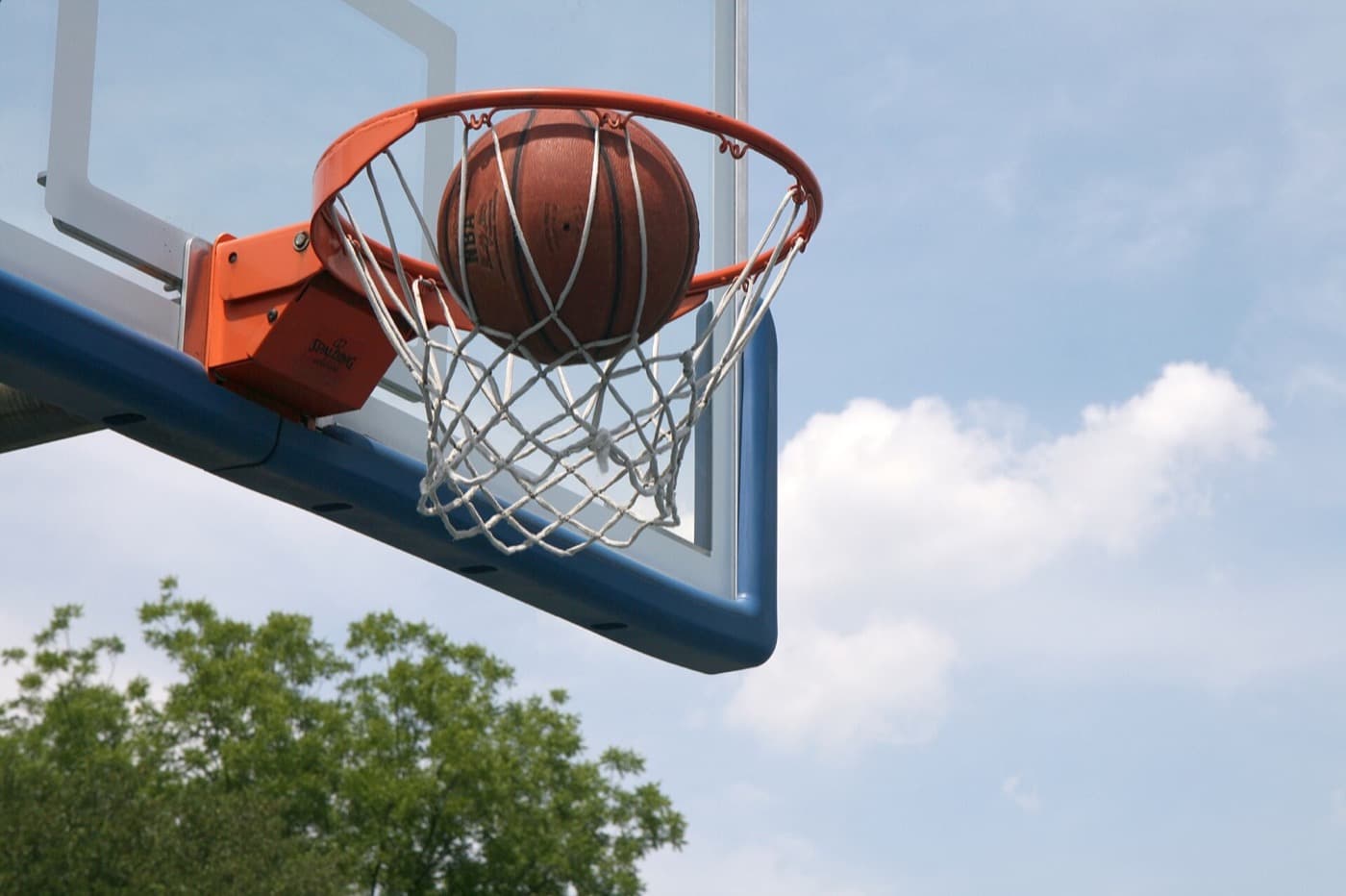
Basketball
A fast, dynamic team sport of running, jumping and quick decisions on court.
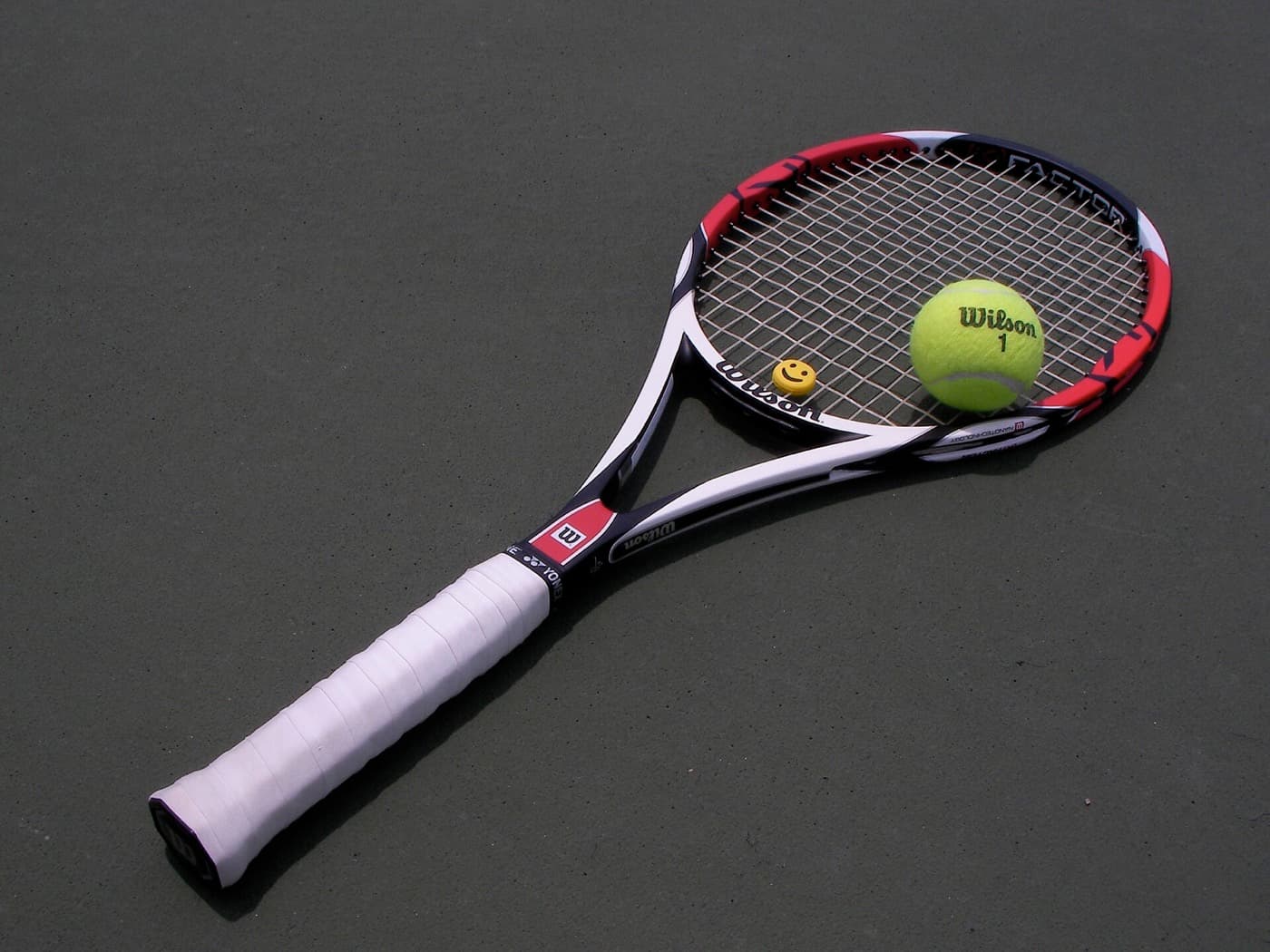
Tennis
A singles or doubles racquet sport that blends agility, strategy and stamina on court.
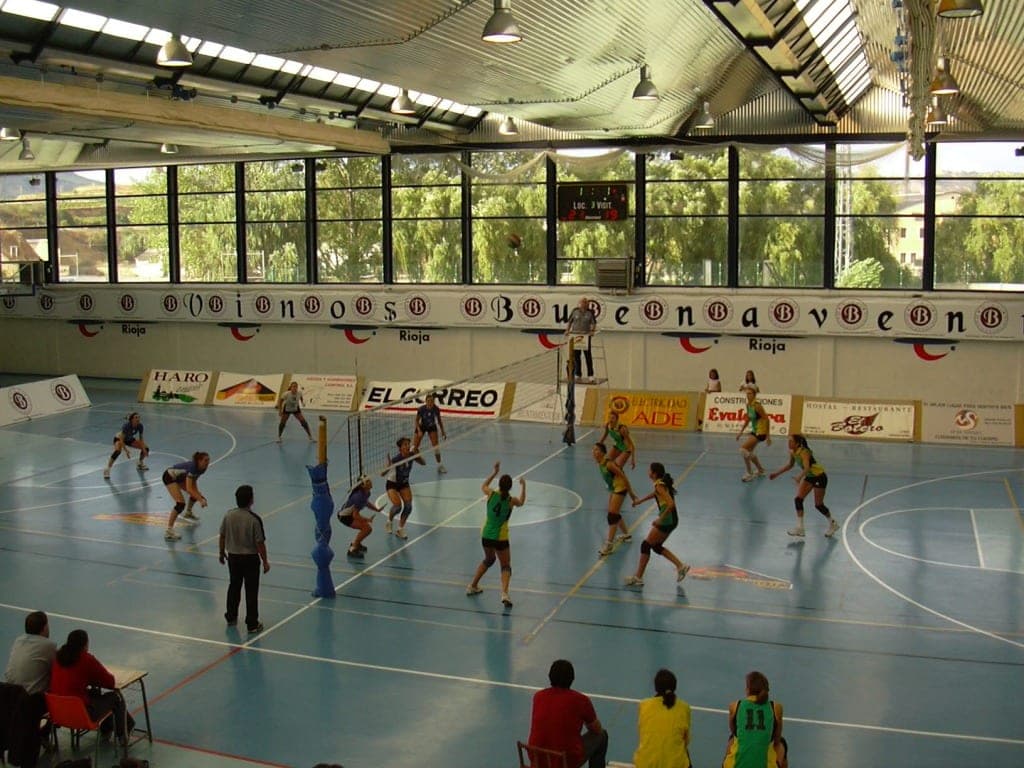
Volleyball
A non-contact team sport of rallies, jumps and teamwork — indoors or on the beach.
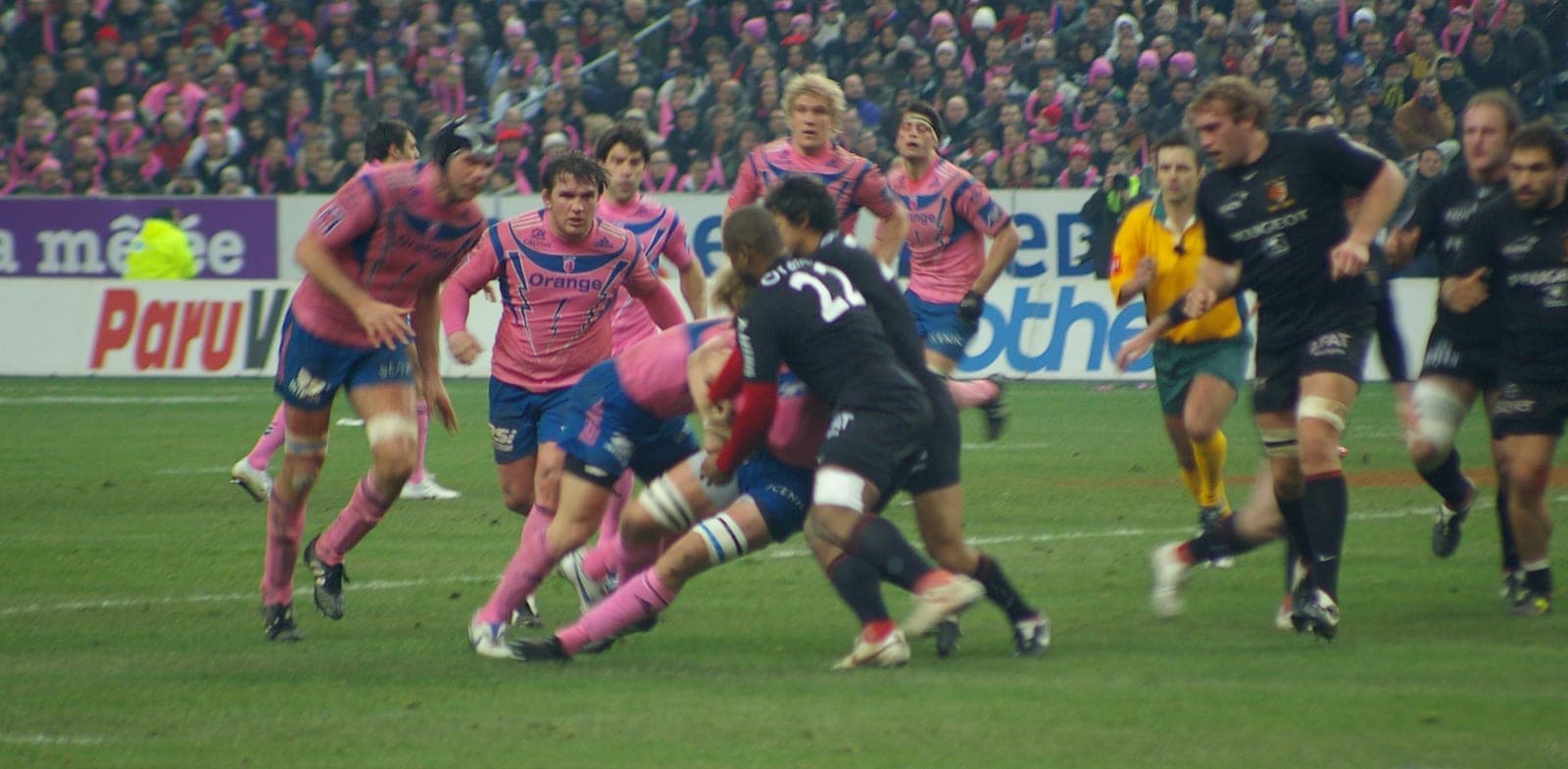
Rugby
A physical team sport of carrying, passing and kicking an oval ball toward the opposing line.
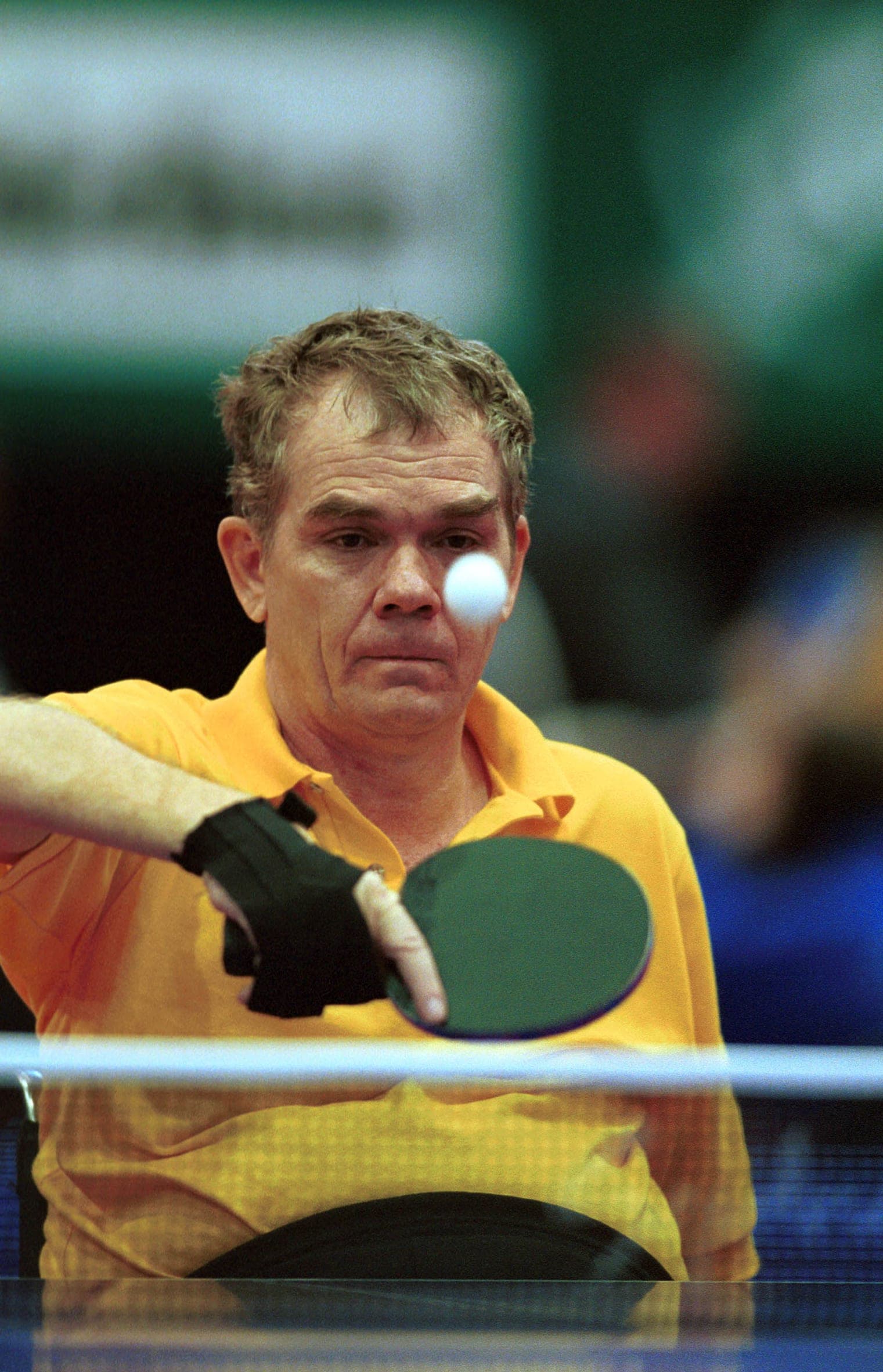
Table Tennis
A fast, low-impact indoor racquet sport that sharpens reflexes and is easy to start.
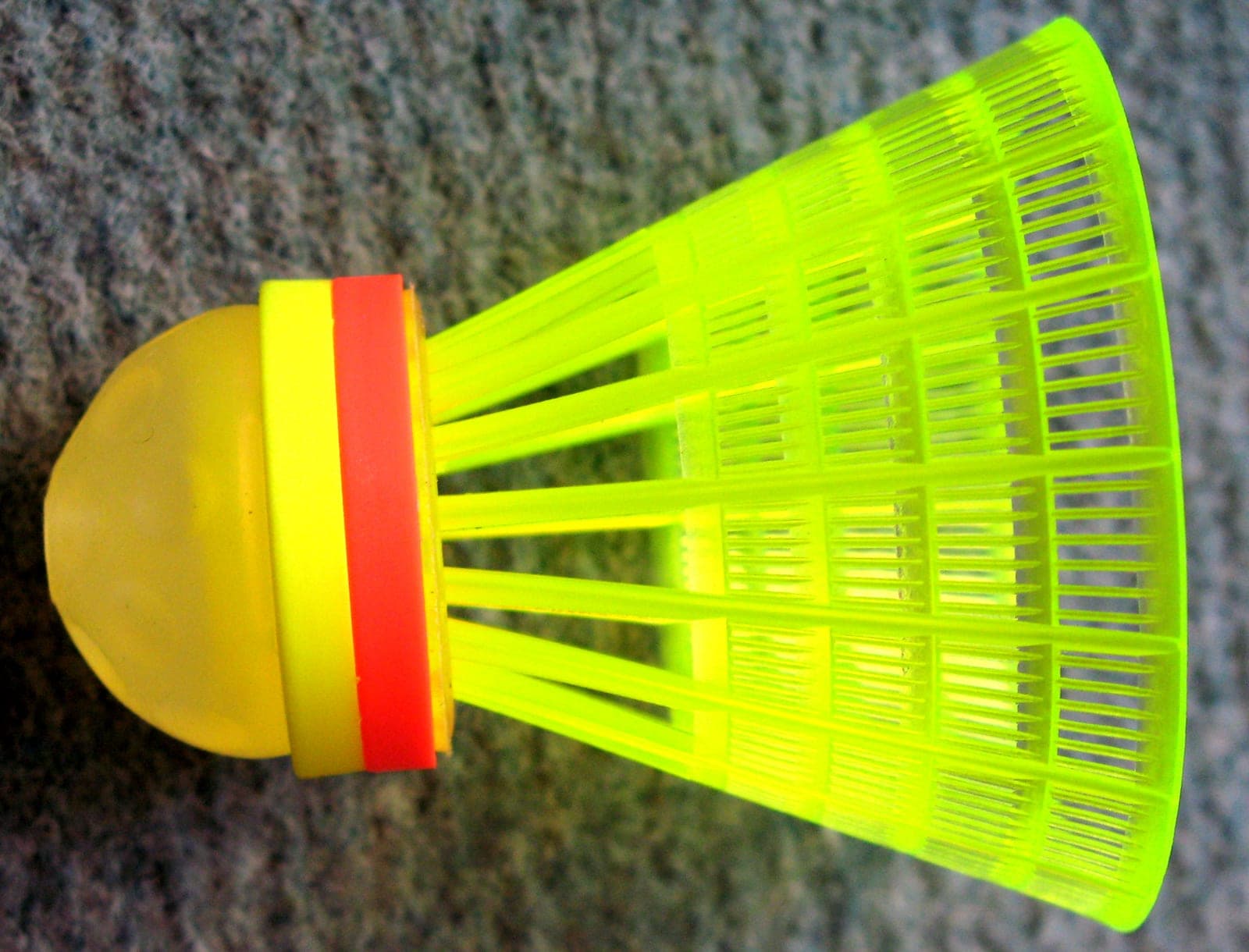
Badminton
A fast indoor racquet sport played with a shuttlecock that rewards agility and touch.
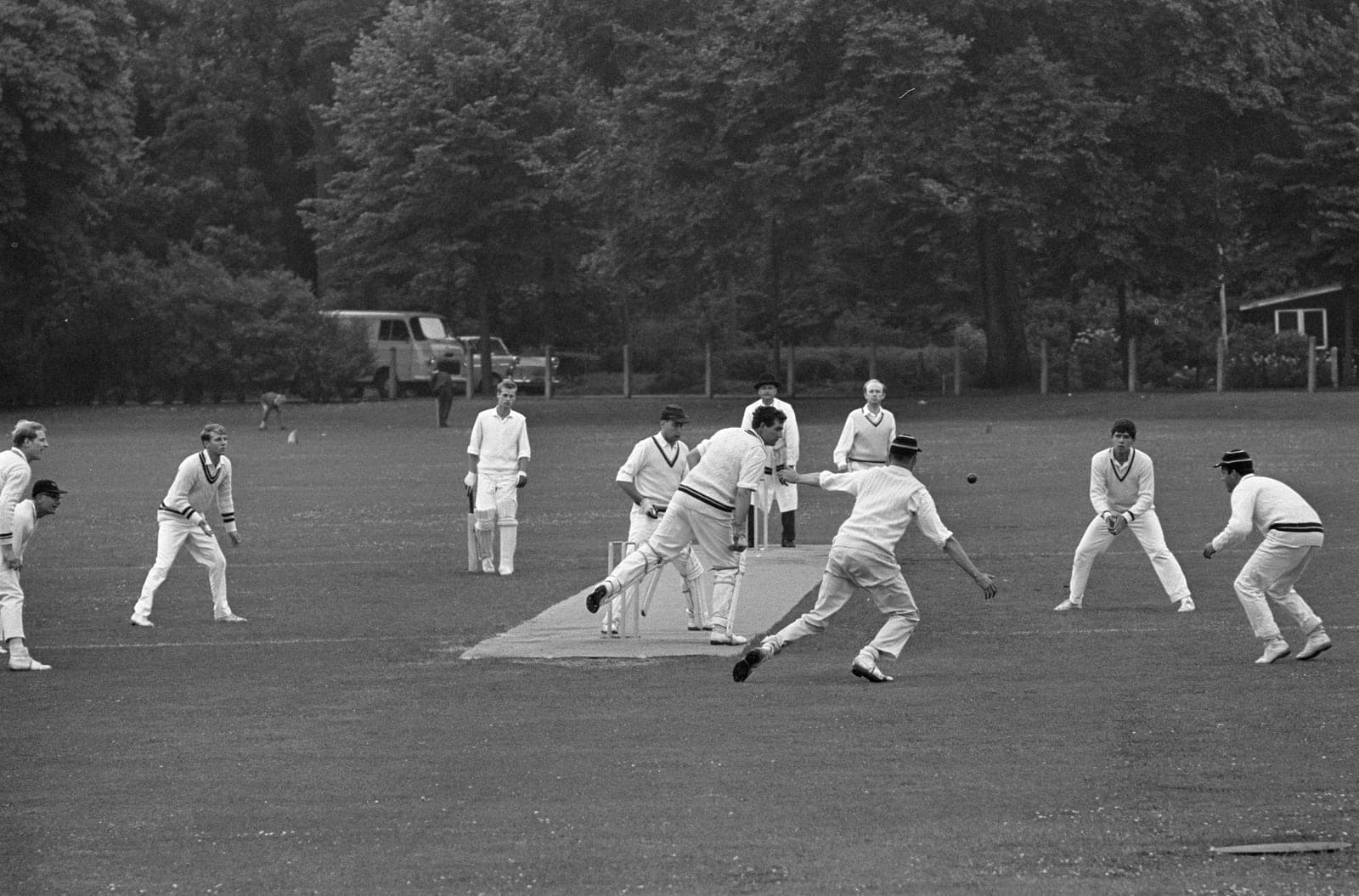
Cricket
A bat-and-ball team sport where sides take turns to bat and to bowl and field, scoring runs.
Squash
A fast, high-intensity indoor racquet sport played inside an enclosed court where the walls stay in play.
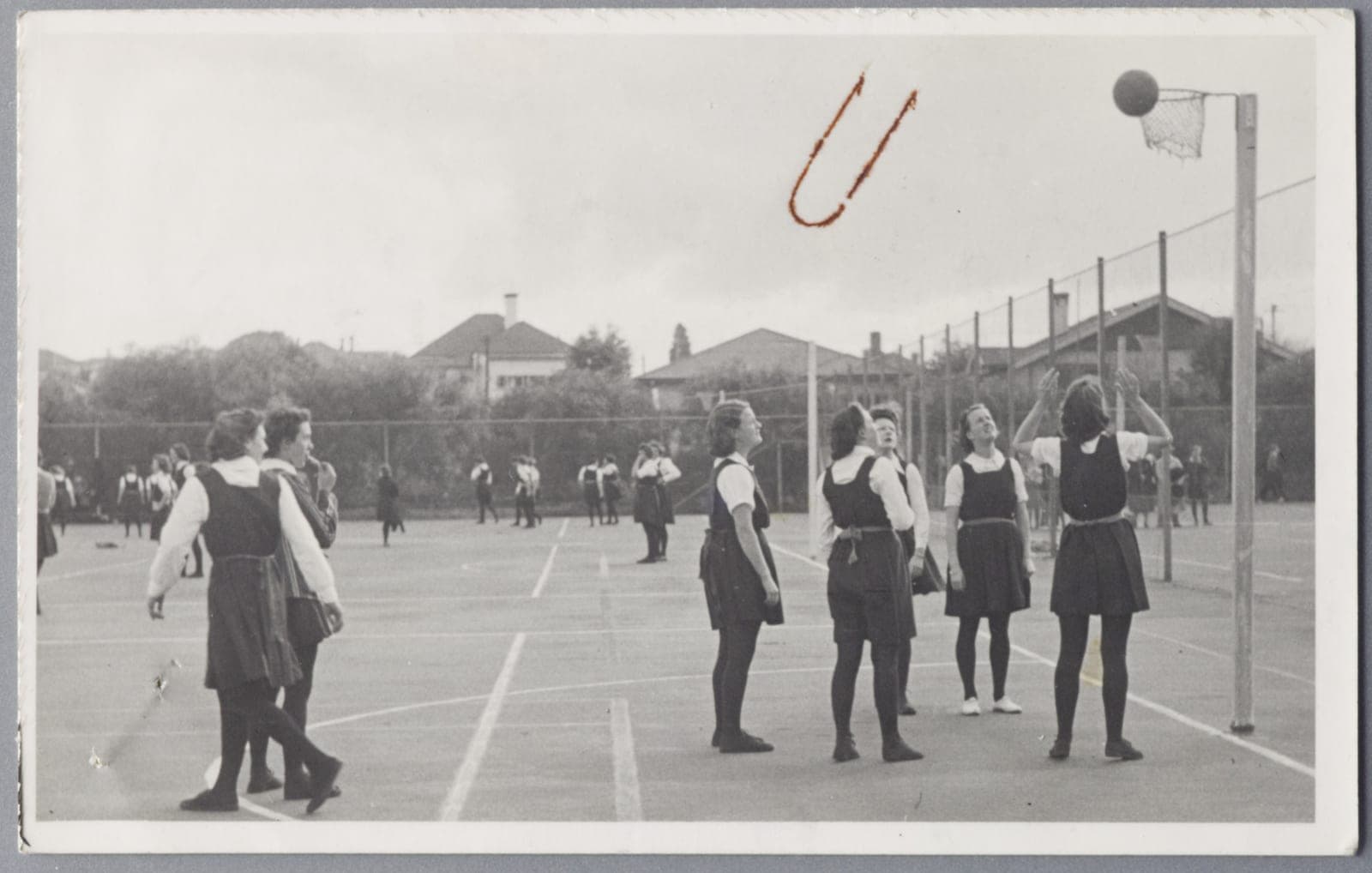
Netball
A non-contact, position-based team sport of quick passing and accurate shooting.
Explore across the knowledge base
Follow the threads that connect Constraints-Led Practice to the rest of SocialSportHub.
Sports science
Practice & sessions
- Partner practicePractising with one other person — feeding, rallying and drilling together so you both get repetition, a live target and instant feedback.
- Decision-making sessionA session built around choosing well under pressure — reading the situation and picking the right option, not just executing a skill.
- Coached sessionA session led by a coach, who sets the focus, gives feedback and shapes the practice around what you need.
- Tactical sessionA session built around tactics — how you use space, position and patterns of play, rather than the mechanics of a shot.
- Technical sessionA session built around technique — grooving and refining the mechanics of how a movement or shot is executed.
Movement patterns
- CatchReceiving a moving object and securing it under control, absorbing its momentum by yielding along its path so kinetic energy is dissipated rather than rebounded away.
- CutA sharp, frequently reactive plant-and-redirect performed in a single decisive foot contact to evade an opponent or abruptly alter a line of travel.
- DecelerationThe athletic pattern of actively braking and absorbing momentum to slow or stop under control, producing eccentric forces that oppose the direction of travel.
- KickA ballistic single-support leg swing that whips force from the plant foot through the hip and knee to strike or propel a ball or target with the foot, distinct from the weight-bearing steps of locomotion.
- ReachExtending a limb toward a distant point or object, often at full stretch, by projecting a distal segment beyond the body's resting envelope while a stabilised base preserves balance and control.
Goals
- Improve coordinationSharpen how smoothly your body works together — like tracking and hitting a ball — through skill practice.
- Improve reaction speedRespond faster to what you see, hear and feel by training with fast, unpredictable activities and drills.
- TeamworkDevelop cooperation, communication and trust by playing sports that rely on working together.
- Sports for beginnersHow to start playing sport from scratch — choosing a first activity and building up gently.
How this page is maintained
- Content type
- Coaching concept
- Provenance
- Tier A — evergreen educational
- Verified external sources
- 0
- Content updated
- 2026-07-09
Evergreen, first-party explanation — it makes no claim that needs an external source. How we handle sources and reviews.