
Squash
High-intensity rallies inside four walls
Overview
Squash is played inside an enclosed court, where players take turns hitting a small rubber ball against the front wall. The ball can rebound off the side and back walls and remains in play, so points often build into long, fast exchanges. It is usually played as singles, with doubles versions on larger courts.
It is one of the most intense racquet sports because the enclosed space keeps the ball moving and demands almost constant movement. The game rewards fitness, quick footwork and clever placement, yet it scales well — gentle rallies help beginners learn control before points speed up.
Why squash is good for your health
- Continuous rallies deliver a strong cardiovascular workout
- Builds agility, speed and quick changes of direction
- Strengthens the legs and core through lunging and turning
- Sharpens reactions, timing and hand–eye coordination
Physical qualities you’ll build
Squash is especially good for developing these qualities:
The social side
- Easy to arrange regular one-to-one matches with a partner
- Clubs and leagues make it simple to find opponents at your level
- A quick, energising game that fits neatly into a busy week
How to start as a beginner
- 1Take a beginner lesson to learn a safe swing and court awareness
- 2Start with a slower, higher-bouncing beginner ball to keep rallies going
- 3Practise hitting the ball to the back of the court for control
- 4Join a club ladder or beginner session to play a range of opponents
Equipment you’ll need
- Squash racquetEssentialA light, comfortable beginner racquet is ideal
- Squash ballEssentialBeginner balls bounce more and are easier to rally with
- Non-marking court shoesEssentialDesigned for quick indoor movement
- Protective eyewearOptionalSensible in an enclosed court with a small, fast ball
- Comfortable sportswearOptional
Where to play
Squash is typically played at:
Explore clubs and venues to understand the different places you can play, or see how to find people to play with.
Playing Squash
The equipment, rules, skills and more that make up the game — each cross-linked into the encyclopedia.
Related sports to explore
If you enjoy Squash, you might also like these.
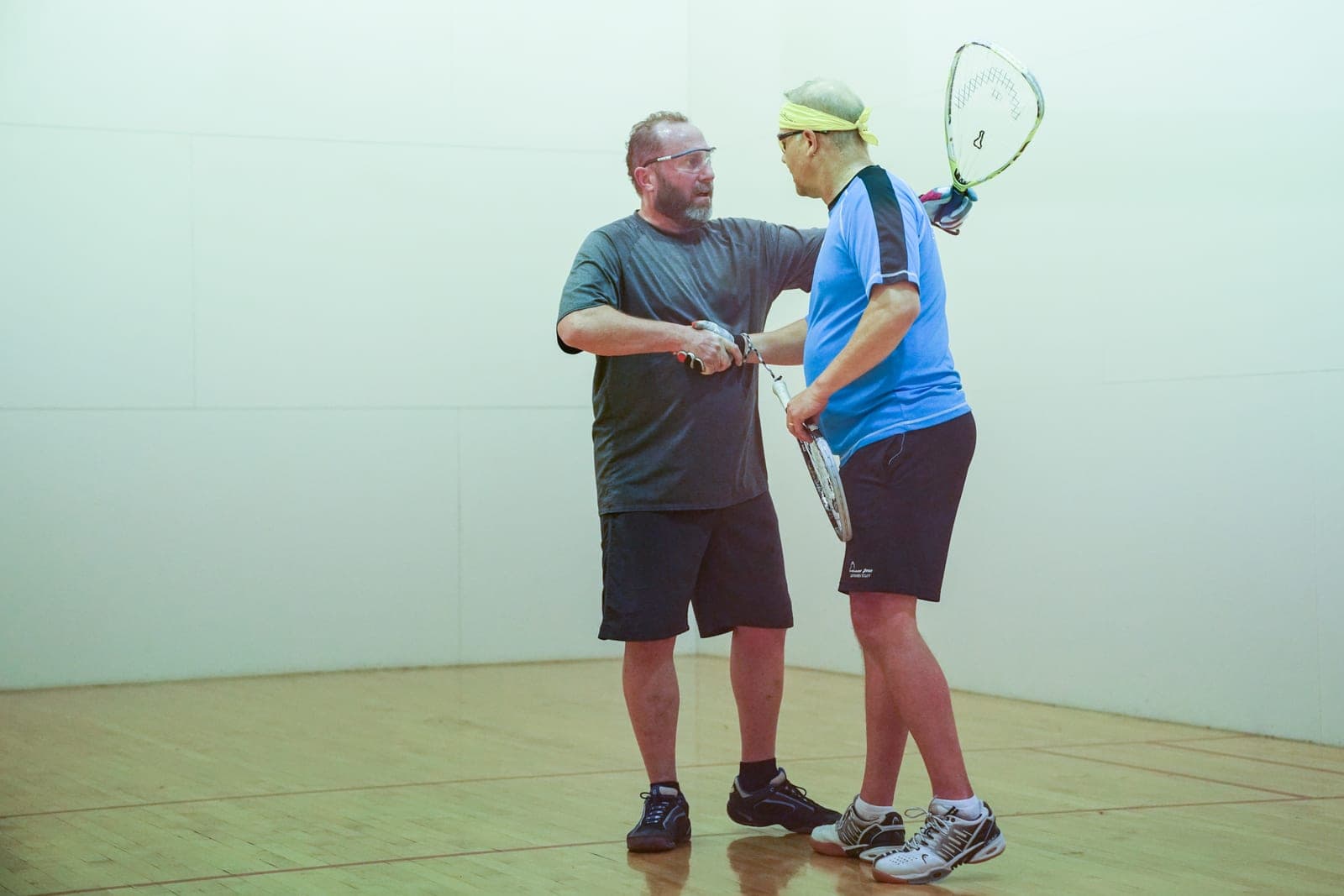
Racquetball
A lively indoor racquet sport played on an enclosed court where the walls, and often the ceiling, stay in play.
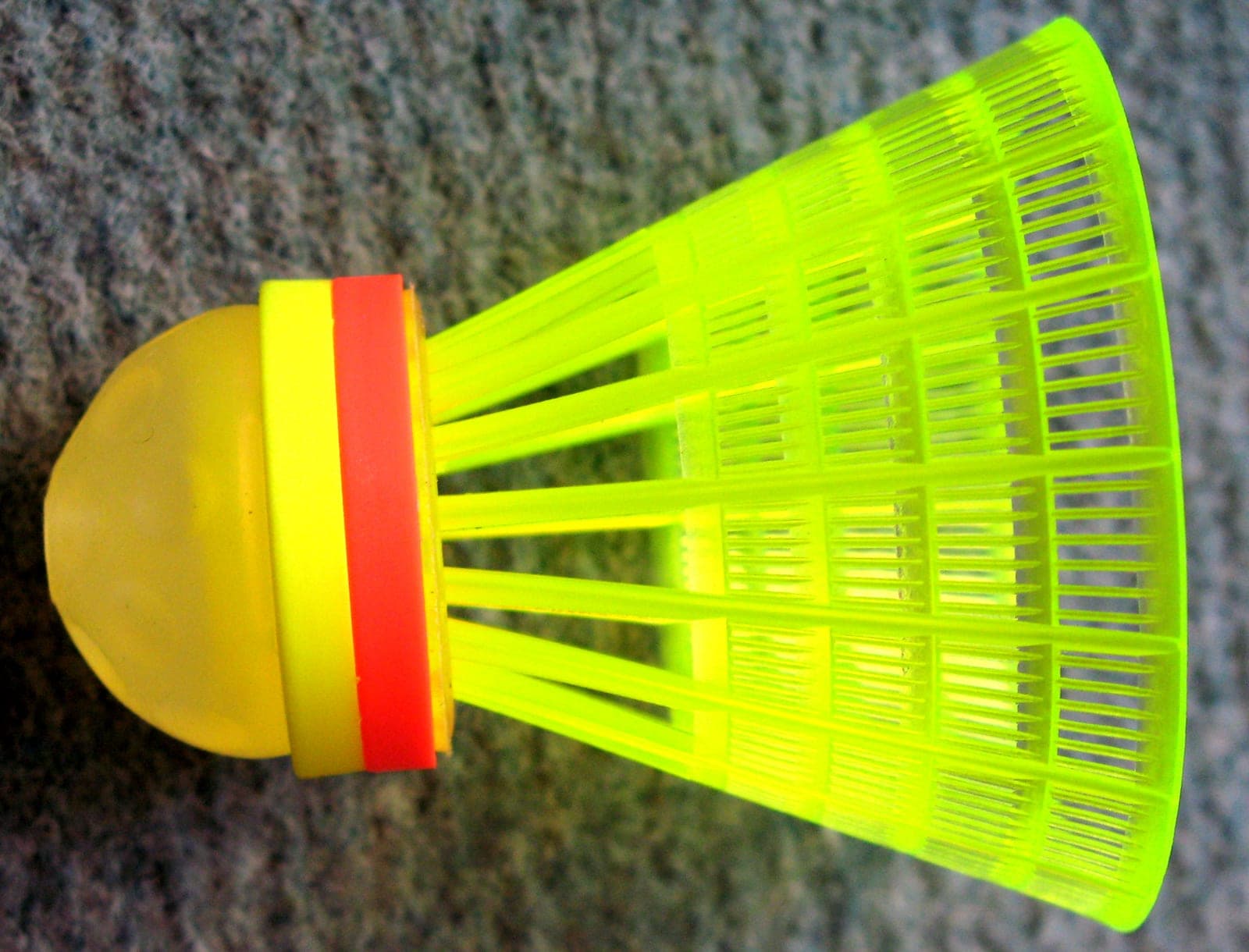
Badminton
A fast indoor racquet sport played with a shuttlecock that rewards agility and touch.
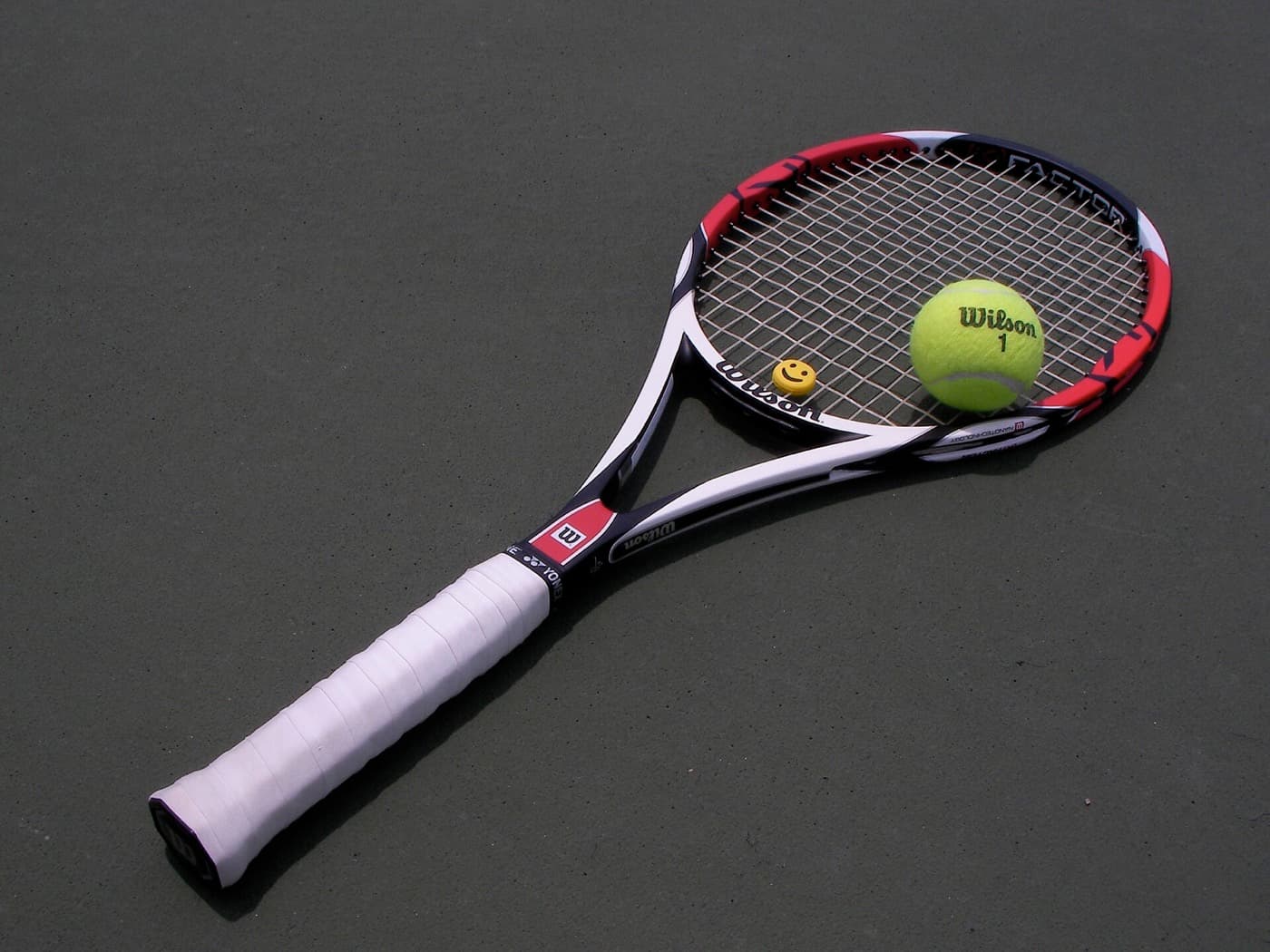
Tennis
A singles or doubles racquet sport that blends agility, strategy and stamina on court.
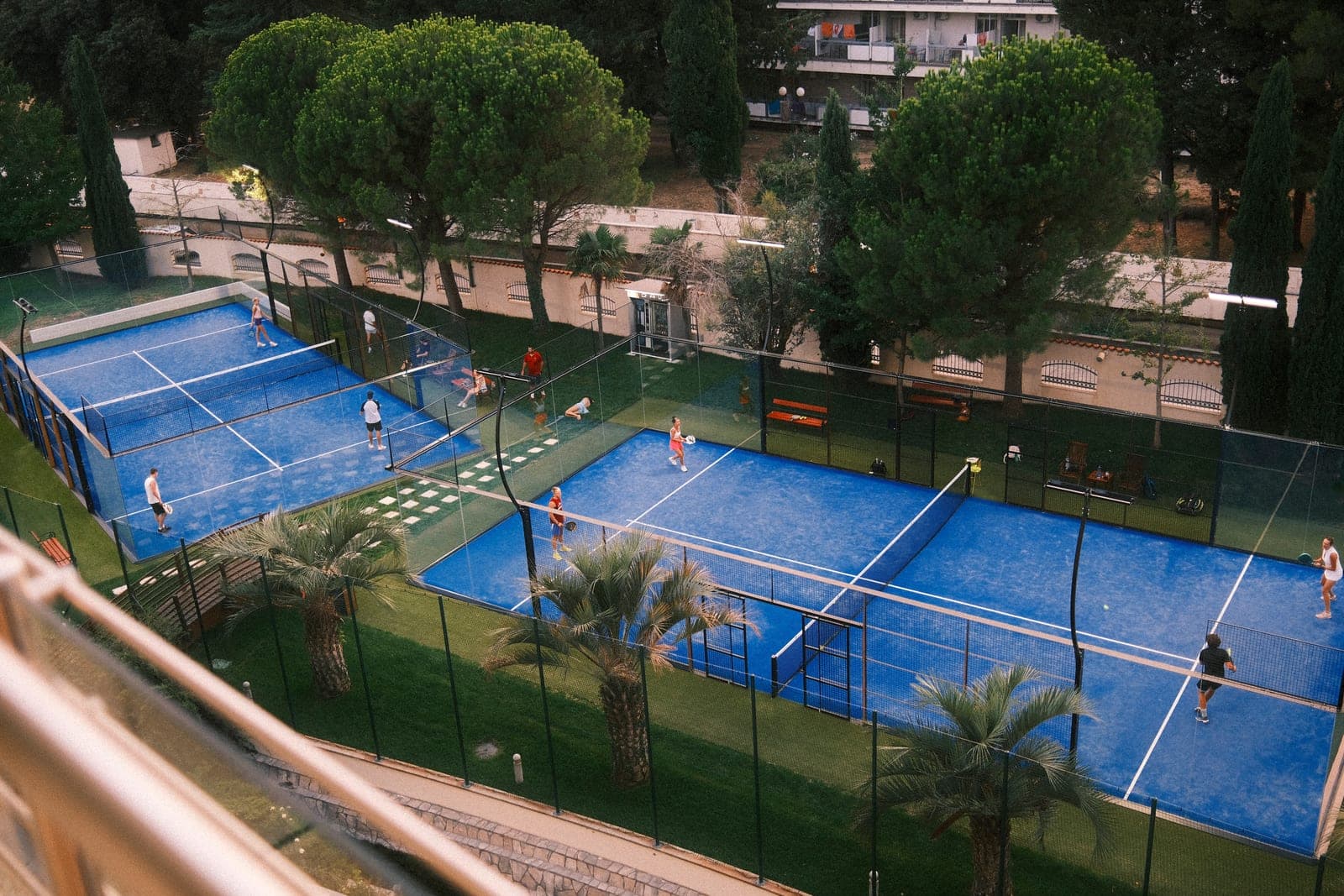
Padel
A sociable, doubles-first racquet sport played in an enclosed court where the walls stay in play.
Compare Squash with…
Deciding between Squash and something similar? See how they line up side by side.
Badminton vs Squash
How they compare on difficulty, intensity, kit and what suits you.
Padel vs Squash
How they compare on difficulty, intensity, kit and what suits you.
Racquetball vs Squash
How they compare on difficulty, intensity, kit and what suits you.
Squash vs Tennis
How they compare on difficulty, intensity, kit and what suits you.
Reach your goals with Squash
People take up Squash for all kinds of reasons. Here is what it can help you work towards.
Who & where Squash fits
Sport should fit your life. Here is who Squash suits and when it works.
How it connects
The meaning-bearing relationships that place Squash in the wider knowledge graph — each one with the reason it exists.
Alternative to
Comparable enough that people choose between them.
- BadmintonSquash and Badminton are close enough that the platform maintains a side-by-side comparison of them.
- PadelSquash and Padel are close enough that the platform maintains a side-by-side comparison of them.
- RacquetballSquash and Racquetball are close enough that the platform maintains a side-by-side comparison of them.
- TennisSquash and Tennis are close enough that the platform maintains a side-by-side comparison of them.
Helps achieve
A recognised route towards these goals.
Explore across the knowledge base
Follow the threads that connect Squash to the rest of SocialSportHub.
Glossary
- BackhandA stroke played with the back of the hand facing the direction of the shot, on the opposite side to the racquet arm.
- Drop shotA softly played shot designed to land just over the net, forcing the opponent to rush forward.
- ForehandA stroke played with the palm of the hand moving in the direction of the shot, on the racquet-arm side of the body.
- GrommetA small tube-shaped insert set into the holes of a racket frame that the strings pass through, protecting them from the frame's edges.
- LetA serve or rally that is replayed without penalty, often because a serve clips the net or a player is obstructed.
Recommendations
- Recommended for “Improve agility”Sports, qualities, a learning path and first steps for “Improve agility” — every suggestion a real graph link, shown with its reason.
- Recommended for “Improve reaction speed”Sports, qualities, a learning path and first steps for “Improve reaction speed” — every suggestion a real graph link, shown with its reason.
Movement patterns
- LungeA split-stance, single-leg-emphasis pattern: stepping or dropping into a staggered stance and pushing back up to build single-leg strength, balance and stability.
- RotationRotating the trunk to generate and transfer power through the body's kinetic chain, plus anti-rotation — resisting unwanted twist to keep the trunk stable.
- Change of DirectionA planned redirection of the body from one movement vector to another, requiring an athlete to decelerate existing momentum and reaccelerate along a new line between two known points.
- DecelerationThe athletic pattern of actively braking and absorbing momentum to slow or stop under control, producing eccentric forces that oppose the direction of travel.
- Shuffle (Lateral Shuffle)A low, athletic side-to-side stepping pattern in which the feet never cross, used to reposition and stay balanced and reactive while keeping the shoulders square to a target.
Coaching concepts
- Decision-Making PracticeTraining athletes to read cues and choose the right action under pressure — coupling perception to action, not just rehearsing physical technique in isolation.
- Constraints-Led PracticeA coaching approach that adjusts the task, environment or rules so a desired movement or decision emerges in practice, rather than being explicitly instructed.
- Transfer of TrainingWhether practice carries over to real performance — and why game-like, varied practice tends to transfer better than isolated, repetitive drills.
- Practice VariabilityVarying practice conditions — spacing, interleaving skills and changing situations — to build adaptable, durable skill, even when it feels harder day to day.
Go deeper with Squash
Everywhere else on the platform that covers Squash — assembled from what actually references it, so nothing here is a dead end.
Work it out
Deterministic calculators — real published formulas, no estimates dressed as data.
Compare it
Head-to-head studies against the entities people actually weigh it against.
Kit it out
Equipment guidance drawn from the graph, with no brands and no affiliate links.
Take it away
Open data and the whole-platform view of this subject.
How this page is maintained
- Content type
- Sport
- Provenance
- Tier A — evergreen educational
- Verified external sources
- 0
- Content updated
- 2026-07-06
Evergreen, first-party explanation — it makes no claim that needs an external source. How we handle sources and reviews.
Keep going
A sport is most rewarding alongside good habits, sensible nutrition and people to share it with. Here is where to go next.
How movement supports body and mind.
Eat well to feel and perform better.
Build routines that stick.
Ways to meet others and play together.
Where to play and what to expect.
Browse the full list by category.