
Decision-Making Practice
Training athletes to read cues and choose the right action under pressure — coupling perception to action, not just rehearsing physical technique in isolation.
Overview
Decision-making practice treats a skill as more than a movement to be executed; it is the ability to pick the right action at the right moment. In open, unpredictable sports the situation is constantly changing, so what makes a performer effective is how well perception — reading space, opponents, teammates and the flight of the ball — is coupled to action, whether that is a pass, a shot, a tackle or a shift of position. Practising a movement in isolation can build a clean technique that still breaks down in competition because the athlete cannot see when or where to use it. Decision-making practice deliberately keeps the information that guides the choice present while the skill is rehearsed.
The core idea is representative practice: designing tasks that preserve the key perceptual information and time pressure of the real activity so that reading and choosing are trained together with execution. Small-sided games, live or semi-live opponents, varied scenarios and simple constraints on rules, space or numbers force performers to search for cues, anticipate what is likely to happen, commit to a decision and then experience the consequence. Over time this tends to build what coaches often call game intelligence — faster and more accurate reading and more appropriate choices — which is widely regarded as a distinguishing feature of skilled performers in dynamic sports.
In practice
- Perception coupled to action: keep the cues that guide a choice present while the skill is practised, because decisions rehearsed apart from the movement rarely transfer back into the game.
- Representative design: practise in conditions that resemble competition — genuine opponents, relevant space and time pressure — so the athlete reads real information rather than responding to a pre-decided signal.
- Anticipation over raw reaction: skilled decision-makers pick up early cues such as body shape, positioning and ball flight to prepare a response sooner, which often matters more than pure reaction speed.
- Variability and real options: mixing scenarios and offering genuine alternatives — pass, dribble or shoot; attack or hold — trains the performer to select an action rather than repeat one fixed answer.
- Consequences and feedback: letting decisions play out and reflecting on why an option worked or failed sharpens future reads, and guided questioning tends to help performers discover the relevant cues for themselves.
A note on this information
What it applies to
Decision-Making Practice shapes how you develop these across the platform.
Sports where it matters
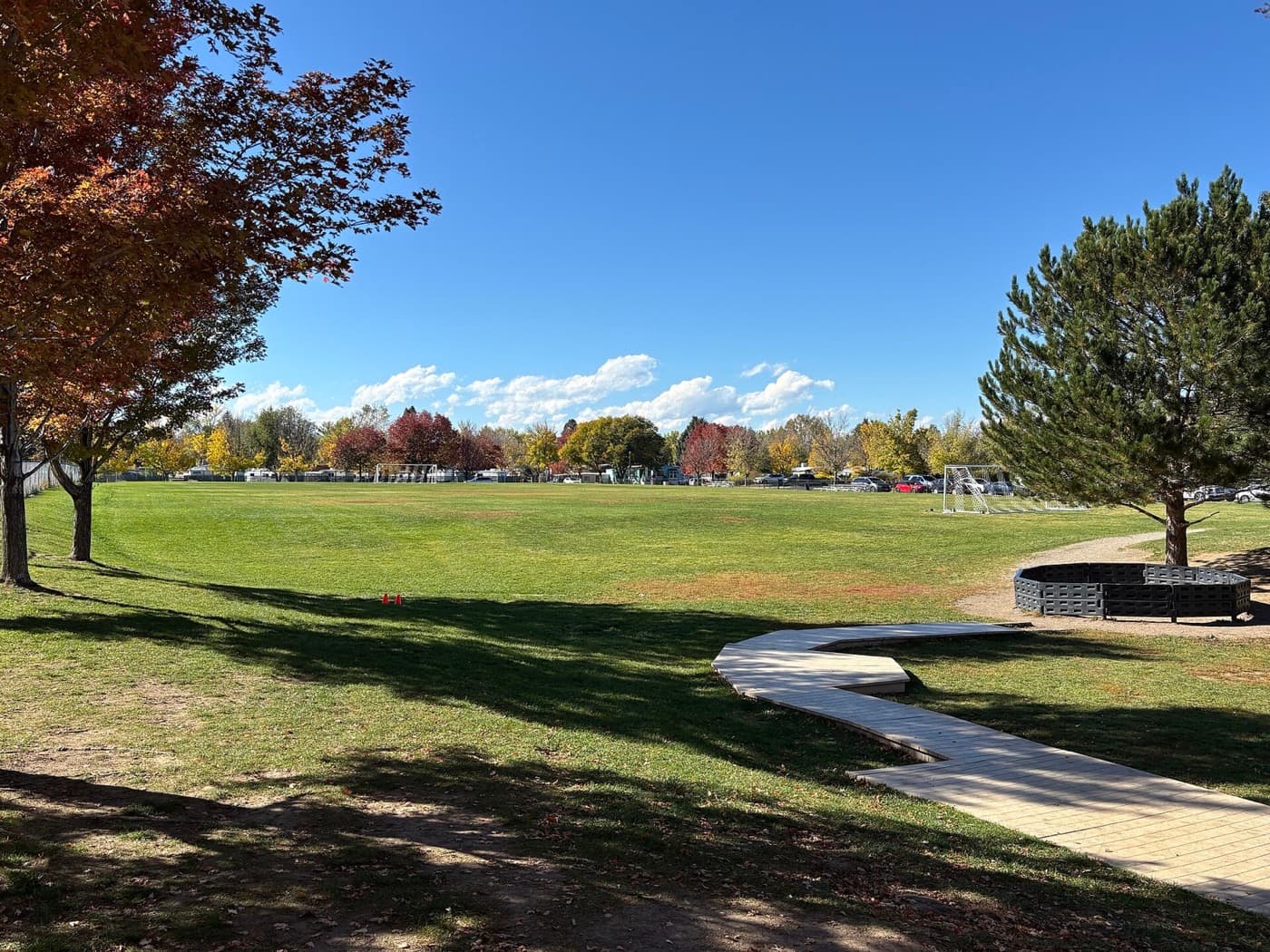
Football
The world’s most popular team sport — endless running, teamwork and community in one game.
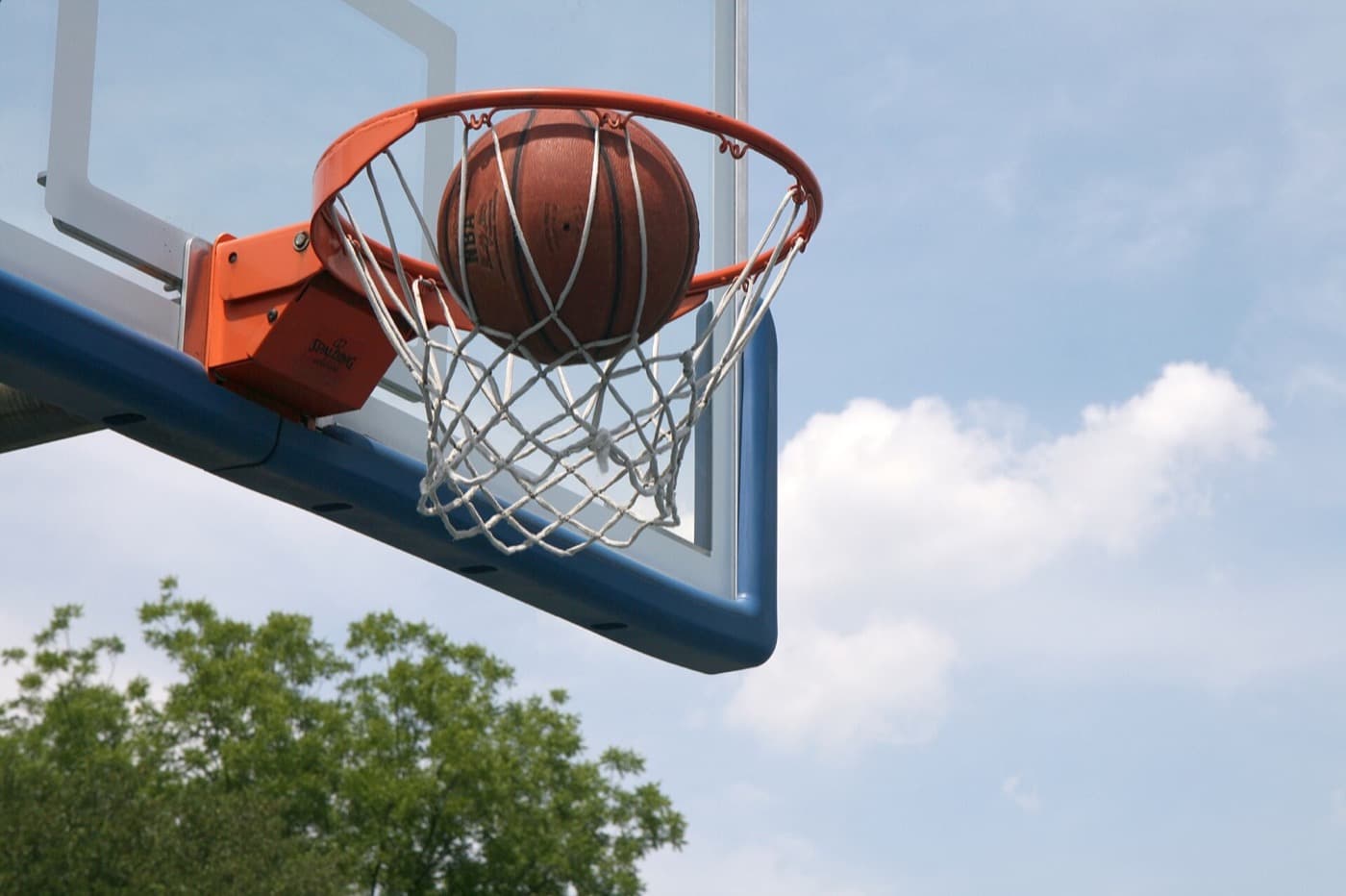
Basketball
A fast, dynamic team sport of running, jumping and quick decisions on court.
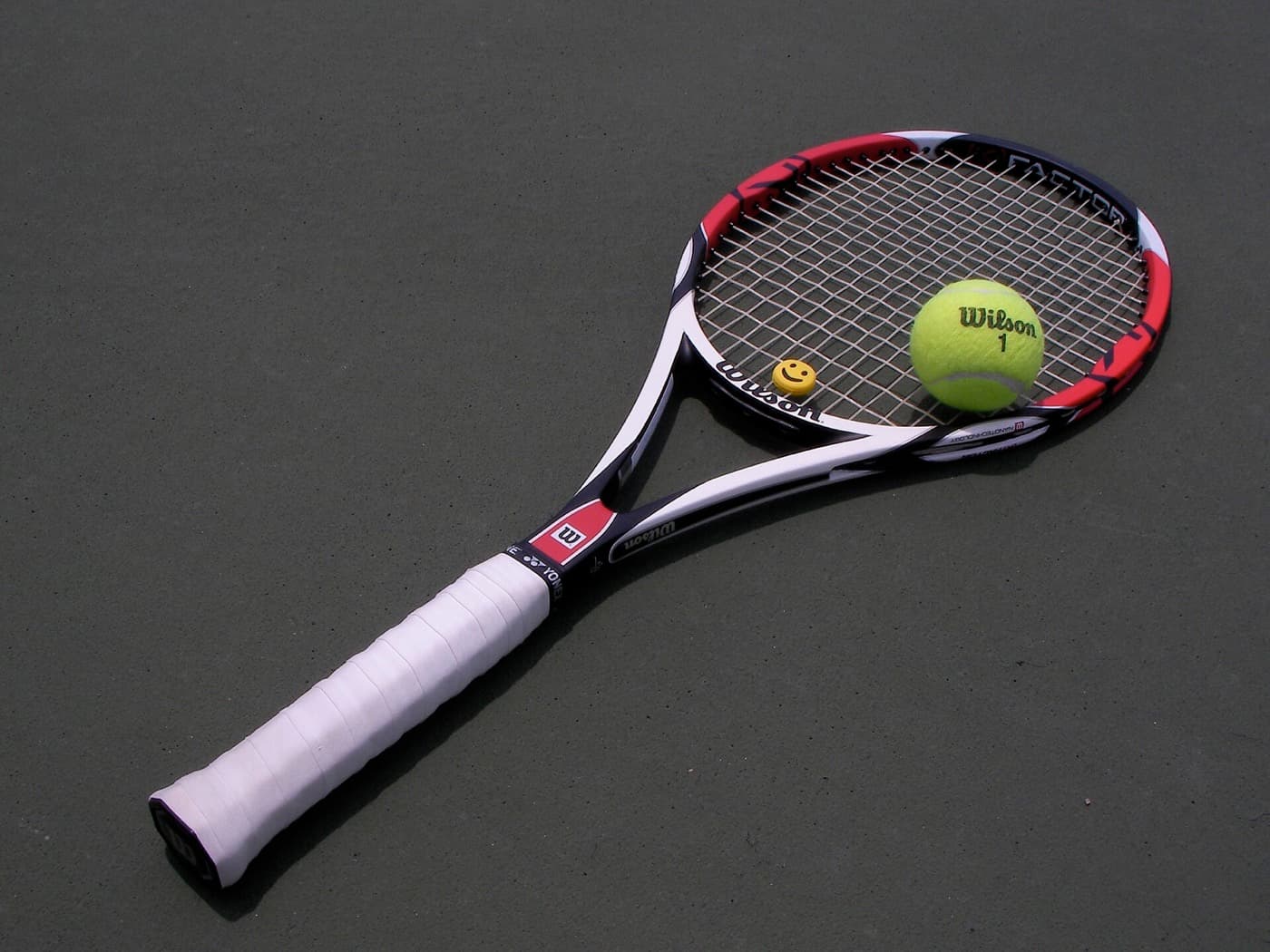
Tennis
A singles or doubles racquet sport that blends agility, strategy and stamina on court.
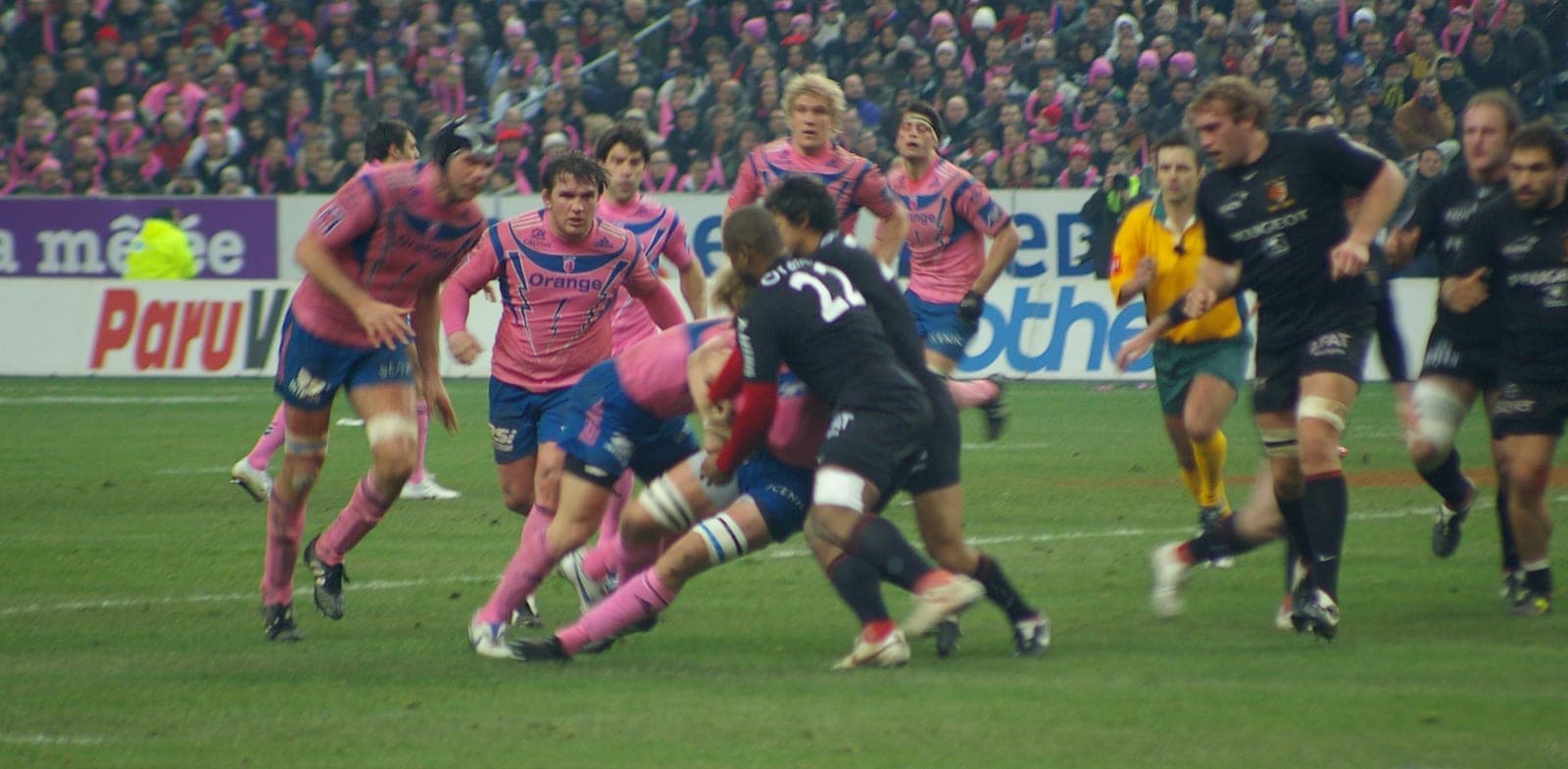
Rugby
A physical team sport of carrying, passing and kicking an oval ball toward the opposing line.
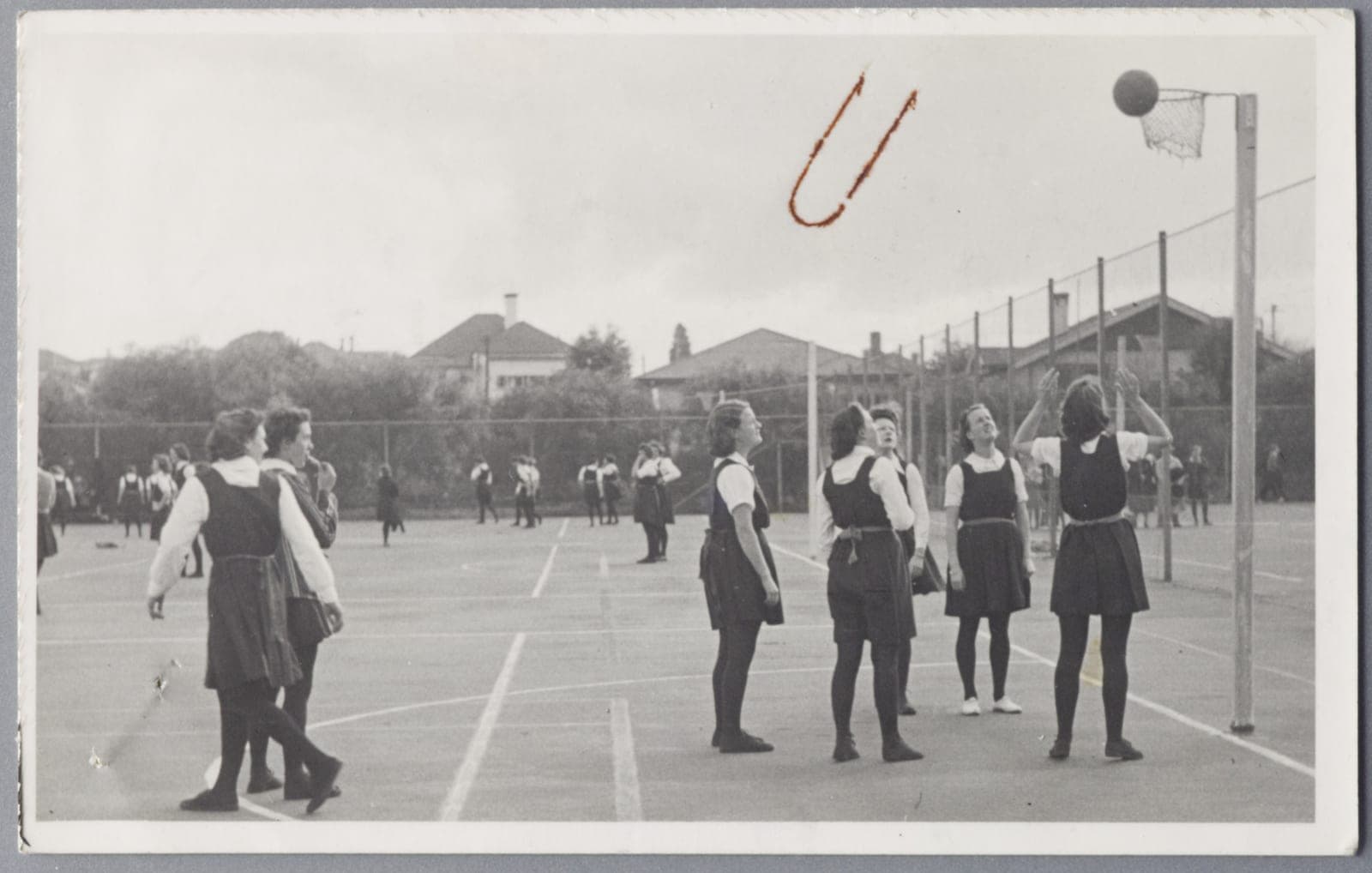
Netball
A non-contact, position-based team sport of quick passing and accurate shooting.
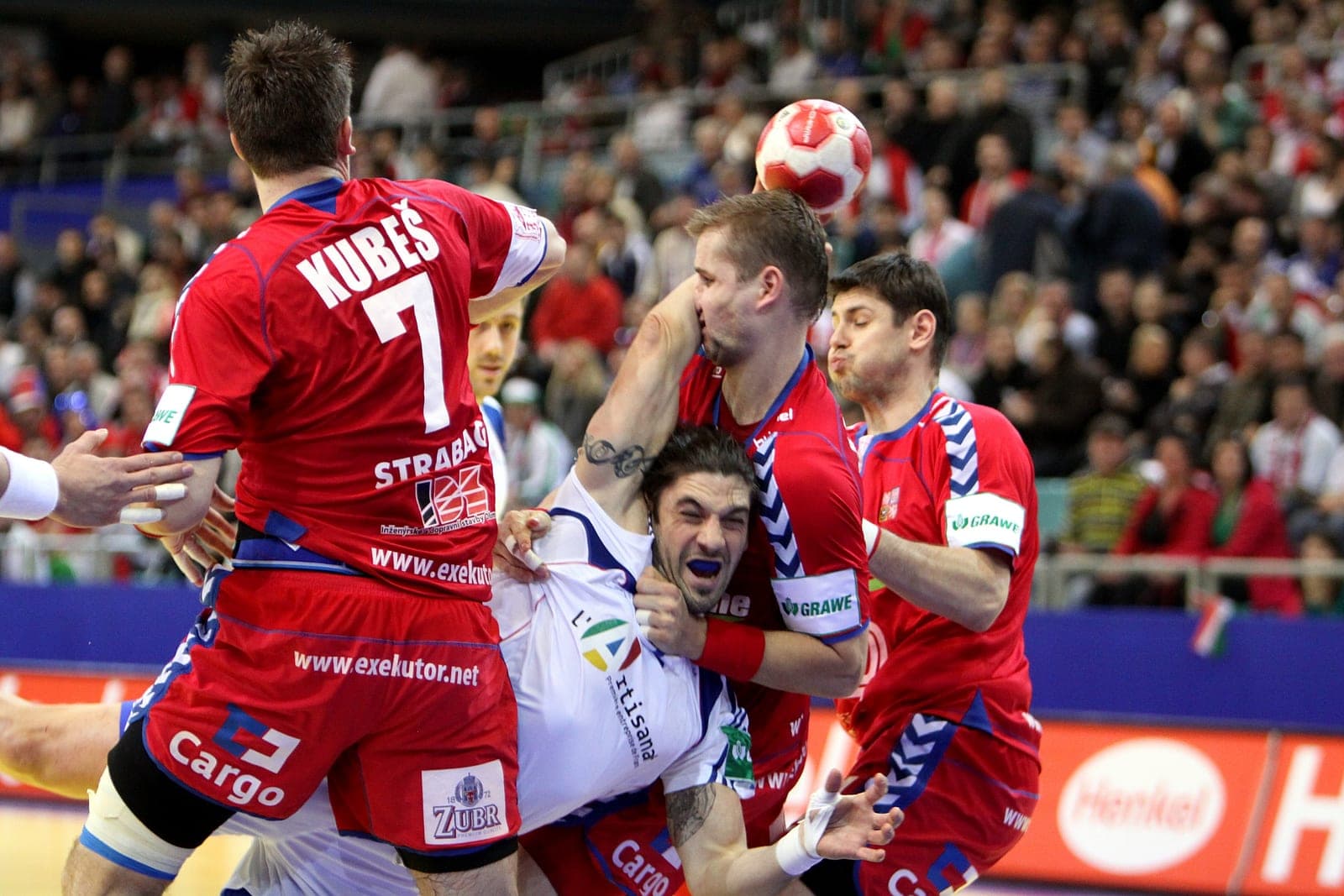
Handball
A fast indoor team sport of passing, jumping and throwing to score with the hands.
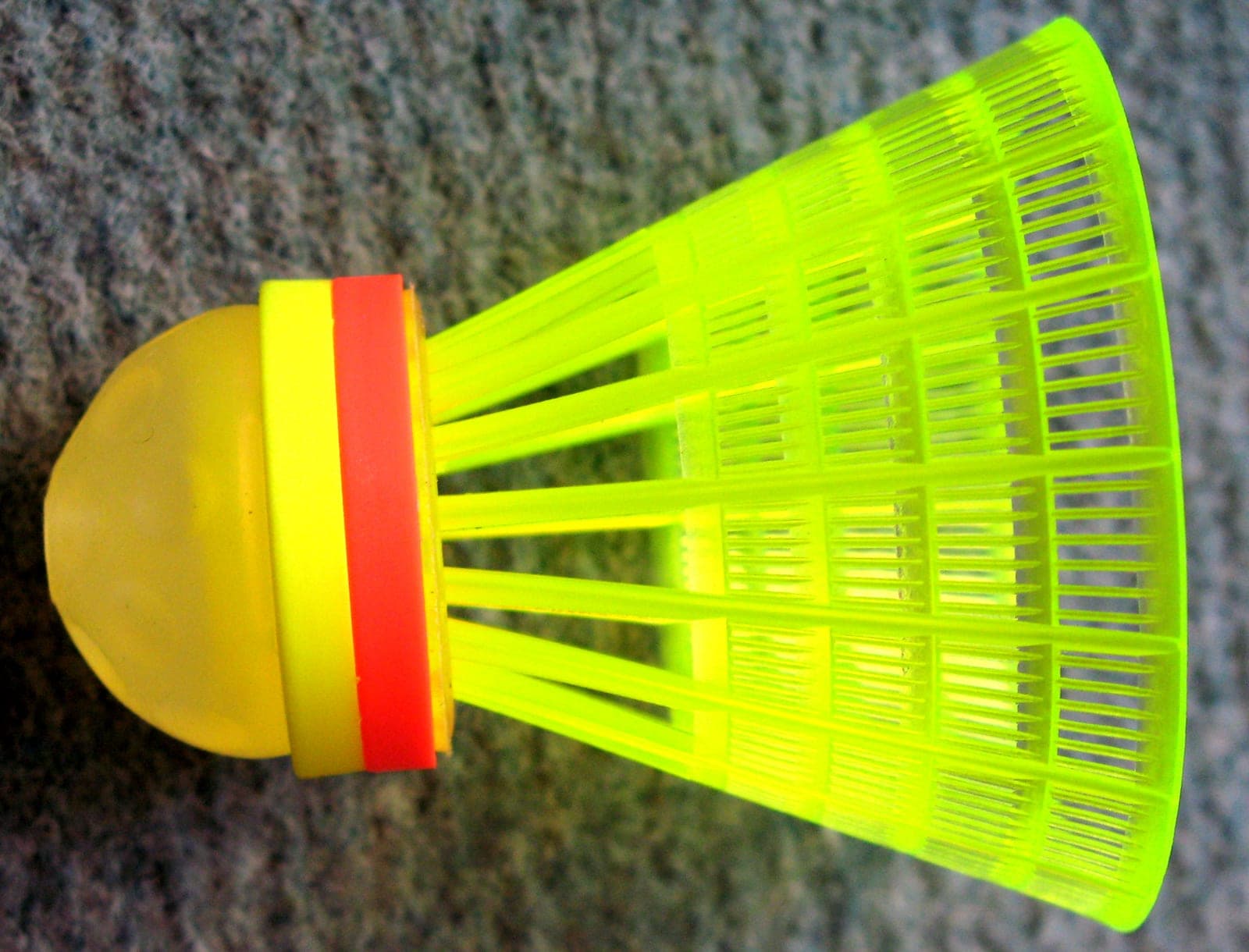
Badminton
A fast indoor racquet sport played with a shuttlecock that rewards agility and touch.
Squash
A fast, high-intensity indoor racquet sport played inside an enclosed court where the walls stay in play.
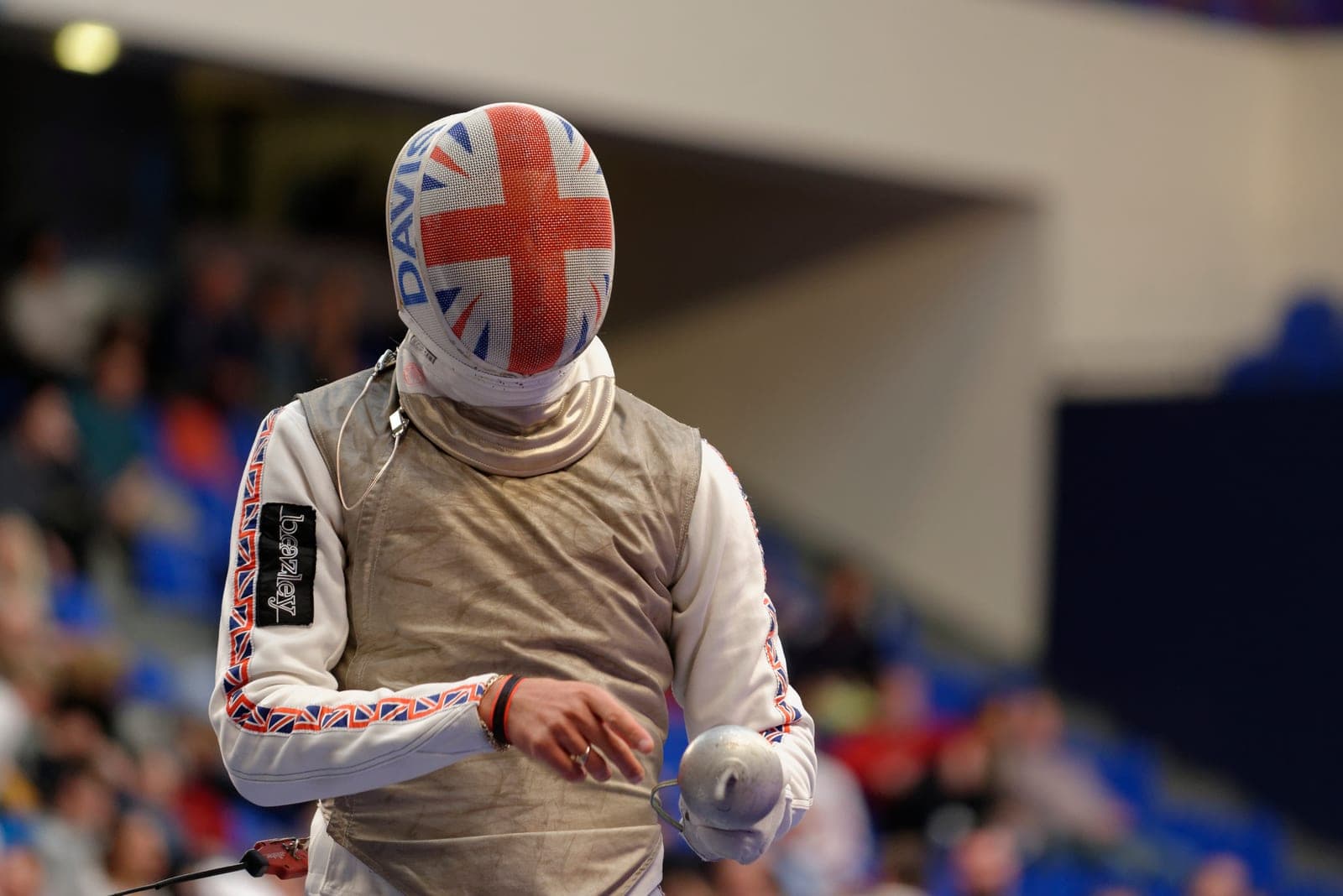
Fencing
A fast, tactical combat sport of controlled blade play that blends quick footwork with split-second decisions.
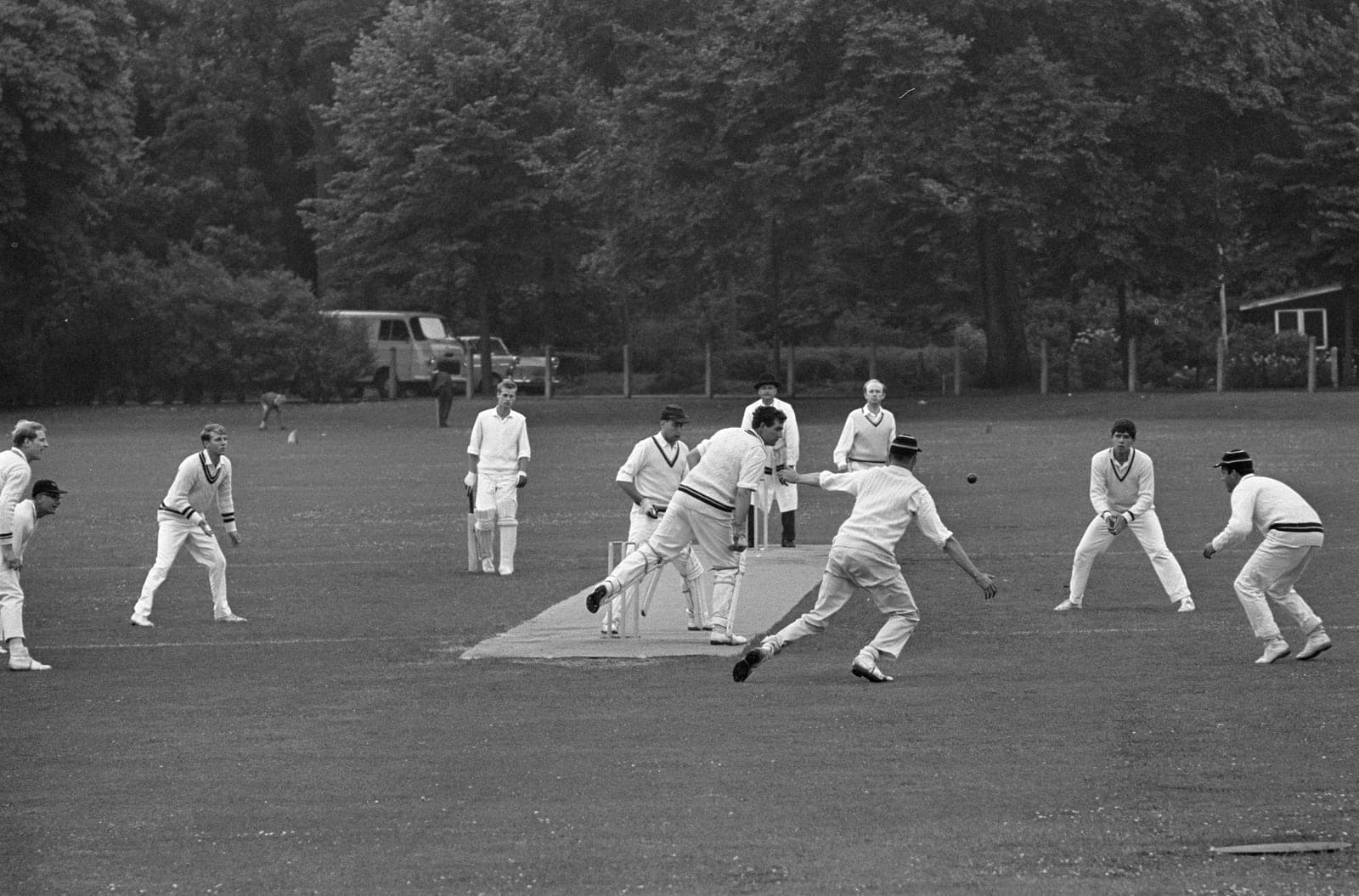
Cricket
A bat-and-ball team sport where sides take turns to bat and to bowl and field, scoring runs.
Explore across the knowledge base
Follow the threads that connect Decision-Making Practice to the rest of SocialSportHub.
Skills
- RallyingThe skill of exchanging shots back and forth to build and win a point.
- Net playThe skill of controlling points close to the net with volleys and touch shots.
- ShootingThe skill of striking or releasing the ball toward the goal or basket to score.
- TacklingThe skill of legally challenging an opponent to win the ball or stop their progress.
- DiggingThe volleyball skill of controlling a hard-driven ball low to keep it in play.
Sports science
Decision making
- AnticipationForming an expectation of what is likely to happen next, and starting to prepare for it before it does.
- Shot selectionChoosing which shot to play from the options available — weighing the situation, the risk and what you are trying to achieve.
- Pass selectionChoosing which pass to play, and to whom, from the options a moment offers — weighing space, risk and what the team is trying to do.
- Risk assessmentWeighing what an action could gain against how likely it is to fail and what failure would cost — the judgement behind choosing a safe or an ambitious option.
- Positioning choicesDeciding where to place yourself — often before the ball arrives — to cover space, stay ready to act and shape what an opponent can do.
Practice & sessions
- Open-play sessionA turn-up-and-play session of informal, often social games — less structured than practice, focused on playing rather than drilling.
- Decision-making sessionA session built around choosing well under pressure — reading the situation and picking the right option, not just executing a skill.
How this page is maintained
- Content type
- Coaching concept
- Provenance
- Tier A — evergreen educational
- Verified external sources
- 0
- Content updated
- 2026-07-09
Evergreen, first-party explanation — it makes no claim that needs an external source. How we handle sources and reviews.