
Fencing
The fast, tactical sport of the blade
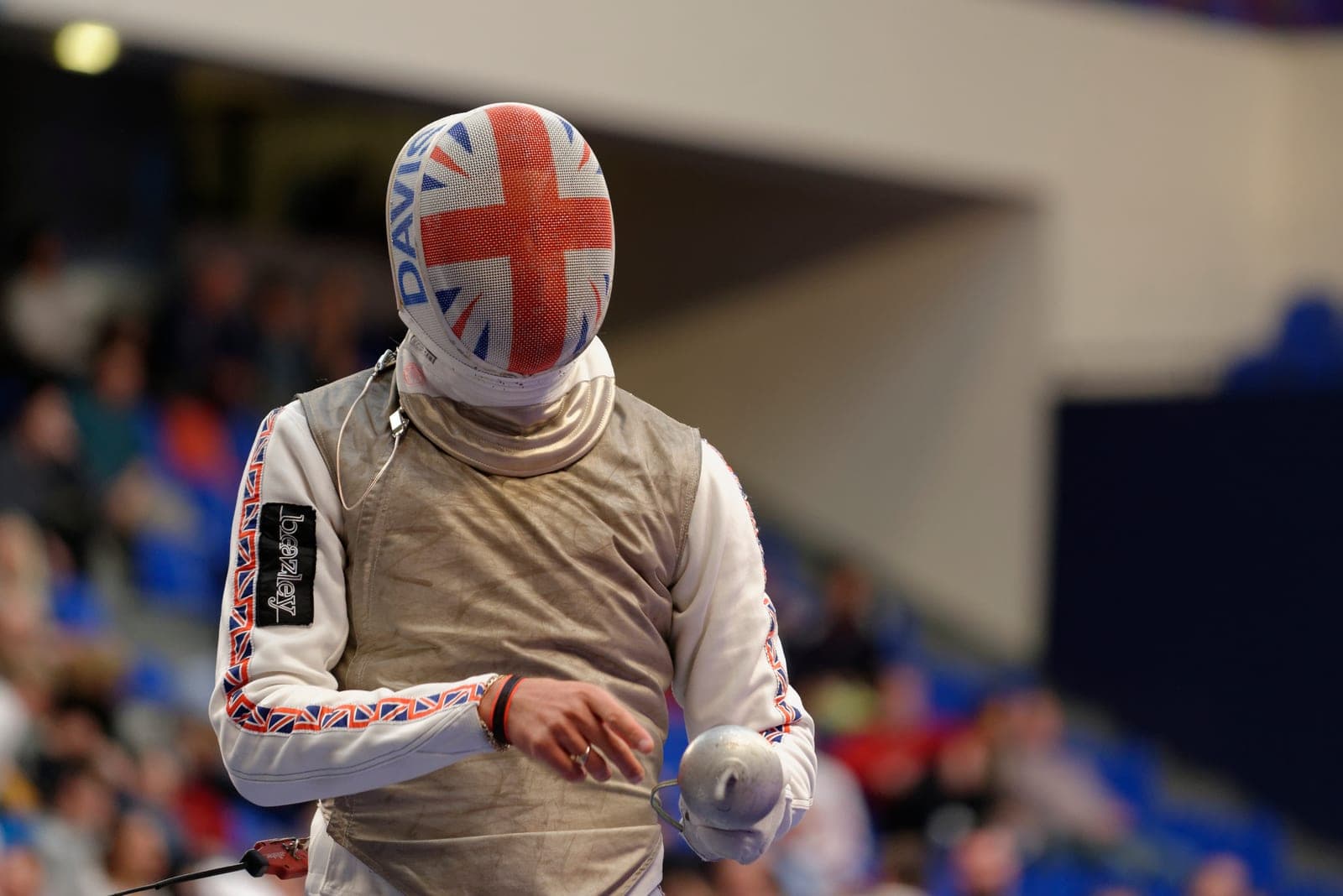

Overview
Fencing is a combat sport in which two competitors face off with a light sword, scoring touches on a defined target area using controlled, precise technique. Wearing protective kit, they duel back and forth along a narrow strip, advancing and retreating as they look for an opening. There are different forms, each with its own blade and rules.
Often described as physical chess, fencing rewards quick thinking as much as quick feet, with each touch decided in a fraction of a second. Protective equipment and qualified coaching make it a safe and highly structured way to learn a classic discipline.
Why fencing is good for your health
- Explosive lunges and footwork build leg strength and agility
- Sharpens reaction time, focus and decision-making
- Improves balance, coordination and core stability
- Bursts of effort with recovery build all-round conditioning
Physical qualities you’ll build
Fencing is especially good for developing these qualities:
The social side
- Clubs pair you with a range of opponents to learn from
- A strong tradition of etiquette and respect between fencers
- Coached group sessions make it easy to meet other beginners
How to start as a beginner
- 1Join a club that offers beginner courses and loans equipment
- 2Learn the on-guard stance, footwork and a safe, controlled lunge
- 3Practise blade drills before fencing full bouts
- 4Always fence in proper protective kit under a coach
Equipment you’ll need
- A fencing swordEssentialClubs usually lend blades to beginners
- Protective maskEssential
- Fencing jacket and gloveEssential
- Comfortable sportswear and trainersOptional
Where to play
Fencing is typically played at:
Explore clubs and venues to understand the different places you can play, or see how to find people to play with.
Fencing disciplines
Fencing isn’t one thing — it takes several distinct forms, each with its own character. Explore the disciplines within it.
Playing Fencing
The equipment, rules, skills and more that make up the game — each cross-linked into the encyclopedia.
Related sports to explore
If you enjoy Fencing, you might also like these.
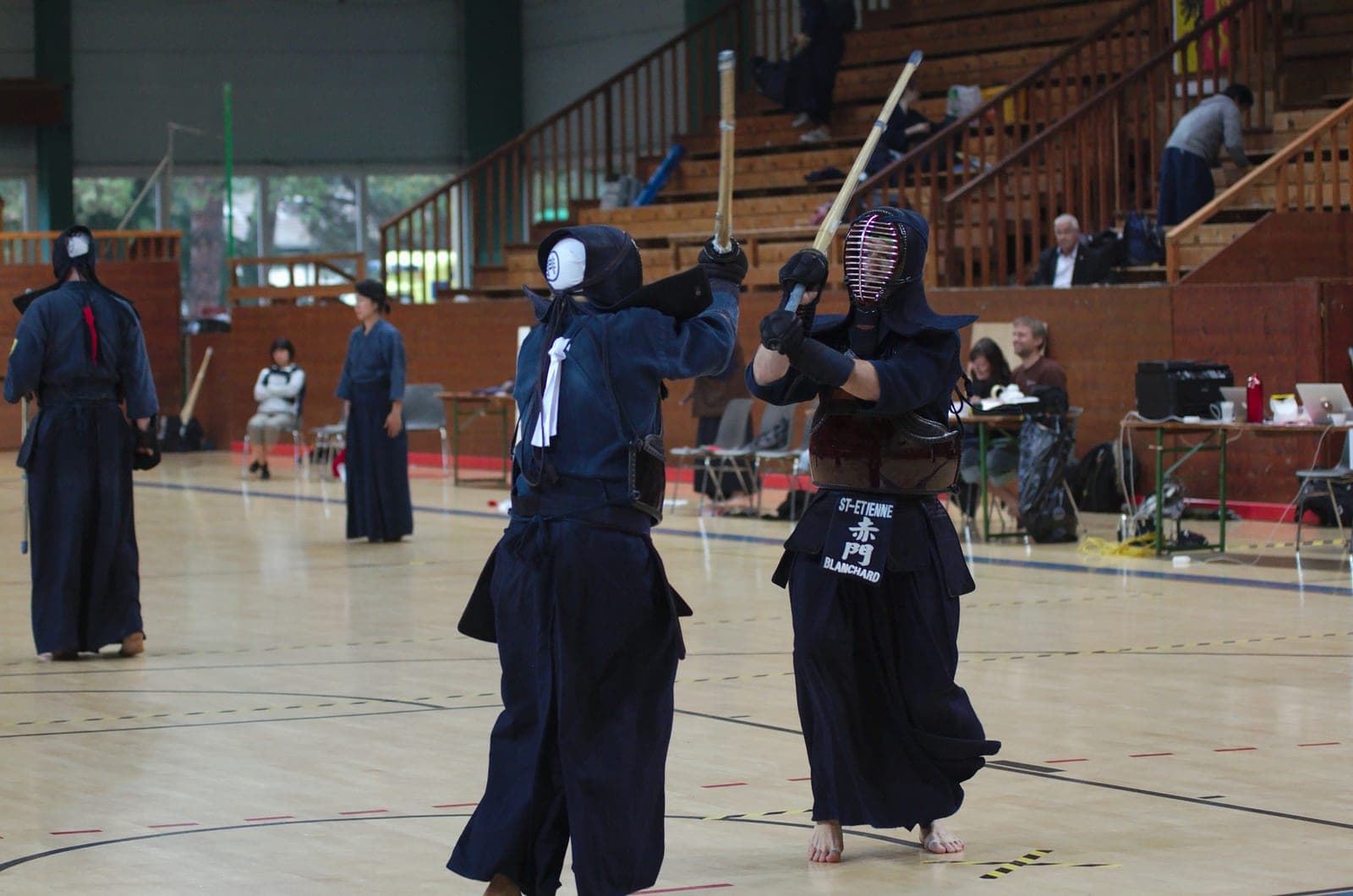
Kendo
A Japanese martial art of disciplined sword practice using a bamboo sword and protective armour.
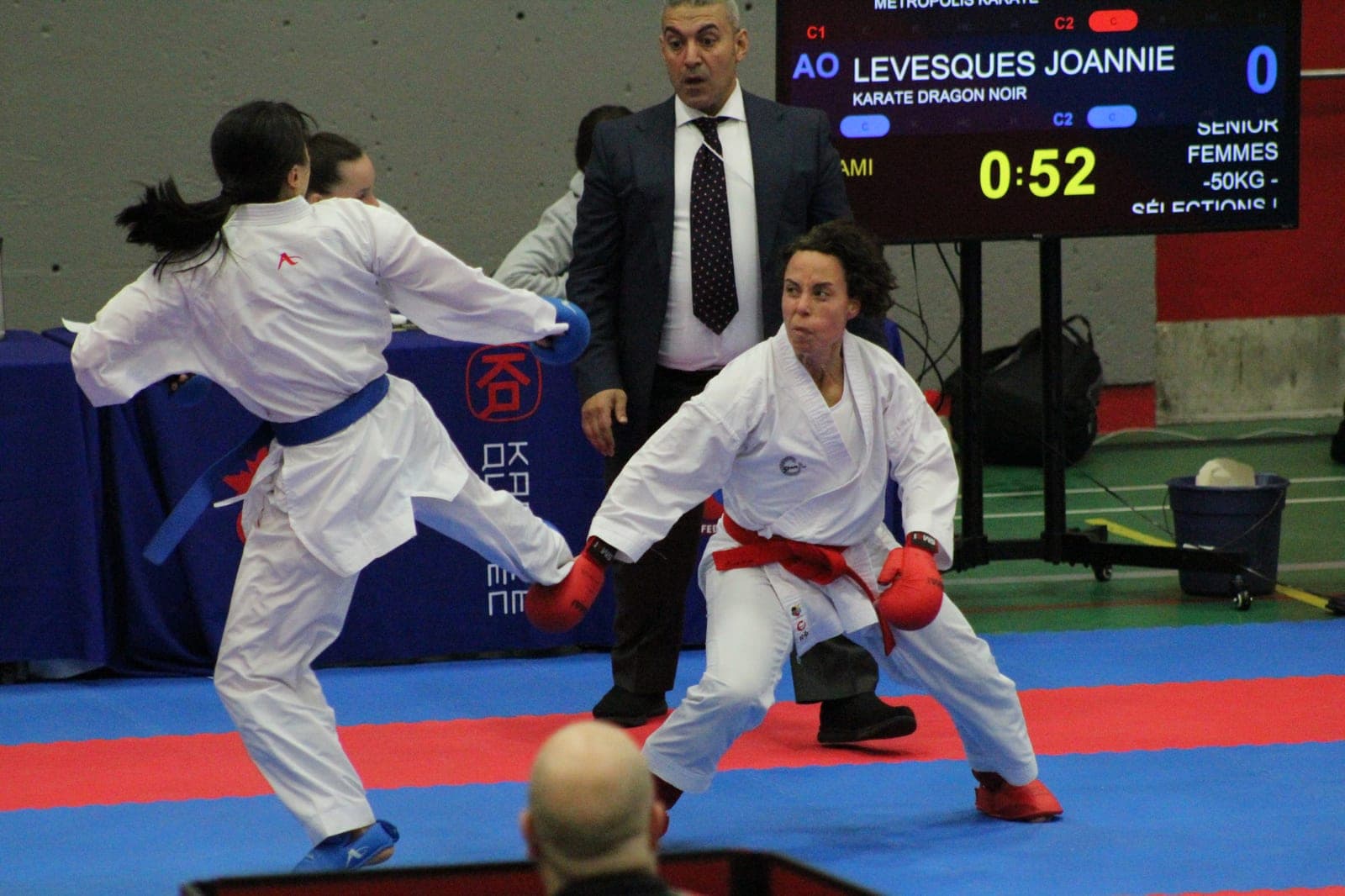
Karate
A striking martial art of punches, kicks and forms, structured around steady progression for all ages.
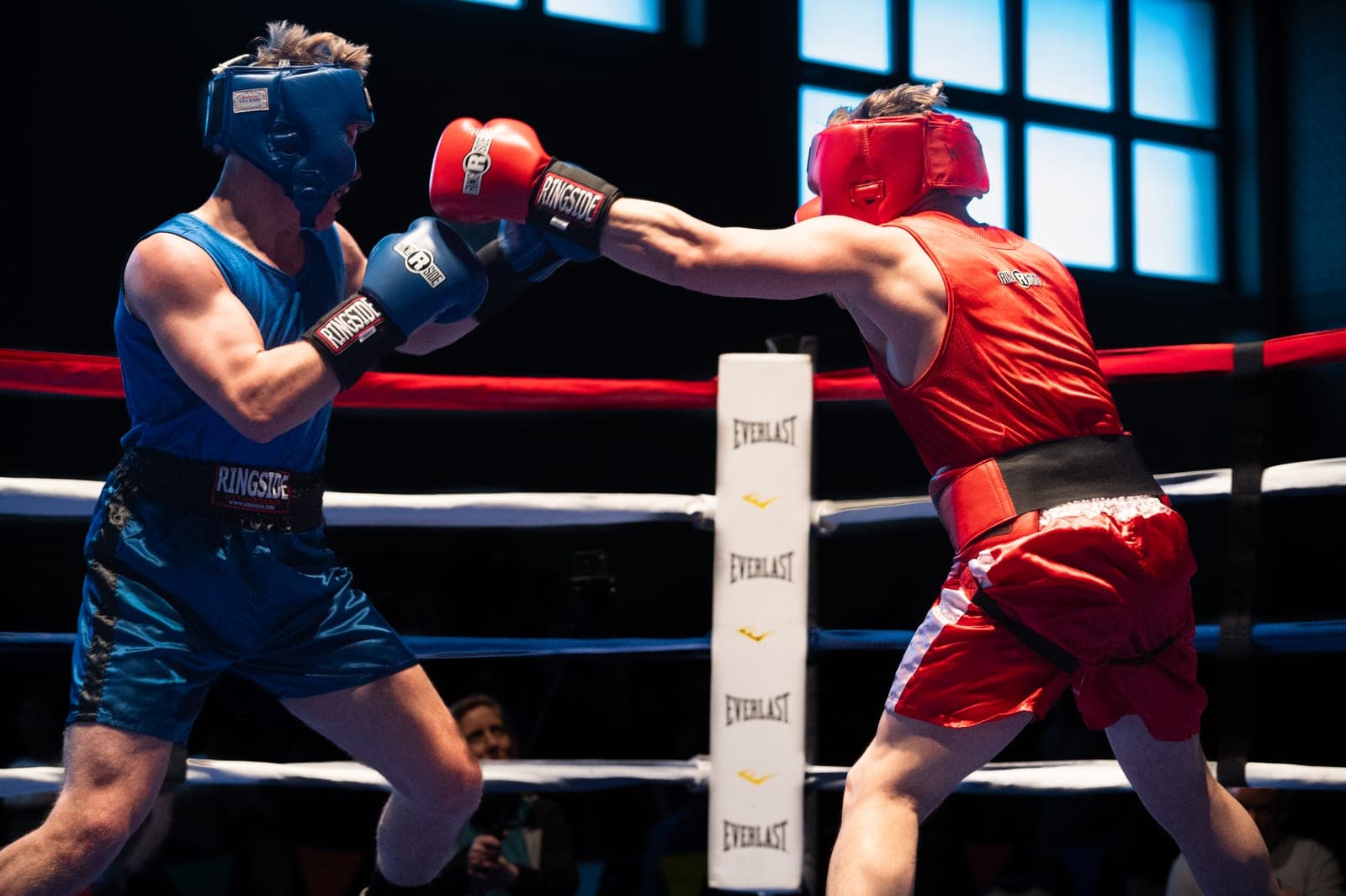
Boxing
A striking combat sport built on footwork, timing and conditioning, practised from fitness drills to controlled sparring.
Compare Fencing with…
Deciding between Fencing and something similar? See how they line up side by side.
Reach your goals with Fencing
People take up Fencing for all kinds of reasons. Here is what it can help you work towards.
How it connects
The meaning-bearing relationships that place Fencing in the wider knowledge graph — each one with the reason it exists.
Alternative to
Comparable enough that people choose between them.
- BoxingFencing and Boxing are close enough that the platform maintains a side-by-side comparison of them.
- KarateFencing and Karate are close enough that the platform maintains a side-by-side comparison of them.
- KendoFencing and Kendo are close enough that the platform maintains a side-by-side comparison of them.
Helps achieve
A recognised route towards these goals.
Explore across the knowledge base
Follow the threads that connect Fencing to the rest of SocialSportHub.
Glossary
- PisteThe narrow strip a fencing bout takes place on; also a marked, prepared ski run.
- SetterA volleyball position that takes the team's second touch to set the ball up for an attacker.
- DrillA drill is a structured, repeatable practice activity designed to develop a specific skill, movement, or tactical pattern.
- BatAn implement used to strike the ball, from the willow blade of cricket to the rounded baseball bat and, in British usage, the table-tennis paddle.
Recommendations
- Recommended for “Improve reaction speed”Sports, qualities, a learning path and first steps for “Improve reaction speed” — every suggestion a real graph link, shown with its reason.
- Recommended for “Compete on your own”Sports, qualities, a learning path and first steps for “Compete on your own” — every suggestion a real graph link, shown with its reason.
Coaching concepts
- Deliberate PracticeFocused, effortful practice that targets a specific weakness with full attention and immediate feedback — not just repeating what you already do well.
- Decision-Making PracticeTraining athletes to read cues and choose the right action under pressure — coupling perception to action, not just rehearsing physical technique in isolation.
Decision making
Go deeper with Fencing
Everywhere else on the platform that covers Fencing — assembled from what actually references it, so nothing here is a dead end.
Compare it
Head-to-head studies against the entities people actually weigh it against.
Kit it out
Equipment guidance drawn from the graph, with no brands and no affiliate links.
Take it away
Open data and the whole-platform view of this subject.
How this page is maintained
- Content type
- Sport
- Provenance
- Tier A — evergreen educational
- Verified external sources
- 0
- Content updated
- 2026-07-06
Evergreen, first-party explanation — it makes no claim that needs an external source. How we handle sources and reviews.
Keep going
A sport is most rewarding alongside good habits, sensible nutrition and people to share it with. Here is where to go next.
How movement supports body and mind.
Eat well to feel and perform better.
Build routines that stick.
Ways to meet others and play together.
Where to play and what to expect.
Browse the full list by category.