
Time-pressure decisions
Choosing what to do when there is very little time between reading a situation and having to act.
Overview
Time-pressure decisions are the choices players face when the moment gives them almost no time to think — a fast serve to return, a defender closing down, a gap that is open for only a heartbeat. The shortage of time is the defining feature: the same choice made in a calm moment becomes a different problem when there is barely time to make it.
Under real time pressure, players tend to lean on what they have already read and rehearsed rather than working everything out from scratch, and the menu of options often narrows to a few well-practised ones. How much pressure there is depends entirely on the sport, the level and the moment, so this is a contextual idea rather than a fixed rule — and it describes the shortage of time, not how quickly a player happens to choose.
How it works
- It is deciding when there is very little time between reading a situation and having to act.
- Under pressure, players tend to rely on anticipation and prior reading rather than fresh calculation in the moment.
- The realistic options often shrink to a few well-practised choices — there is rarely time to weigh everything.
- It describes the external shortage of time, which is distinct from how fast a given player chooses.
- How much time pressure exists varies by sport, level and moment — it is not a fixed quantity.
In play
- In fast racket sports like table tennis or badminton, returning a quick serve can leave only a fraction of a second, so much of the decision is effectively prepared in advance.
- In football or basketball, a closing defender compresses the time to choose, which often nudges a player toward a simpler, safer option.
- In endurance events the pressure looks different — a late decision to respond to a surge is limited by how the race is unfolding rather than by an opponent's reach.
Educational — and it varies
Where it shows up
Sports where this decision is especially visible — each with a clear guide.
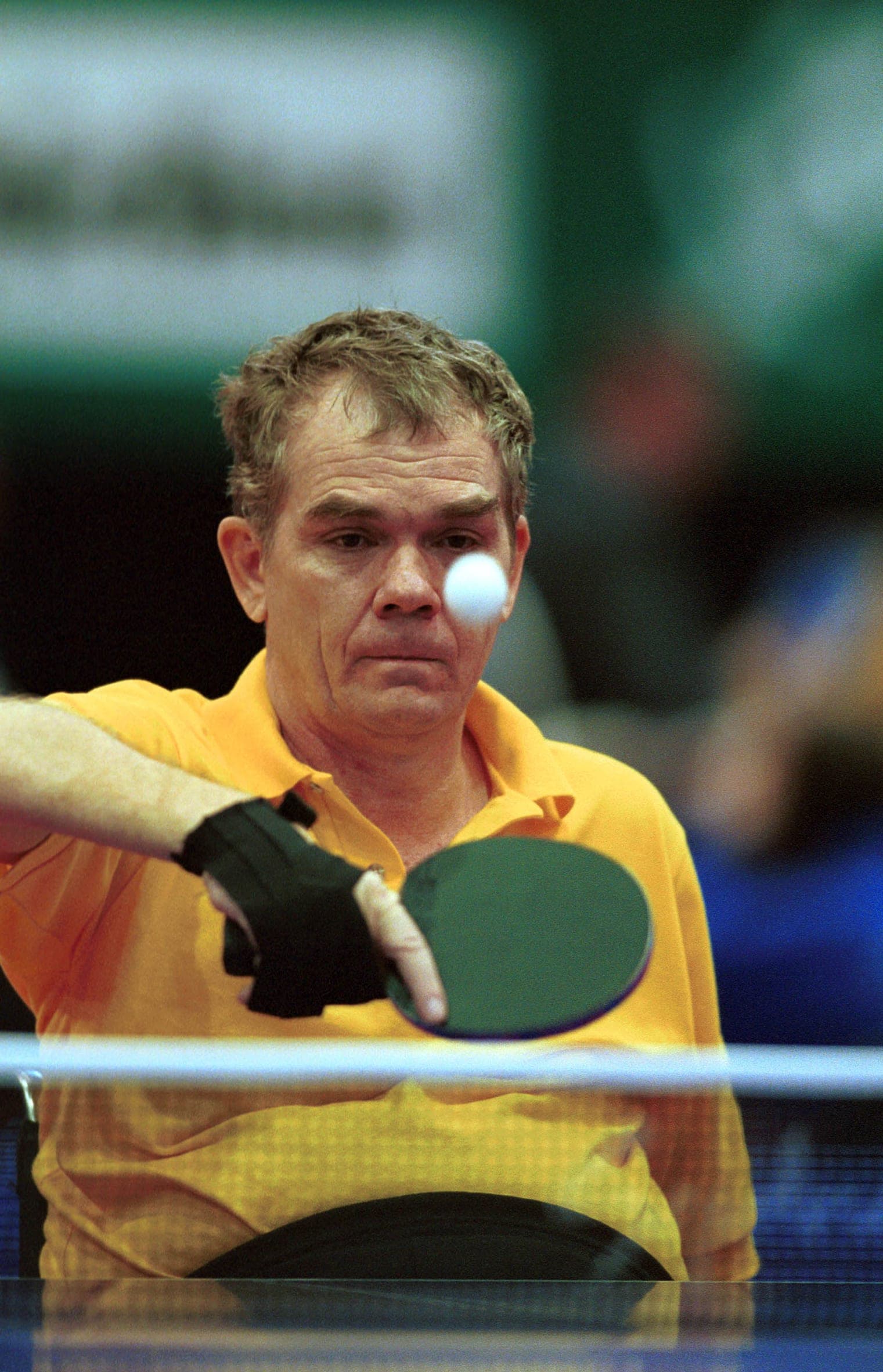
Table Tennis
A fast, low-impact indoor racquet sport that sharpens reflexes and is easy to start.
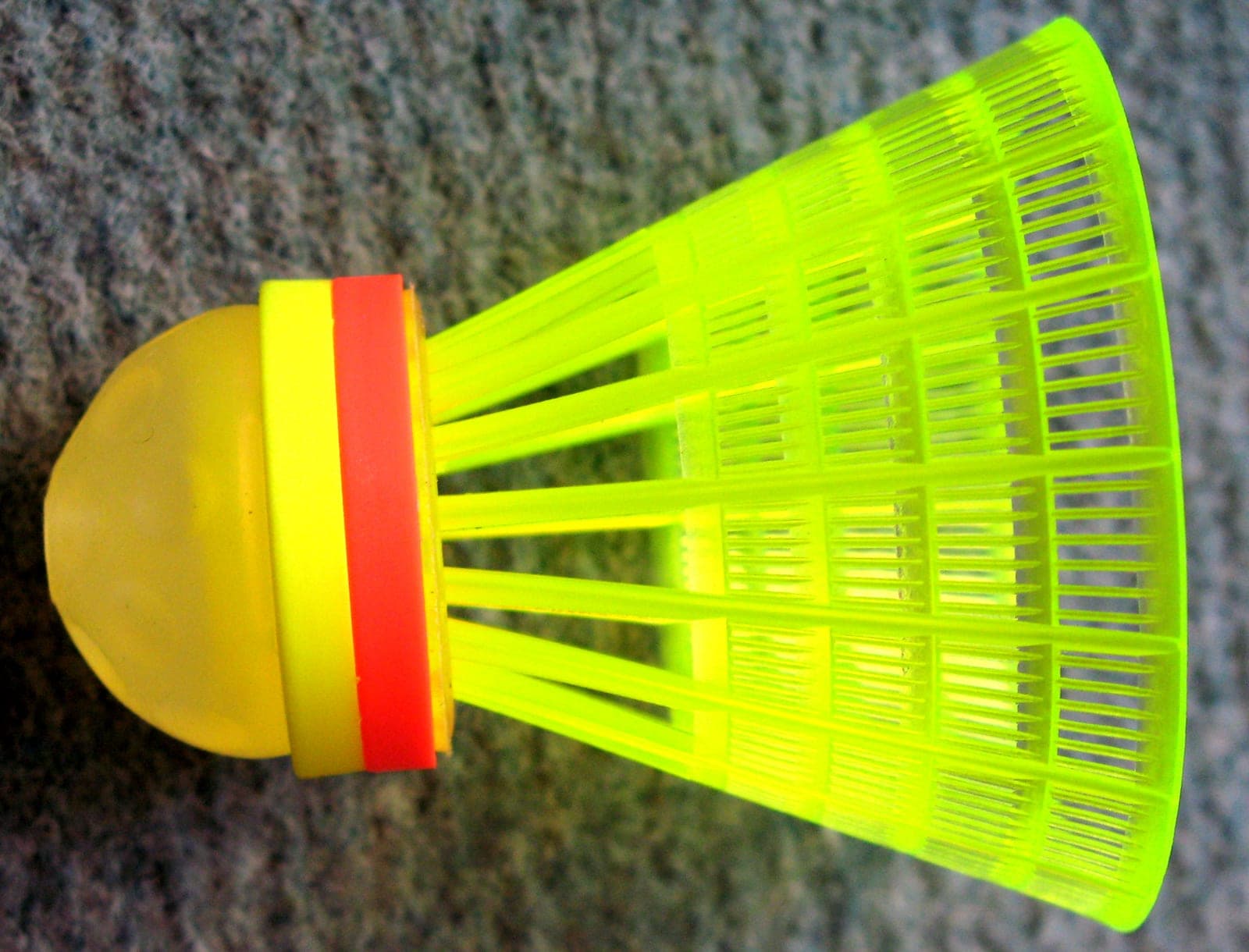
Badminton
A fast indoor racquet sport played with a shuttlecock that rewards agility and touch.
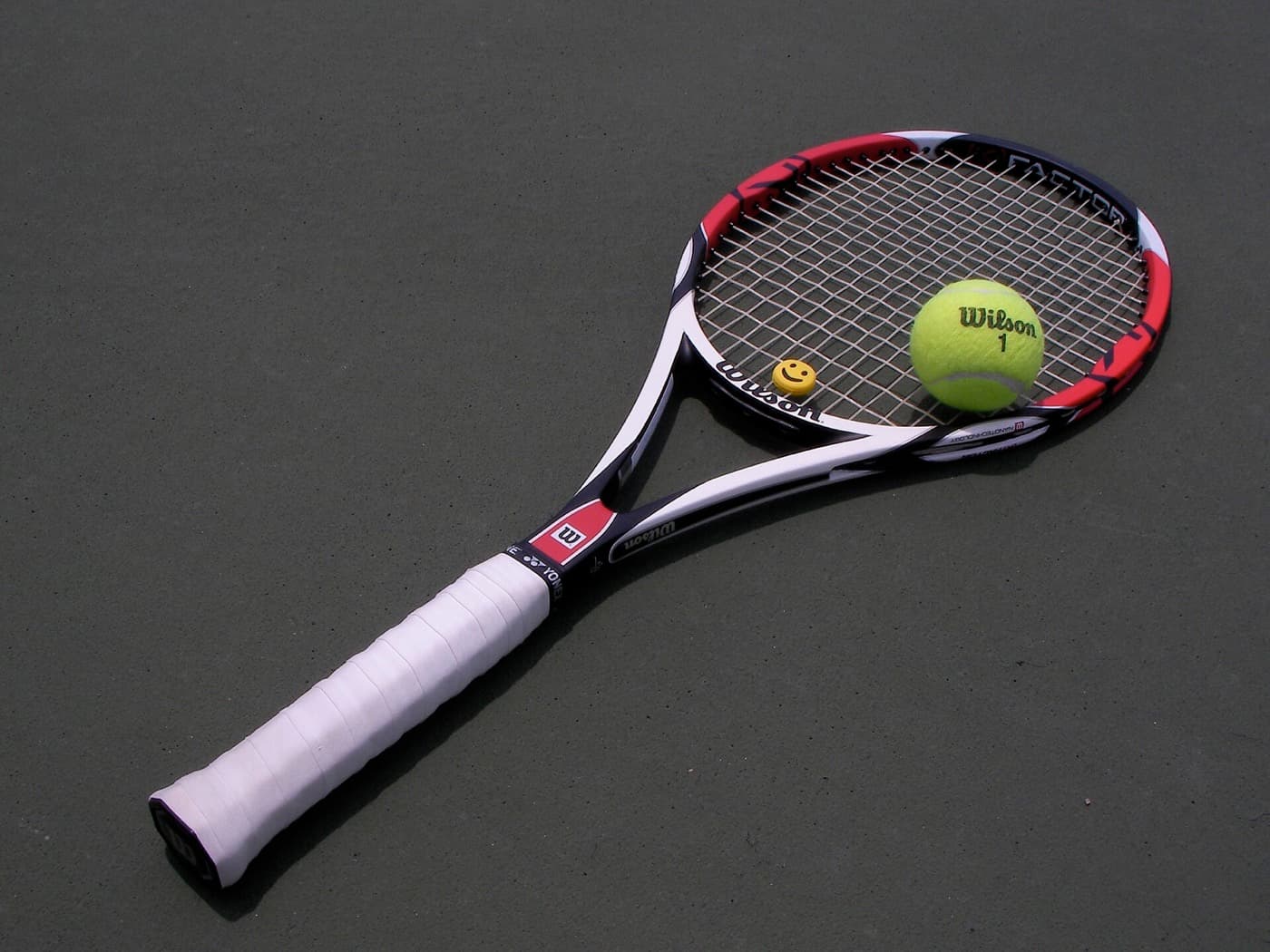
Tennis
A singles or doubles racquet sport that blends agility, strategy and stamina on court.

Football
The world’s most popular team sport — endless running, teamwork and community in one game.
Frequently asked questions
What are time-pressure decisions in sport?
They are the choices players make when there is very little time between reading a situation and having to act, such as returning a fast serve or beating a closing defender. Because time is short, players often lean on what they have already read and practised, and the sensible options tend to narrow. How much pressure there is depends on the sport and the moment, so it varies rather than following a single rule.
Explore across the knowledge base
Follow the threads that connect Time-pressure decisions to the rest of SocialSportHub.
Sports science
Coaching concepts
- Small-Sided GamesPractising in scaled-down versions of a sport — fewer players, smaller area — so skills and decisions happen more often in a game-like setting.
- Decision-Making PracticeTraining athletes to read cues and choose the right action under pressure — coupling perception to action, not just rehearsing physical technique in isolation.
Skills
Knowledge Atlas
Practice & sessions
How this page is maintained
- Content type
- Decision-making concept
- Provenance
- Tier A — evergreen educational
- Verified external sources
- 0
- Content updated
- 2026-07-12
Evergreen, first-party explanation — it makes no claim that needs an external source. How we handle sources and reviews.