
Digging
The volleyball skill of controlling a hard-driven ball low to keep it in play.
Overview
Digging is the defensive skill of receiving a spiked or fast-moving ball, usually low to the ground on the forearms, and keeping it up so a teammate can play it. It is the first line of defence against an attack.
A good dig turns an opponent’s power into a controlled ball for your own team, buying the setter time to organise the next attack.
Key points
- Contacting the ball on the forearms, low and out in front, gives the most control.
- A stable, low, balanced platform helps absorb the pace of a hard hit.
- The aim is to keep the ball up and playable, not necessarily to place it perfectly.
- Reading the attacker early gives a defender time to get into position.
- The libero is a specialist defensive player who often leads a team’s digging.
Where it’s used
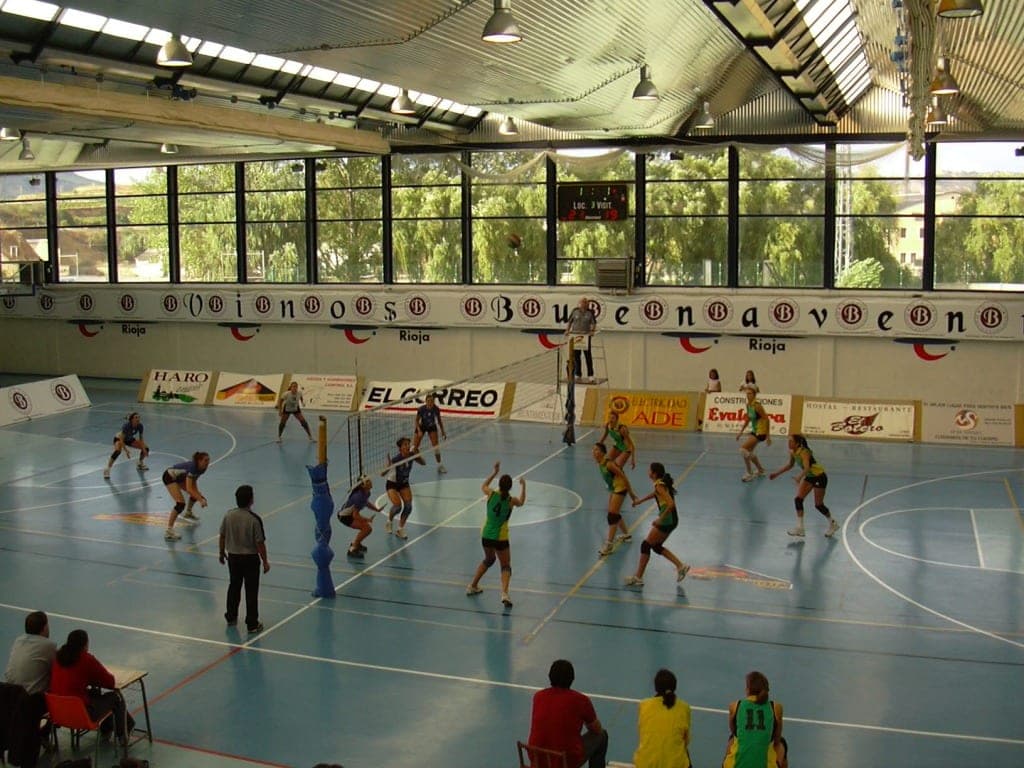
Sports that use digging:
How it connects
The meaning-bearing relationships that place Digging in the wider knowledge graph — each one with the reason it exists.
Progresses to
The next step in a curated learning order.
Progresses from
The step that comes before this one in a curated learning order.
Frequently learned together
Taught side by side in the same stage of a learning path.
- ServingBoth are taught in the “Learn the core skills” stage of the Volleyball learning path.
- JumpingBoth are taught in the “Learn the core skills” stage of the Volleyball learning path.
- SpikingBoth are taught in the “Learn the core skills” stage of the Volleyball learning path.
- SettingBoth are taught in the “Learn the core skills” stage of the Volleyball learning path.
- BlockingBoth are taught in the “Learn the core skills” stage of the Volleyball learning path.
Part of
The wider grouping this belongs to.
Explore across the knowledge base
Follow the threads that connect Digging to the rest of SocialSportHub.
Skills Academy
Movement patterns
- ReachExtending a limb toward a distant point or object, often at full stretch, by projecting a distal segment beyond the body's resting envelope while a stabilised base preserves balance and control.
- Shuffle (Lateral Shuffle)A low, athletic side-to-side stepping pattern in which the feet never cross, used to reposition and stay balanced and reactive while keeping the shoulders square to a target.
- SlideA slide is a controlled, low-friction skid of the body or foot along a surface, used to brake, extend reach, or hold a line, where managed friction and a lowered centre of gravity govern the movement.
Positions
Go deeper with Digging
Everywhere else on the platform that covers Digging — assembled from what actually references it, so nothing here is a dead end.
Learn it
Structured courses and paths on the platform that cover this directly.
How this page is maintained
- Content type
- Skill
- Provenance
- Tier A — evergreen educational
- Verified external sources
- 0
- Content updated
- 2026-09-12
Evergreen, first-party explanation — it makes no claim that needs an external source. How we handle sources and reviews.