
Shots & moves
Dig
A defensive move in volleyball to keep the ball in play after a hard-driven attack such as a spike.
Shots & moves
Definition
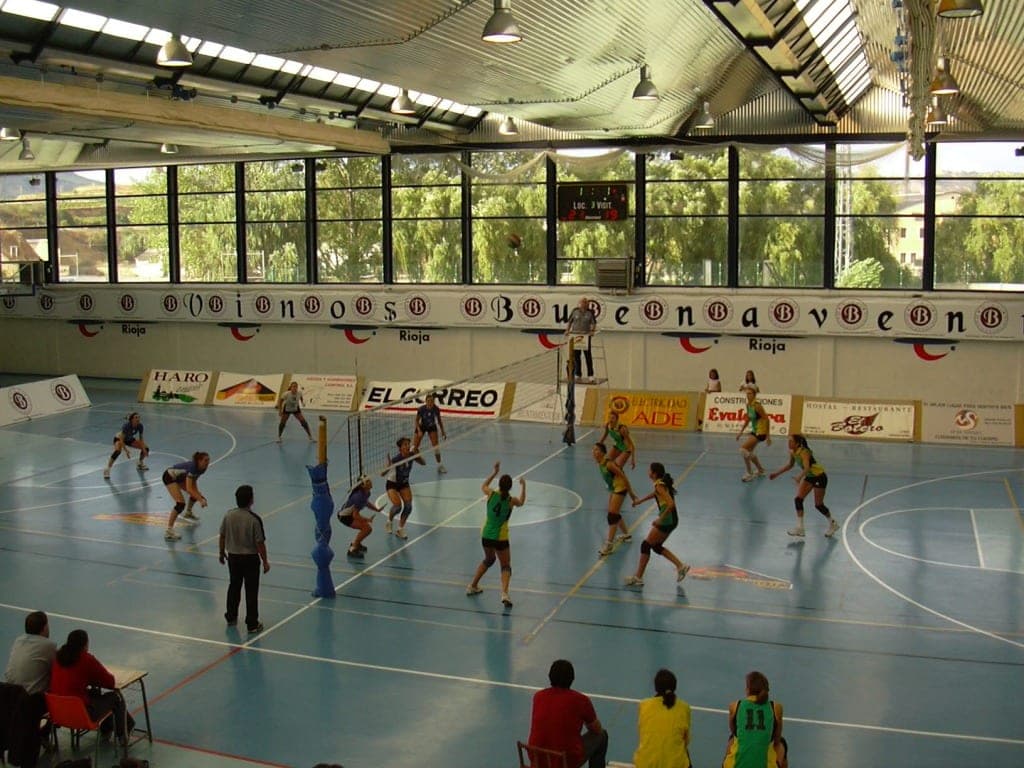
A dig is a defensive contact in volleyball, usually played low with the forearms, to stop a powerful attack from hitting the floor. Defenders react quickly to a spike, cushioning the ball upward so a teammate can continue the rally.
Because attacks come at speed, digging relies on good positioning, reading the hitter and controlling the ball’s direction rather than power. A successful dig turns defence back into attack by keeping the point alive.
Where you’ll hear “dig”
Sports that use this term:
Explore across the knowledge base
Follow the threads that connect Dig to the rest of SocialSportHub.
Equipment
- VolleyballA soft, inflated ball struck with the hands and arms in volleyball.
- BasketballA large, inflated ball with a dimpled surface used to play basketball.
- Football (soccer ball)A round, inflated ball used to play association football and futsal.
- Tennis racquetA strung frame with a handle used to hit the ball in tennis.
- Pickleball paddleA solid, flat paddle used to hit the perforated plastic ball in pickleball.
Rules
- Three-hit ruleThe volleyball rule that a team may contact the ball at most three times before it must cross the net.
- Ball-handling faultsVolleyball faults for catching, carrying or double-contacting the ball rather than cleanly hitting it.
- Double dribbleA basketball violation for dribbling with two hands at once, or for dribbling again after picking up the ball.
- Backcourt violationA basketball rule breach for returning the ball into a team's own defensive half after it has crossed into the attacking half.
- TravelingA basketball violation for moving illegally with the ball without dribbling it.
Skills
- DiggingThe volleyball skill of controlling a hard-driven ball low to keep it in play.
- SettingThe volleyball skill of accurately placing the ball for a teammate to attack.
- BlockingThe skill of using the hands or body to stop or slow an opponent’s attack.
- SpikingThe volleyball skill of jumping and striking the ball forcefully down into the opponent’s court.
- ServingThe skill of putting the ball or shuttle into play to start a point or rally.
Techniques
- Volleyball DigA defensive contact that keeps a hard-driven ball in play by passing it up off the forearms, usually from a low position.
- Volleyball SpikeA powerful attacking hit that drives the ball sharply downward over the net into the opponent's court, usually after an approach and jump.
- Volleyball SetAn overhead pass using the fingertips of both hands to place the ball accurately for a teammate to attack.
- Crossover DribbleA basketball dribbling move that switches the ball quickly from one hand to the other to change direction and get past a defender.
Tactics
- Court coverage and rotationVolleyball positioning where players rotate through positions and cover the court as one coordinated unit.
- Serve-receive formationHow a volleyball team arranges its passers to receive the serve and set up a clean first attack.
- Counter-attackWinning the ball and moving forward at speed to attack before the opponent can reorganise their defence.
- Fast breakPushing the ball up court at speed after a turnover or rebound to score before the defence sets up.
- Set-piece playRehearsed routines from a dead-ball situation such as a corner, free kick or throw-in used to create chances.
Positions
- Outside hitterThe outside hitter attacks from the left side of the net and is often a volleyball team’s main scoring option.
- LiberoThe libero is a defensive volleyball specialist who wears a contrasting shirt, plays only in the back row, and cannot attack the ball above the height of the net.
- SetterThe setter is volleyball’s playmaker, taking the team’s second contact and delivering accurate sets for hitters to attack.
- Point guardThe point guard is basketball’s primary ball-handler and playmaker, running the offence and setting up teammates to score.
- HookerThe hooker is a front-row forward in rugby who wins the ball in the scrum and typically throws the ball into the line-out.