
Fast break
Pushing the ball up court at speed after a turnover or rebound to score before the defence sets up.
Overview
A fast break is basketball’s quick-strike tactic: the moment a team gains possession, it races the ball up the floor to attack before the opposition can retreat and organise its defence.
The goal is to create a numbers advantage — such as a two-on-one or three-on-two — leading to a high-percentage layup or dunk. It rewards speed, quick outlet passing and decision-making in the open court.
Key points
- It starts with a fast outlet pass or dribble the instant possession is won.
- Players sprint the lanes to outnumber the retreating defenders.
- The aim is an easy finish before the defence can recover its shape.
- The ball-handler reads the numbers to pass or drive at the right moment.
- A missed shot or turnover often triggers the opponent’s own fast break.
Where it’s used
Sports that use fast break:
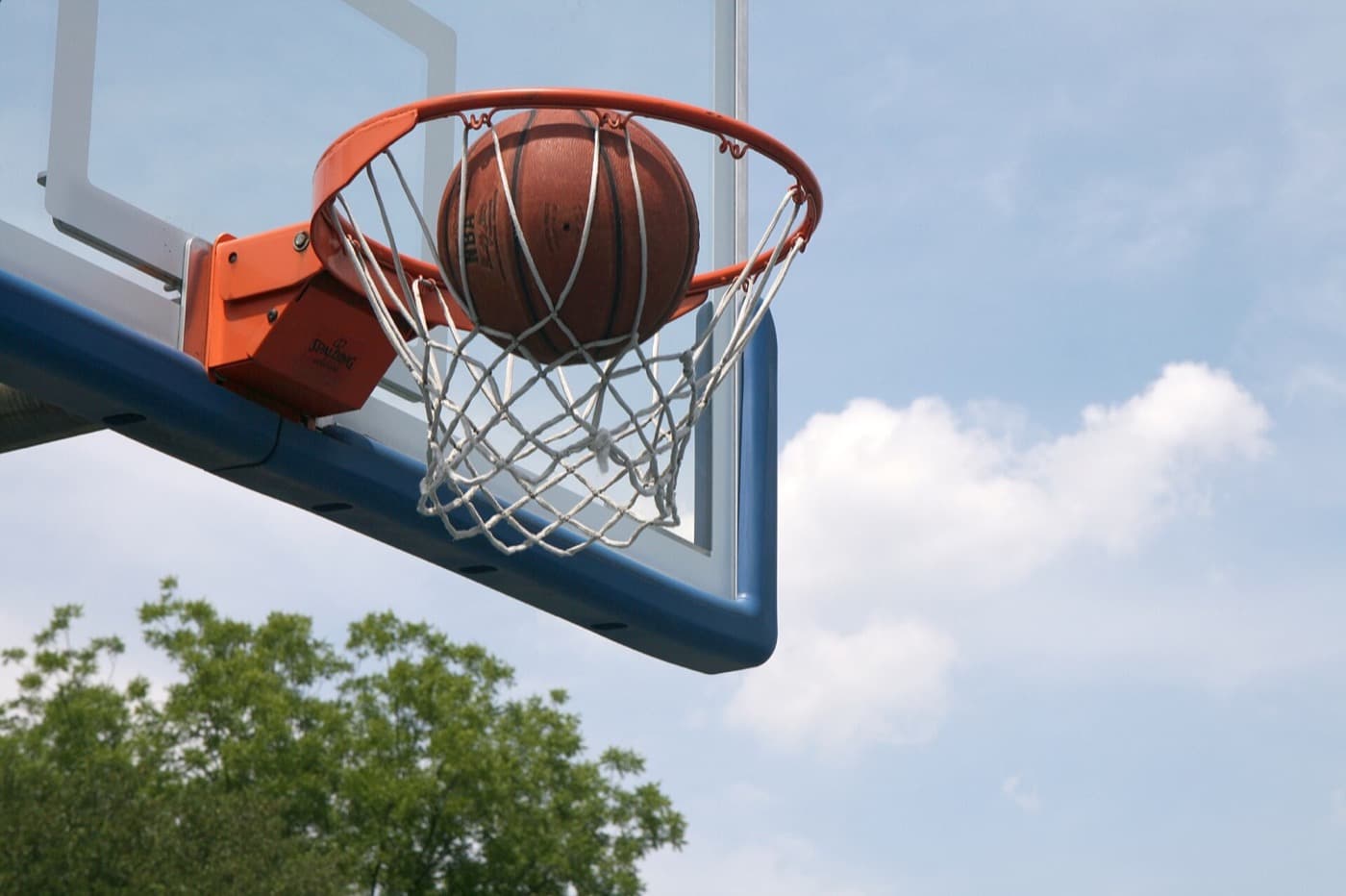
Basketball
A fast, dynamic team sport of running, jumping and quick decisions on court.
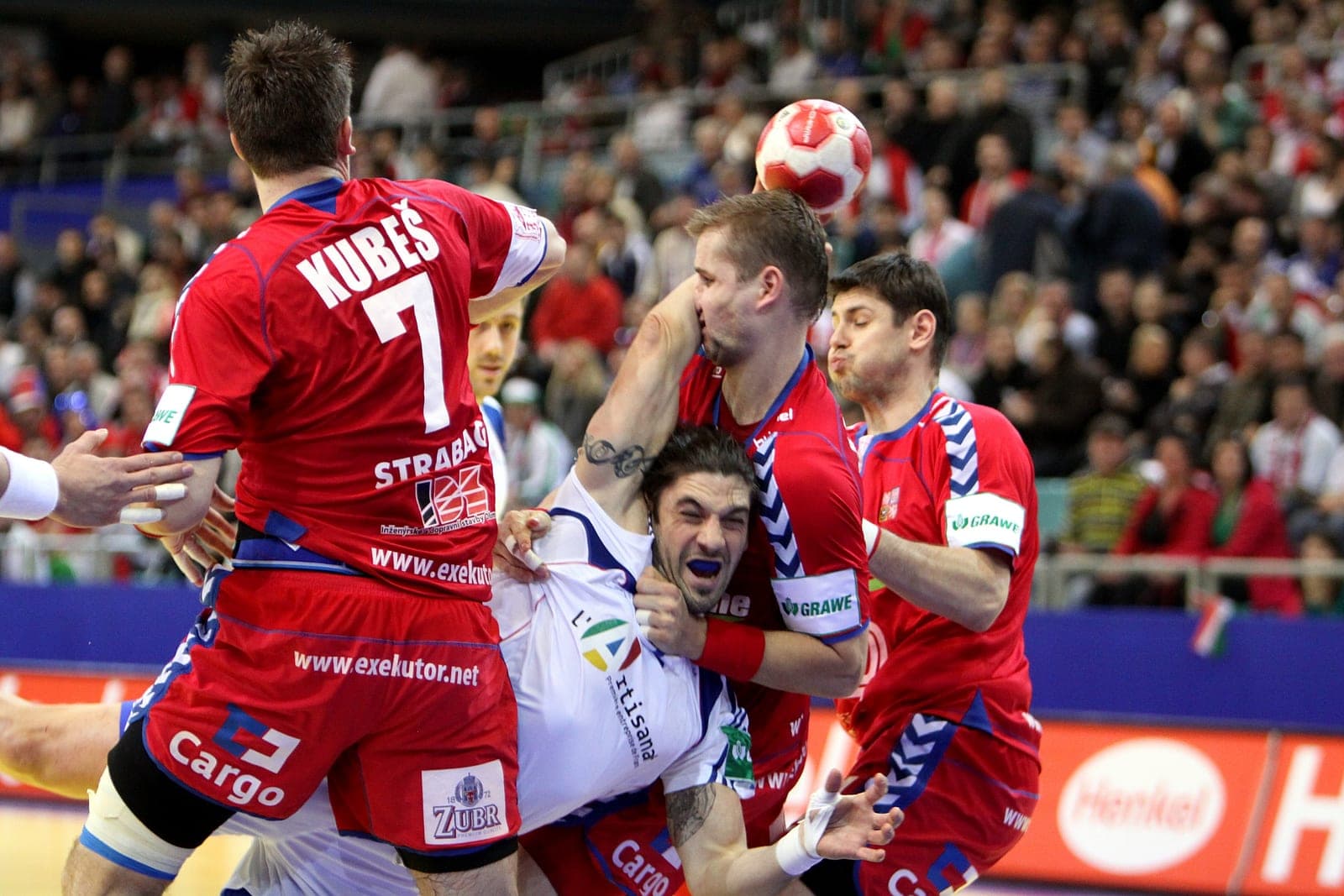
Handball
A fast indoor team sport of passing, jumping and throwing to score with the hands.
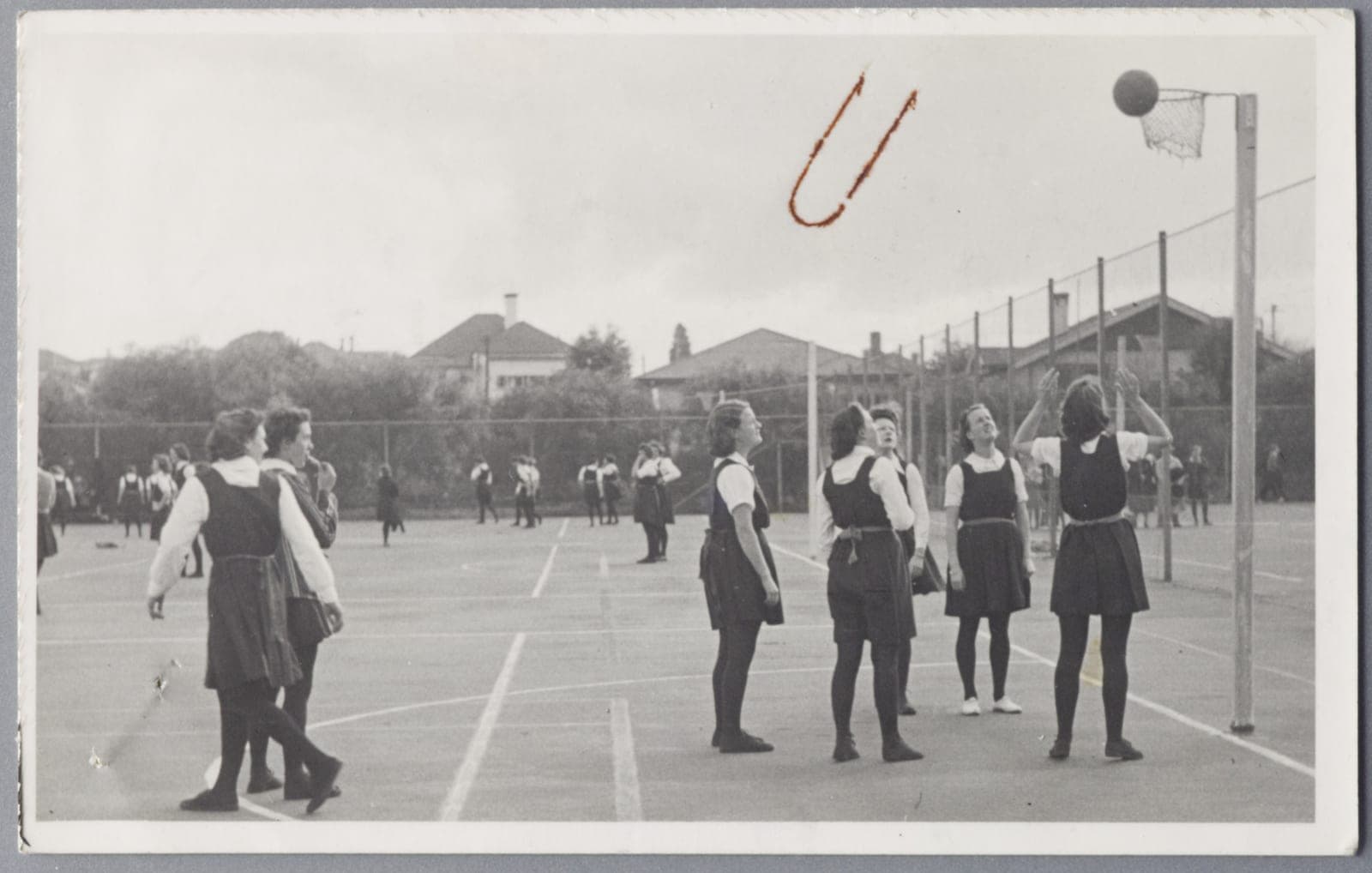
Netball
A non-contact, position-based team sport of quick passing and accurate shooting.
Related tactics
High press
A football tactic where a team hunts the ball high up the pitch to win it back close to the opponent’s goal.
Possession play
A patient football style that keeps the ball through short passing to control the game and tire opponents.
Counter-attack
Winning the ball and moving forward at speed to attack before the opponent can reorganise their defence.
How it connects
The meaning-bearing relationships that place Fast break in the wider knowledge graph — each one with the reason it exists.
Frequently learned together
Taught side by side in the same stage of a learning path.
- Zone defenceBoth are taught in the “Understand tactics & strategy” stage of the Basketball learning path.
- Man-to-man markingBoth are taught in the “Understand tactics & strategy” stage of the Basketball learning path.
- Pick and rollBoth are taught in the “Understand tactics & strategy” stage of the Basketball learning path.
- Full-court pressBoth are taught in the “Understand tactics & strategy” stage of the Basketball learning path.
- Attacking vs Defensive BalanceBoth are taught in the “Understand tactics & strategy” stage of the Netball learning path.
Explore across the knowledge base
Follow the threads that connect Fast break to the rest of SocialSportHub.
Strategies
- Attacking vs Defensive BalanceThe overarching choice a team or athlete makes about how much to commit to creating scoring chances versus avoiding conceding, and when to shift it.
- Controlling TempoControlling tempo is the strategy of dictating the pace and rhythm of play — speeding up or slowing down — to suit your strengths and unsettle opponents.
- Possession vs Direct PlayThe strategic choice between retaining the ball to build attacks patiently and moving it forward quickly and directly toward the goal.
- Exploiting MatchupsSteering play toward the pairings where you hold an advantage while shielding the pairings where an opponent could hurt you.
- Transition PlayTransition play is the strategy of switching quickly between attack and defence the moment possession changes, exploiting the opponent's brief disorganisation.
Rules
- Shot clockA timing rule that requires the attacking basketball team to attempt a shot within a set number of seconds.
- Foot faultA serving fault called when the server's foot touches the baseline or court before striking the ball.
- Double dribbleA basketball violation for dribbling with two hands at once, or for dribbling again after picking up the ball.
Positions
- Point guardThe point guard is basketball’s primary ball-handler and playmaker, running the offence and setting up teammates to score.
- Shooting guardThe shooting guard is a perimeter player whose main role is to score, especially from mid-range and beyond the three-point line.
- Small forwardThe small forward is a versatile wing player in basketball who can score inside and outside while also defending multiple positions.
- Wing (handball)The handball wing plays wide on the left or right of the attack, using speed to finish fast breaks and shoot from tight angles near the sideline.
- Power forwardThe power forward plays near the basket in basketball, using strength to rebound, score inside, and defend the paint.
Learning paths
- Learn BasketballA structured, educational learning path for basketball — from the rules to skills, techniques, tactics and training.
- Learn HandballA structured, educational learning path for handball — from the rules to skills, techniques, tactics and training.
- Learn NetballA structured, educational learning path for netball — from the rules to skills, techniques, tactics and training.
Decision making
Go deeper with Fast break
Everywhere else on the platform that covers Fast break — assembled from what actually references it, so nothing here is a dead end.
Learn it
Structured courses and paths on the platform that cover this directly.
How this page is maintained
- Content type
- Tactic
- Provenance
- Tier A — evergreen educational
- Verified external sources
- 0
- Content updated
- 2026-09-12
Evergreen, first-party explanation — it makes no claim that needs an external source. How we handle sources and reviews.