
Foot fault
A serving fault called when the server's foot touches the baseline or court before striking the ball.
Overview
When serving in tennis, the player must keep both feet behind the baseline until the ball is struck. Stepping on or over the baseline, or touching the wrong side of the centre mark, before contact is a foot fault and counts the same as missing the serve.
A foot fault on a first serve leads to a second serve, and on a second serve it results in a double fault. Similar service-line rules apply in other racket sports such as pickleball and padel.
Key points
- Both feet must stay behind the baseline until the ball is hit.
- Touching the baseline or the court before contact is a fault.
- A foot fault counts exactly like missing the serve.
- The server must also stay on the correct side of the centre mark.
Where it’s used
Sports that use foot fault:
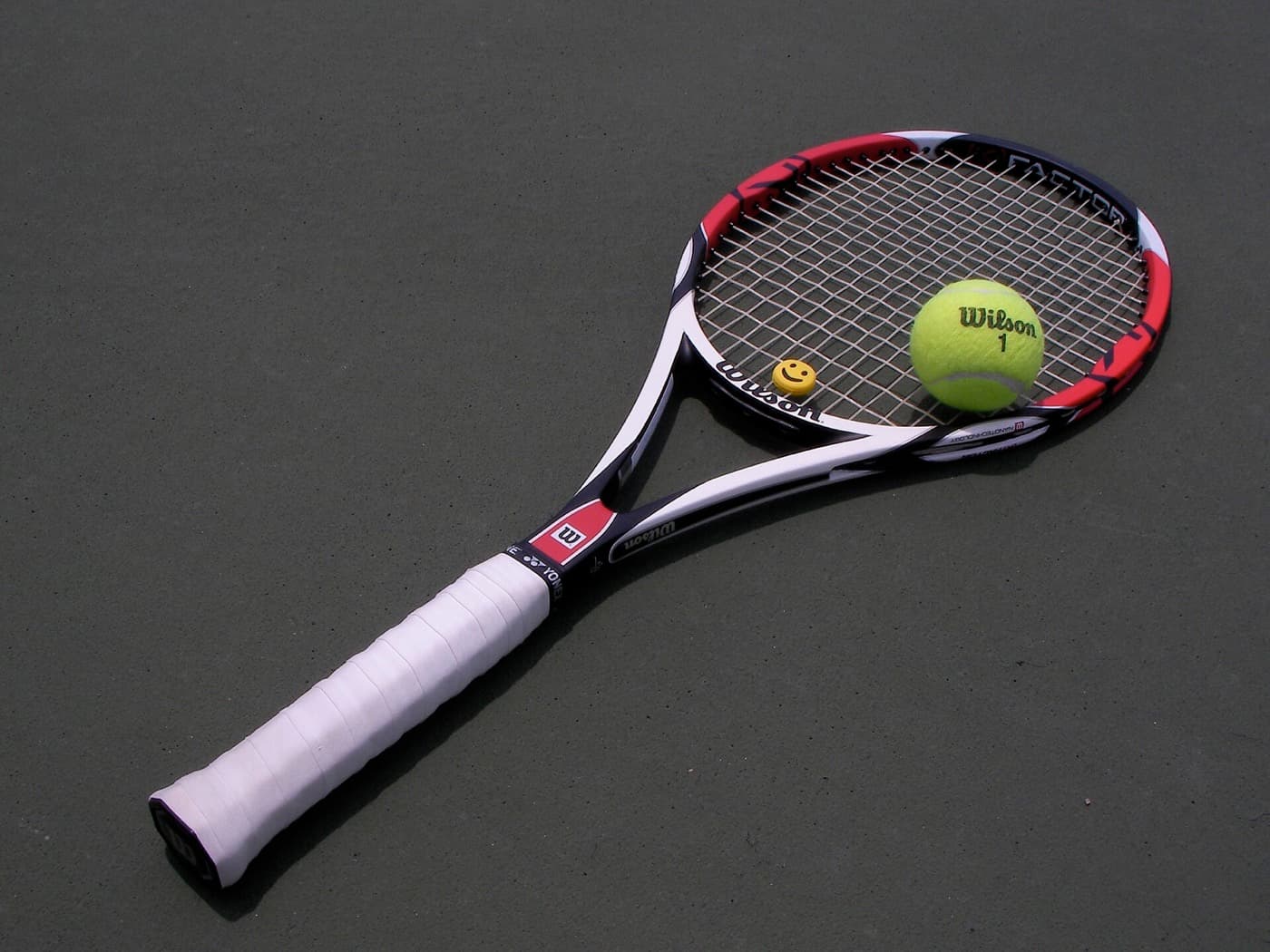
Tennis
A singles or doubles racquet sport that blends agility, strategy and stamina on court.
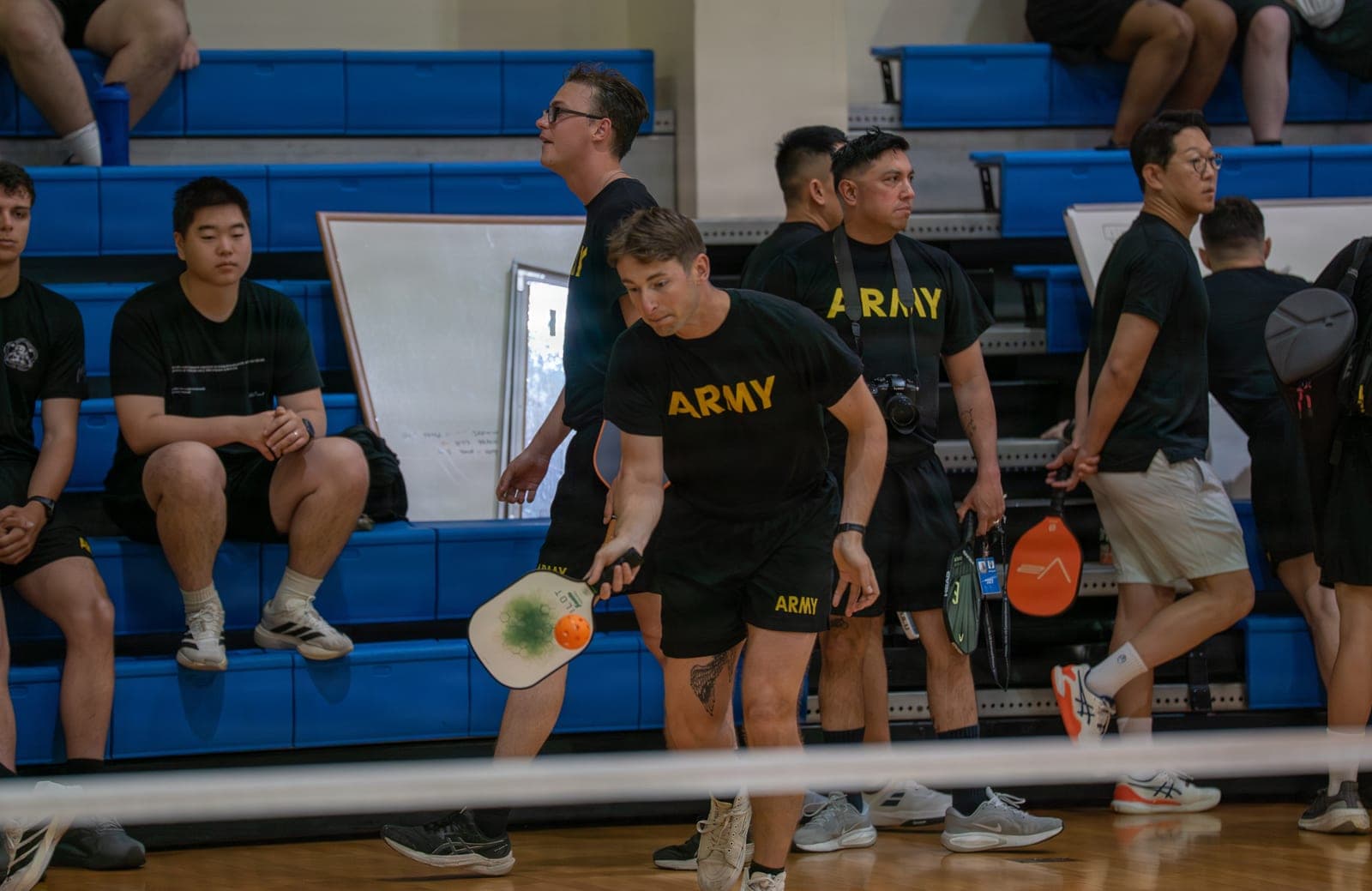
Pickleball
A friendly, easy-to-learn paddle sport played on a small court with a solid paddle and a light, perforated ball.
POP Tennis
A friendly, easy-to-learn racquet sport on a smaller court with solid paddles and a lower net.
Related rules
Tennis serving rules
The rules governing how a tennis point begins, including where the server stands and where the serve must land.
Let
A call that stops a point and has it replayed without penalty, used across several racket sports.
Two-bounce rule
A pickleball rule requiring both the serve and the return to bounce once before players may hit the ball out of the air.
How it connects
The meaning-bearing relationships that place Foot fault in the wider knowledge graph — each one with the reason it exists.
Frequently learned together
Taught side by side in the same stage of a learning path.
- Tennis serving rulesBoth are taught in the “Get to know the game” stage of the Tennis learning path.
- LetBoth are taught in the “Get to know the game” stage of the Tennis learning path.
- Touching the netBoth are taught in the “Get to know the game” stage of the Tennis learning path.
- Hindrance, lets and permanent fixturesBoth are taught in the “Get to know the game” stage of the Tennis learning path.
- Continuous play and the time between pointsBoth are taught in the “Get to know the game” stage of the Tennis learning path.
Explore across the knowledge base
Follow the threads that connect Foot fault to the rest of SocialSportHub.
Officiating
- UmpireA match official who rules on lines, serves and dismissals in racket, bat-and-ball and net sports such as tennis, cricket and baseball — and, in racket sports, also keeps the running score.
- Line JudgeA boundary-line official who calls whether the ball or player is in or out and flags foot faults, working under the head referee across many sports.
Learning paths
Skills
Tactics
- Baseline playA patient tennis style built around rallying from the back of the court and constructing points with groundstrokes.
- Serve and volleyAn attacking tennis tactic where the server follows their serve to the net to finish the point with a volley.
- Fast breakPushing the ball up court at speed after a turnover or rebound to score before the defence sets up.
- Serve +1 and return +1The two-shot patterns that decide short points — how a serve's direction determines where the reply comes from, and how a returner uses the same idea against the server.
- Crosscourt and down the lineThe geometry that makes crosscourt the default tennis shot — the net is lower in the middle and the court is longer on the diagonal — and when down the line is worth its extra risk.
Go deeper with Foot fault
Everywhere else on the platform that covers Foot fault — assembled from what actually references it, so nothing here is a dead end.
Learn it
Structured courses and paths on the platform that cover this directly.
Take it away
Open data and the whole-platform view of this subject.
How this page is maintained
- Content type
- Rule
- Provenance
- Tier A — evergreen educational
- Verified external sources
- 0
- Content updated
- 2026-09-12
Evergreen, first-party explanation — it makes no claim that needs an external source. How we handle sources and reviews.