
Service box
The marked rectangular area a serve must land in to be valid. Each side has two, and serves are delivered into the diagonally opposite one.
Definition
In tennis and similar racquet sports, the court on each side of the net is divided into two service boxes. When serving, a player must land the ball inside the service box that is diagonally opposite; a serve landing outside it does not count. The two boxes are usually described as the deuce (right) and advantage (left) courts.
Related sports use the same idea with slightly different names and dimensions. The service box tells both the server where the ball must go and the receiver roughly where to stand, so it is central to how every point begins.
Where you’ll hear “service box”
Sports that use this term:
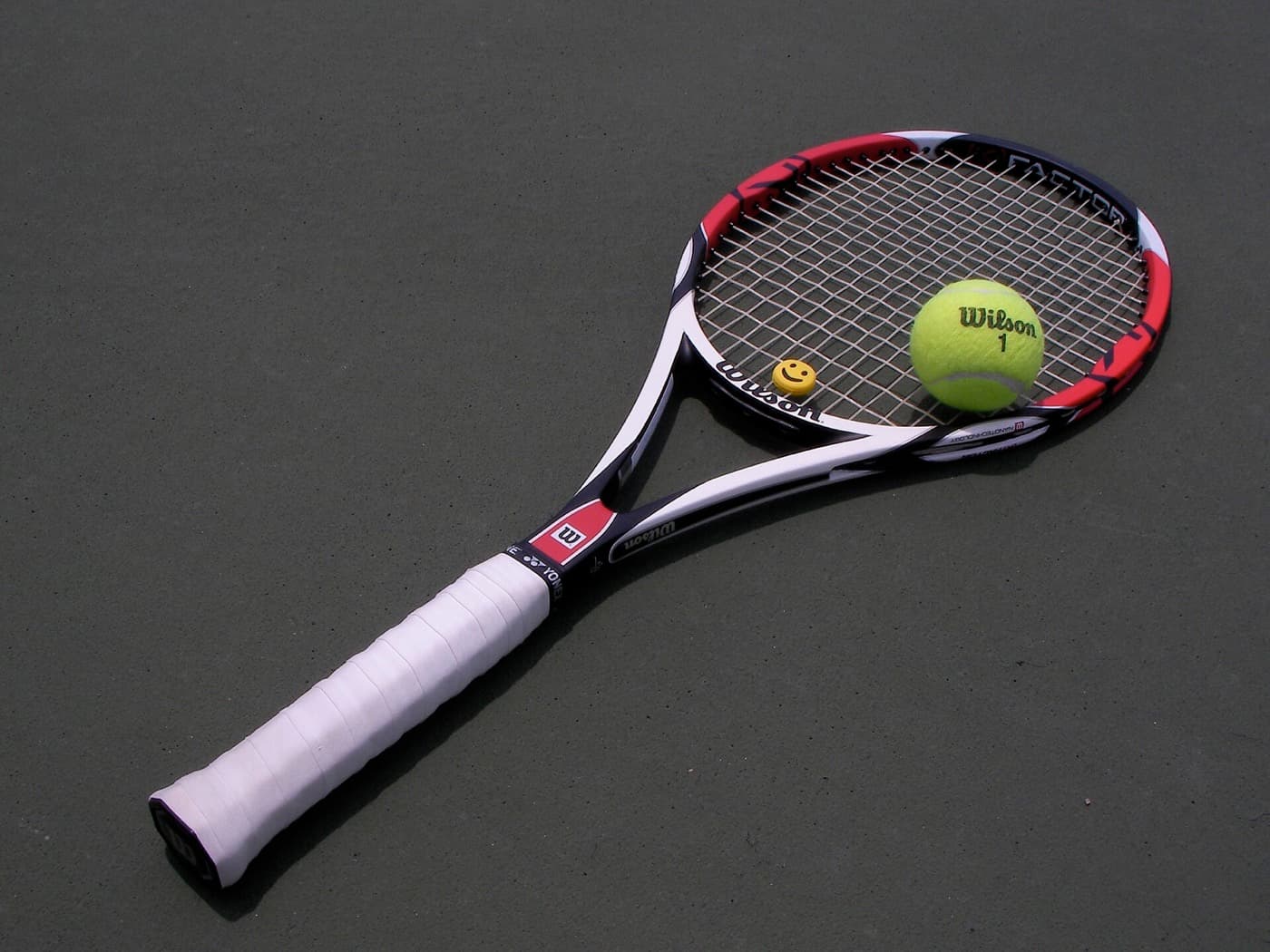
Tennis
A singles or doubles racquet sport that blends agility, strategy and stamina on court.
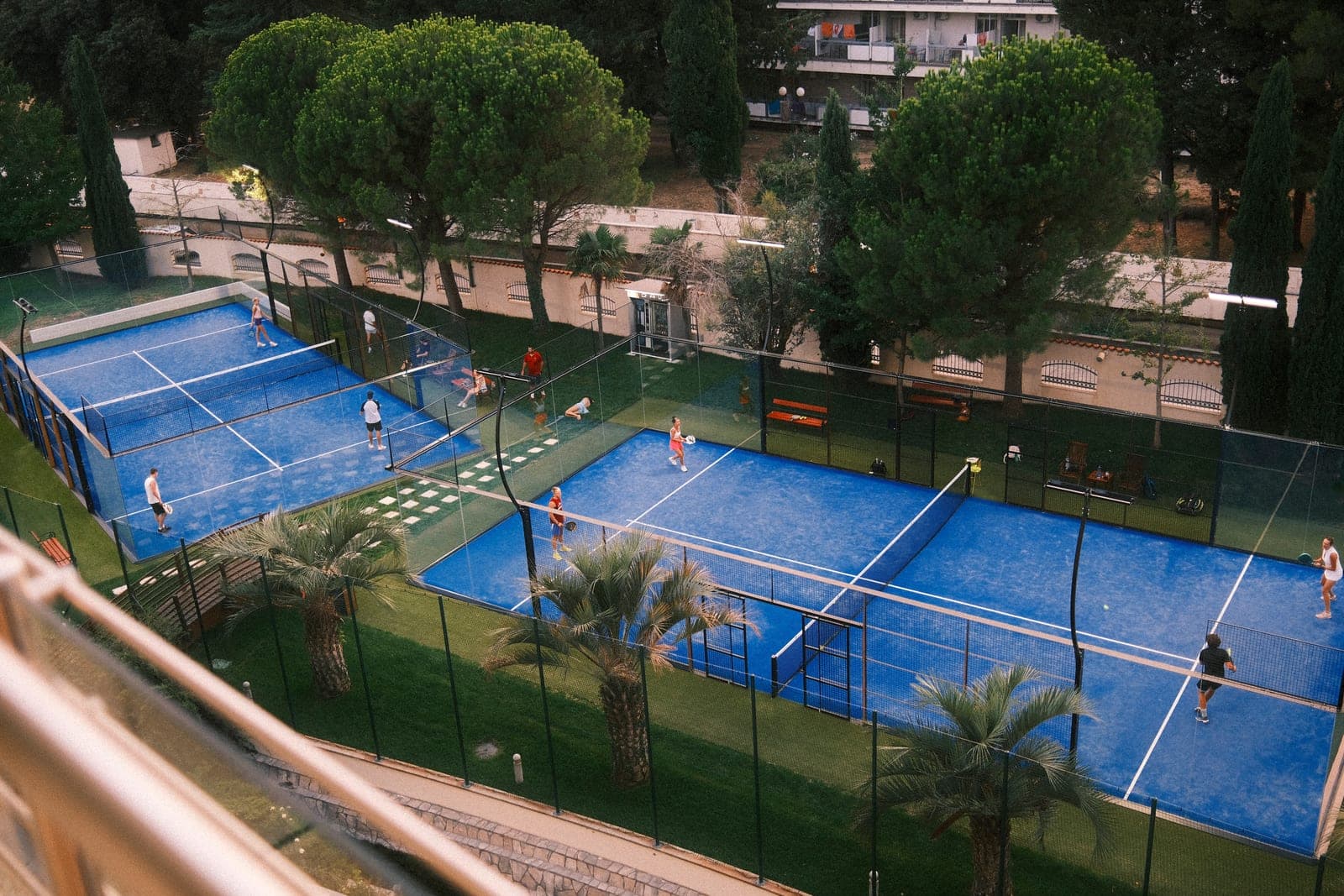
Padel
A sociable, doubles-first racquet sport played in an enclosed court where the walls stay in play.
Squash
A fast, high-intensity indoor racquet sport played inside an enclosed court where the walls stay in play.
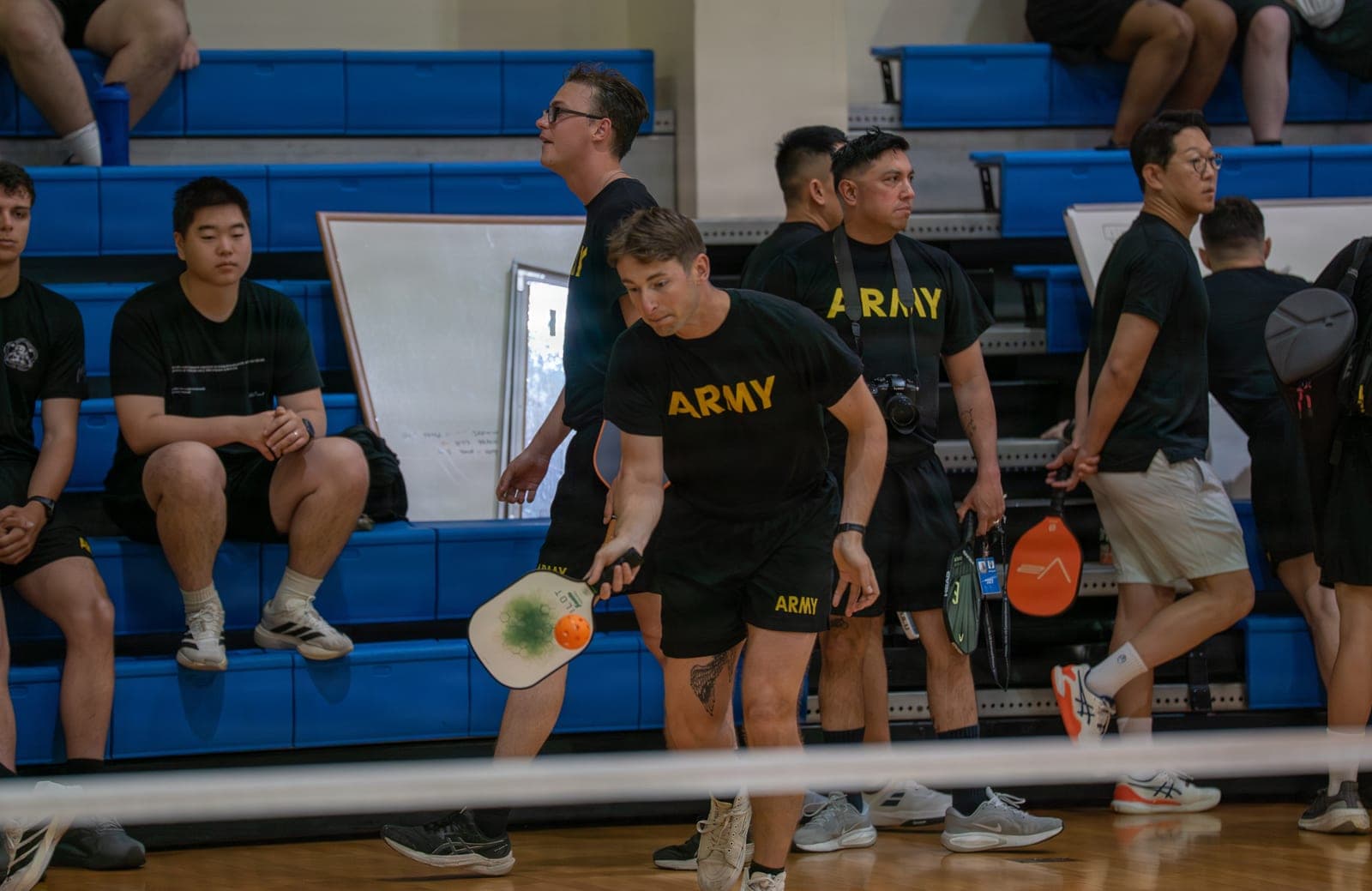
Pickleball
A friendly, easy-to-learn paddle sport played on a small court with a solid paddle and a light, perforated ball.
Explore across the knowledge base
Follow the threads that connect Service box to the rest of SocialSportHub.
Rules
- Tennis serving rulesThe rules governing how a tennis point begins, including where the server stands and where the serve must land.
- Foot faultA serving fault called when the server's foot touches the baseline or court before striking the ball.
- Badminton serve rulesThe rules for how a badminton serve must be delivered and where it must land.
- The padel servePadel's underarm serve, set out exactly — the bounce before the strike, the waist-height limit, where the server's feet must be, and the wire-mesh fault that has no tennis equivalent.
Techniques
- Tennis ServeThe overhead stroke that starts every point, hit from behind the baseline into the diagonally opposite service box.
- Flat, slice and kick servesThe three serves and what actually separates them — the contact point on the ball and the toss that makes it possible — plus what each one does to the ball after it bounces.
Facilities
- Tennis courtA rectangular marked court, divided across the middle by a net, where tennis is played as singles or doubles.
- Padel courtAn enclosed court, much smaller than a tennis court, walled with glass and mesh so the ball can be played off the walls.
- Badminton courtA rectangular indoor court, divided by a high net, on which badminton is played as singles or doubles.
Playing surfaces
- Hard courtA rigid acrylic, concrete or asphalt court that gives a true, consistent, medium-paced bounce — the standard multi-use outdoor surface.
- ClayA soft, granular racquet-sport surface of crushed brick, stone or shale that slows the ball, gives a high bounce and lets players slide into shots.
- WoodAn indoor sprung timber or parquet floor — grippy, consistent and lightly cushioned; the classic surface for indoor court sports.
Go deeper with Service box
Everywhere else on the platform that covers Service box — assembled from what actually references it, so nothing here is a dead end.
Take it away
Open data and the whole-platform view of this subject.
How this page is maintained
- Content type
- Term
- Provenance
- Tier A — evergreen educational
- Verified external sources
- 0
- Content updated
- 2026-09-01
Evergreen, first-party explanation — it makes no claim that needs an external source. How we handle sources and reviews.