
Court
A flat, precisely marked playing area, usually rectangular and often hard-surfaced, used for net and hoop sports such as tennis, basketball and volleyball.
Definition
A court is the bounded playing area for sports organised around a net, hoop or wall — tennis, badminton, volleyball, basketball, squash, netball and padel among them. Compared with a pitch, a court is generally smaller, more precisely dimensioned and more often built on a hard, engineered base, though the exact size and line markings differ entirely from one sport to another.
The word refers to the venue and its lines, not to any single material: courts exist in clay, grass, acrylic hard court, hardwood parquet and cushioned synthetic layers. Many indoor courts carry overlapping line sets in different colours so a single space can host several sports.
Scope: The venue, independent of surface; contrast with 'pitch', which is typically larger and grassed.
Where you’ll hear “court”
Sports that use this term:
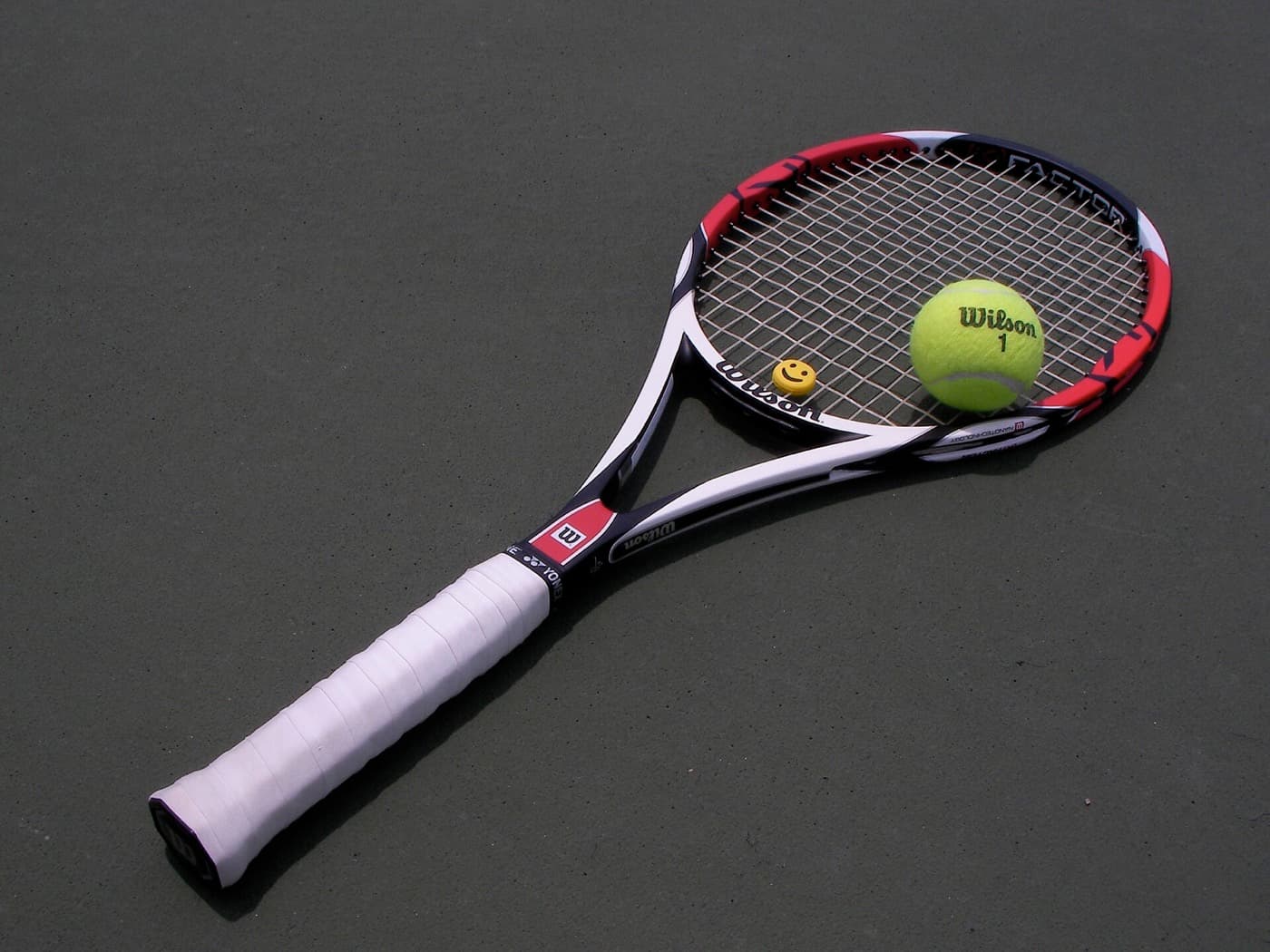
Tennis
A singles or doubles racquet sport that blends agility, strategy and stamina on court.
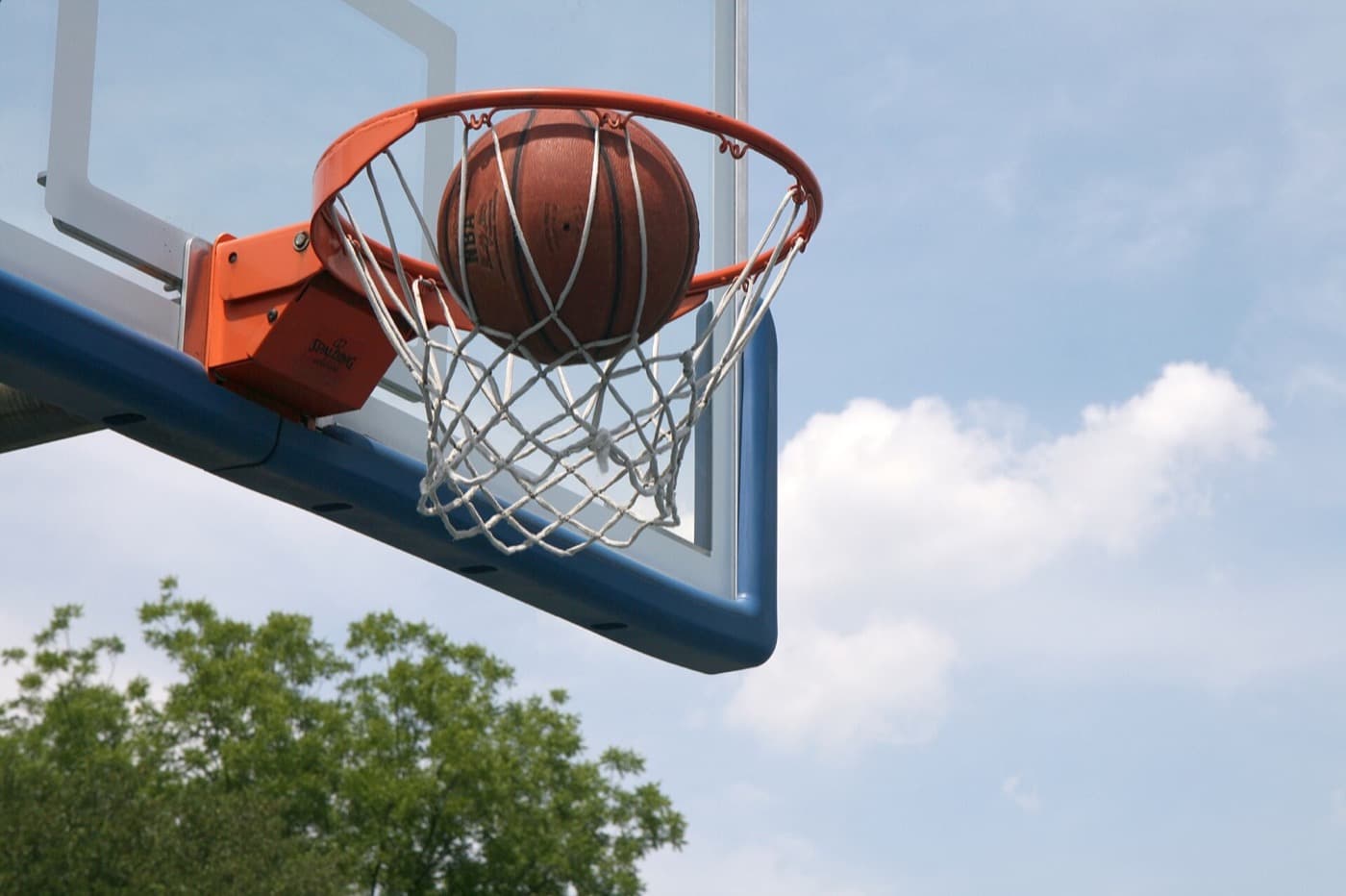
Basketball
A fast, dynamic team sport of running, jumping and quick decisions on court.
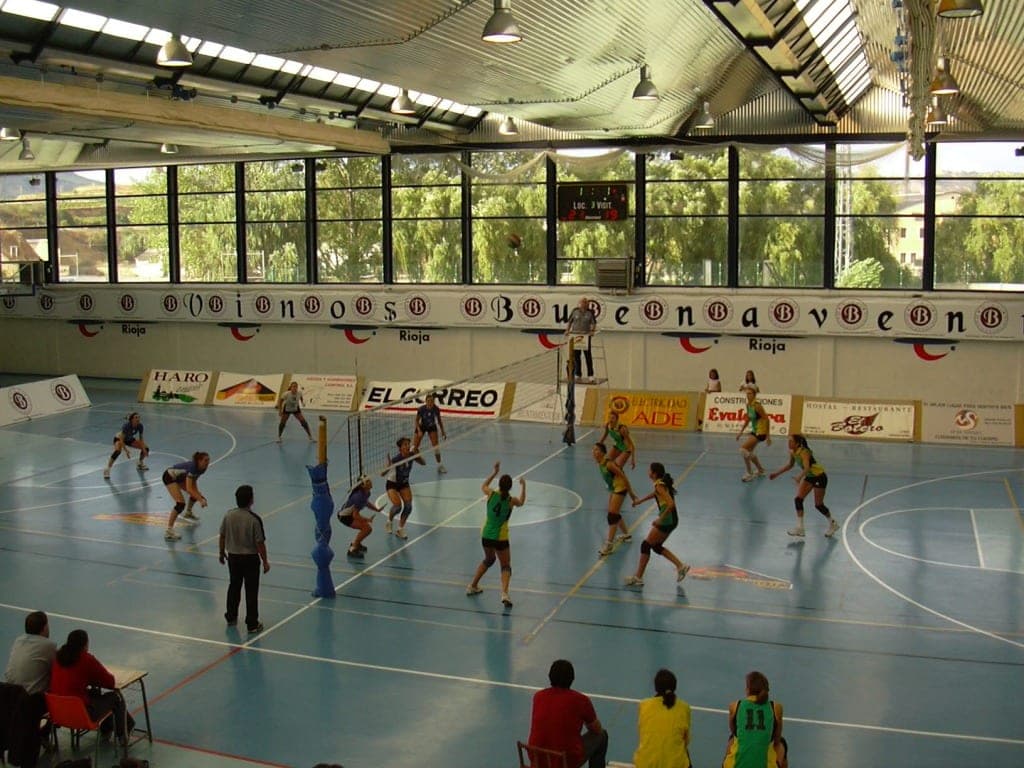
Volleyball
A non-contact team sport of rallies, jumps and teamwork — indoors or on the beach.
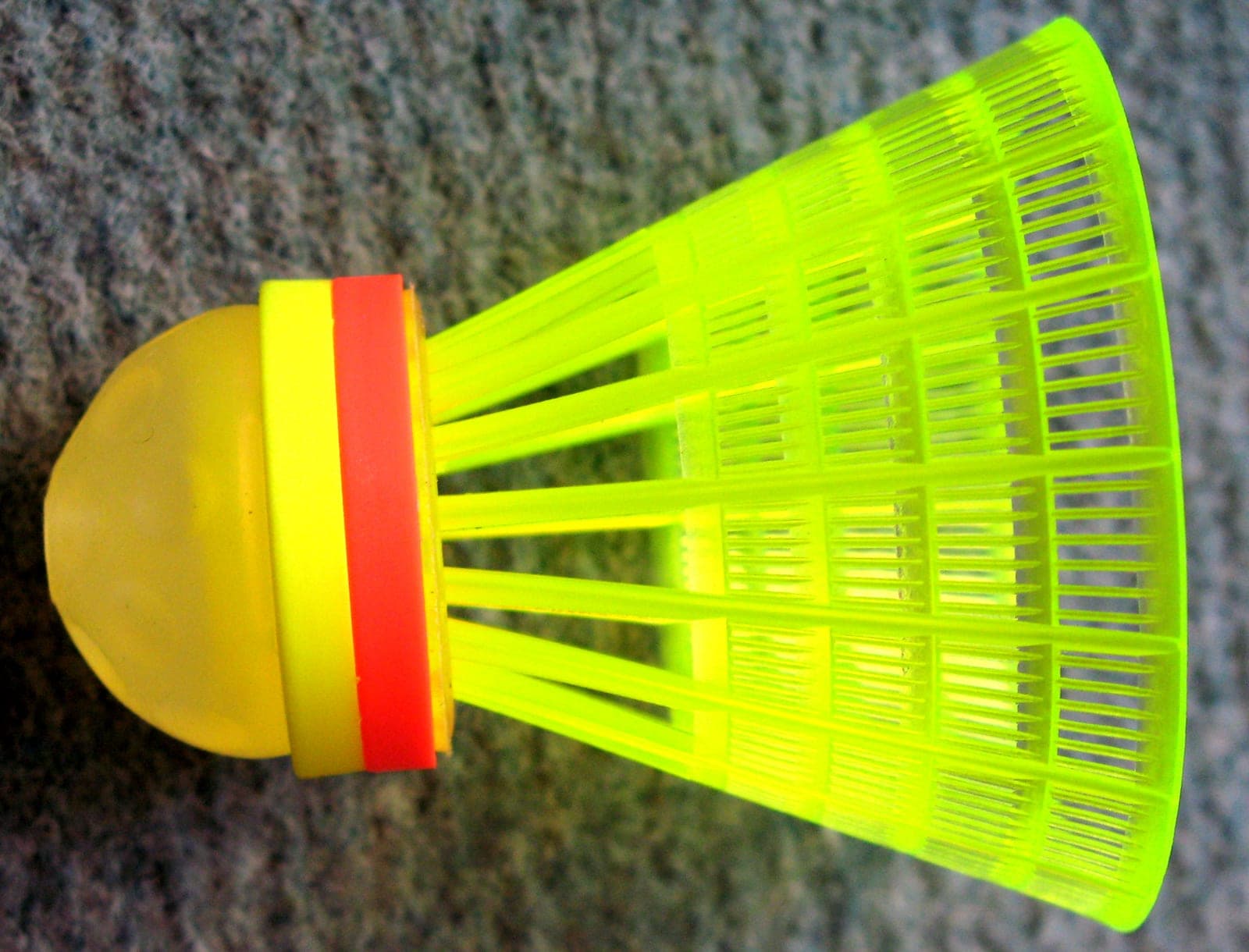
Badminton
A fast indoor racquet sport played with a shuttlecock that rewards agility and touch.
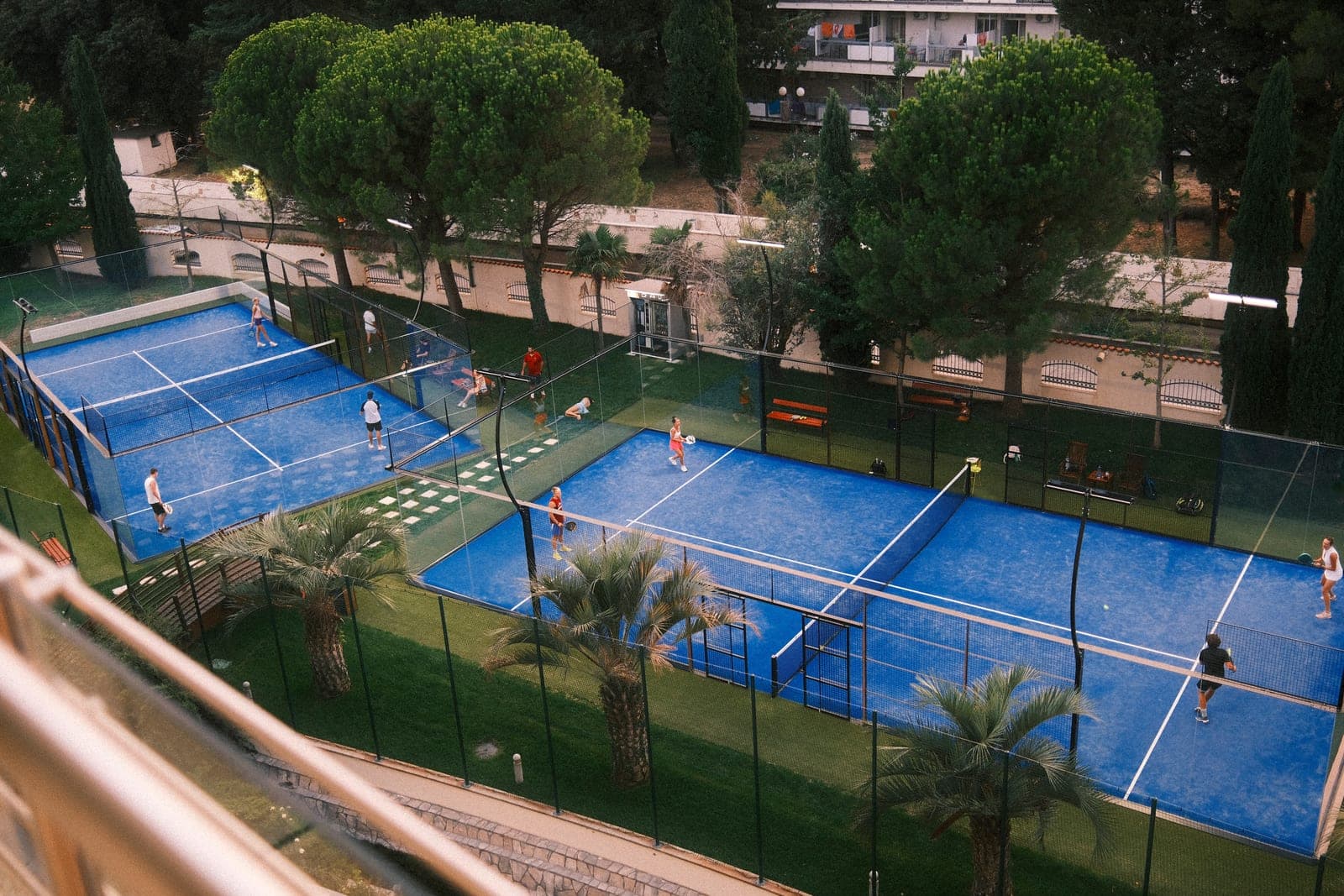
Padel
A sociable, doubles-first racquet sport played in an enclosed court where the walls stay in play.
Explore across the knowledge base
Follow the threads that connect Court to the rest of SocialSportHub.
Facilities
- Basketball courtA rectangular hard-surfaced court with a raised hoop and backboard at each end where basketball is played.
- Tennis courtA rectangular marked court, divided across the middle by a net, where tennis is played as singles or doubles.
- Badminton courtA rectangular indoor court, divided by a high net, on which badminton is played as singles or doubles.
- Volleyball courtA rectangular court split by a high net over which two teams rally the ball, played indoors or on sand.
- Sports hallA large indoor hall with multi-sport line markings, used for court sports like basketball, volleyball and badminton.
Techniques
Equipment
- BasketballA large, inflated ball with a dimpled surface used to play basketball.
- Cricket batA flat-fronted wooden bat used by batters to hit the ball in cricket, with a curved back that concentrates weight behind the hitting area.
- Pickleball paddleA solid, flat paddle used to hit the perforated plastic ball in pickleball.
Positions
Go deeper with Court
Everywhere else on the platform that covers Court — assembled from what actually references it, so nothing here is a dead end.
Take it away
Open data and the whole-platform view of this subject.
How this page is maintained
- Content type
- Term
- Provenance
- Tier A — evergreen educational
- Verified external sources
- 0
- Content updated
- 2026-09-01
Evergreen, first-party explanation — it makes no claim that needs an external source. How we handle sources and reviews.