
Volley
A shot played near the net by blocking the ball out of the air before it bounces, using a short, firm punch rather than a full swing.
Overview
A volley is struck before the ball bounces, usually close to the net, to cut off time and finish the point. It uses a compact motion with a firm wrist and a slightly open racquet face, letting the incoming pace do most of the work.
Footwork and a low, balanced ready position are as important as the arm action, since volleys are reactive and played on short notice.
How to do it
- 1Start in a low, balanced ready position with the racquet up.
- 2Turn your shoulders slightly toward the incoming ball.
- 3Take the racquet back only a short distance.
- 4Punch forward to block the ball with a firm wrist out in front.
- 5Keep the follow-through short and controlled.
Key points
- Meet the ball in front of your body, not beside it.
- Keep the wrist firm so the racquet face stays stable at contact.
- Step toward the ball with the opposite foot to add controlled depth.
Where it’s used
Sports that use volley:
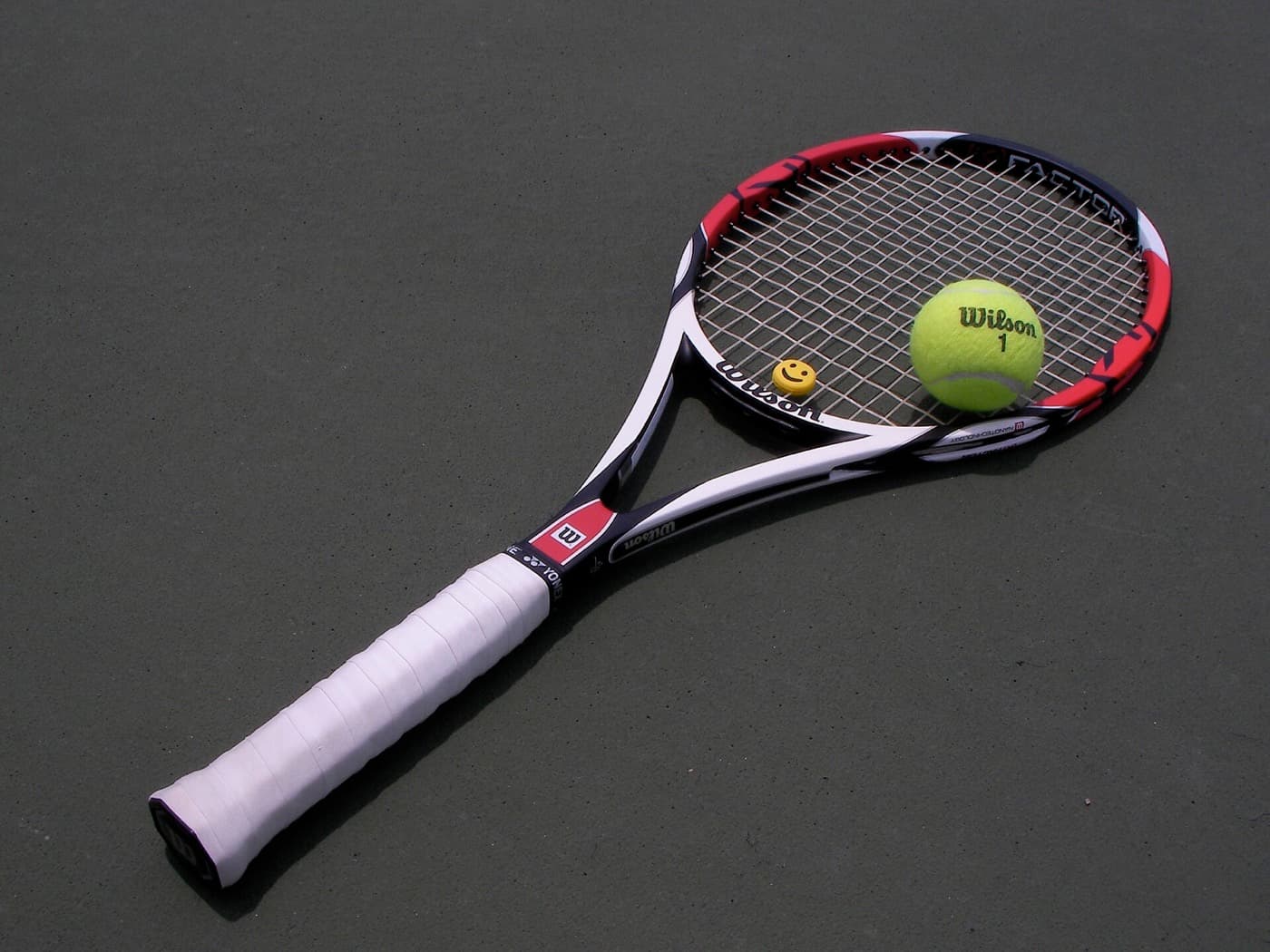
Tennis
A singles or doubles racquet sport that blends agility, strategy and stamina on court.
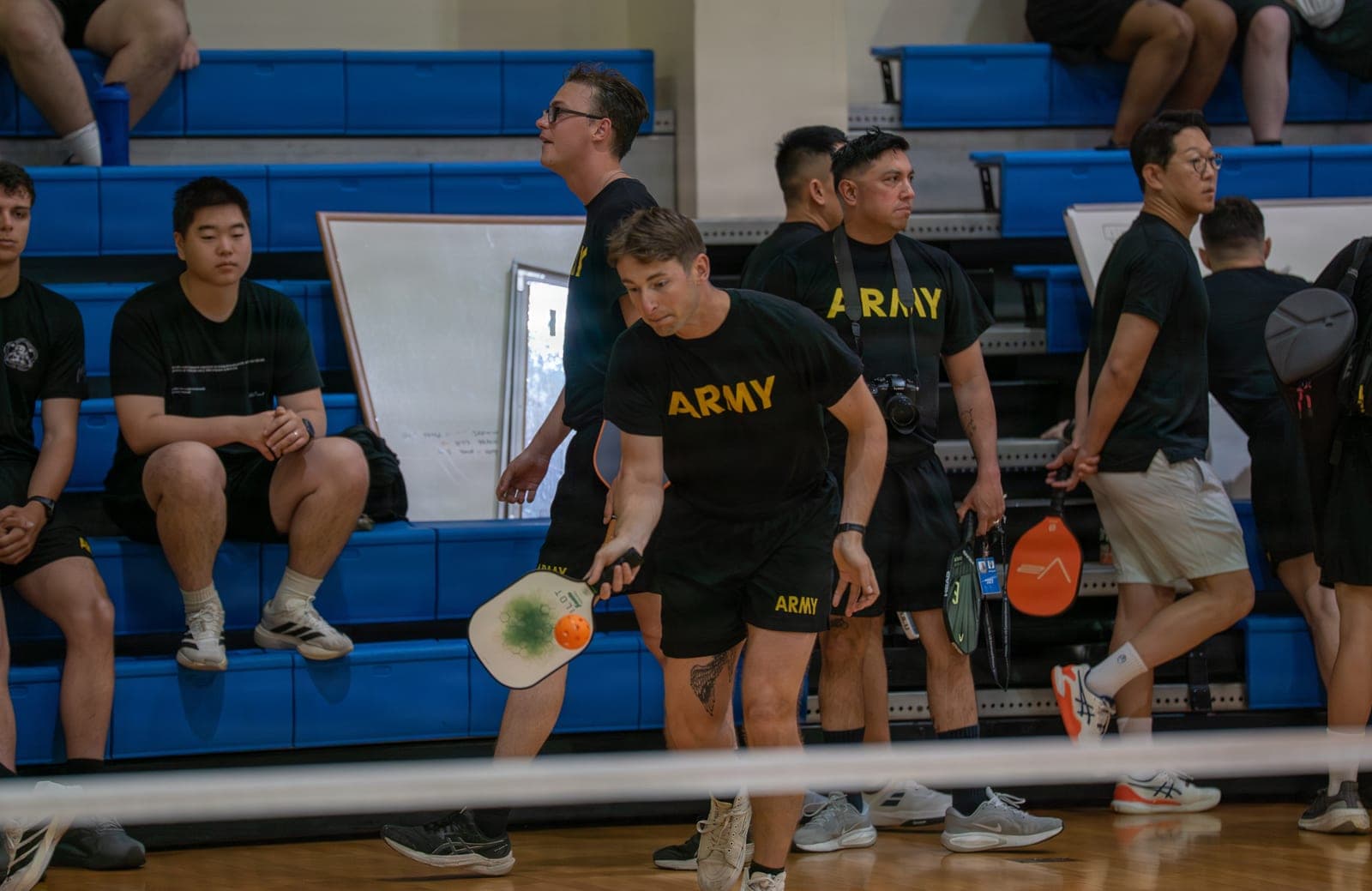
Pickleball
A friendly, easy-to-learn paddle sport played on a small court with a solid paddle and a light, perforated ball.
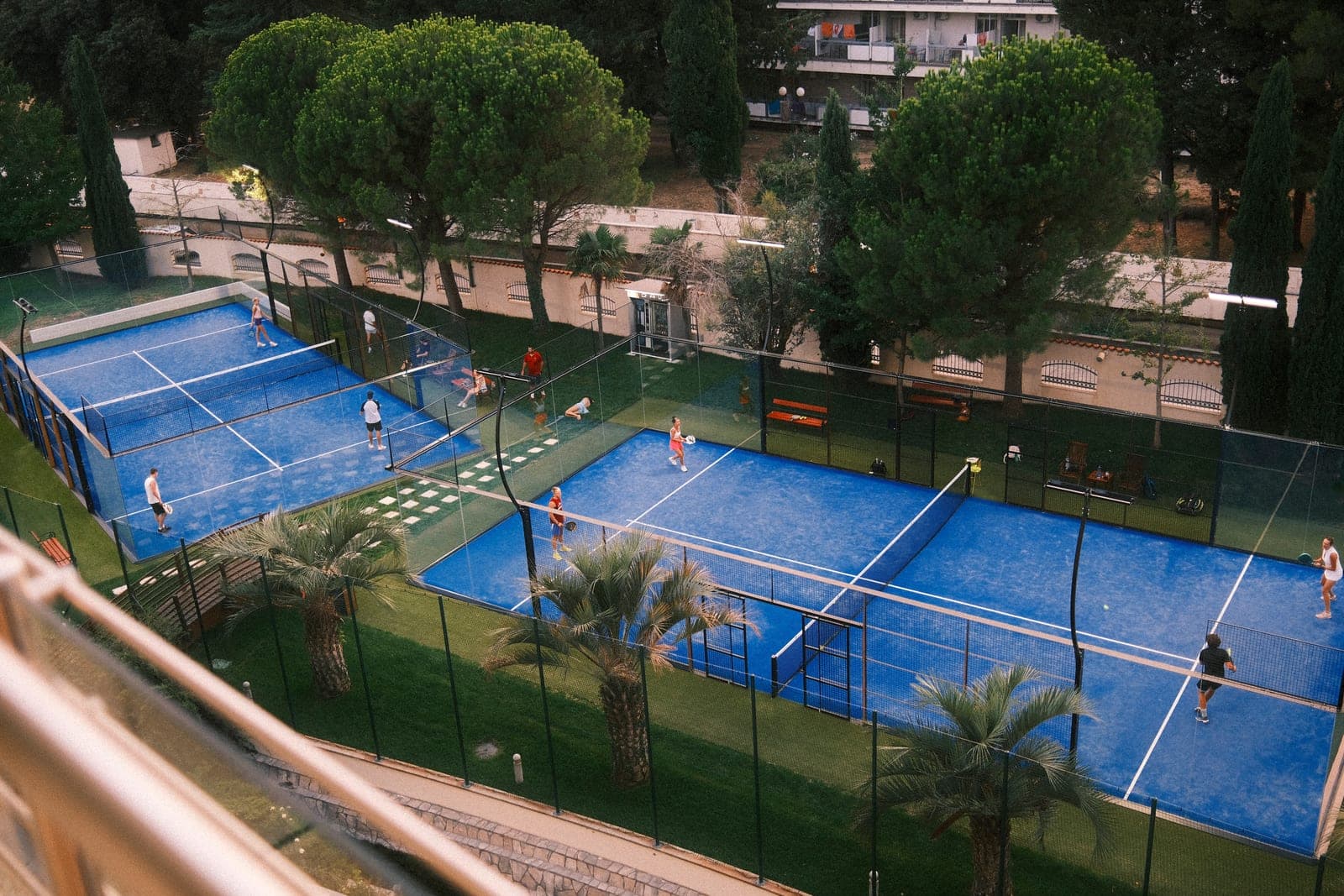
Padel
A sociable, doubles-first racquet sport played in an enclosed court where the walls stay in play.
Related techniques
Topspin Forehand
A forehand groundstroke hit with a low-to-high swing that puts forward spin on the ball so it dips and kicks up on landing.
One-Handed Backhand
A backhand groundstroke struck with a single hand on the grip, driving through the ball with a full extension of the hitting arm.
Tennis Serve
The overhead stroke that starts every point, hit from behind the baseline into the diagonally opposite service box.
How it connects
The meaning-bearing relationships that place Volley in the wider knowledge graph — each one with the reason it exists.
Foundation of
These build directly on this one.
Prerequisite of
These need this one first.
Frequently learned together
Taught side by side in the same stage of a learning path.
- Topspin ForehandBoth are taught in the “Build your technique” stage of the Tennis learning path.
- One-Handed BackhandBoth are taught in the “Build your technique” stage of the Tennis learning path.
- Tennis ServeBoth are taught in the “Build your technique” stage of the Tennis learning path.
- Flat, slice and kick servesBoth are taught in the “Build your technique” stage of the Tennis learning path.
- The return of serveBoth are taught in the “Build your technique” stage of the Tennis learning path.
Explore across the knowledge base
Follow the threads that connect Volley to the rest of SocialSportHub.
Tactics
- Approaching the netHow a point is moved forward — which balls justify an approach, why the approach is hit down the line, and the transition volley that has to be played from no-man's land.
- Tennis doubles formationsHow doubles teams position and why — the standard one-up-one-back start, poaching, the Australian formation and the I-formation, and what each one takes away from the returner.
- Serve and volleyAn attacking tennis tactic where the server follows their serve to the net to finish the point with a volley.
- Net playControlling the point from close to the net with volleys, smashes and touch shots to cut down an opponent’s time.
- Point constructionHow tennis points are built rather than won — the neutral, attacking and defensive positions, what each one permits, and why most errors come from playing the wrong shot for the position.
Playing surfaces
- GrassNatural turf grown on soil — the traditional surface for many field sports and, in tennis, a fast court with a low, skiddy bounce.
- ClayA soft, granular racquet-sport surface of crushed brick, stone or shale that slows the ball, gives a high bounce and lets players slide into shots.
- Hard courtA rigid acrylic, concrete or asphalt court that gives a true, consistent, medium-paced bounce — the standard multi-use outdoor surface.
- Artificial turfSynthetic grass, often filled with sand or rubber, that gives a firm, even, all-weather surface. It plays faster and truer than worn natural grass.
Movement patterns
- ReachExtending a limb toward a distant point or object, often at full stretch, by projecting a distal segment beyond the body's resting envelope while a stabilised base preserves balance and control.
- PushPressing a load or the body away from the torso — horizontally or overhead — by extending the shoulders and elbows, developing the chest, shoulders and triceps.
Skills
- Net playThe skill of controlling points close to the net with volleys and touch shots.
- ChippingThe short lofted shot played from near the green to get the ball rolling toward the hole.
- BlockingThe skill of using the hands or body to stop or slow an opponent’s attack.
- CatchingThe skill of cleanly securing a ball travelling through the air or off the ground.
- SprintingThe skill of running or riding at maximum controlled speed over a short distance.
Equipment
- Tennis racquetA strung frame with a handle, used to hit the ball in tennis. Head size, weight and balance vary to suit different playing styles.
- Tennis ballA hollow rubber ball covered in felt used in tennis and related racquet sports.
- Football (soccer ball)A round, inflated ball used to play association football and futsal. Futsal uses a smaller, heavier ball that bounces far less on a hard court.
- Golf ballA small, firm, dimpled ball struck with a club and played toward the hole on a golf course.
Go deeper with Volley
Everywhere else on the platform that covers Volley — assembled from what actually references it, so nothing here is a dead end.
Learn it
Structured courses and paths on the platform that cover this directly.
Take it away
Open data and the whole-platform view of this subject.
How this page is maintained
- Content type
- Technique
- Provenance
- Tier A — evergreen educational
- Verified external sources
- 0
- Content updated
- 2026-09-12
Evergreen, first-party explanation — it makes no claim that needs an external source. How we handle sources and reviews.