
Throwing
The skill of propelling the ball accurately and with control using the arm.
Overview
Throwing is delivering the ball through the air with the hand and arm, whether to a teammate, at a target or to a fielding position. Accuracy, timing and the transfer of momentum from the body all shape a good throw.
It appears across fielding and handling sports — from a pitcher’s delivery to a quarterback’s pass — and combines a coordinated windup with a controlled release.
Key points
- Power comes from the whole body, not just the arm, through a coordinated action.
- A consistent release point makes throws more accurate and repeatable.
- Stepping toward the target helps transfer momentum into the throw.
- Accuracy usually matters more than distance in game situations.
- Different sports use overarm, sidearm or set styles depending on the rules.
Where it’s used
Sports that use throwing:
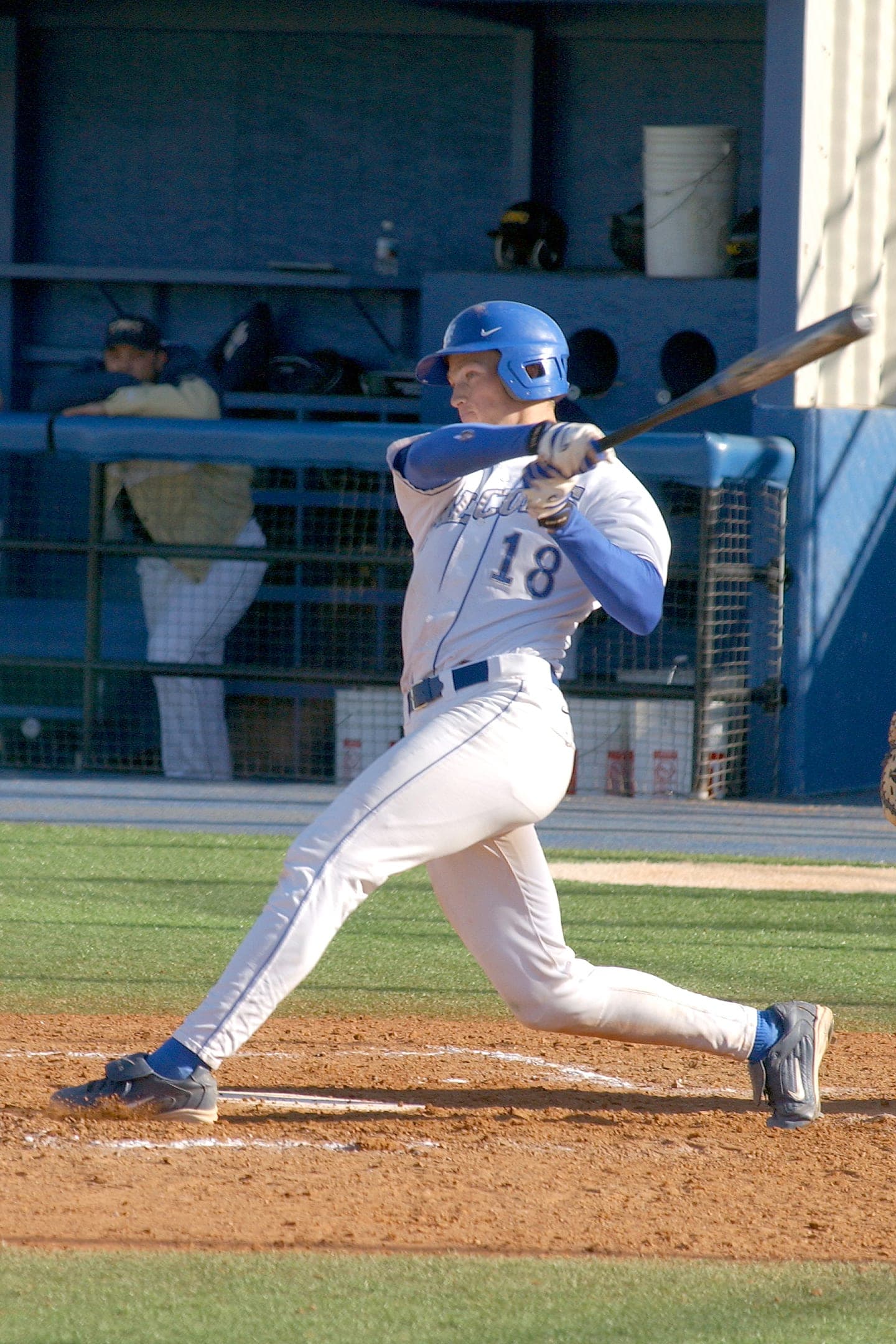
Baseball
A bat-and-ball team sport where two sides alternate between batting and fielding to score runs.
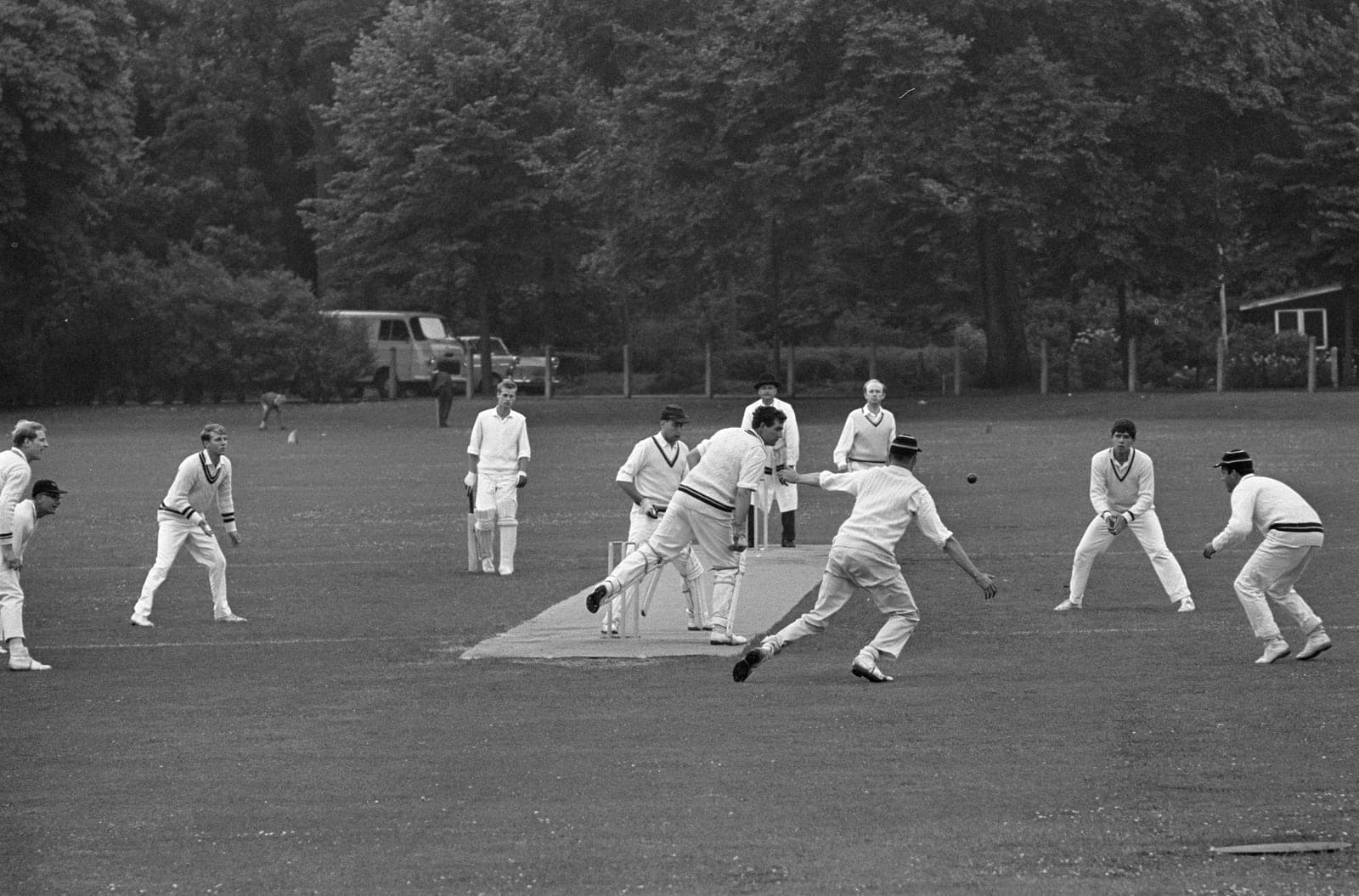
Cricket
A bat-and-ball team sport where sides take turns to bat and to bowl and field, scoring runs.
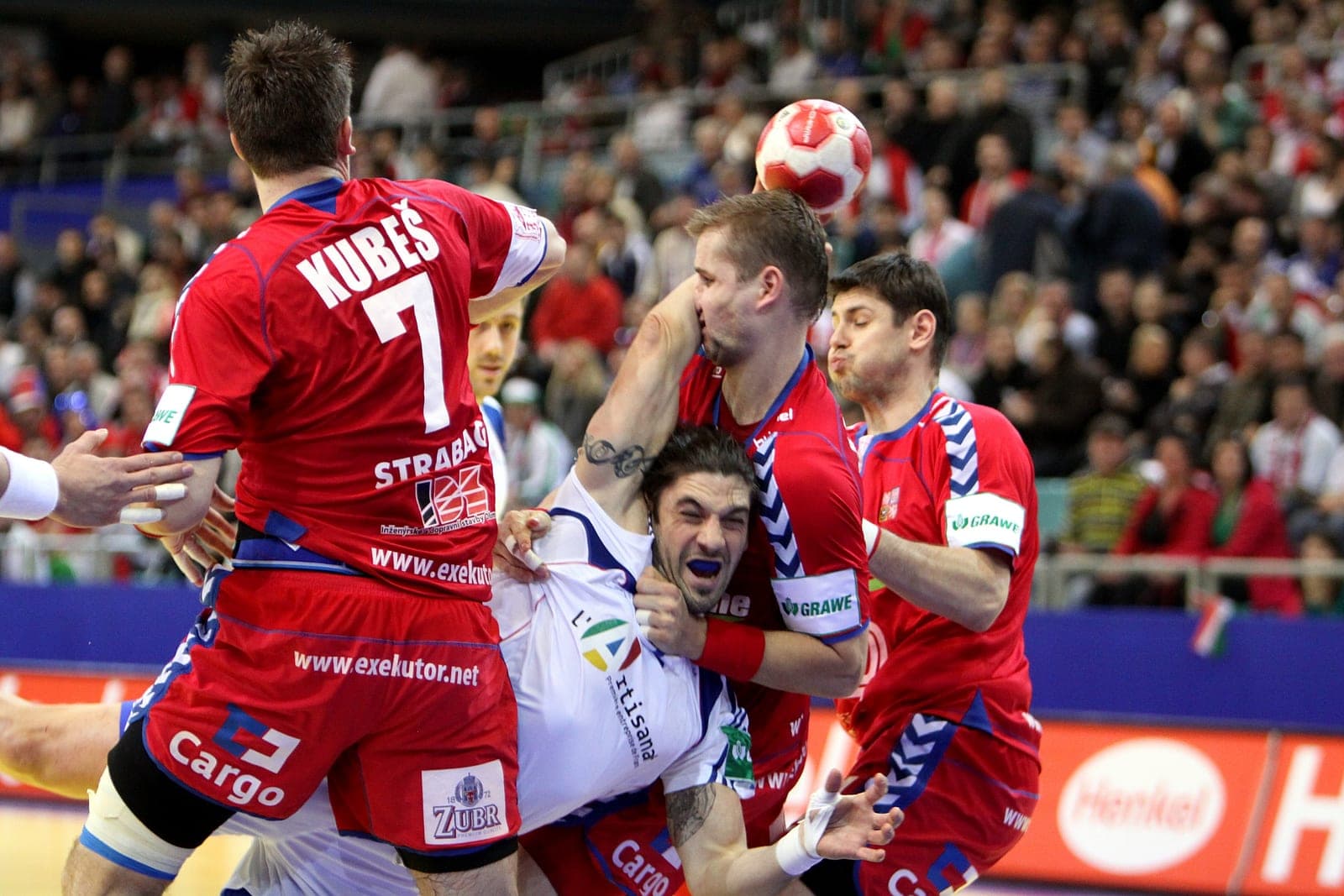
Handball
A fast indoor team sport of passing, jumping and throwing to score with the hands.
American Football
A strategic, position-based team sport of set plays, sprinting and coordinated teamwork on a marked field.
How it connects
The meaning-bearing relationships that place Throwing in the wider knowledge graph — each one with the reason it exists.
Progresses to
The next step in a curated learning order.
Progresses from
The step that comes before this one in a curated learning order.
Frequently learned together
Taught side by side in the same stage of a learning path.
- CatchingBoth are taught in the “Learn the core skills” stage of the Cricket learning path.
- WicketkeepingBoth are taught in the “Learn the core skills” stage of the Cricket learning path.
- PassingBoth are taught in the “Learn the core skills” stage of the Handball learning path.
- ShootingBoth are taught in the “Learn the core skills” stage of the Handball learning path.
- TacklingBoth are taught in the “Learn the core skills” stage of the American Football learning path.
Part of
The wider grouping this belongs to.
Explore across the knowledge base
Follow the threads that connect Throwing to the rest of SocialSportHub.
Skills Academy
- Object-control skillsHandling a ball or implement — controlling, receiving, passing and moving it with intent.
- Ball-sport skillsThe skills that recur across ball games — control, passing, dribbling, shooting and defending.
- Endurance-sport skillsThe skills of going the distance — pacing, breathing and efficient technique in running, cycling and swimming.
Movement patterns
- ThrowPropelling an object by releasing it from the hand, driven by a proximal-to-distal kinetic-chain sequence that summates speed from the legs through the trunk and arm to the release point.
- RotationRotating the trunk to generate and transfer power through the body's kinetic chain, plus anti-rotation — resisting unwanted twist to keep the trunk stable.
Coaching concepts
- Repetition QualityThe attention and intent behind each repetition matter more than raw volume — focused, well-executed reps build skill faster than mindless numbers.
- Skill acquisitionHow a movement or sports skill is learned — progressing from conscious, effortful control to smooth, largely automatic execution through practice and feedback.
Positions
- GoalkeeperThe goalkeeper is the last line of defence in football and the only player allowed to handle the ball inside their own penalty area.
- HookerThe hooker is a front-row forward in rugby who wins the ball in the scrum and typically throws the ball into the line-out.
- PivotThe pivot is a handball attacker who plays close to the opposition defence, setting screens and looking for chances near the goal area.
Learning paths
- Learn CricketA structured, educational learning path for cricket — from the rules to skills, techniques, tactics and training.
- Learn BaseballA structured, educational learning path for baseball — from the rules to skills, techniques, tactics and training.
- Learn HandballA structured, educational learning path for handball — from the rules to skills, techniques, tactics and training.
- Learn American FootballA structured, educational learning path for american football — from the rules to skills, techniques, tactics and training.
Techniques
- Volleyball SetAn overhead pass using the fingertips of both hands to place the ball accurately for a teammate to attack.
- BackstrokeThe only competitive stroke swum on the back, using alternating overhead arm pulls and a steady flutter kick.
- Freestyle StrokeThe fastest swimming stroke, using alternating overhead arm pulls, a flutter kick and rhythmic side breathing.
- One-Handed BackhandA backhand groundstroke struck with a single hand on the grip, driving through the ball with a full extension of the hitting arm.
- Rugby union passingHow a rugby pass is actually made — the sideways swing that replaces a throw, why every pass must travel backwards, and what separates a spiral pass from a pop.
Go deeper with Throwing
Everywhere else on the platform that covers Throwing — assembled from what actually references it, so nothing here is a dead end.
Learn it
Structured courses and paths on the platform that cover this directly.
How this page is maintained
- Content type
- Skill
- Provenance
- Tier A — evergreen educational
- Verified external sources
- 0
- Content updated
- 2026-09-12
Evergreen, first-party explanation — it makes no claim that needs an external source. How we handle sources and reviews.