
Foundational skills
The base skills almost every sport rests on — move, balance and control before anything else.
Foundational skills are the ones nearly every sport quietly depends on. Before you can serve, shoot or pass with any consistency, you need to be able to move your feet, stay balanced and control the ball or implement. These are worth practising first because everything more specific is built on top of them.
A sensible order is to start with movement and balance, then add control. None of them are ever really “finished” — even advanced players keep refining their footwork and balance — but a little attention here makes learning every other skill faster and more enjoyable.
The skills in this family
In a sensible order to learn them — open any skill for a clear, beginner-friendly guide.
- 1
Footwork
The skill of moving efficiently around the playing area to be in position for each shot or action.
- 2
Balance
The skill of keeping the body stable and controlled while still or moving.
- 3
Core stability
The skill of engaging the trunk muscles to keep the body strong and controlled through movement.
- 4
Ball control
The skill of receiving and settling the ball quickly so it is ready to use.
Sports that use these skills
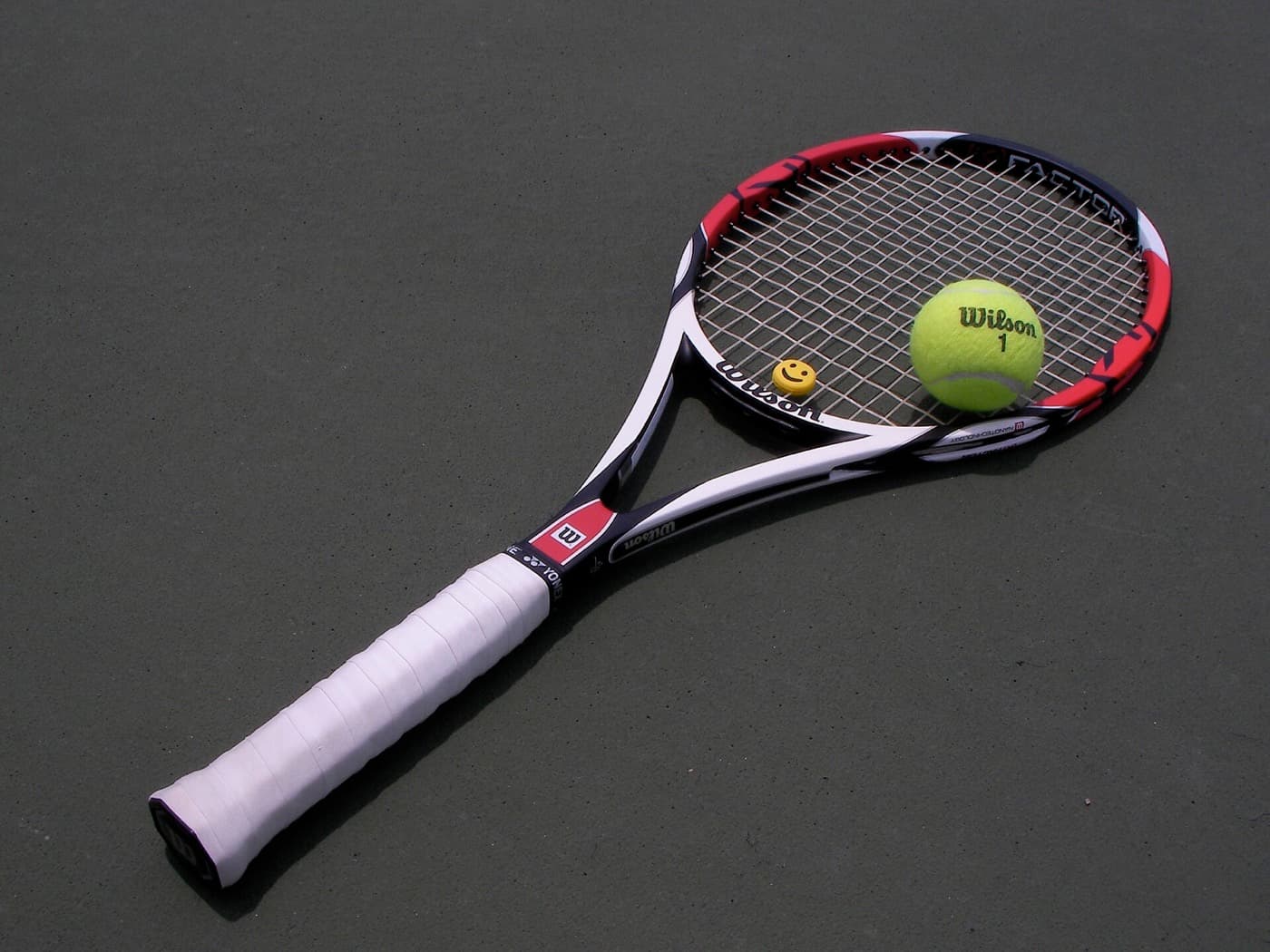
Tennis
A singles or doubles racquet sport that blends agility, strategy and stamina on court.
Football
The world’s most popular team sport — endless running, teamwork and community in one game.
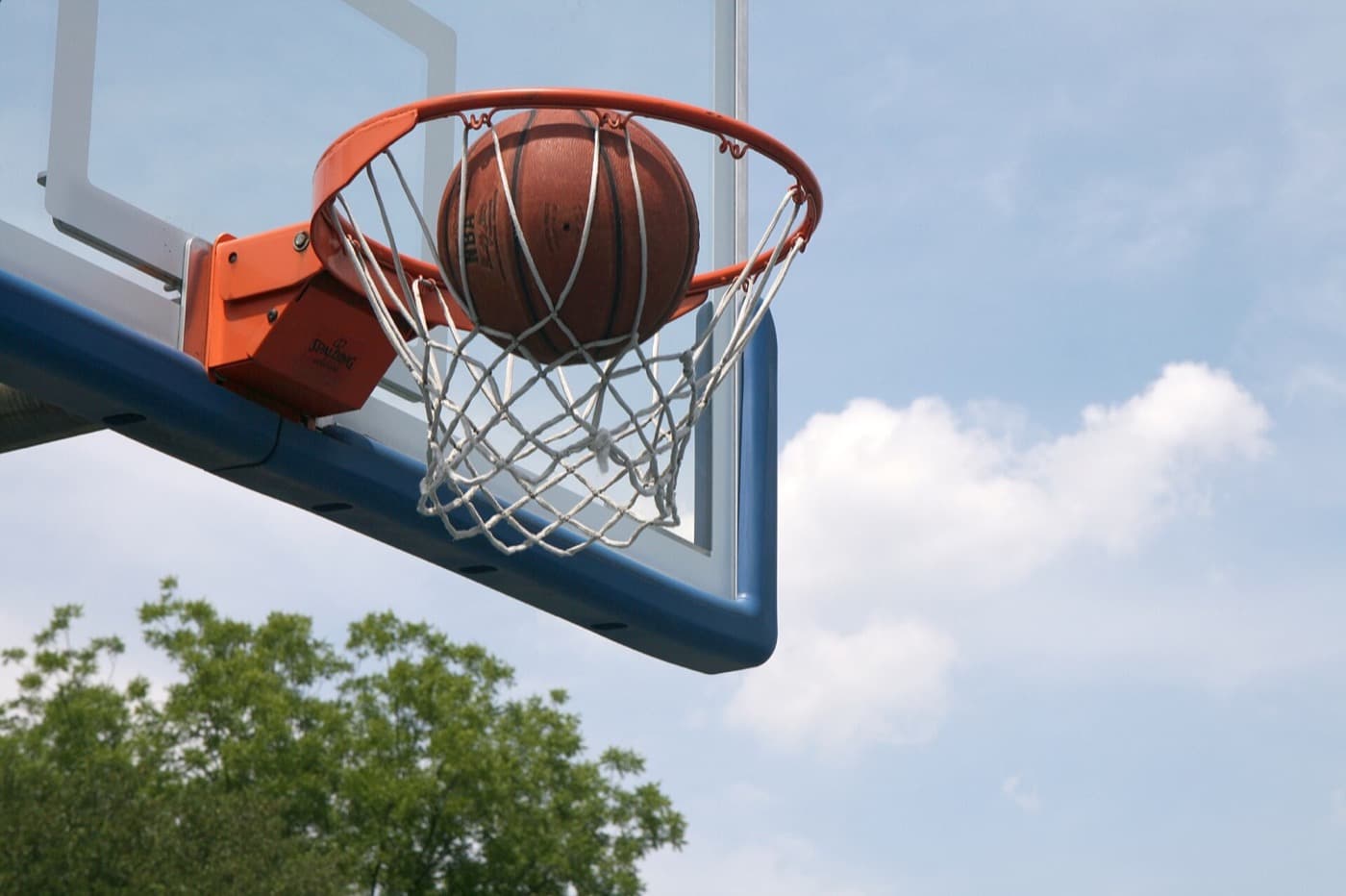
Basketball
A fast, dynamic team sport of running, jumping and quick decisions on court.
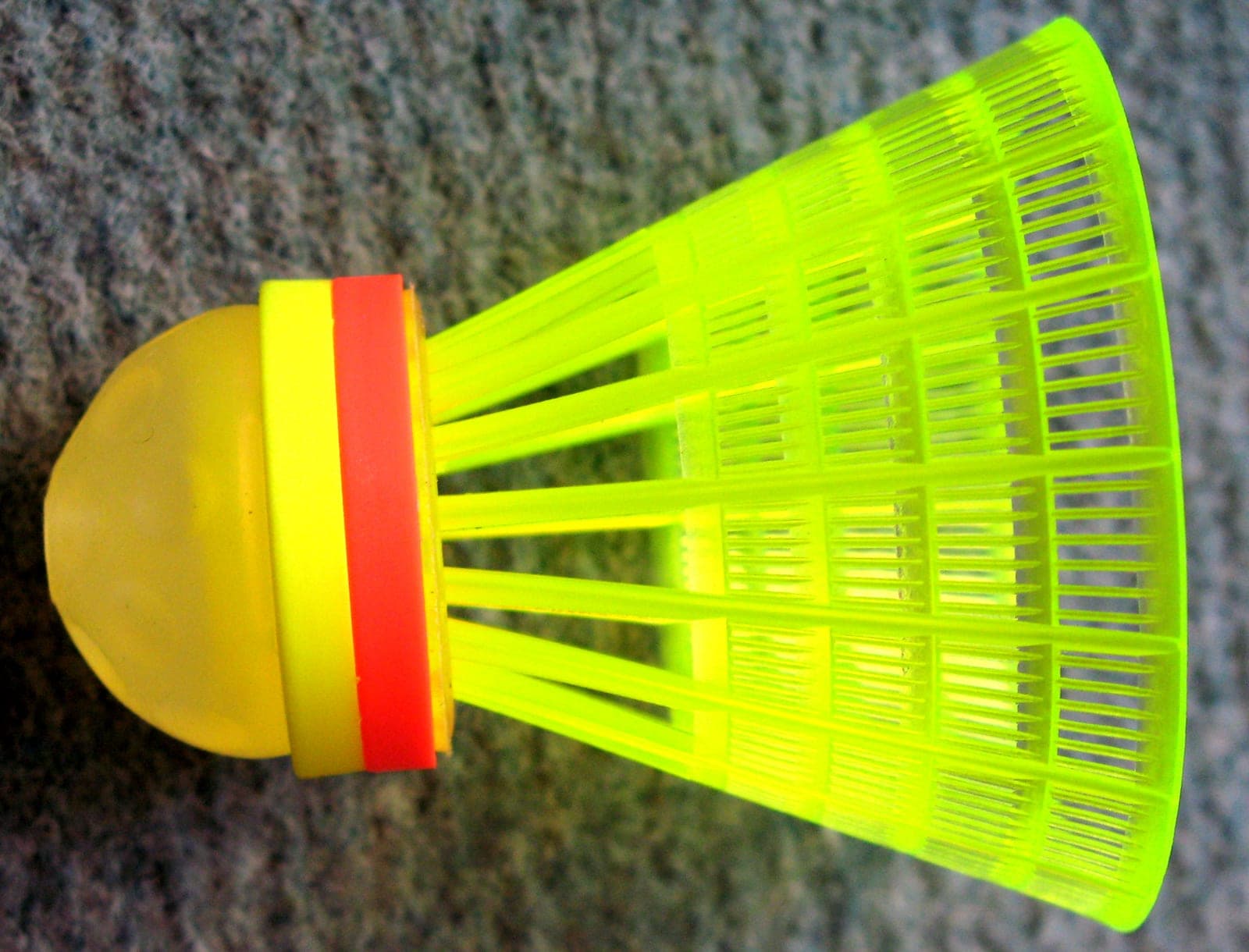
Badminton
A fast indoor racquet sport played with a shuttlecock that rewards agility and touch.
Other skill collections
How it connects
The meaning-bearing relationships that place Foundational skills in the wider knowledge graph — each one with the reason it exists.
Broader than
A wider grouping that contains these.
- FootworkFootwork is one of the 4 skills in the Foundational skills collection.
- BalanceBalance is one of the 4 skills in the Foundational skills collection.
- Core stabilityCore stability is one of the 4 skills in the Foundational skills collection.
- Ball controlBall control is one of the 4 skills in the Foundational skills collection.
Explore across the knowledge base
Follow the threads that connect Foundational skills to the rest of SocialSportHub.
Knowledge Atlas
Experience levels
Glossary
- Core StabilityThe ability of the trunk muscles to control the position and movement of the torso, providing a stable base for the limbs.
- BalanceThe ability to control the body's position by keeping its centre of gravity over the base of support, whether still or moving.
- StanceThe set position of the feet and body a player adopts before or during a skill, providing balance and readiness to move or strike.
- Weight transferThe shift of body weight through the base during a strike, throw, or kick to add power and control.
- Centre of GravityThe single point at which the body's mass is balanced in all directions, and around which it tends to rotate and balance.
How this page is maintained
- Content type
- Skill collection
- Provenance
- Tier A — evergreen educational
- Verified external sources
- 0
- Content updated
- 2026-07-12
Evergreen, first-party explanation — it makes no claim that needs an external source. How we handle sources and reviews.
A way to organise, not a ranking
Learn the family, then the sport
Understand a family of skills, then follow it into the sports and learning paths that use them.