
False start
An infringement in racing when a competitor begins to move before the official starting signal.
Definition
In sprint races, swimming and other timed events, competitors must stay still until the starting gun or signal is given. A false start is when an athlete leaves the blocks or begins moving too early.
Under most modern rules a false start leads to immediate disqualification, so athletes have to balance a fast reaction with the risk of going too soon. The rule is there to make sure every competitor starts fairly at the same moment.
Where you’ll hear “false start”
Sports that use this term:

Running
The most accessible endurance sport — no venue, just shoes and the open road or trail.
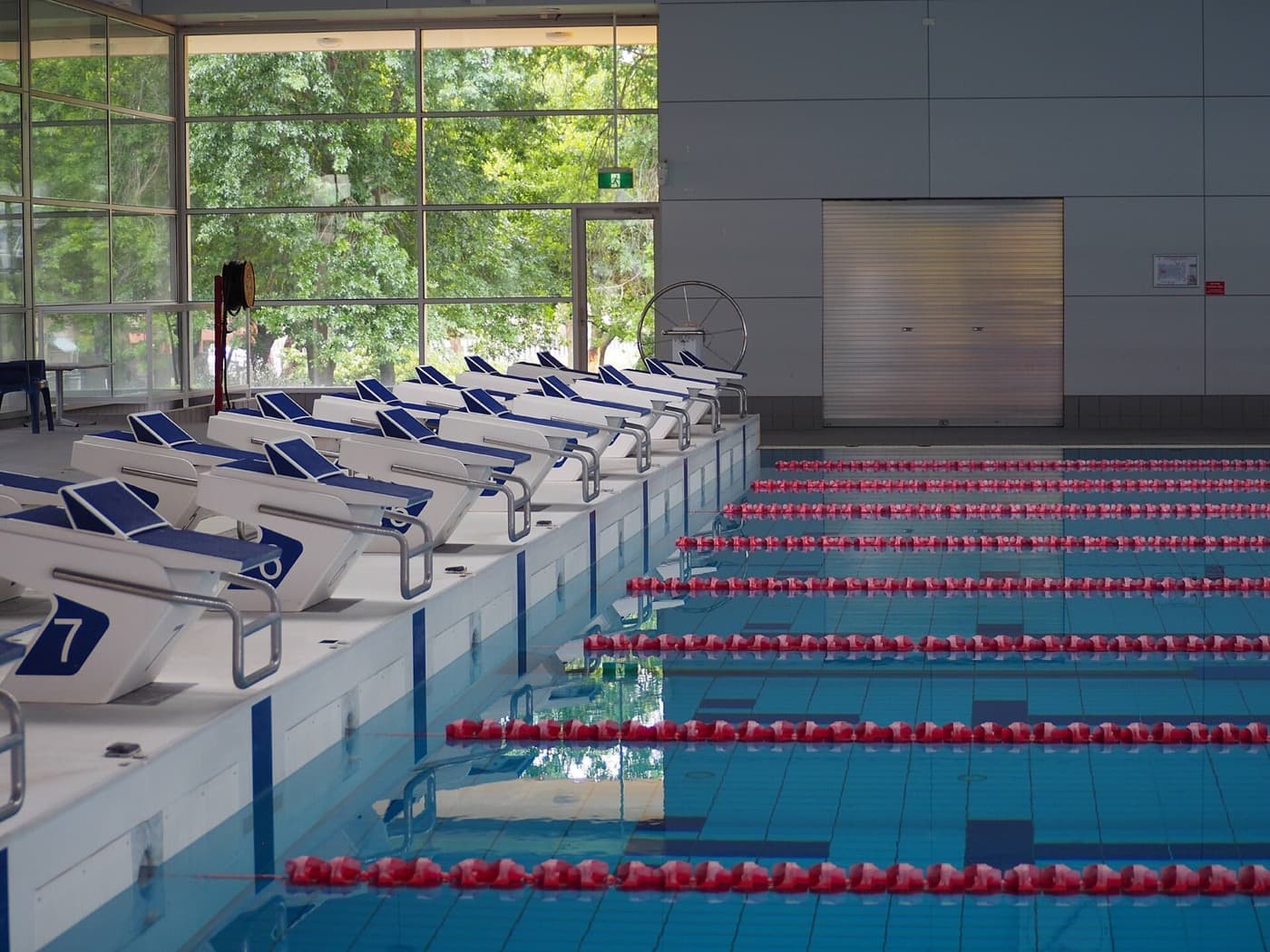
Swimming
A full-body, low-impact endurance sport suitable for almost every age and ability.
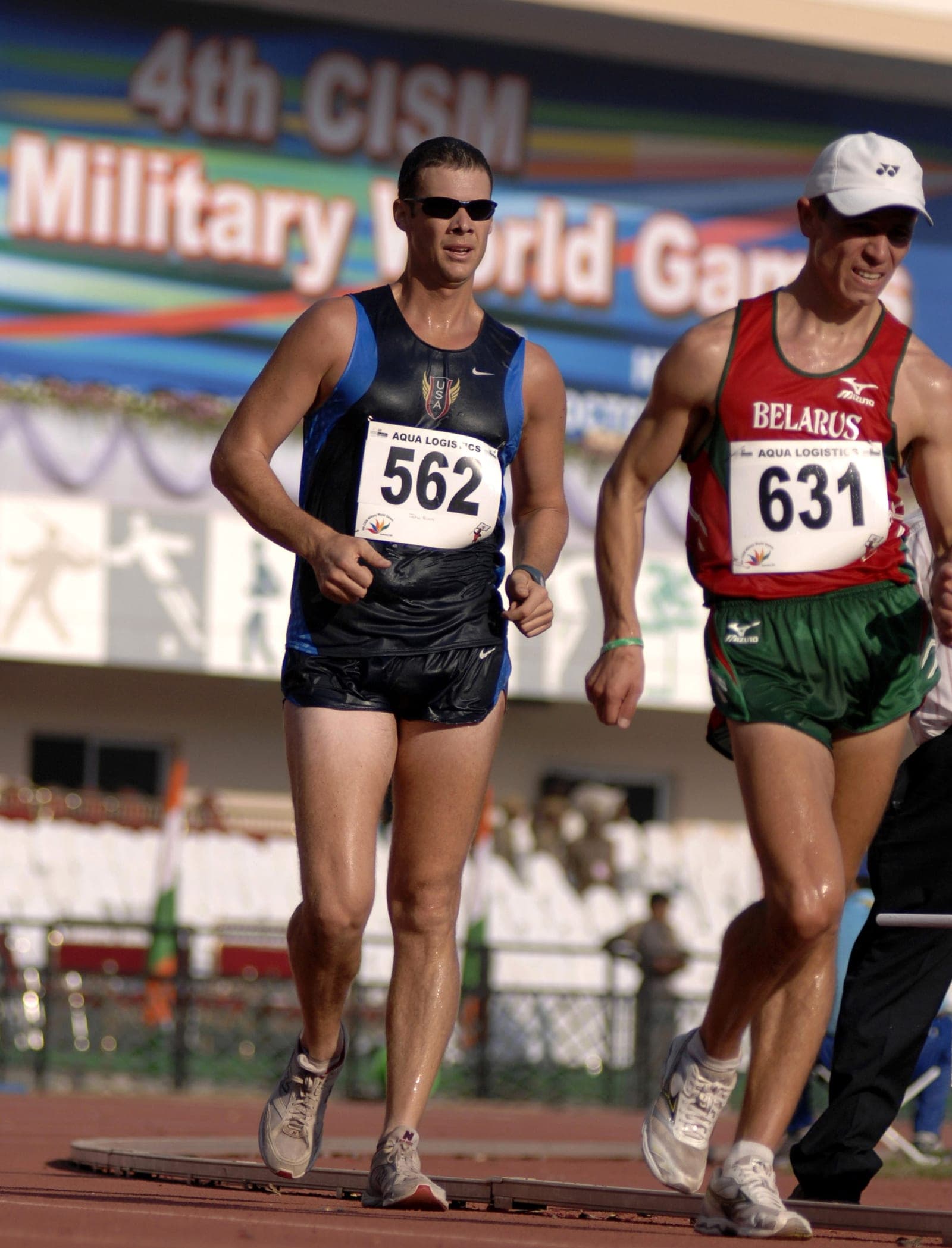
Race Walking
A technique-driven endurance sport that turns walking into a fast, low-impact discipline.
Speed Skating
A racing sport on long-bladed skates, powering around an ice oval or tight indoor track with long, rhythmic strides.
Explore across the knowledge base
Follow the threads that connect False start to the rest of SocialSportHub.
Rules
- Lane disciplineThe rule that competitors must stay within their assigned lane in lane-based races.
- False startA rule breach in a race when a competitor begins to move before the starting signal is given.
- Swimming stroke rulesThe technical rules that define how each competitive swimming stroke must be performed and how walls are touched.
Scoring systems
- How running races are timed and placedRunning races are decided by finishing order and by elapsed time, measured precisely and settled by the moment a runner's torso crosses the line.
- How swimming races are timed and placedSwimming races are decided by elapsed time and finishing order, with electronic touchpads recording when each swimmer completes the distance.
Officiating
- TimekeeperThe timekeeper is the official who runs a contest's clock — starting and stopping time, timing rounds, races and periods, and signalling when time expires.
- Start and Stop SignalsThe whistle, gun, bell or hooter an official uses to begin and end play or a race, plus the rules that keep starts clean and penalise false starts.
Go deeper with False start
Everywhere else on the platform that covers False start — assembled from what actually references it, so nothing here is a dead end.
Take it away
Open data and the whole-platform view of this subject.
How this page is maintained
- Content type
- Term
- Provenance
- Tier A — evergreen educational
- Verified external sources
- 0
- Content updated
- 2026-09-01
Evergreen, first-party explanation — it makes no claim that needs an external source. How we handle sources and reviews.